Have you ever bitten into a piece of chicken so dry it felt like eating cardboard? I definitely have, and let me tell you, it is a tragedy! But forget those sad chicken breast memories right now. We are talking about lemon chicken thighs today, and they are an absolute game-changer. I honestly believe that chicken thighs are the unsung heroes of the poultry world; they are forgiving, flavorful, and cheap!
In this post, I’m going to show you exactly how to get that skin shatteringly crispy while keeping the inside dripping with lemon-garlic goodness. Did you know that dark meat chicken actually contains more zinc and iron than white meat? It’s true! So, grab your skillet, because we are about to make the most delicious dinner of the year. Let’s get cooking!

Why You’ll Love This Lemon Garlic Chicken
I have to be honest with you; for years, I was strictly a white meat kind of person. I grew up thinking that boneless skinless chicken breast was the only way to eat healthy. But let me tell you, I have eaten enough dry, rubbery chicken to last a lifetime. I remember this one dinner party I hosted back in my late 20s where I served chicken breasts that were so tough, my guests were basically getting a jaw workout. It was embarrassing! That is when I discovered the magic of lemon chicken thighs.
Switching to dark meat was the best decision I ever made for my weeknight cooking routine. If you are still on the fence, you need to trust me on this one.
It Saves You Serious Cash
Let’s talk about the grocery bill for a second. Have you seen the prices lately? It is wild. Bone-in chicken thighs are significantly cheaper than breasts. I can feed my whole family for a fraction of the price, and honestly, the food tastes better.+1
When you are trying to stick to a budget but still want a meal that feels fancy, this is it. You don’t need expensive ingredients. Just some chicken, a lemon, and some garlic. It is proof that you don’t need to spend a fortune to eat like a king.
Forgiving and Flavorful
Here is the thing about chicken thighs: they are incredibly forgiving. If you accidentally leave them in the pan for an extra two minutes because the kids are screaming or the dog is barking (which happens in my house constantly), they won’t dry out. The higher fat content keeps them juicy.
This recipe uses a lemon garlic butter sauce that is just out of this world. The acidity of the lemon cuts right through the richness of the chicken fat. It is a perfect balance. I’ve burned my fair share of dinners, but it is actually hard to mess this one up.
The 30-Minute Miracle
I am a teacher, so by the time I get home, grade papers, and get everyone settled, I am exhausted. I do not have the energy for complicated meals. This is a true 30-minute meal.+1
You sear it, make a quick pan sauce, and you are done. There is no marinating overnight (unless you want to) and no complicated steps. It is just good, honest food that gets on the table fast. Plus, using a cast iron skillet means less cleanup, which is my favorite part.
I really think this will become your go-to easy weeknight dinner. It has saved me on so many busy nights when I was tempted to just order pizza. Give it a shot, and I bet you won’t go back to dry chicken breasts ever again.
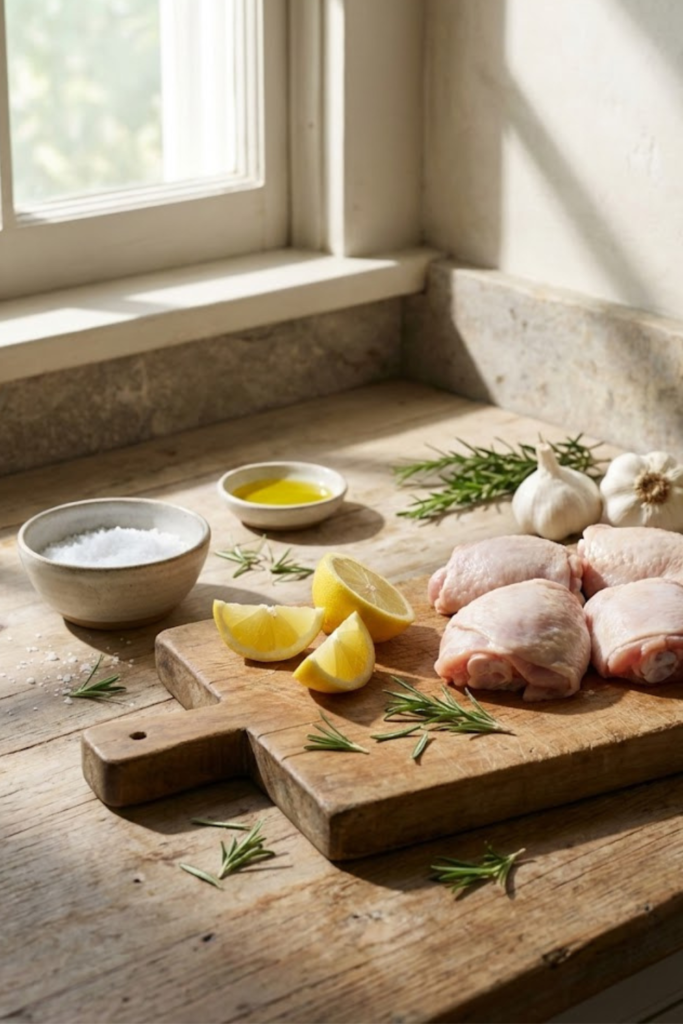
Ingredients for the Perfect Marinade
I always tell my students that you can’t build a solid house without good bricks. The same rule applies to cooking. You cannot expect a 5-star dinner if you are starting with lackluster ingredients. I learned this the hard way back when I first started cooking for myself. I used to try and cut corners, buying the cheapest stuff I could find, and then I’d wonder why my food tasted bland.
For this lemon garlic chicken, we are keeping it simple, but specific. You really need to pay attention to what you throw in your grocery cart.
The Chicken: Why Bones Matter
Please, do me a huge favor and buy bone-in, skin-on chicken thighs. I know the boneless, skinless ones look easier. I get it. Nobody likes dealing with bones. But here is the truth: the bone keeps the meat moist while it cooks. It acts like a little heat shield so the meat doesn’t dry out.
And the skin? That is the best part! You want that crispy chicken skin that crunches when you bite it. If you use skinless thighs, you just won’t get that texture. It’s like eating pizza without the cheese—just sad.
Fresh vs. Bottled: The Lemon Debate
Okay, confession time. I used to buy that yellow plastic lemon filled with juice. You know the one I’m talking about. It sat in my fridge door for months. But for this recipe, you have to use fresh lemon juice and zest. The stuff in the bottle has preservatives that make it taste funny, almost metallic.
You need the zest (the yellow peel) to get that deep citrus flavor that actually sticks to the meat. The juice provides the acid, but the zest provides the perfume. It makes the whole house smell amazing, way better than any candle I’ve ever bought.
The Garlic and Herb Situation
Do not use garlic powder here. Just don’t. You want fresh cloves of garlic. I smash them with the side of my knife to peel them. It’s actually great stress relief after a long day in the classroom! When fresh garlic hits the hot butter, it creates this incredible smell that garlic powder just can’t match.
For herbs, I usually grab whatever looks good. Fresh rosemary and thyme are my favorites. If you only have dried herbs in your pantry, that is okay, but use less of them since they are stronger. And lastly, mix olive oil with butter. The oil stops the butter from burning, so you get that rich flavor without the smoke alarm going off.
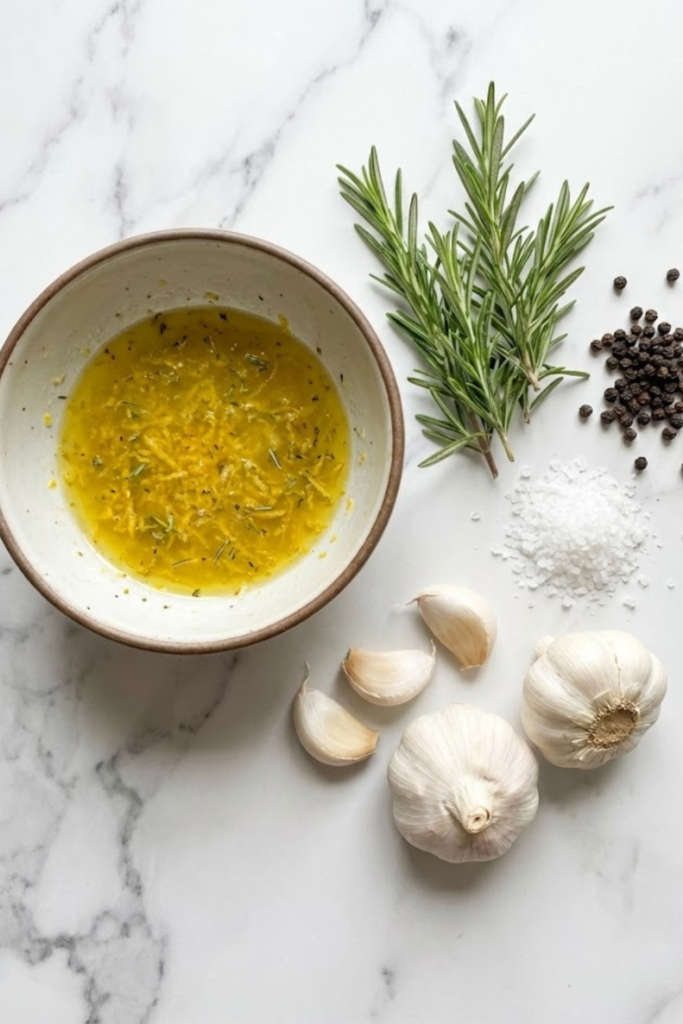
Step-by-Step: How to Cook Lemon Chicken Thighs
Alright, class is in session! Just kidding. But really, pay attention here because this is where the magic happens. Cooking isn’t rocket science, but there is a specific order you need to follow to get it right. I remember when I first tried to sear chicken in my tiny apartment kitchen; I set off the smoke alarm and had to wave a tea towel around like a maniac to stop the noise. We are going to avoid that drama today.
This process is straightforward, but you have to be patient. Do not rush the steps, or you will end up with soggy skin, and that is just disappointing.
The Prep Work: Dry It Out
First things first: grab a roll of paper towels. You need to pat those chicken thighs dry. I mean really dry. If the skin is wet when it hits the hot pan, it will steam instead of fry. Steamed chicken skin is rubbery and gross. It is like trying to write on wet paper—it just doesn’t work.
Once they are dry, season them generously with salt and pepper. Don’t be shy with the salt. It helps pull out moisture and wakes up all the flavors. I usually salt them and let them sit for a few minutes while I chop the garlic.
The Sear: Patience is Key
Get your skillet nice and hot over medium-high heat with some olive oil. Place the chicken thighs in the pan, skin-side down. You should hear a loud sizzle immediately. If you don’t hear it, your pan isn’t hot enough.
Now, here is the hardest part for most people: Do not touch it! Leave it alone. Seriously. Walk away if you have to. You want to cook it on that side for about 5 to 7 minutes. If you try to lift it and it sticks to the pan, it is not ready. The chicken will release itself when the skin is perfectly golden and crispy.
Making the Pan Sauce
Once the skin looks like something from a magazine, flip the thighs over and cook for a few more minutes. Then, move them to a plate. Look at the bottom of your pan. See all those brown stuck-on bits? That is called “fond,” and it is pure flavor gold.
Turn the heat down a little and toss in your butter and garlic. It will smell incredible immediately. After about a minute, pour in the lemon juice. It will hiss and bubble. Use a wooden spoon to scrape up the brown bits from the bottom. This mixes with the butter and lemon to make a rich, tangy sauce.
The Finish
Put the chicken back into the pan, skin-side up this time. You want the skin to stay above the sauce so it stays crunchy. If your skillet is oven-safe (like cast iron), pop the whole thing into a 400-degree oven for about 15 minutes. This cooks the meat through evenly without burning the skin.
You will know it is done when a meat thermometer reads 165 degrees. If you don’t have a thermometer, just make sure the juices run clear when you poke it. And that is it! You just made a restaurant-quality meal.

Tips for Ultra-Crispy Skin
There is nothing worse than biting into chicken that is supposed to be crispy, only to find out the skin is soggy and rubbery. It’s like stepping in a puddle with fresh socks—just totally ruins the vibe. Over the years, I have made every mistake in the book. I’ve burned it, steamed it, and even accidentally pulled the skin right off while flipping it.
But after plenty of trial and error (and a few dinner disasters), I figured out the tricks. If you follow these tips, you will get that golden crunch every single time.
Don’t Overcrowd the Pan
This is the number one rule. I tell my students all the time about “personal space,” and chicken thighs need it too. If you cram too many pieces into the skillet at once, they start to steam each other. Instead of frying, they sweat. And sweaty chicken is not delicious.
You want to leave a little gap between each thigh. If your pan isn’t big enough, just cook them in batches. I know, it takes a few extra minutes, but it makes a huge difference. If they are touching, the edges won’t get crispy, and you’ll end up with a gray, sad mess.
Watch Your Temperature
Managing the heat is tricky. If the heat is too high, the skin burns before the meat is cooked. If it’s too low, the fat won’t render out, and the skin stays flabby. You want a steady medium-high heat.
Think of it like the Goldilocks zone—just right. You want to hear a consistent sizzle. If the popping stops, turn it up. If it starts smoking like a chimney, turn it down. The goal is to melt that layer of fat under the skin so it basically fries itself in its own juices.
Basting the Right Way
We all love those videos where the chef spoons butter over the meat. It looks fancy. But here is the catch: if you pour liquid over the skin after it’s crispy, you just undid all your hard work. You are making it wet again!
When you make your lemon garlic sauce, spoon it around the chicken, not on top of it. Or, if you are finishing it in the oven, keep the skin facing up so it stays dry. Let the meat soak up the flavor from the bottom.
et It Rest
This is the hardest part because the chicken smells so good, and you just want to eat it. But you have to wait. If you cut into the chicken right away, all the juices run out onto the plate. Give it about 5 to 10 minutes to rest. This keeps the meat juicy and actually helps the skin firm up a little more as it cools slightly.
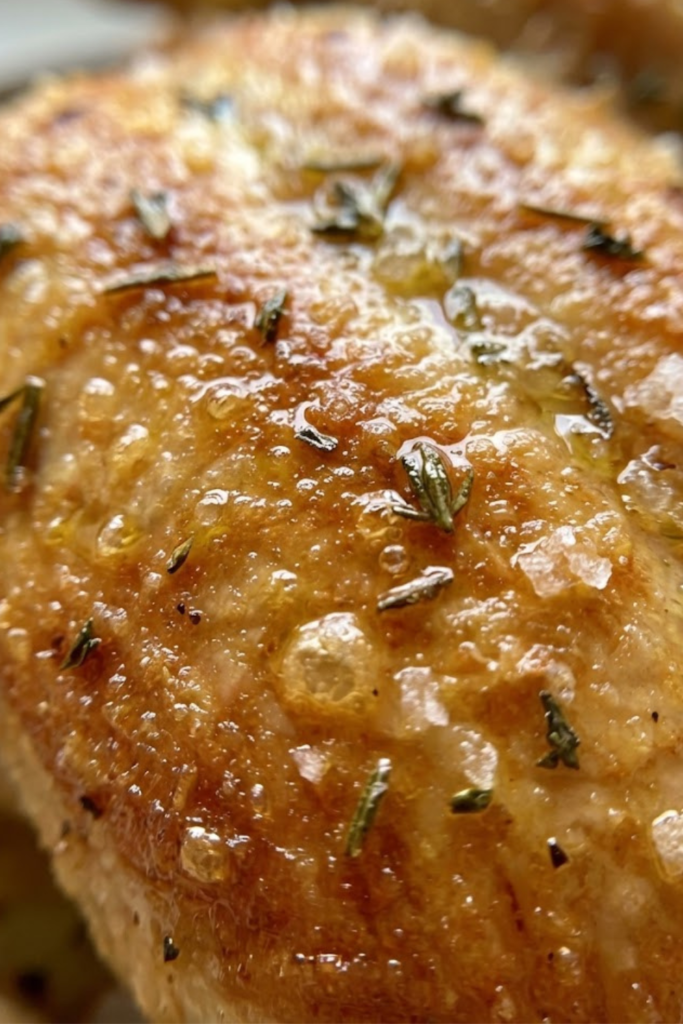
Serving Suggestions and Side Dishes
You have put in the work, and your kitchen smells wonderful. But a main dish without sides is like a classroom without desks—it just feels empty. Over the years, I have learned that the right side dish can make a good dinner feel like a special occasion. Since lemon chicken thighs are rich and buttery, you need sides that can either soak up that sauce or cut through the heaviness with some crunch.
Here is what I usually serve when I make this for my family.
Soaking Up the Sauce
Let’s be real: the best part of this recipe is that lemon garlic butter sauce at the bottom of the pan. It would be a crime to waste it. My absolute favorite thing to serve with this is creamy mashed potatoes. I just pile the potatoes on the plate and spoon the extra sauce right over them. It is pure comfort food.
If I am running low on time and don’t feel like peeling potatoes (which happens often on Fridays), I will just grab a loaf of crusty French bread. You can tear off chunks and dip them right into the skillet. My kids actually fight over who gets to “clean” the pan with the bread.
Adding Some Green
Since the chicken is fatty (in a good way), you need some vegetables to balance it out. I love roasted asparagus or green beans. The great thing is, since you already have the oven on for the chicken, you can just toss your veggies on a baking sheet and cook them at the same time.
I toss the asparagus in a little olive oil, salt, and pepper. They roast up in about 10 or 15 minutes. The charred taste goes really well with the lemon. If you want something fresh, a simple arugula salad with a vinaigrette is perfect. The peppery taste of the arugula matches the citrus perfectly.
What to Drink
Now, this is for the adults in the room. After a long week of teaching, I enjoy a glass of wine with my Friday dinner. For this chicken, you want a white wine that is crisp and dry. A Sauvignon Blanc or a Chardonnay is your best bet.
The wine acts kind of like a palate cleanser. It washes away the richness of the butter so you are ready for the next bite. If you don’t drink alcohol, an iced tea with a slice of lemon is also really refreshing with this meal.

Well, there you have it. That is everything I know about making the best lemon chicken thighs. I really hope you give this a try. It is savory, it has that punch of citrus, and that crunch is just unbeatable. I honestly promise that once you make this, it is going to end up in your weekly rotation immediately. My family asks for it at least once a week, and I am happy to make it since it is so easy.
Cooking dinner does not have to be a huge headache. Sometimes the simple stuff is the best stuff. You don’t need fancy tools or crazy ingredients to make a meal that people will remember.
If you liked this recipe, please do me a solid and save it for later. Pin this image to your “Weeknight Dinners” board on Pinterest so you never lose it! It helps me out, and it makes sure you don’t have to go digging for the recipe when you are hungry next week. Happy cooking, everyone!