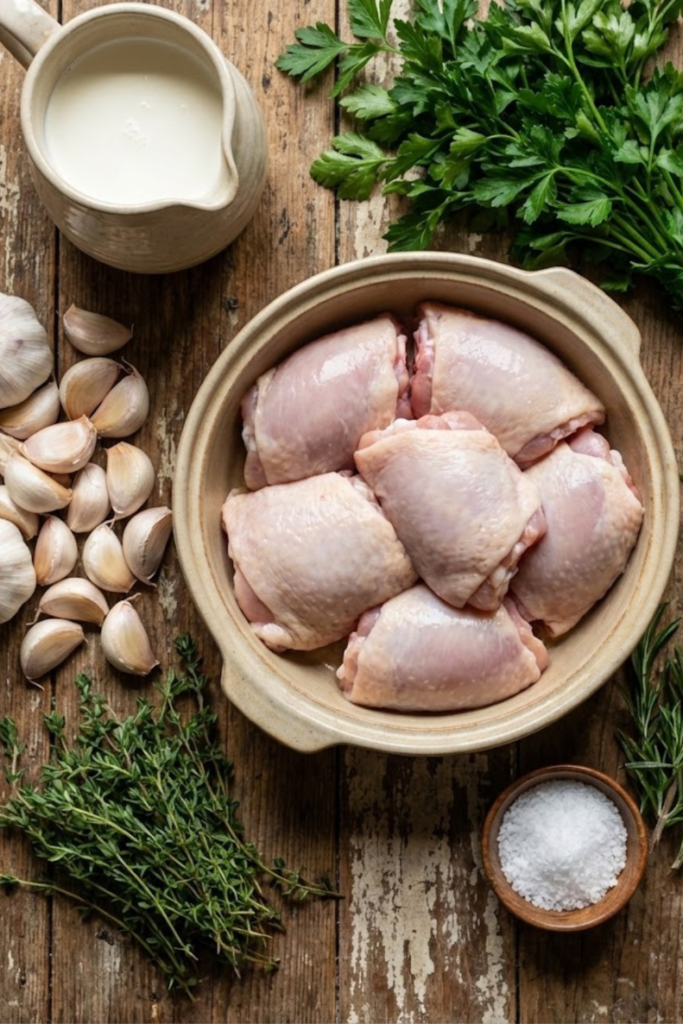
There is no such thing as too much garlic!” That’s my motto, and if you’re here, I bet it’s yours too! We are about to dive into a chicken with garlic sauce recipe that is going to change your weeknight dinner rotation forever. Seriously, this isn’t just food; it’s a warm hug on a plate.
I remember the first time I tried to make a garlic sauce—I burned the garlic instantly. It was a disaster! But after years of tweaking, I’ve found the perfect balance. This dish is savory, creamy, and undeniably robust. Whether you are a pro chef or just trying to survive until Friday, this recipe delivers big flavor with zero stress. Let’s get cooking!
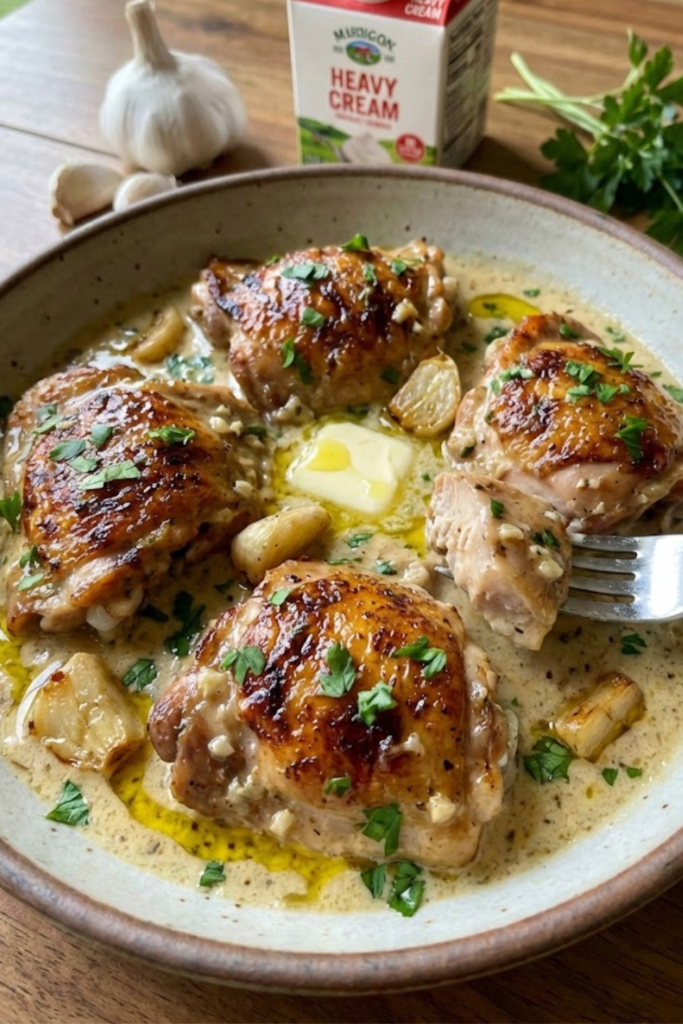
Essential Ingredients for Creamy Garlic Chicken
You might be thinking, “It’s just chicken and garlic, how hard can it be?” Well, let me tell you, I have made some absolutely rubbery mistakes in my time. I used to think I could just throw whatever was in the fridge into a pan and pray for the best. Spoilers: that doesn’t work.
When you are trying to get dinner on the table after a long day, the last thing you want is a bland sauce or tough meat. I’ve learned the hard way that the quality of your ingredients really does the heavy lifting here. You don’t need fancy stuff, but you do need the right stuff.
Why I Stick With Chicken Thighs
Look, I know a lot of people love chicken breasts. I used to buy them exclusively because I thought they were “healthier.” But for this recipe? Don’t do it.
Boneless, skinless chicken thighs are the absolute hero of this dish. They stay juicy even if you accidentally leave them in the pan a minute too long (which I do, constantly). Chicken breasts dry out so fast in this high heat. If you must use breasts, pound them thin, but honestly, thighs have way more flavor.
The Garlic Situation
Please, I am begging you, put down the jar of minced garlic. I know it saves time. I used to have a giant jar of it in my fridge door for years. But it has this weird, vinegary acid taste that just ruins a creamy sauce.
For a true chicken with garlic sauce, you need fresh cloves. Smashing them yourself releases these oils that the jarred stuff just doesn’t have. It’s sticky and annoying to peel, but the flavor difference is massive. It adds that spicy, savory kick we are looking for.
The Liquid Gold: Cream and Broth
To get that velvety texture, heavy cream is non-negotiable for me. I’ve tried using milk thickened with flour, and it was… okay. But it wasn’t great. Heavy cream reduces down into a thick, coating sauce without breaking.
If you are dairy-free, full-fat coconut milk works surprisingly well, though it changes the flavor profile a bit. Also, don’t skip the chicken broth. It cuts the richness of the cream so you don’t feel like you’re eating straight butter. A good low-sodium broth lets you control the saltiness yourself.
Fresh Herbs vs. Dried
I am usually all for dried herbs because fresh ones rot in my crisper drawer. But for the finish, fresh parsley makes the dish look like you actually tried. It adds a pop of color and a fresh, grassy bite that cuts through the fat. If you only have dried, use way less of it, but aim for fresh if you can.
Preparing the Chicken for Maximum Flavor
Okay, this is the part where patience really pays off. I used to be the person who would throw cold, wet chicken into a barely hot pan because I was starving. The result? Sad, gray meat that tasted like boiled rubber. We aren’t doing that today.
If you want that restaurant-quality taste, you have to treat the meat right before it even touches the heat.
The Art of the Sear
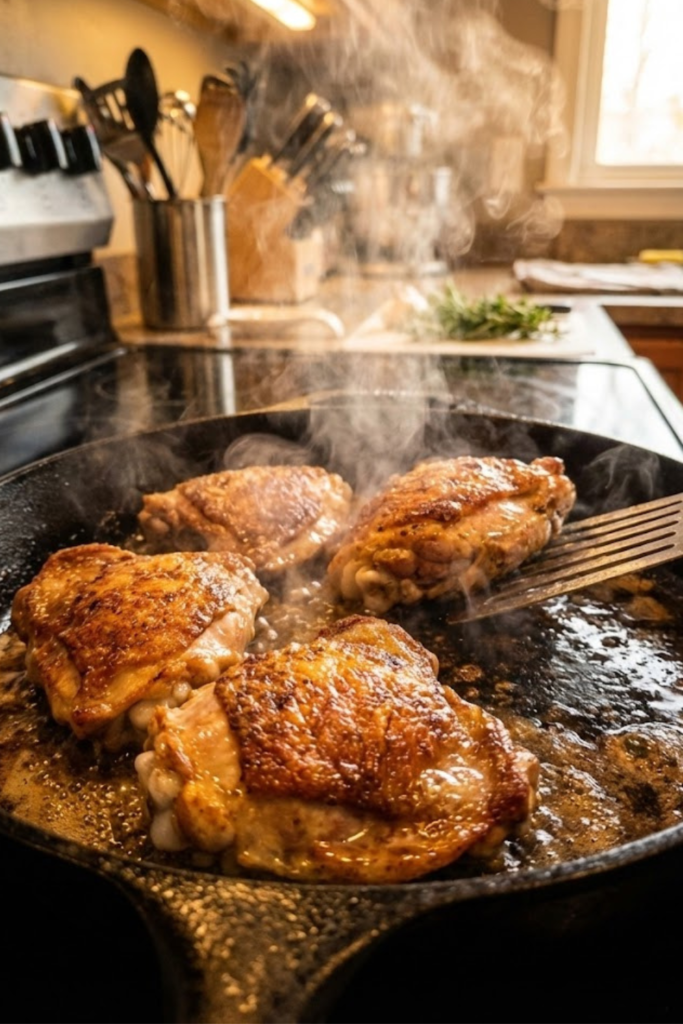
Getting that golden-brown crust isn’t just about looks; it is where all the flavor lives. I learned a trick a few years back that changed my life: pat the chicken dry with paper towels first. If the chicken is wet, it steams instead of searing.
Once you put the chicken in the hot oil, don’t touch it. I know, it’s tempting to peek. But if you try to lift it and it sticks to the pan, it’s telling you it’s not ready. Let it cook undisturbed for about 5-6 minutes on the first side. It will release naturally when it has a nice crust.
Season Early
I usually salt my chicken right when I take it out of the fridge. If you can do it 10 or 15 minutes before cooking, even better. It gives the salt time to work its way into the meat, not just sit on top.
I stick to coarse kosher salt and fresh cracked pepper. Sometimes I add a little garlic powder here too, but be careful—garlic powder burns fast in a hot skillet.
Why the Pan Matters
I have a heavy cast-iron skillet that I lift with two hands because it weighs a ton. It is my best friend for this recipe. You need a pan that holds heat well. Thin, cheap pans get hot spots and burn your food in one corner while the other side is raw.
Plus, a heavy pan creates the best “fond.” That’s a fancy word for those brown, sticky bits stuck to the bottom of the pan after you sear the chicken. Do not scrub those out! That is the base of our sauce.
The Hardest Part: Resting
Once the chicken is browned and cooked through, take it out of the pan and set it on a plate. Now, do nothing.
Seriously, let it rest for at least 5 to 10 minutes. If you cut into it right away, all those hot juices run out onto the cutting board, and your chicken ends up dry. Let the meat relax so the juices stay inside where they belong. While it rests, we can get started on the sauce.
Mastering the Rich Garlic Sauce
Now we get to the fun part. The sauce is why we are all here, right? You’ve got that pan full of leftover chicken flavor, so don’t you dare wash it. We are going to build everything right on top of those tasty brown bits.
Don’t Burn the Garlic
I used to think high heat was the only way to cook, but for garlic, it’s a killer. Turn your heat down to medium or even medium-low. Add a little knob of butter to the leftover oil in the pan.
Toss in your smashed garlic cloves. Here is the trick: keep them moving. Garlic burns if you look at it wrong, and once it turns black, it tastes bitter and ruins the whole dish. You just want it to smell amazing and turn a light golden color. It takes maybe a minute, tops.
Deglazing: The Fancy Word for Cleaning
“Deglazing” sounds like something you need a culinary degree for, but it’s actually just cleaning your pan with liquid. I usually pour in a splash of dry white wine (Pinot Grigio is my go-to). If you don’t do alcohol, chicken broth works fine too.
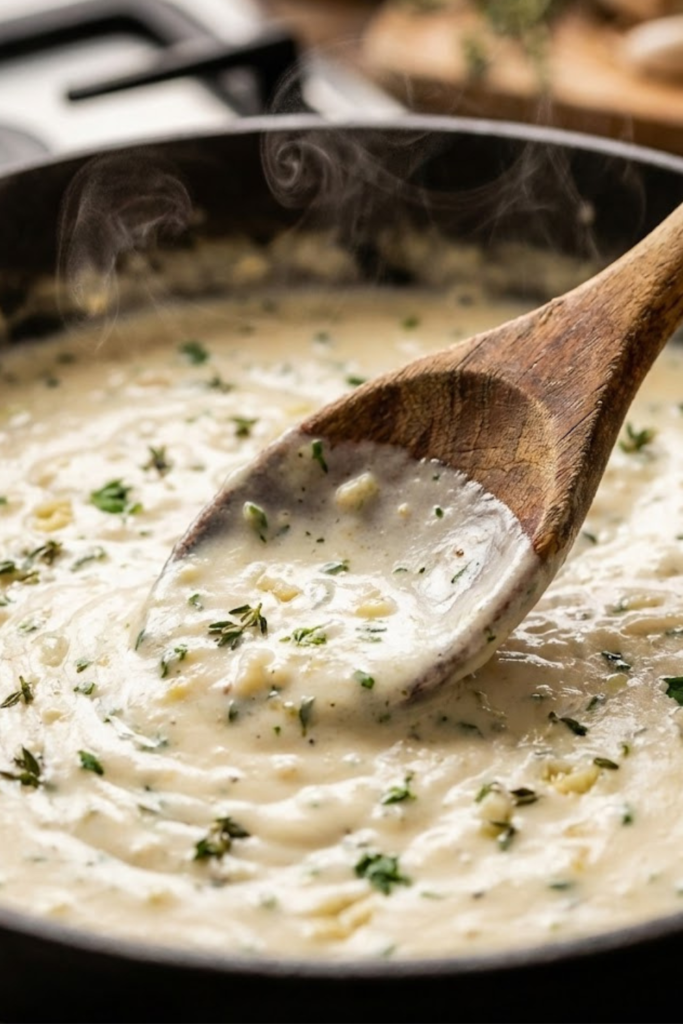
As soon as the liquid hits the hot pan, it will hiss and steam. Grab your wooden spoon and scrape up all those stuck-on bits from the chicken. That stuff melts into the liquid and gives the sauce a deep, savory taste that you just can’t get from a packet.
The Simmer Down
Once the wine or broth has reduced by about half (just eyeball it), pour in your heavy cream. This is where patience comes in.
Bring it to a gentle simmer—bubbles should be lazy, not exploding. If you boil cream too hard, it can separate and look oily. Let it cook for about 5 minutes. You want the sauce to thicken up enough to coat the back of your spoon. If you run your finger down the back of the spoon and the line stays, you are good to go.
The Final Touch
Right before you turn off the heat, taste it. Does it need more salt? Probably. Does it taste a little too rich? This is where I squeeze in a little bit of fresh lemon juice. It cuts through the heavy cream and makes the flavors pop. Stir in your chopped parsley now too, so it stays bright green.
Add your chicken (and any juices on the plate!) back into the pan. Spoon that sauce all over the meat and let it warm through for a minute. Dinner is served.
Serving Suggestions and Side Dishes
Now that you have this amazing chicken, what do you put next to it? Honestly, I have eaten this straight out of the pan with a fork, standing over the stove. No shame. But if you are actually sitting down to dinner, you need some sides to soak up that liquid gold sauce.
You don’t want to serve this with something that has a strong flavor of its own. The garlic sauce is the star here, so keep the sides simple.
Keeping it Light (Sort of)
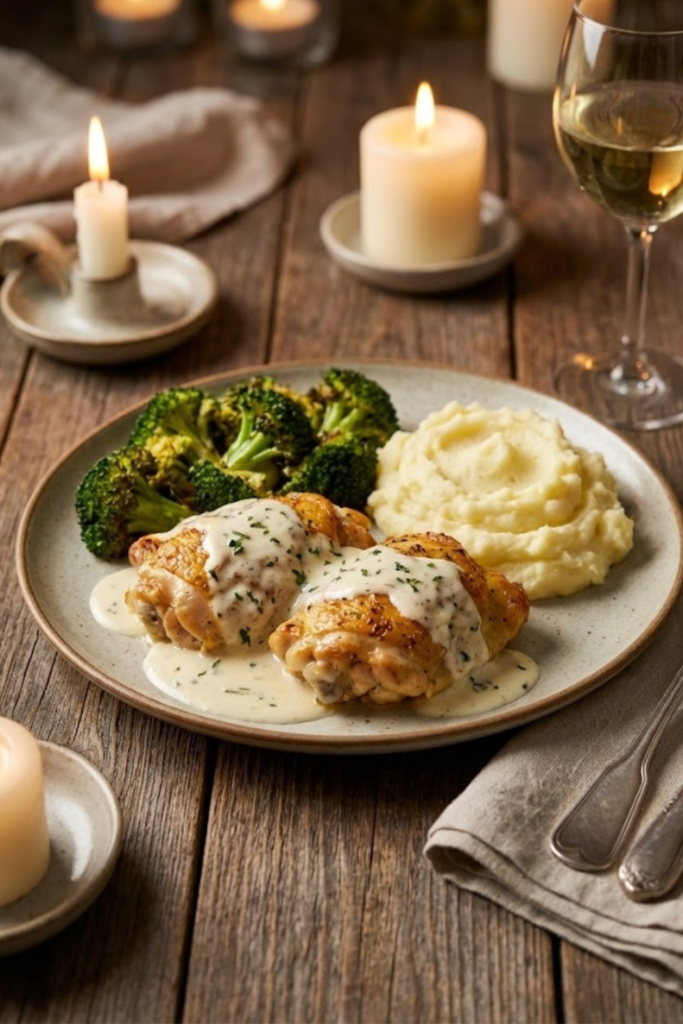
If you are trying to cut back on carbs, steamed broccoli is my favorite choice. The little florets act like sponges for the sauce. It makes eating vegetables way easier when they taste like garlic cream.
Zucchini noodles are okay too, but they can get watery if you arent careful. I actually prefer cauliflower rice; it mixes right in with the sauce and you hardly notice you are eating a vegetable.
The Comfort Route
Let’s be real, this dish belongs on mashed potatoes. A big scoop of creamy mash with garlic sauce pooled in the middle? That is heaven on a Tuesday night.
If potatoes aren’t your thing, angel hair pasta is my backup. It cooks in like 3 minutes and the thin noodles get completely coated in the sauce. My kids will lick the bowl clean if I serve it with pasta.
Don’t Forget the Bread
You are going to want a piece of crusty bread. A baguette is perfect for wiping your plate clean at the end. I hate seeing good sauce go to waste in the sink. You could do garlic bread, but that might be garlic overload (if that’s even possible).
A Little Drink
Since we used white wine to make the sauce, you might as well drink the rest of the bottle, right? A crisp, cold glass of Sauvignon Blanc or Pinot Grigio tastes great with this. The sharp, acidic taste of the wine cuts through the heavy cream so your mouth doesn’t feel too coated. It balances everything out perfectly.
Well, there you have it. That is my go-to chicken with garlic sauce recipe. It really is one of those meals that looks like you spent hours in the kitchen, but secretly, you were done in twenty minutes. It’s perfect for those nights when you are exhausted but still want something that tastes like real food.
I really hope you give this a try. Don’t worry if it isn’t perfect the first time. Cooking is all about learning what works for you. Maybe you like more lemon, or maybe you want to drown it in parsley. That’s the fun part. Just don’t skimp on the garlic!
If you make this and love it (which I totally think you will), please share it!
Pin this image to your Pinterest board so you can save it for later!