Let’s be real for a second—we have all suffered through a rubbery, flavorless piece of chicken at some point. It’s tragic! But did you know that the difference between a sad dinner and a restaurant-quality meal is often just what’s stuck to the bottom of your pan?
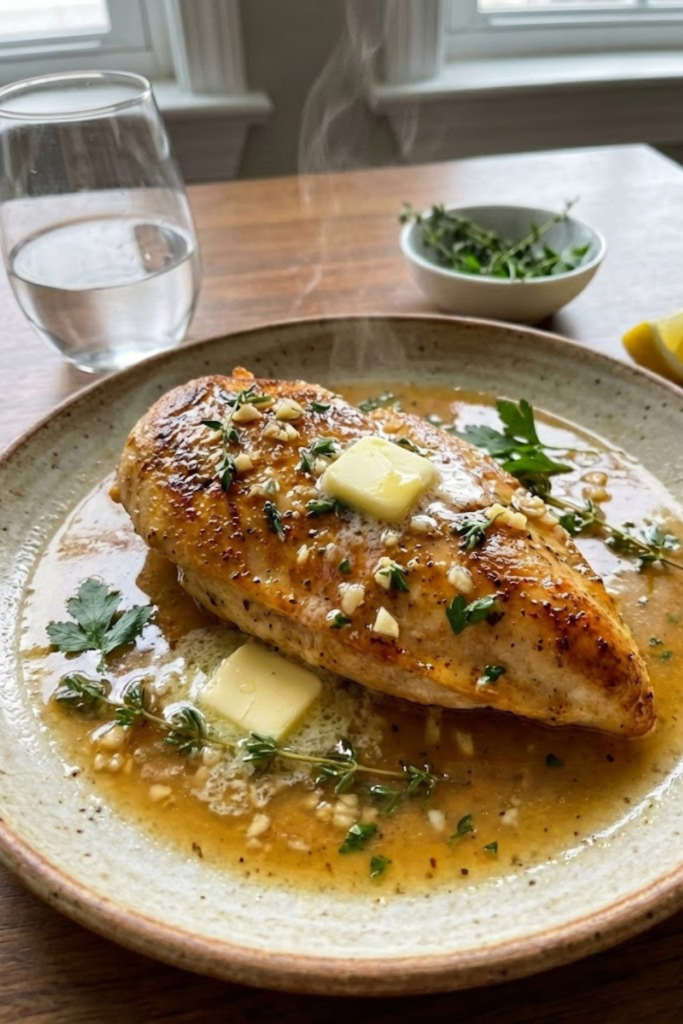
I am going to show you exactly how to master chicken breast with pan sauce. This isn’t just a recipe; it’s a technique that will save your weeknight cooking forever. We are talking crispy skin, juicy meat, and a sauce so good you’ll want to drink it. Grab your skillet, and let’s get cooking!
Selecting the Perfect Chicken Breast for Pan Frying
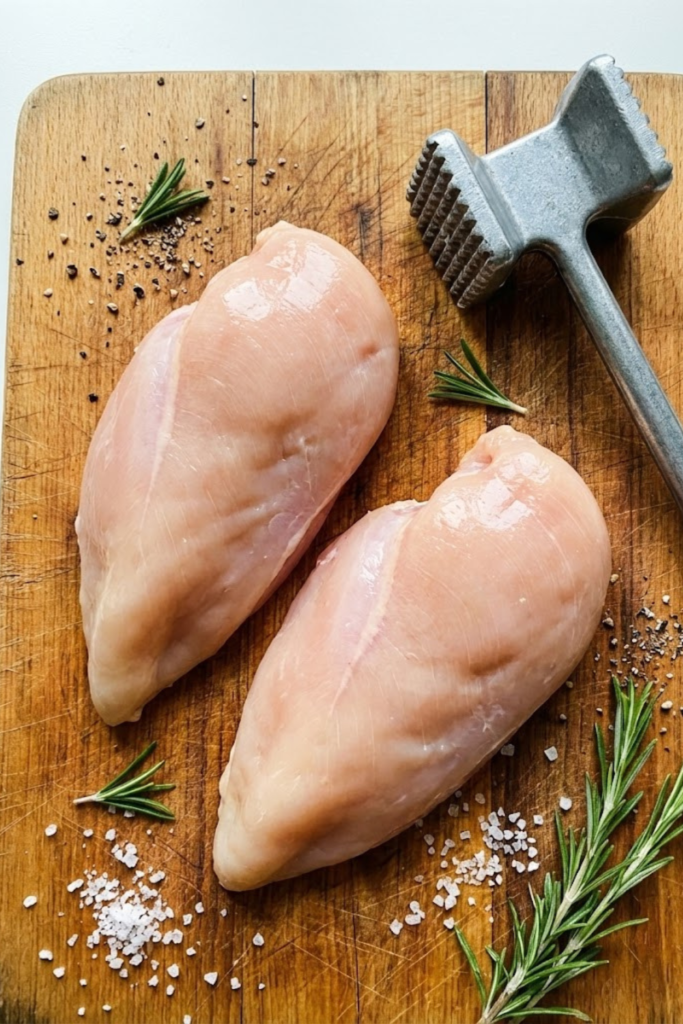
When I first started cooking dinner for my family, I honestly thought all chicken was exactly the same. I would just grab the biggest package with the lowest price tag and throw it in the cart. Big mistake. I usually ended up with these massive, rubbery pieces of meat that tasted like absolutely nothing. If you want that restaurant-quality golden crust and a juicy inside, you actually have to be a little picky at the grocery store before you even think about turning on the stove.
Why I Only Buy Air-Chilled Now
Here is a trick that completely changed my cooking game. Most of the poultry you see in the standard cooler is “water-chilled.” This means the processors dunk the birds into giant vats of cold, chlorinated water to cool them down quickly. The meat acts like a sponge and absorbs a lot of that water.
When you throw a water-chilled breast into a hot pan, all that extra water comes pouring out. Instead of searing and getting brown, your dinner ends up steaming in a puddle of gray liquid. It looks gross and it doesn’t taste great. Now, I always look for “air-chilled” on the label. These birds are cooled with cold air blasts. Yes, it costs a dollar or two more, but you are paying for meat, not expensive water. The flavor is much stronger, and the skin gets way crispier because it is dry.
Avoid the “Woody” Texture
Have you ever bitten into a cooked piece of chicken and it felt weirdly crunchy or stringy? That is what chefs call “woody breast.” It happens a lot with those monster-sized breasts that are grown too fast. They look huge, but the texture is terrible.
I try to buy smaller organic breasts if I can fit them in the budget. They are usually much more tender. When you look at the package, check the bottom of the tray. If there is a ton of pink liquid sloshing around, put it back. You want the meat to look pink and dry, not wet and slimy.
The Prep Work: Pounding it Out
Even if you buy the best meat, chicken breasts are shaped weird. They are thick in the middle and thin at the end. If you cook them like that, the thin tail dries out like jerky before the thick middle is even safe to eat.
I grab a heavy rolling pin (or a heavy skillet if I can’t find it). I put the meat between two pieces of plastic wrap and give it a few good whacks until it is an even thickness all the way across. It’s great for getting out frustration after a long day teaching, and it makes sure your dinner cooks evenly in half the time.
The Temperature Rule
This is the step I used to skip because I was always in a hurry to get food on the table. Do not take cold meat and put it straight into a hot pan. It seizes up and gets tough. I take my chicken out of the fridge about 15 or 20 minutes before I cook. I just let it sit on the counter while I chop my garlic or wash the veggies. Taking the chill off helps the meat relax so it stays tender.
The Science of the Sear: Mastering the Maillard Reaction
I used to think that “searing” just meant burning the outside of the meat while hoping the inside actually cooked. I can’t tell you how many times I set off the smoke alarm in my apartment trying to get that perfect brown crust. My neighbors probably hated me. But eventually, I learned that there is actual science behind why browned food tastes better. Chefs call it the “Maillard reaction.” It sounds fancy, but it really just means that high heat changes the proteins and sugars on the surface of the chicken to create flavor.
If you skip this step or do it wrong, you miss out on the best part of the dish. You aren’t just cooking the meat; you are building the foundation for the sauce we are going to make later.
Ditch Your Non-Stick Skillet
This was a hard lesson for me because I hate doing dishes. I used to cook everything in a non-stick pan because clean-up was a breeze. But here is the thing: non-stick pans are actually too good at their job for this recipe.
To make a great pan sauce, you need the chicken to stick a little bit. You want it to leave behind those brown, sticky bits on the bottom of the pan. That stuff is called “fond,” and it is pure flavor gold. If you use non-stick, the chicken slides around, and you don’t get enough fond. Now, I always use my heavy stainless steel skillet or a cast iron pan. They hold heat better and help create those crispy bits we need.
Finding the Right Heat
One of the biggest mistakes I see people make is being afraid of the heat. If your pan isn’t hot enough, the chicken will just sit there and turn gray. You want to get your pan to a medium-high heat.
Here is how I test it: I add a splash of high-heat oil (like canola or vegetable oil, not fancy olive oil) and wait for it to shimmer. It should look like it’s rippling. If you see wisps of white smoke, that is okay! It means you are ready. If the oil starts smoking like crazy and turns black, take it off the heat for a minute. You want a sizzle, not a fire drill.
The Hardest Part: Don’t Touch It!
This takes serious willpower. Once you lay that chicken into the hot pan, you are going to want to poke it. You will want to check underneath to see if it is burning. Don’t do it.
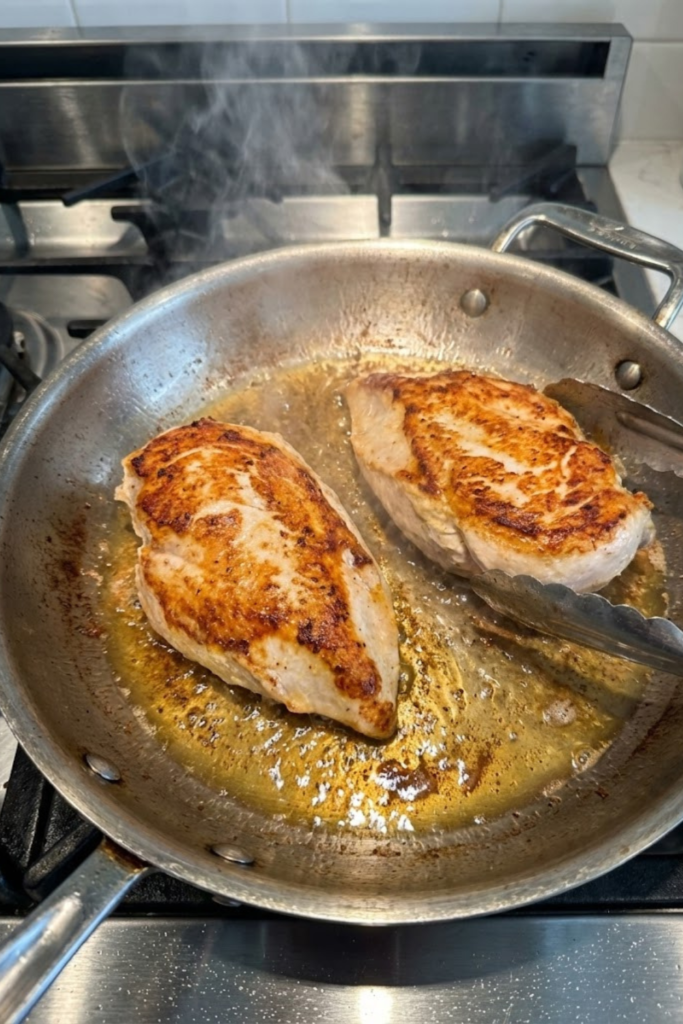
I tell my students that patience is a skill, and it applies here too. When you put the chicken down, let it sit undisturbed for at least 5 to 6 minutes. If you try to lift it and it feels stuck to the pan, it is trying to tell you something. It’s not ready. When the crust is perfectly golden and crispy, the chicken will actually release itself from the metal naturally. If you rip it up too early, you leave all that delicious flavor stuck to the pan instead of on your dinner. Just let it be.
Creating the Pan Sauce: The Art of Deglazing
Okay, take a deep breath. The hard part is over. You have successfully seared your chicken, and it is resting on a plate nearby. Now, look down at your pan. If you are anything like I used to be, you probably see a brown, crusty mess and have the urge to throw it in the sink with some hot soapy water.
Please, stop right there!
What you are looking at isn’t a mess to be scrubbed away. It is the secret ingredient that restaurants use to make their food taste incredible. We are about to do something called “deglazing.” It sounds like a fancy French term that requires a culinary degree, but it really just means cleaning the pan with liquid while cooking.
Understanding the “Fond”
That sticky brown stuff welded to the bottom of your skillet has a name. Chefs call it “fond.” Basically, it is caramelized proteins and sugars that dropped off the chicken while it was searing. It is concentrated flavor. Think of it like a bouillon cube, but a million times better because you made it yourself.
If you taste a little bit of it right now (be careful, the pan is hot!), it might taste a little bitter or too salty on its own. But once we dissolve it into a liquid, it transforms into a deep, savory base for our sauce.
Choosing Your Liquid Weapon
You need a liquid to lift that fond off the metal. I almost always use dry white wine, like a Sauvignon Blanc or Pinot Grigio. I usually have a bottle open in the fridge (or a glass in my hand while I grade papers), and the acid in the wine cuts through the heaviness of the meat perfectly.
If you don’t cook with alcohol, that is totally fine. Chicken broth works great, too. In a pinch, I have even used plain water with a squeeze of lemon juice. The liquid doesn’t matter as much as the temperature—it hits the hot pan and creates steam, which loosens everything up.
The Scrape and Simmer
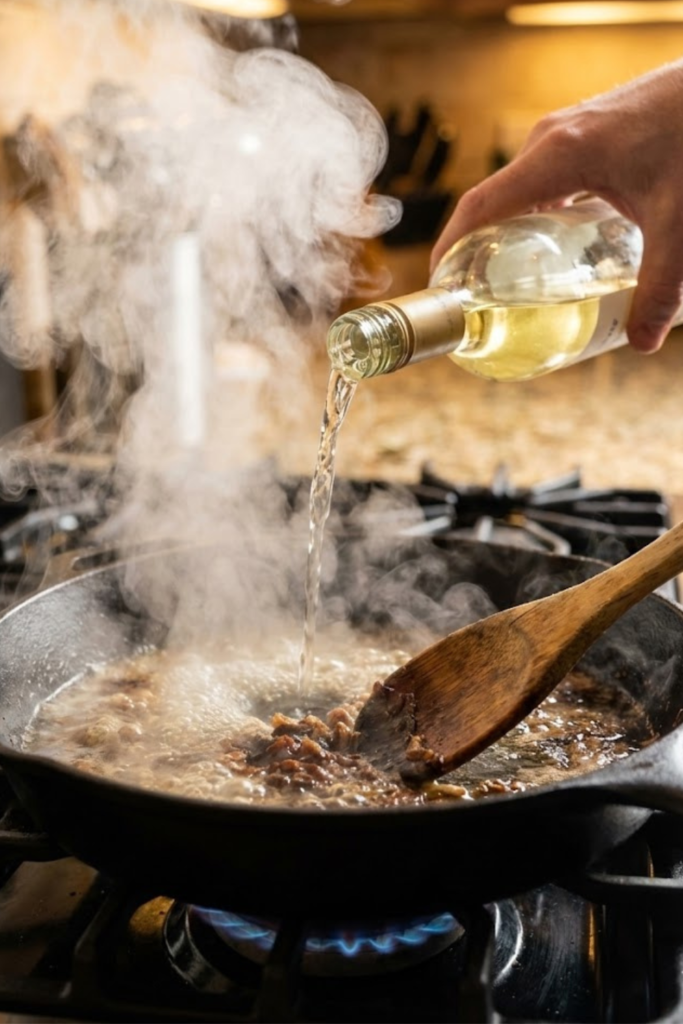
Here is how it goes down. Turn the heat down to medium so you don’t burn anything. Pour in about half a cup of your wine or broth. It is going to hiss and sputter loudly—don’t let it scare you. A big cloud of steam will come up, and suddenly your kitchen is going to smell amazing.
Immediately grab a flat-edged wooden spoon. Do not use metal on metal if you can avoid it, and definitely don’t use plastic that might melt. Scrape the bottom of the pan firmly. You want to feel the spoon lifting those brown bits up. As you scrape, the liquid will turn a dark, rich brown color. That is the fond dissolving. Let this bubble for about 3 or 4 minutes. You want the liquid to reduce by about half, getting slightly thicker as the water evaporates. This concentrates the flavor even more.
Aromatics and Finishing Touches for Maximum Flavor
So, we have our liquid bubbling away in the pan, smelling like wine or broth. It has reduced down a bit, but honestly, it is still kind of thin and watery. If you poured it over your chicken right now, it would just run off onto the plate. This is the moment where we turn a simple cooking liquid into a real sauce. It is all about layering flavors.
Adding the Good Stuff
I used to make the mistake of throwing my minced garlic in with the chicken right at the beginning. By the time the chicken was cooked, the garlic was burnt black and tasted bitter. Yuck. Now, I wait until the liquid is in the pan.
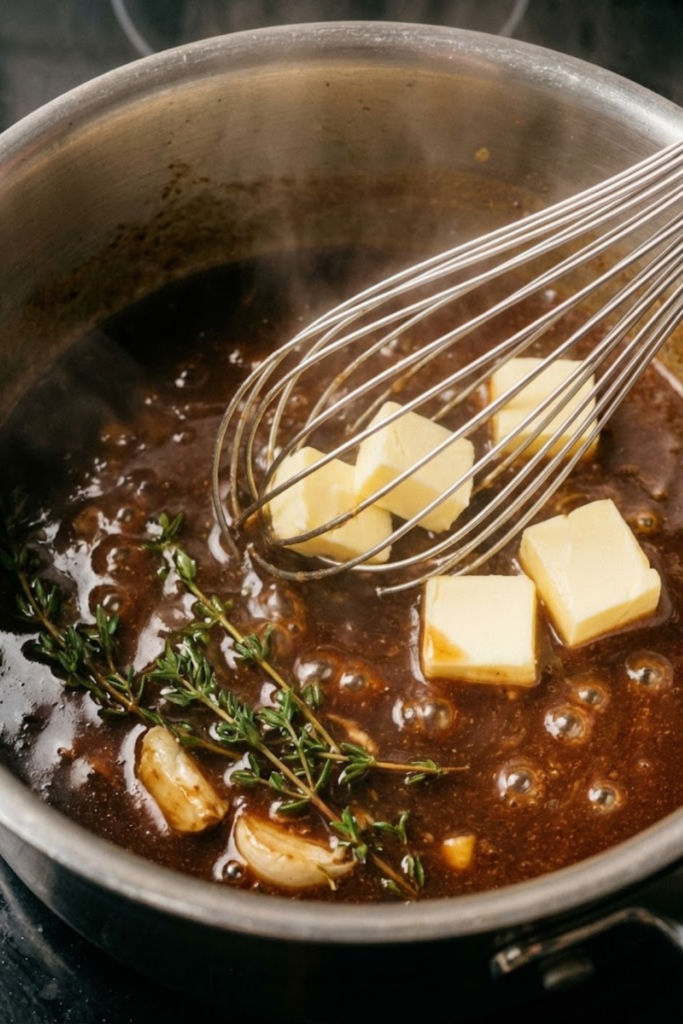
Once the wine has bubbled for a minute, I toss in my aromatics. I love using a shallot if I have one—they are like onions but sweeter and milder. I mince it up real small so it melts into the sauce. Then comes the garlic and maybe a sprig of fresh thyme or rosemary from the little pot on my windowsill. Because there is liquid in the pan, the garlic won’t burn; it just gets soft and gives up its flavor. It smells incredible.
The Secret Ingredient: Cold Butter
This is the part that blows everyone’s mind. It is a classic French trick called “monter au beurre,” which just means “mounting with butter.” But you don’t need to speak French to do it. You just need a couple of cubes of cold butter. And I mean cold—right out of the fridge.
Turn the heat off completely. This is important! If the pan is too hot, the butter will just melt into oil and separate. You want it to emulsify. Drop the cold butter into the sauce and start whisking like crazy or swirling the pan around. As the butter melts slowly, it thickens the sauce and makes it look glossy and shiny. It adds this rich, velvety texture that you just can’t get with anything else. It coats the back of a spoon perfectly.
Waking it Up with Acid
We are almost there. Taste your sauce. It is rich and savory, right? Sometimes it can be a little too rich with that butter. It needs a wake-up call.
I always finish with a tiny squeeze of fresh lemon juice or a splash of vinegar. It cuts through the fat and makes the other flavors pop. It is like adding a pinch of salt to chocolate chip cookies—you don’t taste the salt, but it makes the chocolate taste better. Just a few drops, stir it in, and you are ready to plate. Drizzle that liquid gold over your chicken immediately.
Serving Suggestions and Pairings
You have done the work. You pounded the chicken, you waited patiently for the sear, and you whisked that butter into a sauce that smells like heaven. Do not—I repeat, do not—just slap this on a cold plate and call it a day. The way you serve this dish is almost as important as how you cooked it. You need sides that are going to respect that sauce.
The Sauce Soakers
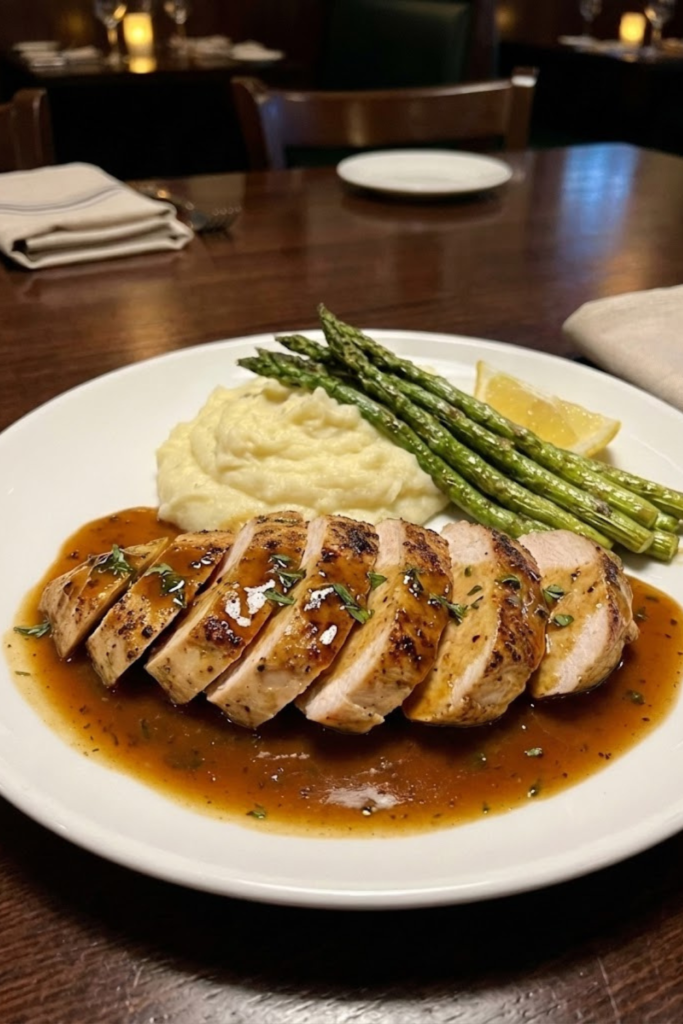
The pan sauce is the star here. It is rich, salty, and tangy. You need a carbohydrate that is going to act like a sponge. My absolute favorite thing to serve this with is mashed potatoes. I’m talking about the creamy kind with plenty of milk and butter. I like to make a little well in the middle of the potatoes and pour the extra pan sauce right in there. It is basically the best gravy you will ever have.
If I am too tired to peel potatoes on a Tuesday night (which happens a lot), I will just make some quick rice. Rice is great because it grabs onto the flavor. Or, if I am being really lazy, I just grab a loaf of crusty French bread from the bakery. Tearing off a chunk of bread and wiping the plate clean is honestly the best part of the meal. My kids fight over who gets to “clean” the skillet with the last piece of bread.
Add Some Green
Since the chicken and the sauce are pretty heavy with the butter and oil, you need something fresh to balance it out. You don’t want a heavy casserole on the side. I usually go for something bright and green.
Roasted asparagus is perfect because you can just throw it in the oven while the chicken is cooking on the stove. By the time the chicken is resting, the asparagus is done. Steamed green beans with a little lemon zest are also a solid choice. Sometimes, I just toss some mixed greens with a simple vinaigrette. The vinegar in the salad dressing goes really well with the lemon in the pan sauce. It makes the whole meal feel lighter, so you don’t feel like you need a nap immediately after dinner.
What to Drink
Now, I am no expert on fancy drinks. I usually just drink whatever is on sale. But I have learned that with this dish, you want a white wine. Since we used white wine to deglaze the pan, drinking the same kind of wine with dinner is a slam dunk.
I usually go for a Sauvignon Blanc or a Pinot Grigio. They are crisp and acidic (that just means they taste kind of tart like an apple). That tartness cuts right through the buttery sauce and cleans your palate. If you are serving this to company, it makes you look like you really know what you are doing. If you don’t drink alcohol, an iced tea with lemon works just as well to cut the richness.
Well, we made it to the end of the lesson! If you have read this far, you are officially ready to say goodbye to dry, boring chicken forever. It is funny to think that for so many years, I just accepted that chicken breast was supposed to be tough and flavorless. I thought that was just the price you paid for eating a healthy dinner. But now we know better. It really is kind of magical how just a few simple changes—like not overcooking the meat and using a splash of wine—can turn a regular Tuesday night meal into something that tastes like it came from a fancy bistro.
A Quick Recap of the “Golden Rules”
Before you head to the kitchen, let’s just review the big takeaways one last time. Think of this as your cheat sheet before the final exam. First, dry that chicken off! If it is wet, it won’t brown. Second, let the pan do the work. If you try to flip the meat and it is sticking, it is telling you to leave it alone. Patience is the hardest ingredient to add, but it is the most important one. And finally, never, ever waste the fond. Those little brown bits stuck to the bottom of the skillet are not dirt; they are the flavor bomb that makes the whole dish work.
Make It Your Own
The best part about this technique is that once you get the hang of it, you can change it up however you want. You don’t have to stick to the exact script. Maybe next time you want to use mushrooms and cream for a richer sauce. Or maybe you want to use lime juice and cilantro for a completely different vibe. The method stays the same: sear, remove, deglaze, mount with butter. Once you know the steps, you can cook pretty much anything without needing a recipe card in front of you.
I really hope you give this a try tonight. It is one of those skills that makes you feel like a real pro in the kitchen. Even if you mess it up a little the first time—maybe the sauce breaks or the chicken is a tiny bit dry—it is still going to be better than what you were making before. Cooking is all about practice, right?
Call to Action: Did this recipe save your dinner? If you found this guide helpful, please do me a huge favor and Pin it to your “Weeknight Favorites” board on Pinterest! It helps other home cooks find these tips, and I’d love to see your photos if you try it out. Happy cooking!