I remember coming home after a long day of teaching, staring at a plain pack of meat, and feeling totally uninspired. We’ve all been there, right? I used to just throw it in the pan, and it would come out dry as a bone. But then I tried this simple chicken breast with paprika recipe, and it honestly changed my weeknights forever. The smoked paprika gives it this amazing crust that keeps all the juice inside, so you don’t feel like you’re eating cardboard. It’s quick, cheap and even my pickiest eaters asked for seconds!
Why Paprika is the Secret Weapon for Flavorful Chicken
I used to think that making good chicken meant I needed some fancy, expensive sauce or a complicated marinade that took hours to prep. I was wrong. For the longest time, my chicken dinners were just… sad. They were pale, rubbery, and totally boring. It wasn’t until I started really playing around with my spice rack that I realized the answer was sitting right there in that little red jar. Paprika isn’t just a garnish you sprinkle on deviled eggs to make them look pretty; it is the absolute workhorse of my kitchen now.
Understanding the Different “Personalities” of Paprika
One thing that confused me for years was why some recipes tasted smoky and others just tasted mild. It turns out, not all paprika is the same. It’s like having students in a classroom—they all have different personalities.
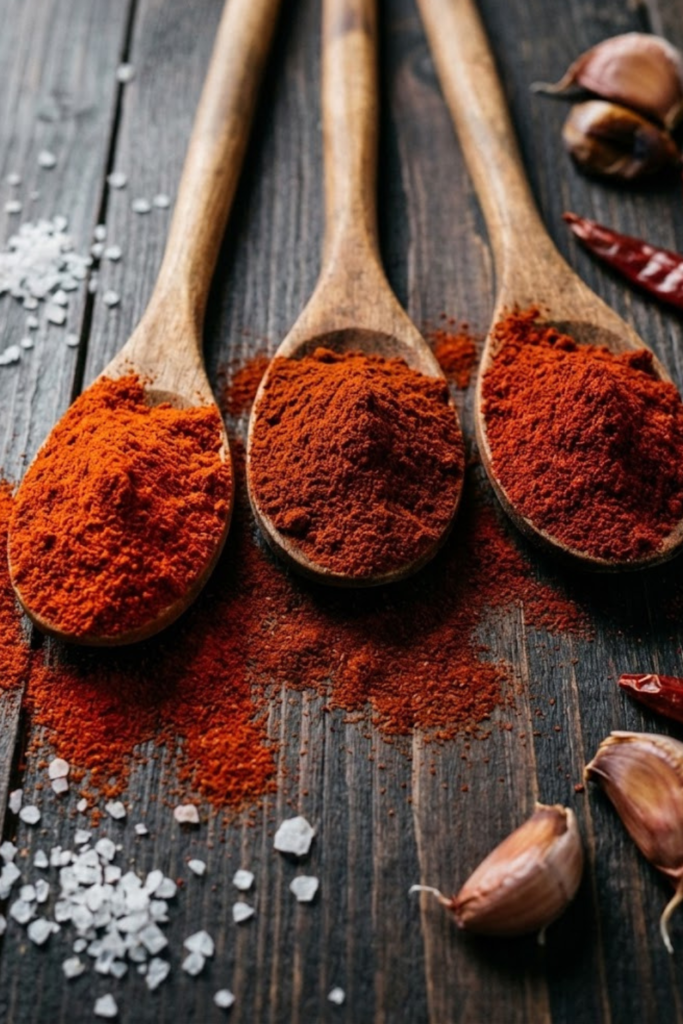
- Sweet Paprika: This is usually what you get when the bottle just says “Paprika.” It’s mild and fruity. I use this when I want that gorgeous red color without overpowering the meat. It’s very safe for kids.
- Smoked Paprika (Pimentón): This is my personal favorite. The peppers are smoke-dried before grinding. It gives the chicken a taste like it came right off a charcoal grill, even if I just cooked it on my stove on a rainy Tuesday.
- Hot Paprika: Be careful with this one! I once grabbed this by mistake instead of the sweet kind, and let’s just say my husband needed a big glass of milk with dinner. It adds a genuine kick.
The Magic of the “Paste”
Here is the real reason paprika works so well for chicken breast. When you mix a generous amount of paprika with olive oil, it doesn’t just sit on top of the meat. It creates a sort of thick paste or “sludge.”
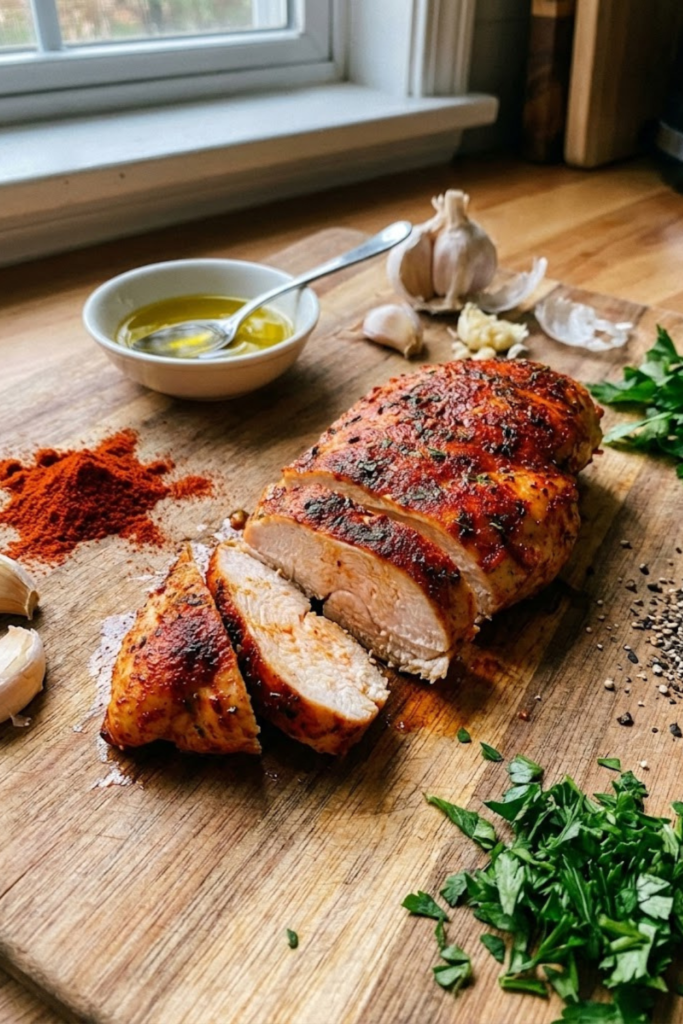
Why does this matter? Well, chicken breast is lean. It has no fat of its own to keep it moist. When you coat it in that paprika-oil mixture, you are essentially creating a protective layer. When that layer hits the hot pan, the sugars in the paprika caramelize instantly. This creates a beautiful, dark red crust that seals the juices inside. It’s the difference between a dry, chewy piece of meat and one that is tender and juicy.
It’s a Healthy Flavor Boost
As a teacher, I’m always trying to stay healthy so I have enough energy to get through the day. What I love about using paprika is that it adds a massive amount of flavor without adding calories, sugar, or weird preservatives. It’s just ground-up peppers. It allows me to make a meal that tastes rich and indulgent, like something from a restaurant, but it’s actually good for my heart. It transforms a plain, budget-friendly protein into something I actually look forward to eating all day.
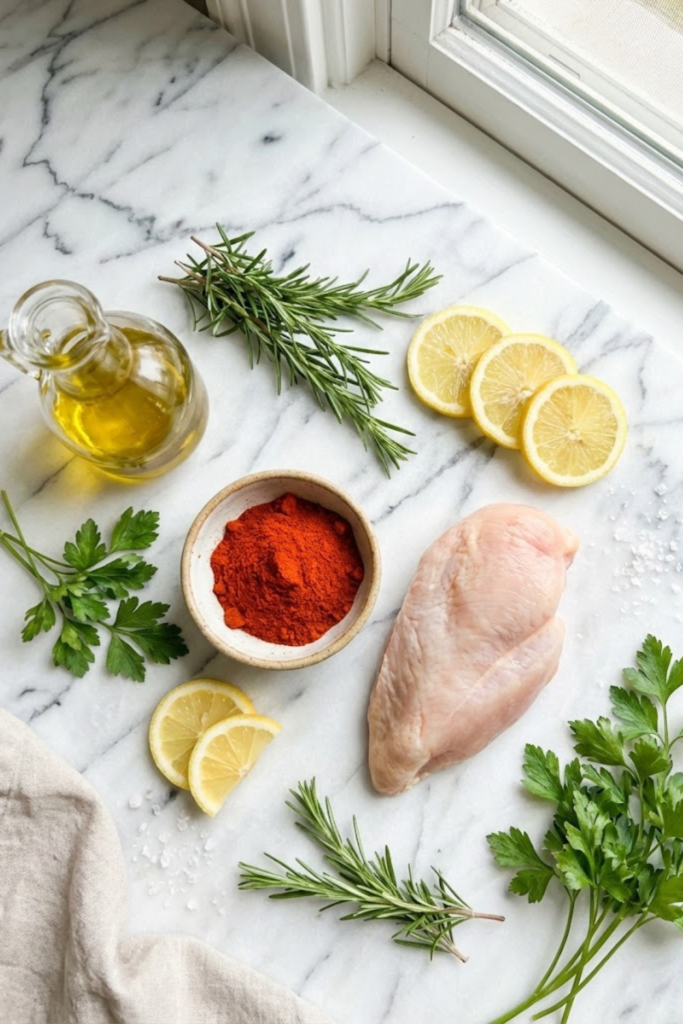
Essential Ingredients for Your Paprika Chicken Marinade
You might be thinking, “It’s just chicken, how hard can it be to pick ingredients?” Trust me, I used to think the exact same thing. I would just grab the cheapest pack of meat and whatever spices were sitting in the back of my cupboard. But after serving my family tough, flavorless dinners one too many times, I realized that a few small changes in what I bought made a huge difference. You don’t need to spend a fortune, but you do need to pick the right team players for this marinade to work.
Starting with the Chicken
Obviously, the star of the show is the chicken. I usually look for boneless, skinless chicken breasts. If I can catch them on sale, I buy the “air-chilled” kind. I noticed they release less water when they cook, which means they brown better instead of just steaming in their own juices. But hey, if standard chicken is what fits the budget this week, that is totally fine too! Just make sure you take a minute to trim off any little bits of fat or gristle. Nobody likes biting into that.
The Oil is the Glue
Please, do not skip the oil! I used to be terrified of adding fat to my cooking because I was trying to be “healthy.” But for this recipe, the oil is actually really important. It acts like a glue that holds all that delicious paprika onto the meat. Without it, the spices just fall off or burn in the pan. I stick to olive oil because I love the taste, but avocado oil works great too if you have that. You need enough to coat the chicken completely so it looks shiny and red.
The Acid and the Extras
Here is a little trick I learned from watching cooking shows on the weekends: you need a splash of acid. I almost always use lemon juice. It does something scientific to the meat—it breaks down the fibers just a little bit so the chicken gets tender. If I’m out of lemons, a tiny splash of apple cider vinegar works in a pinch.
Finally, we have the supporting cast. While paprika is the main flavor, it needs help. I always add garlic powder (fresh garlic burns too fast for me), onion powder, and dried oregano. The oregano gives it a nice earthy smell that makes the whole kitchen smell amazing. When you mix all of this together—the oil, the lemon, the spices—you get a marinade that smells so good you know dinner is going to be a win before you even turn on the stove.
Step-by-Step Guide: How to Cook Chicken Breast with Paprika
Alright, this is where the rubber meets the road. Or, I guess, where the chicken meets the pan. I used to get so nervous cooking chicken breast because the line between “undercooked and scary” and “overcooked and dry” feels super thin. But after making this about a hundred times for my family, I’ve got a routine down that works pretty much every time. You don’t need a degree in culinary arts, you just need to follow the steps and trust the process.
Getting the Chicken Ready
Here is a step I skipped for years because I was lazy: pounding the chicken. I know, it sounds like extra work, and honestly, coming home after grading papers, I didn’t want extra work. But chicken breasts are naturally uneven—thick on one end and thin on the other. If you cook them like that, the thin end turns to leather before the thick end is safe to eat. So, I put the chicken between two pieces of plastic wrap and give it a few whacks with a meat mallet (or a heavy rolling pin). You want it to be even thickness all the way across. This way, it cooks at the same speed.
The Searing Technique
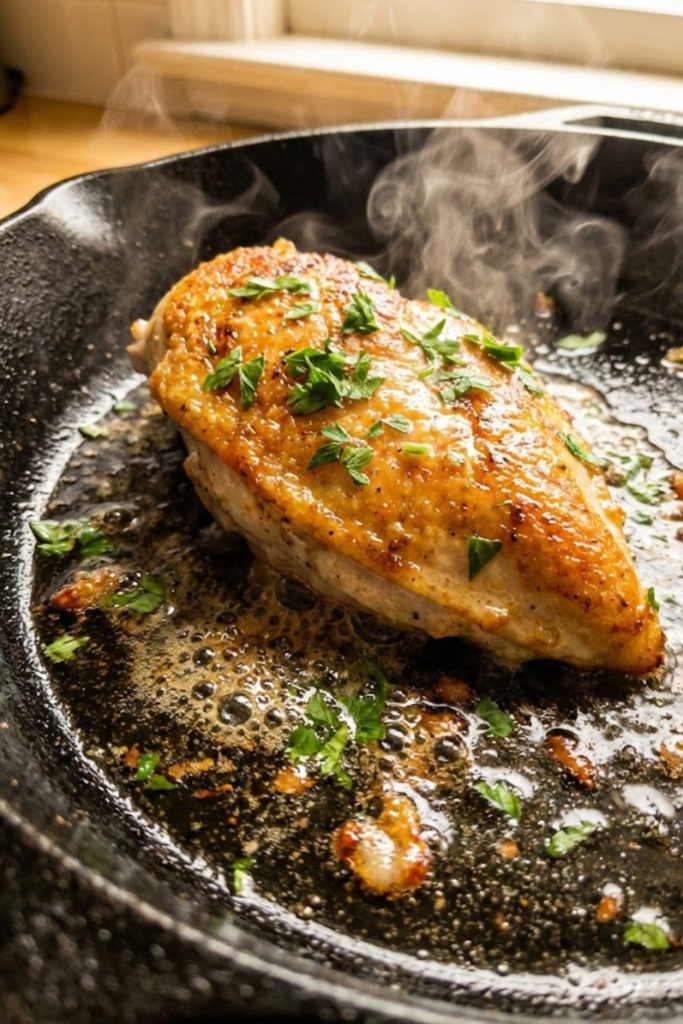
Once the chicken is coated in that red paprika paste we made, get your pan hot. I use a heavy skillet, like cast iron, because it holds heat really well. Add a little oil and wait until it shimmers. When you put the chicken in, it should sizzle immediately. If it doesn’t sizzle, the pan isn’t hot enough, take it out and wait. Here is the hardest part for me: don’t touch it. I used to be a chronic “flipper,” constantly moving the meat around. You have to let it sit undisturbed for about 4 to 5 minutes. This is how that paprika sugar caramelizes and creates that gorgeous, dark crust. If you try to lift it and it sticks, it’s telling you it’s not ready.
Finishing and The Golden Rule
Flip it over and cook the other side. Since we pounded it flat, it should only take another 3 or 4 minutes. I use a cheap meat thermometer to check—once it hits 165°F, get it out of the pan immediately. Now, listen to me closely because this is the Golden Rule: Do not cut into it yet. I know it smells amazing. I know the kids are hungry. But if you cut it now, all those juices will run out onto the cutting board, and your chicken will be dry. Let it rest on a plate for 5 or 10 minutes. This lets the juices settle back into the meat. It makes a huge difference.
Serving Suggestions and Side Dishes
Getting the chicken cooked perfectly is a huge win, but then I usually stand there staring at the stove thinking, “Okay, but what are we actually eating this with?” Since the paprika gives the meat such a bold, smoky flavor, you don’t want side dishes that are too crazy. You want things that will soak up those juices or cool down your mouth if you used the hot stuff.
The Perfect Carb Pairings
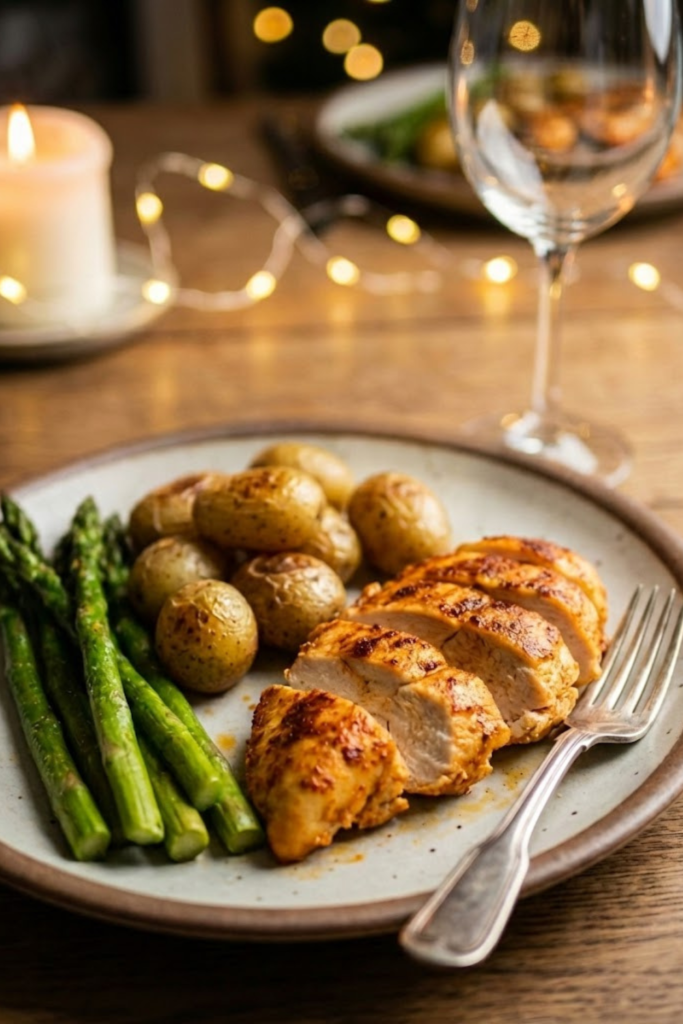
If I have the time, roasted potatoes are the absolute best thing to serve with this. I usually just chop up some yellow potatoes, toss them in a bowl with olive oil and—you guessed it—a little more paprika and salt. I throw them in the oven at the same time I’m prepping the chicken. They come out crispy and perfect. If it’s one of those nights where I’m running late (which is most nights), I just make a pot of white rice or couscous. I like to stir a little butter and parsley into the rice right before serving. It acts like a sponge for any of that delicious red oil left in the skillet. My kids actually fight over who gets the “sauce rice.”
Adding Some Greens
Since the chicken and potatoes can be kind of heavy, I like to have something fresh on the plate too. A simple cucumber salad is my go-to. I just slice cucumbers really thin and toss them with vinegar and a pinch of sugar. The crunch is a nice break from the soft chicken. If it’s winter and I want something warm, garlic green beans are a lifesaver. I steam them in the microwave for three minutes (don’t judge, it’s fast!) and then toss them in the pan with the chicken for the last minute of cooking. They pick up all that leftover flavor from the pan.
A Cool Sauce for Dipping
This is totally optional, but if you want to feel fancy, mix a little plain Greek yogurt with lemon juice and a pinch of salt. It makes a cool, creamy sauce that tastes amazing with the smoky chicken. It’s basically a cheat version of a sauce you’d get at a Mediterranean restaurant, but it takes thirty seconds to make.
So there you have it. That is my secret to making chicken that doesn’t taste like sad, dry leftovers. It really doesn’t have to be complicated to be good. I know how tiring it is to stand in the kitchen after a long day of work, just wanting to order pizza. But having this simple recipe in my back pocket has saved me so much money and stress. It’s fast, it’s cheap, and the flavor is just so much better than anything I can get from a takeout box.
If you are feeling a little brave, try using the hot paprika next time! I did it once by accident and realized I actually kind of liked the heat, though my kids drank a gallon of milk. Cooking should be fun, even on a Tuesday night.
If you loved this recipe or found it helpful, please do me a huge favor and pin this to your Pinterest Dinner Board! It helps other home cooks find it, and it helps me keep sharing these little wins with you. Happy cooking!