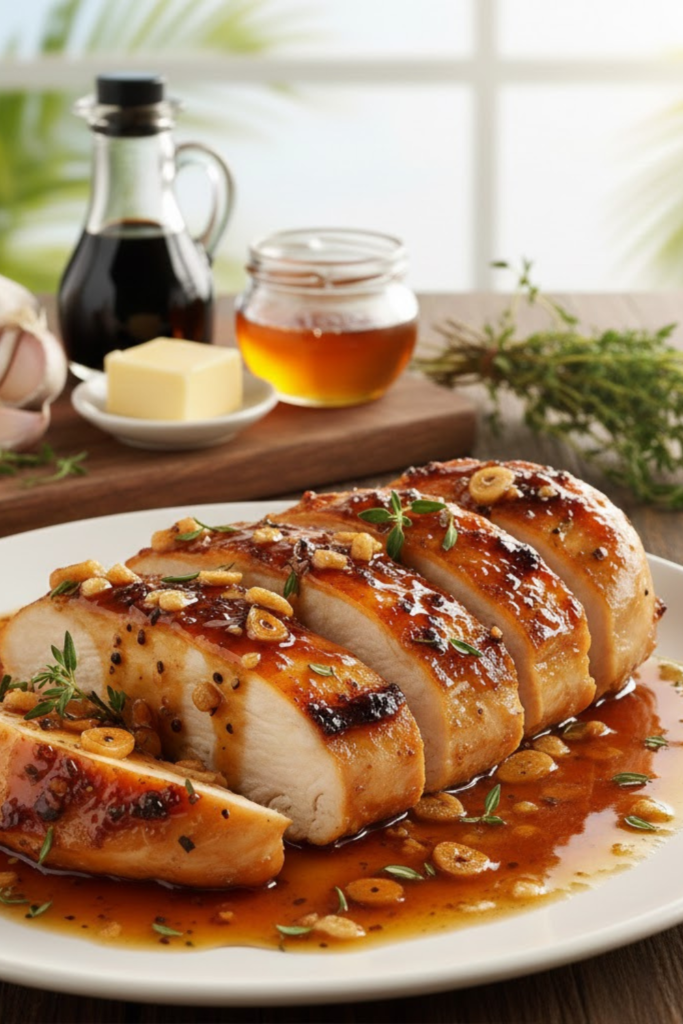
I’ve always said that a kitchen without the smell of garlic and herbs is just a room with a fridge! Did you know that over 70% of home cooks struggle with dry poultry? It’s a total bummer when you spend an hour cooking only to bite into something that tastes like a yoga mat. Well, forget those days! Today, we are diving deep into the art of making chicken with savory sauce that is so tender it practically melts.
We’re talking big flavors, sticky pans, and that “tastes like a five-star restaurant” vibe right at your kitchen table.
The Secret to Searing: Getting that Golden Crust
I still remember the first time I tried to make chicken with savory sauce for my in-laws. I was so nervous I practically hovered over the stove like a hawk!. I made the classic rookie move: I kept flipping the meat every thirty seconds because I was terrified of burning it. The result was this sad, grey, rubbery mess that looked more like boiled plastic than a five-star dinner. It was a total disaster, and we ended up ordering pizza, which was super embarrassing for a teacher who claims to know her way around a kitchen.
Crank Up the Heat
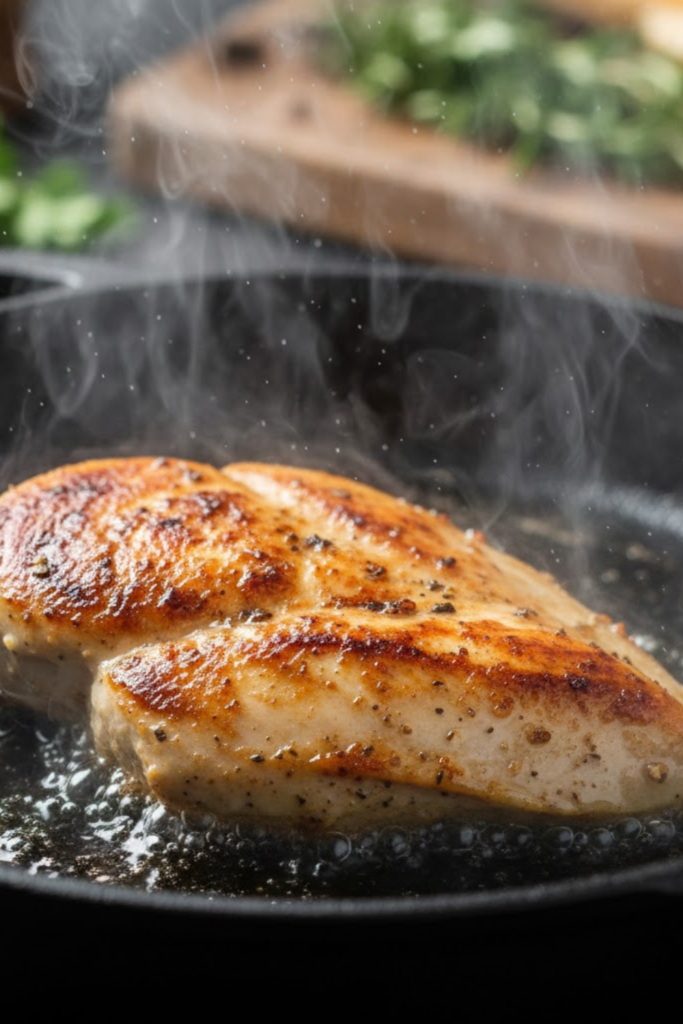
The biggest lesson I learned is that you can’t be afraid of a little noise in the kitchen. To get that Maillard reaction—which is just a fancy way of saying “the stuff that makes food taste awesome”—your pan needs to be hot. I usually set my burner to medium-high and wait until the oil shimmers like a desert mirage. If you drop the meat in and it doesn’t sizzle immediately, take it out!. You’re just steaming it at that point, and steaming is the enemy of a good savory sauce later on.
The “No-Touch” Rule
Once that chicken hits the cast iron skillet, leave it alone. This was the hardest part for me to learn because I’m a bit of a fidgeter. The meat will actually “stick” to the pan at first, but don’t panic!. As the crust forms, the chicken will naturally release itself from the surface. If you have to tug on it, it’s not ready to flip yet. I usually give it about 5 to 6 minutes on the first side to ensure a deep, mahogany color.
Why the Crust Matters for Your Sauce
That golden-brown stuff left in the pan isn’t burnt junk; it’s called fond, and it’s liquid gold for your savory sauce. Those little stuck bits are packed with concentrated flavor that dissolves when you add your liquid. I once scrubbed a pan clean halfway through cooking because I thought I’d messed up, and man, was that a mistake. My sauce ended up tasting like plain water because I threw away all the best parts!. Now, I make sure to save every single brown speck to build that deep, umami profile that makes people ask for seconds.
Crafting the Savory Sauce: Layers of Flavor
After you’ve got that chicken looking all golden and pretty, it’s time for the real star of the show: the sauce. This is where the magic happens, and honestly, it’s my favorite part because it makes the whole house smell like a fancy bistro. If you’ve ever wondered why restaurant sauces are so much better than the bottled stuff, it’s all about building layers. You can’t just throw everything in at once and hope for the best; you gotta treat it like a little science experiment.
Deglazing: The Flavor Reset
First things first, you need to get those brown bits (the fond) off the bottom of the pan. I usually pour in a splash of chicken broth or even a little bit of apple juice if I want a touch of sweetness. As soon as the liquid hits the hot metal, it’ll bubble like crazy—that’s good! Use a wooden spoon to scrape the bottom. It feels like you’re cleaning the pan, but you’re actually making sure all that roasted chicken flavor gets into the liquid. It’s the easiest way to make sure your savory sauce has some real depth.
Balancing the “Big Three”
A great sauce is like a three-legged stool: it needs salt, acid, and sugar to stay upright. For the salt, I love using a splash of soy sauce or even just a pinch of kosher salt. For the acid, a squeeze of lemon juice or a teaspoon of vinegar works wonders to cut through the heaviness. And for the sugar? A drizzle of honey or a spoonful of brown sugar makes it sticky and delicious. If it tastes a bit flat, it usually needs more acid. I used to think adding more salt was the answer, but usually, it’s just a tiny bit of lemon that wakes everything up.
The Butter Finish (The Pro Secret)
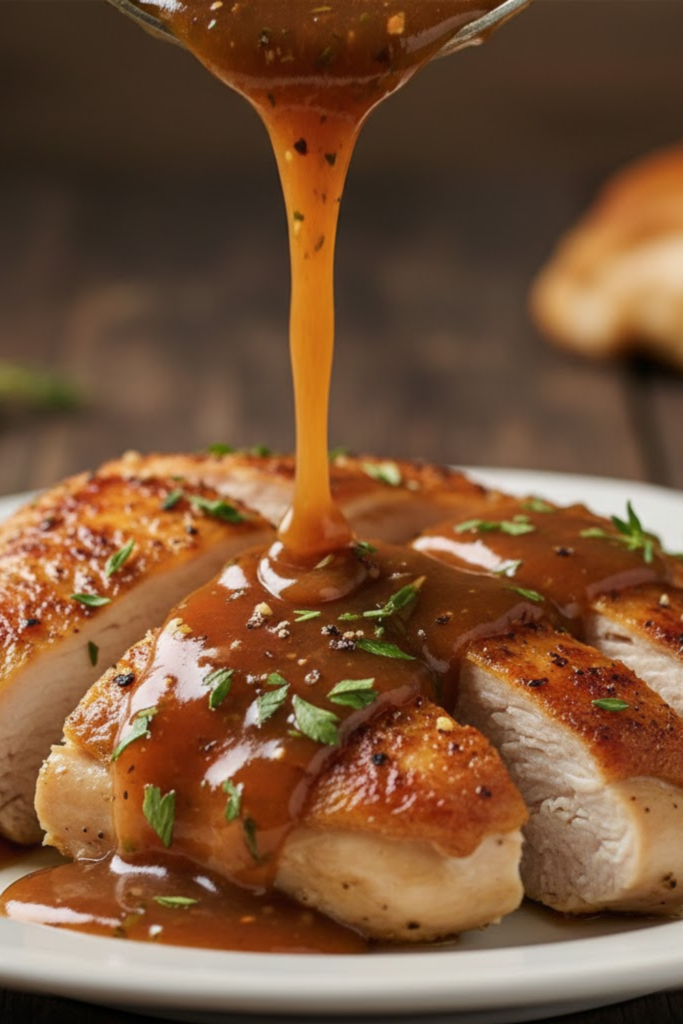
Here is the part where you feel like a real chef. Once the sauce has simmered down and gotten a little bit thick, turn off the heat and whisk in a tablespoon of cold butter. This is called “mounting” the sauce. It makes it look glossy and prevents it from feeling too watery. My kids always know when I skip this step because the sauce doesn’t “cling” to the chicken as well. It’s a small trick, but it makes a huge difference in how the final meal feels in your mouth.
Troubleshooting Dry Chicken: Tips for Beginners
I’ll be the first to admit it: I used to be the queen of overcooking poultry. I was so paranoid about food safety that I’d leave those poor breasts in the pan until they had the texture of a discarded flip-flop! My poor husband used to chew a single bite for like three minutes just to be polite. It’s a common frustration, but once I figured out a few simple tricks, everything changed for my chicken with savory sauce. +4
Trust the Numbers, Not Your Eyes
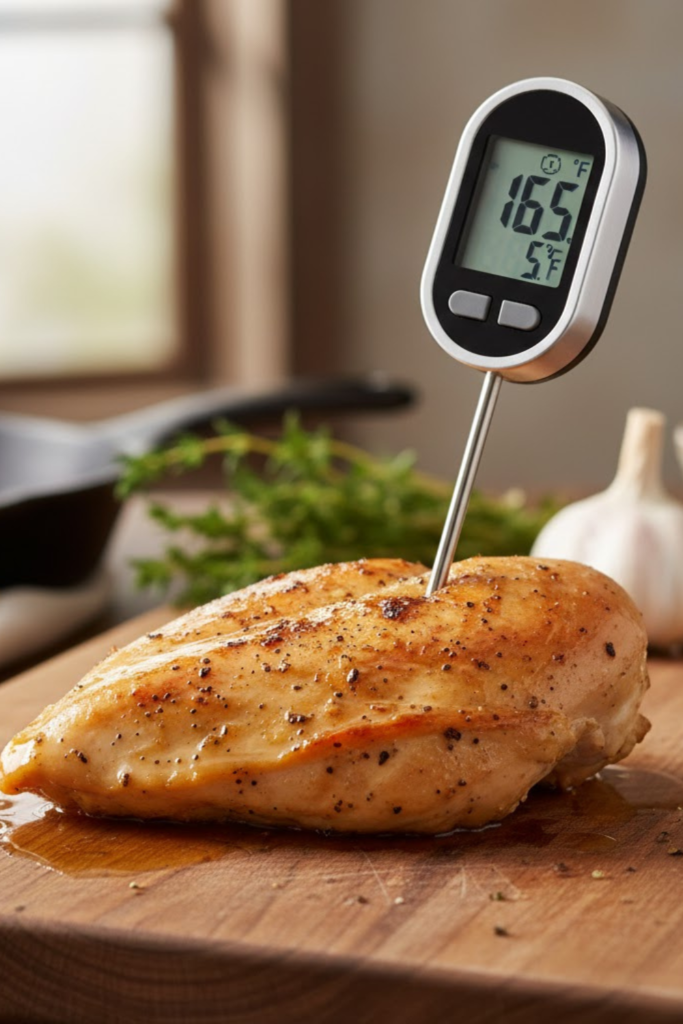
If you don’t own a digital meat thermometer yet, stop what you’re doing and go get one. Seriously, it’s a total game changer for any home cook! I used to try the “poke test” or cut into the meat to see if the juices ran clear, but that’s just guessing. Now, I pull my chicken off the heat when it hits exactly 160°F.
The temperature actually keeps rising a few degrees while it sits on the plate, which we call “carryover cooking.” By the time you eat, it hits that safe 165°F mark but stays incredibly juicy. If you wait until it’s 165°F in the pan, you’re basically inviting dryness to dinner.
The Power of the Rest
This is the part where most people mess up because they’re hungry and just want to eat already! I’ve been there, staring at a delicious smelling plate while my stomach growls like a grizzly bear. But if you cut that chicken the second it leaves the skillet, all those beautiful juices just run out all over your cutting board.
Give your meat at least five minutes to just chill out under a piece of foil. This lets the muscle fibers relax and soak those juices back in. It’s like the difference between a dry sponge and a wet one. Your savory sauce will stick way better to a piece of meat that isn’t leaking water everywhere! +2
Fix a Sauce Fail
Sometimes the sauce just doesn’t behave, and that’s okay—I’ve messed it up plenty of times. If your sauce is looking a bit thin and watery, don’t just keep boiling it until the chicken gets tough. Mix a tiny bit of cornstarch with cold water to make a “slurry” and whisk it in. It thickens things up in seconds without changing the flavor.
And if you accidentally went overboard with the salt? Don’t toss it out! I usually add a splash of heavy cream or a little more honey to balance things out. It’s all about experimenting and not panicking when things look a little wonky. Most kitchen “disasters” are just opportunities to get creative with your flavors.
Making chicken with savory sauce at home is one of those skills that just makes you feel like a pro in your own kitchen. I used to think you needed a culinary degree to get that perfect balance of a crispy sear and a glossy, flavorful sauce, but it really just comes down to having a little patience and a good meat thermometer! Once you stop guessing and start using these simple tricks, your family will probably start asking you which restaurant you ordered from.
The best part about this recipe is how much you can make it your own. Whether you like it a bit spicier with some red pepper flakes or extra sweet with more honey, once you master the basics of the pan sauce, the possibilities are endless. Don’t be afraid to make a few mistakes—that’s usually how the best “secret ingredients” are discovered anyway!
If you found these tips helpful, please share this post on Pinterest! It helps me keep sharing my kitchen adventures with you all, and it might just save one of your friends from a dry chicken dinner tonight. Happy cooking, and I’ll see you in the next post!