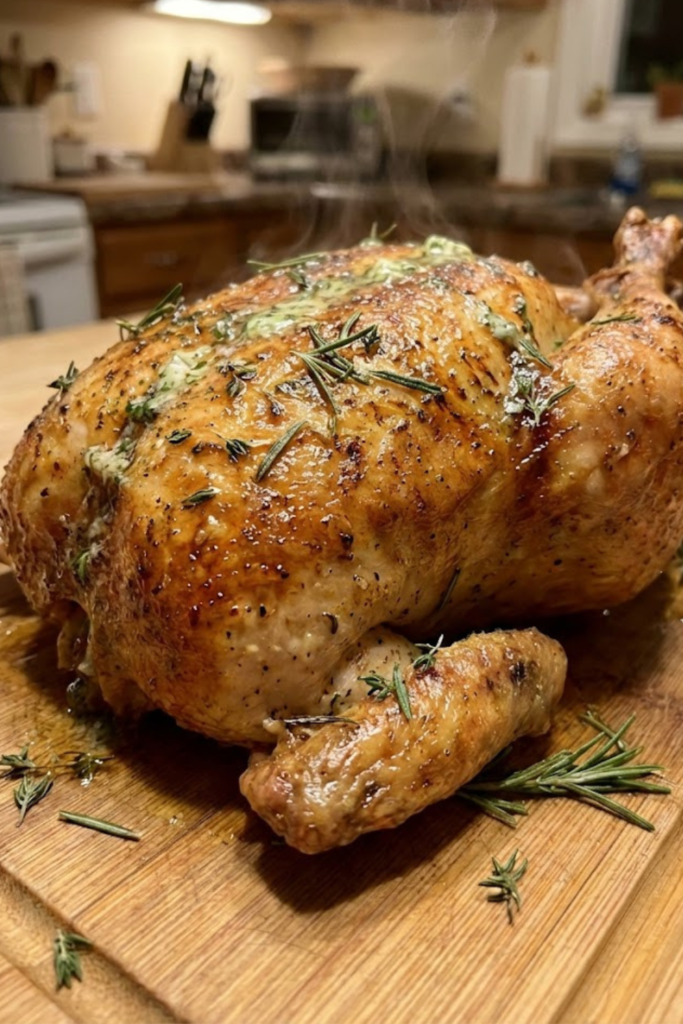
Let me tell you, there is absolutely nothing—and I mean nothing—that beats the smell of roasting chicken wafting through a house. It screams “home.” I remember the first time I tried to impress guests with a roast chicken; I overcooked it so badly it was like chewing on a yoga mat! Lesson learned. But when you get it right? It’s magic. In fact, a perfectly roasted chicken is often voted one of the top comfort foods globally. We aren’t just making dinner tonight; we are crafting a centerpiece. This guide is going to walk you through making a chicken with herb butter that is succulent, crispy-skinned, and honestly, life-changing. Let’s get cooking!
Choosing the Best Chicken and Fresh Herbs for Maximum Flavor
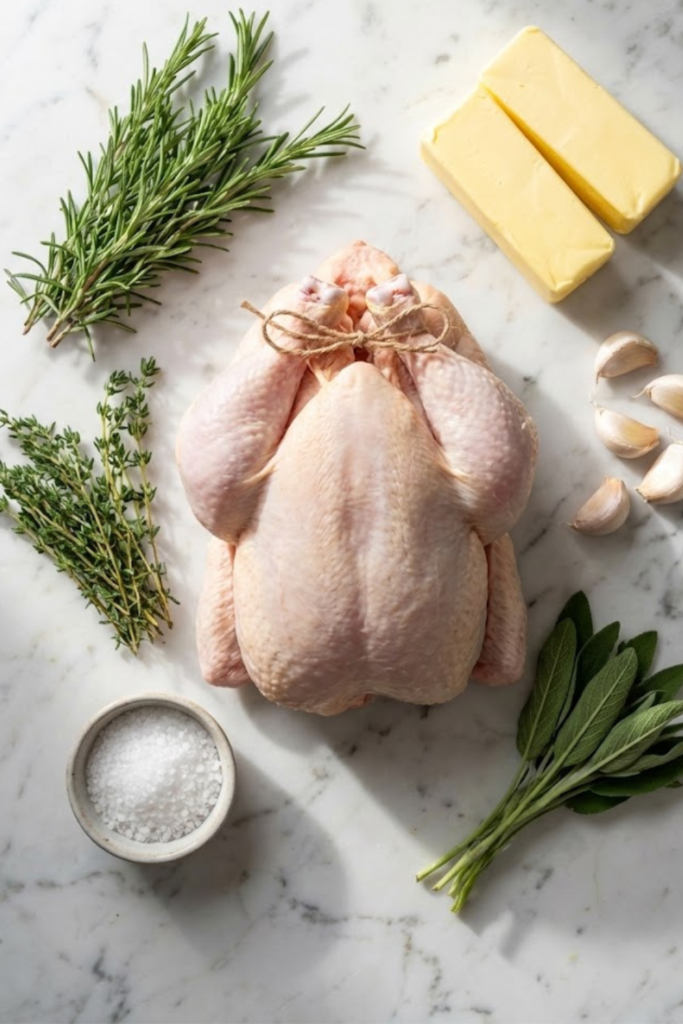
You know, for the longest time, I thought a chicken was just a chicken. I’d grab the frozen rock-hard bird on sale for 99 cents a pound and wonder why my Sunday dinner tasted like wet cardboard. I remember trying to make chicken with herb butter for my in-laws about ten years ago, and the bird was so watery that the butter just slid right off into the pan. It was a disaster. I ended up ordering pizza, and my mother-in-law still brings it up. But look, I’ve learned a few things since then, mainly that the ingredients you start with do all the heavy lifting for you.
Why Air-Chilled is a Game Changer
If you take one thing away from this, let it be this: buy air-chilled chicken. Most of the cheap birds at the grocery store are water-chilled, which means they get dunked in a giant vat of cold chlorinated water to cool down. They absorb that water—sometimes up to 10% of their weight! So when you roast them, they basically steam themselves from the inside out.
I switched to organic, air-chilled chicken a few years back, and the difference is crazy. The meat actually tastes like chicken, not water. Plus, because the skin isn’t waterlogged, it crisps up way better. It costs a few bucks more, but for a solid roast chicken recipe, it is worth every penny. You want that skin to get golden and crunchy, not soggy and sad.
Fresh Herbs vs. The Dust in Your Cabinet
Now, about the herbs. Please, I am begging you, do not use that jar of dried rosemary that’s been sitting in your cupboard since 2018. Dried herbs have their place, maybe in a slow-cooked stew, but for a compound butter? No way. They are like eating little pine needles.
You need fresh herbs to get that bright, pop-in-your-mouth flavor. I usually grab a “poultry blend” pack from the produce section if I’m feeling lazy; it usually has rosemary, thyme, and sage all in one. The oils in fresh herbs mix with the butter and melt into the meat in a way that dried stuff just can’t. I learned this the hard way when I made a bird that tasted like potpourri. Fresh thyme and rosemary are non-negotiables here.
The Paper Towel Rule
Here is a trick I wish I knew earlier. Before you even think about butter, you have to dry that bird. I mean really dry it. I take a wad of paper towels and pat down the whole chicken, inside and out. If the skin is wet, the butter won’t stick, and the skin won’t crisp. It’s simple physics—water creates steam, and steam kills crispiness.
I usually let the chicken sit on the counter for about 30 minutes after drying it, too. This brings it up to room temp so it cooks evenly. Trust me, putting a cold chicken in a hot oven is how you get dry breast meat and undercooked thighs. It’s a small step, but it makes your chicken with herb butter turn out like something from a restaurant.
Mastering the Compound Herb Butter: The Secret Sauce
If the chicken is the star of the show, then this herb butter is the costume that makes it shine. I used to think I could just rub some oil and dried spices on a bird and get that rotisserie flavor. I was wrong. The secret to that moist, lick-your-fingers good chicken with herb butter is, well, the butter. It baste the meat while it cooks, and honestly, it’s the funnest part to make.
The Patience of Soft Butter
Here is the hardest part of this whole step: remembering to take the butter out of the fridge. Seriously. You cannot use cold butter for this. It won’t mix, and it will just be a chunky mess. And please, do not try to shortcut this by putting it in the microwave. I tried that once, turned my back for ten seconds, and ended up with a pool of yellow liquid that went everywhere.
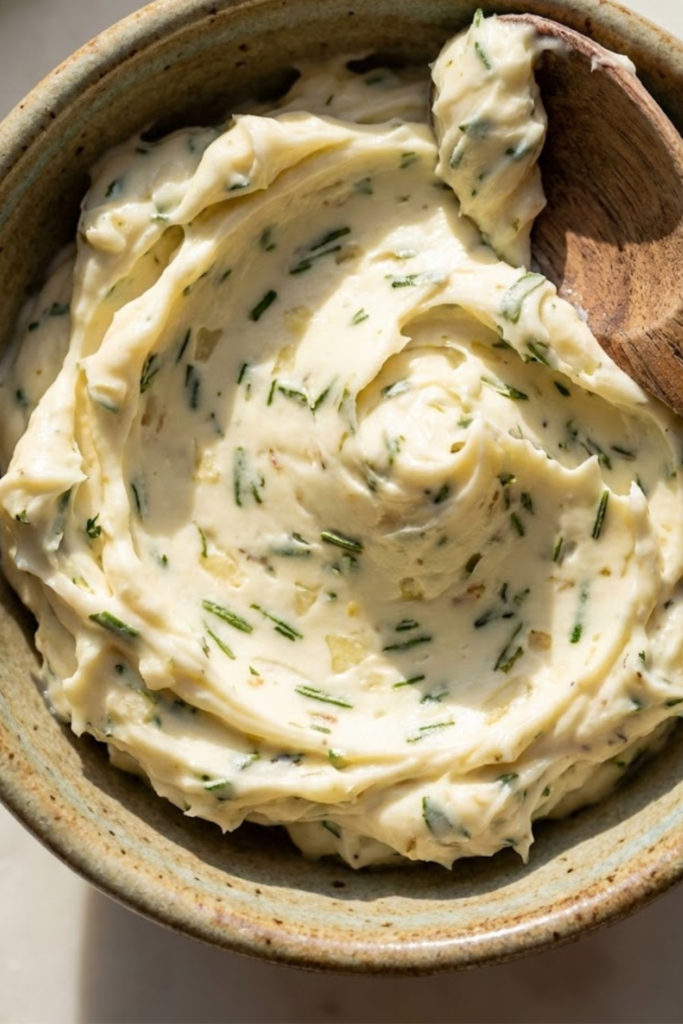
Just leave two sticks of good salted butter on the counter for a couple of hours. You want it soft enough that you can press your thumb into it with zero resistance. If it looks greasy or melted, it’s too warm. You want it to be like the consistency of frosting.
Building the Flavor Bomb
Now for the mix. This is where you can get creative, but I stick to a combo that never fails me. I grab a medium bowl and dump in that soft butter. Then I add:
- Garlic: I use 4 or 5 cloves, minced super fine. I want the flavor, not big chunks of garlic burning on the skin.
- Lemon Zest: This is the game changer. Take a lemon and grate just the yellow skin into the bowl. Don’t get the white part underneath; that stuff is bitter. The lemon oil cuts through the richness of the butter perfectly.
- The Herbs: Chop up that fresh rosemary, thyme, and parsley we bought. You want about 2 or 3 tablespoons of the green stuff.
Mash and Season
Get a fork and just mash it all together. I pretend I’m taking out my frustrations from a long day of grading papers. You want the herbs and garlic distributed evenly so every bite of the chicken tastes the same.
Finally, we need to talk about salt. Even if you use salted butter, you need to add more salt and some fresh cracked pepper to this mix. The butter is going to melt and run off, so you need it to be punchy. I usually add a heavy pinch of kosher salt. Taste a tiny bit on your finger (I know, it’s plain butter, but trust me). It should taste almost too salty. If it tastes just “okay,” add a little more salt. This mixture is going to season the whole bird, so it needs to be strong.
The “Under the Skin” Technique: Infusing Deep Flavor
Okay, this part gets a little messy, but you gotta do it. If you just slap butter on top of the skin, the skin tastes good, but the meat underneath? It stays kinda plain. The real trick to a flavorful chicken with herb butter is getting that butter under the skin. I remember watching a cooking show years ago where the chef did this, and I was like, “Ew, really?” But then I tried it, and wow. It baste the meat directly, keeping the breast super juicy.
Creating the Pocket
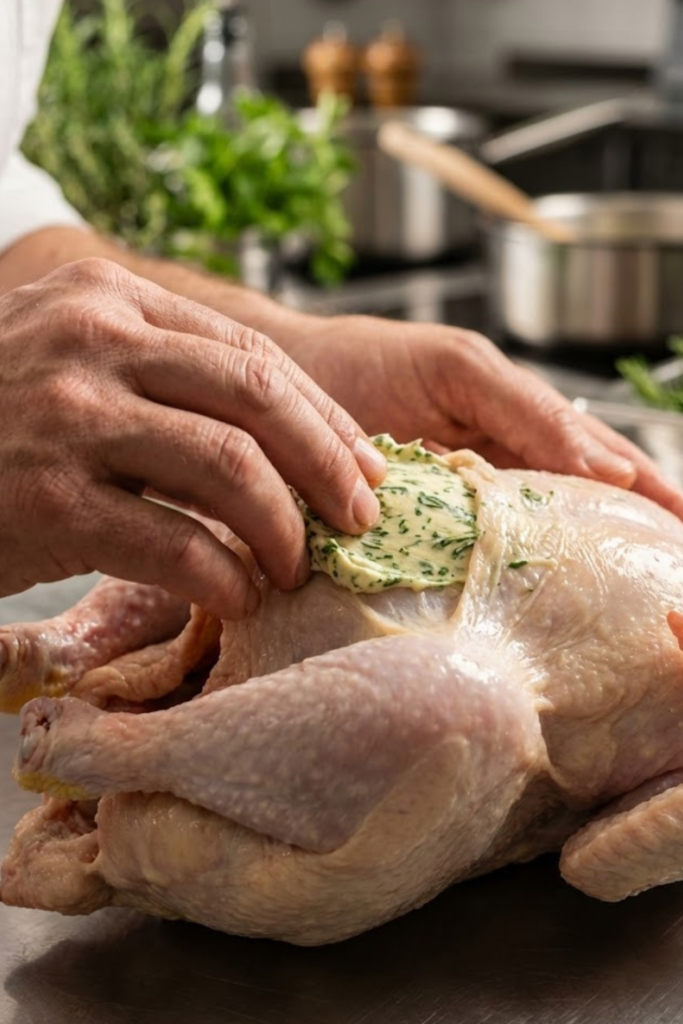
First things first, take off your rings. You are going to get your hands dirty. Start at the neck end of the chicken (the opening closest to the breast). Gently slide your fingers between the skin and the meat. You have to be gentle here. You want to separate them, but you don’t want to rip the skin. If you tear it, the butter will just leak out during cooking, which defeats the whole purpose.
It feels a little weird, I won’t lie. Just wiggle your fingers slowly back and forth to break the little membranes. Try to work your way down towards the legs if you can reach. I usually act like I’m trying to put a duvet cover on a comforter—slow and steady.
Stuffing the Goods
Once you have loosened the skin, grab a big glob of that compound butter we made. Shove it into the pocket you just made. Seriously, get it in there. Then, use your hands on the outside of the skin to massage the butter around. You want to squish it so it spreads out in an even layer over the whole chicken breast. It’s like playing with playdough.
If you can, try to push some butter down towards the thighs and legs too. The dark meat is already juicy, but a little extra garlic butter never hurt anybody.
The Exterior Rub
Don’t use all the butter inside! Save a tablespoon or two for the outside. Take the rest and rub it all over the skin. This acts like a suntan lotion for the bird—it helps it brown evenly and get that nice crispy texture.
One thing to watch out for: don’t leave big clumps of butter or herbs sitting in one spot on the skin. Those spots will burn in the hot oven and taste bitter. Try to smooth it out as best as you can. It doesn’t have to be perfect, but an even coat helps make sure your chicken with herb butter looks as good as it tastes.
Roasting Vegetables: Creating a One-Pan Meal
I am all about working smarter, not harder. If I have the oven on for an hour anyway, you better believe I am cooking my side dishes in there at the same time. The best part about this chicken with herb butter recipe is that you don’t even need a fancy roasting rack. I just build a bed of vegetables and plop the bird right on top. It’s a two-for-one deal: the chicken gets elevated so hot air can circulate around it, and the vegetables get cooked in the delicious drippings.
The Vegetable Bed
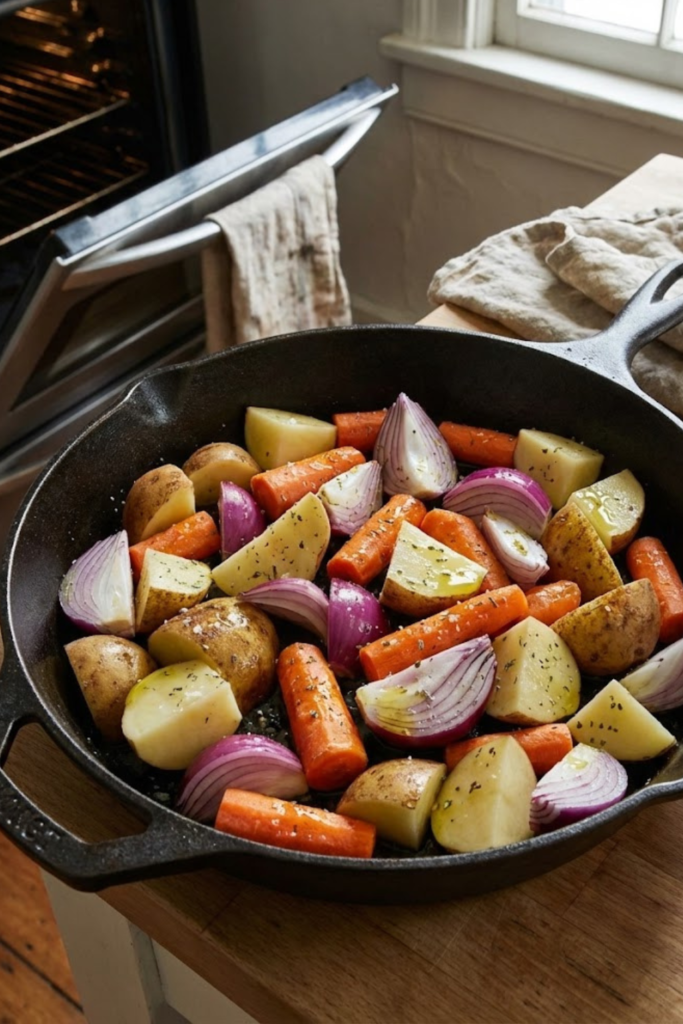
You want vegetables that are tough enough to stand up to a long time in the oven. I usually go for the classics: carrots, potatoes, and onions. I chop them into big chunks—think about the size of a golf ball. If you cut them too small, they will turn into mush before the chicken is done, and nobody likes mushy carrots.
I pile them into the center of my cast iron skillet or roasting pan. It creates a natural platform for the chicken to sit on. This helps the bottom of the bird cook evenly instead of just boiling in its own juices. Plus, it looks really rustic and pretty when you pull it out of the oven.
Seasoning the Base
Now, don’t make the mistake of thinking the chicken fat will do all the work. You still need to season these veggies. Before I put the chicken on top, I toss the carrots and potatoes in a bowl with a glug of olive oil, salt, and pepper. If I’m feeling fancy, I might throw in a few whole cloves of garlic (leave the skin on so they don’t burn, they get super sweet inside).
Flavor Synergy
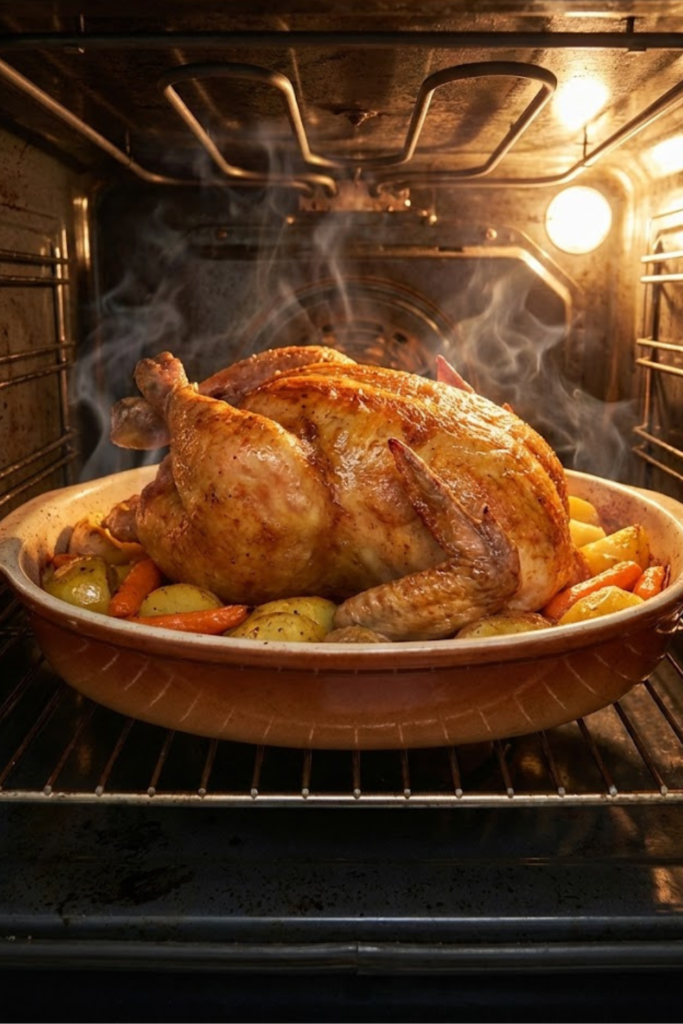
Here is the magic part. As that chicken with herb butter roasts, the butter melts. It mixes with the chicken juices and drips down onto the vegetables below. It basically bastes them in garlic-herb goodness for an hour. By the time dinner is ready, those potatoes are soft on the inside and crispy on the outside, and they taste like they were cooked in a professional kitchen. It’s the kind of side dish that people steal off your plate when you aren’t looking.
Cooking Temperatures and Timing for Juicy Results
This is the part where most people get nervous. I used to be terrified of undercooking chicken, so I would leave it in the oven until it was basically jerky. Not tasty. Or, I would be so hungry that I’d pull it out too early. Over the years, I found a method that works every single time to keep your chicken with herb butter juicy on the inside and crispy on the outside.
The Heat Blast Method
Here is a trick that changed my roasting game. Don’t just set the oven to one temperature and walk away. You want to start hot. I preheat my oven to 425°F (220°C). When I put the chicken in, that high heat hits the skin and starts the browning process immediately. It kind of sears the butter into the skin.
I let it cook at that high heat for about 15 or 20 minutes. You might hear it sizzling, which is a good sign. Then, without opening the oven door, I turn the heat down to 375°F (190°C) for the rest of the cooking time. This gentler heat cooks the meat all the way through without burning the herbs on top. It’s a simple switch, but it makes a huge difference.
The Thermometer Rule
Please, if you don’t have a meat thermometer, go buy one. They cost like ten bucks at the grocery store. Trying to guess if a chicken is done by wiggling the leg or cutting into it is a bad idea. Cutting into it lets all the juice run out!
You are looking for an internal temperature of 165°F (74°C). Stick the probe into the thickest part of the thigh, but try not to hit the bone because the bone gets hotter than the meat and will give you a fake reading. Once it hits that number, pull it out. Remember, the temp will rise a little bit more as it sits on the counter.
To Baste or Not to Baste?
There is a big debate about whether you should open the oven to baste the chicken with the pan juices. Honestly? I rarely do it. Every time you open the oven door, you let a bunch of heat out, and the oven has to work hard to get back up to temp. This makes the cooking take longer.
Because we put so much butter under the skin, the bird is basically basting itself from the inside. If you really want to, you can brush some juices over it once quickly when you check the temperature, but don’t obsess over it.
The Hardest Part: Resting
This is going to drive you crazy, but you have to do it. When you take the chicken out of the oven, do not touch it. Do not carve it. Do not even poke it. Let it sit there on the counter for at least 15 to 20 minutes.
If you cut into it right away, all those delicious juices are going to pour out onto your cutting board, and the meat will be dry. But if you let it rest, the juices redistribute back into the meat. It keeps your chicken with herb butter moist and tender. Use this time to finish setting the table or getting the kids to wash their hands.
Carving Like a Pro: Presentation and Serving
I used to be so scared of this part. I’d spend hours making a beautiful bird, and then I’d basically attack it with a dull knife until it looked like a crime scene. But carving a chicken with herb butter doesn’t have to be hard. It’s actually pretty satisfying once you know where the joints are.
The Setup
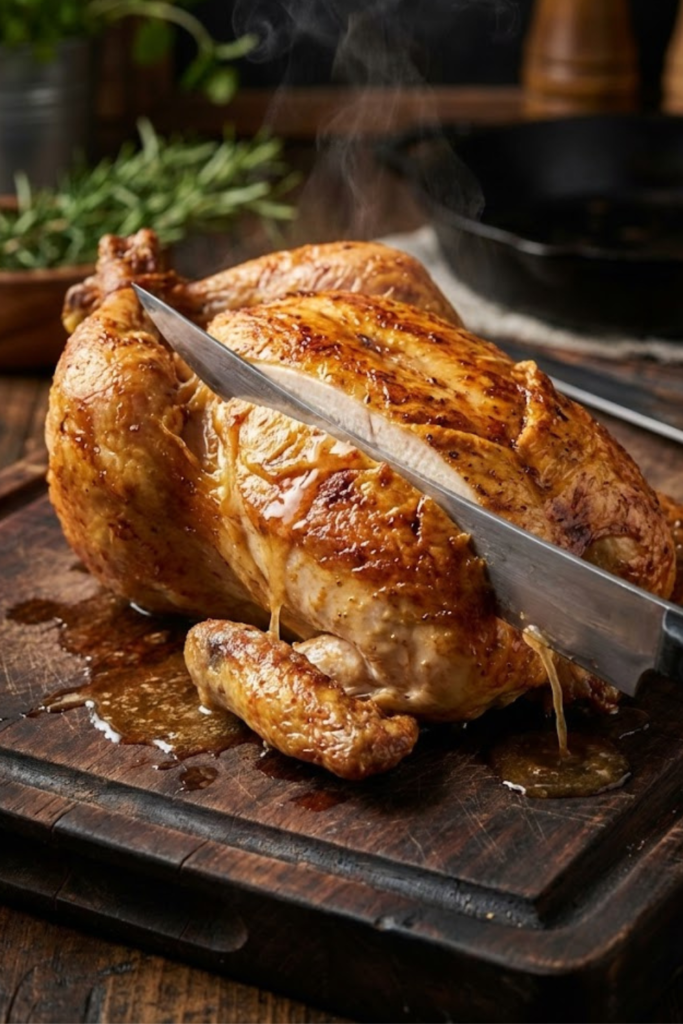
First, you need a good setup. Don’t try to carve it inside the roasting pan with the high sides; you will burn your forearm (ask me how I know). Move the chicken to a big cutting board. A board with a little groove around the edge is nice to catch the juices, but a regular one works too. And please, use a sharp knife. A dull knife slips, and that is how you cut your finger instead of the meat. You don’t need a massive electric carver, just a regular chef’s knife that has been sharpened recently.
Legs and Wings First
I always start with the legs. It makes the bird stable. Pull the drumstick away from the body until the skin stretches tight. Slice through that skin, and then pull the leg down hard towards the board. The joint should pop right out. Then you just cut through that joint. Boom, leg is off. Do the same for the wings. It clears the way so you can see what you are doing with the main event: the breast.
Slicing the Breast
Now for the white meat, which is usually the trickiest part. Instead of slicing thin strips off the side while it’s still on the carcass, I like to take the whole breast off at once. Cut right down along the breastbone (the keel bone) in the middle. Run your knife down along the ribs, peeling the meat back with your fingers.
Once the whole piece is off, you can lay it on the board and slice it into nice thick pieces across the width. This is called slicing “against the grain,” and it makes every bite super tender. Plus, it keeps the skin attached so everyone gets that buttery crunch instead of a rubbery piece of skin falling off.
Plating Ideas
For serving, I just pile everything onto a big platter. Put the sliced breast meat in the middle and arrange the legs and wings on the sides. Then, spoon those roasted carrots and potatoes all around the edges. It looks colorful and abundant. If there are any juices left on the cutting board or in the pan, pour them right over the meat. It looks fancy, like something you’d pay good money for, but it’s just honest home cooking.
Leftover Magic: Transforming Your Roast Chicken
In my house, we almost look forward to the leftovers more than the actual dinner. If you have any chicken with herb butter left after the feeding frenzy, you are lucky. It is like a gift to your future self. I hate wasting food—maybe it’s the teacher in me, but throwing away good meat feels like a crime.
Sandwich Supreme
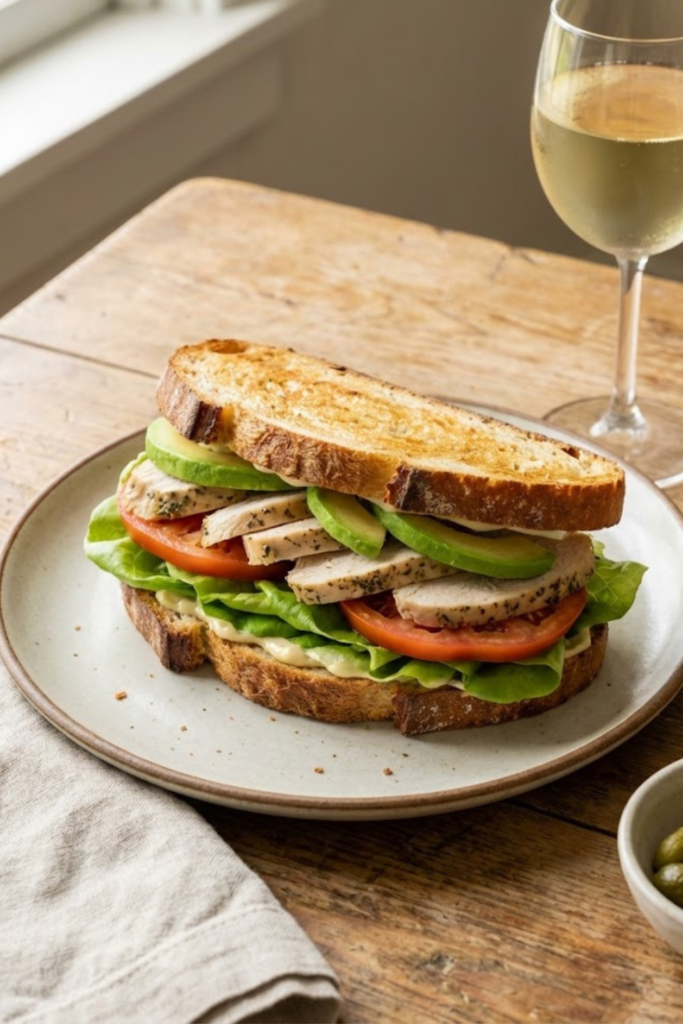
The absolute best thing to do is a cold chicken sandwich. The next day, when the butter has solidified again in the fridge, the meat is so flavorful. I just pull the cold meat off the bone and slap it on some bread with a little mayonnaise and cracked pepper. You don’t even need cheese. The herb flavor from the night before is enough. It is the best lunch you can pack for work, hands down.
Soup Base
Please, whatever you do, do not throw away the bones! That carcass is gold. Store-bought bone broth costs a fortune these days, but you can make it for free. I throw the bones into a pot with water, maybe a leftover carrot, and let it simmer for a few hours on Sunday afternoon. The house smells amazing again, and you get a rich stock that you can freeze for later. It makes the best chicken noodle soup for when the kids catch a cold.
Salad Upgrade
If you are trying to be healthy during the week, this chicken saves the day. I shred the breast meat and toss it on top of a Caesar salad. Because the chicken was cooked with all that lemon and garlic butter, it actually adds flavor to the salad so you don’t need as much dressing. It’s a quick protein fix that beats those rubbery pre-cooked strips you buy in a bag.
Storage Tips
Just a quick heads up on safety—I’m a stickler for this. Don’t leave the chicken sitting out all night. Once dinner is over, get it in the fridge. I keep mine in an airtight container, and it stays good for about 3 days. After that, it starts to get a little funky, so if you haven’t eaten it by Wednesday, it’s time to say goodbye or freeze it.
There you have it! Making a restaurant-quality chicken with herb butter isn’t reserved for fancy chefs; it’s right there in your fingertips. By choosing good ingredients, mixing up that compound butter, and letting the bird rest, you turn a simple dinner into a feast. The crispy skin, the juicy meat, the flavor-soaked vegetables—it’s a meal that feels like a hug after a long week.
Give this recipe a try this weekend. I promise, your kitchen will smell like heaven, and your family will think you secretly went to culinary school. If you liked this guide, do me a favor and pin this recipe to your “Sunday Dinner” board on Pinterest so you can find it whenever the craving hits! Happy cooking!