Did you know that according to recent culinary trends, chicken thighs have officially overtaken breasts as the most searched poultry cut in 2026? I honestly used to be a “white meat only” person until I realized how much flavor I was missing out on! There is something so satisfying about the way a perfectly seared thigh holds onto a rich, savory sauce. It’s juicy. It’s tender. And honestly, it’s pretty much impossible to overcook them, which is a total win for busy weeknights. I remember trying to make dinner for my kids last Thursday while also grading a stack of math tests, and I totally forgot the chicken was in the pan for an extra five minutes. With breasts, that would have been like eating a dry piece of cardboard, but these thighs just stayed juicy and soaked up all that goodness. If you want a meal that actually makes you look like a pro without any of the stress, you really have to try making chicken thighs with savory sauce tonight.
Choosing Your Bird: Bone-In vs. Boneless Thighs
Choosing between bone-in and boneless can feel like a big decision when you’re standing in the meat aisle. I used to get so confused. Now, I usually stick to a few simple rules depending on how much time I have before I have to get back to grading papers or driving the kids to practice.
The Case for Bone-In: Why Flavor Wins
If I have an extra twenty minutes, I am always going to pick the bone-in, skin-on thighs. The bone actually helps the meat cook more evenly and keeps all those juices inside. Since the bone is right there in the middle, it keeps the meat from shrinking up too much during high-heat cooking. Plus, you really need that skin to get the crunch that makes the savory sauce taste so good. My husband always says the meat tastes “richer” when it’s cooked on the bone, and I think he’s right. It just takes a bit longer to get the internal temperature right, so don’t be in a rush.
The Speed of Boneless: For Those 20-Minute Meals
Now, don’t get me wrong, I keep boneless thighs in my freezer all the time. On a Tuesday night when I’m tired and the kids are hungry, boneless is a lifesaver. They cook way faster—usually in about 12 to 15 minutes. They don’t have that fatty skin, but they are like little sponges for the sauce. They soak up every bit of that honey and soy sauce glaze. Just be careful not to let them sit in the pan too long or they might get a little dry since they don’t have the bone to protect them.
Freshness Markers: What to Look for at the Store
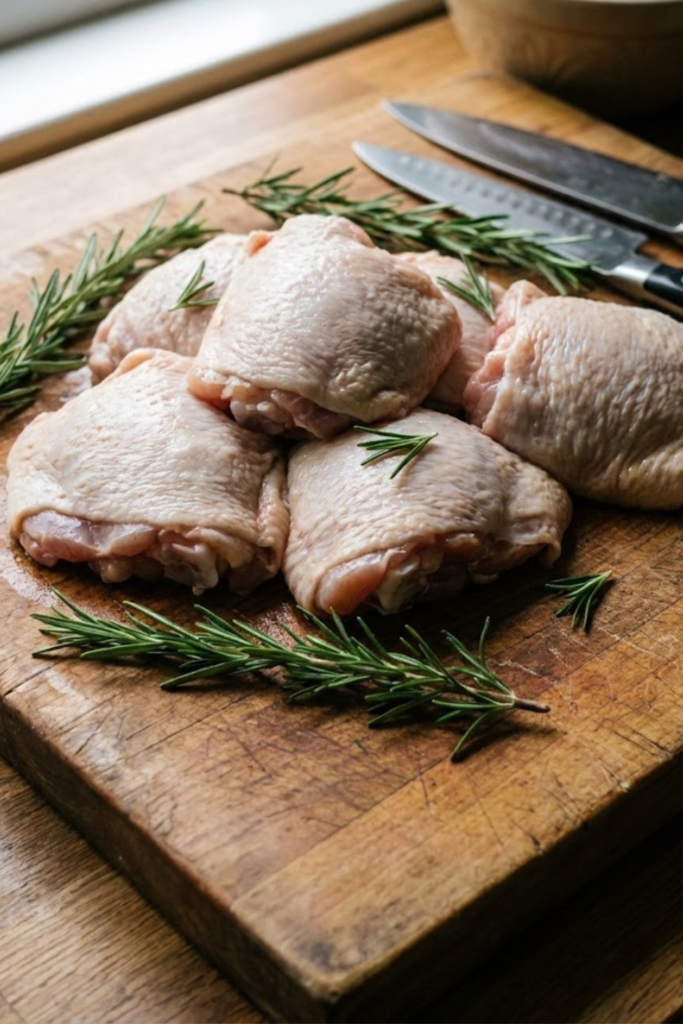
I tell my students to always check their work, and you should check your chicken too. When I’m at the store, I look for meat that is a nice, pretty pink. If it looks a little gray or dull, I stay away from it. Also, look at the bottom of the package. If there is a ton of liquid sloshing around in the tray, it’s probably not the freshest. I also try to find pieces that are about the same size so they all finish cooking at the same time. There is nothing worse than one piece being burnt while the other is still raw in the middle! It makes things way easier when you’re trying to get dinner on the table.
Mastering the Sear: How to Get Crispy Skin Every Time
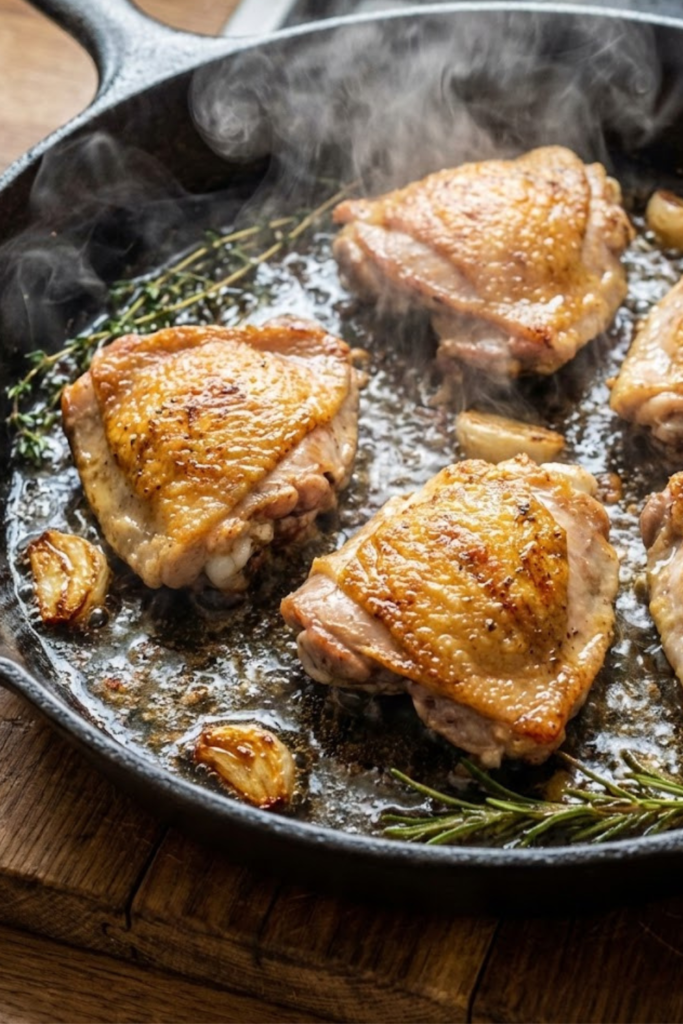
If you want that crunch that makes everyone at the table go “wow,” you have to get the sear right. This is where most people get nervous because the pan starts making a lot of noise, but trust me, the noise is a good thing. It means the magic is happening.
The “Cold Pan” Myth: Why Heat is Your Best Friend
I’ve heard some people say you should start chicken in a cold pan to let the fat melt slowly. Maybe that works for some things, but for chicken thighs with savory sauce, it’s a total myth. You really need a screaming hot cast iron skillet. I always tell my students that heat is like a signal to the meat to start browning. If the pan is cold, the chicken just sits there and gets rubbery. You want to hear a loud hiss the second that meat touches the oil. That is how you get that deep, golden color that holds onto the sauce later.
Patting it Dry: Moisture is the Enemy
The biggest mistake people make is putting wet chicken in a pan. You have to grab a bunch of paper towels and squeeze that meat dry. And I mean really dry! If it’s even a little damp, it’s going to steam instead of fry. Steam is great for broccoli, but it’s terrible for chicken skin. I usually let mine sit in the fridge uncovered for an hour if I have time. It sounds weird, but the dry air makes the skin way crunchier. My kids call it “crackle chicken” because of the sound it makes when they bite it.
Weight it Down: The Secret Press
Sometimes, chicken thighs like to curl up when they hit the heat. When they do that, only the edges get crispy and the middle stays soft and fatty. To fix this, I use a heavy press. You don’t need a fancy kitchen tool; I usually just grab my heavy Dutch oven lid or even another cast iron pan and set it right on top of the chicken. This makes sure every inch of the skin is touching the hot metal. It makes the browning so much more even, and it actually helps the chicken cook a little bit faster too.
Crafting the Savory Sauce: Balancing Sweet, Salt, and Umami
Making a sauce from scratch used to feel like a big science project to me. I was always worried I’d mess up the balance and it would taste like salt water or candy. But once I learned about these three layers, it became the easiest part of my whole weeknight routine.
The Base: Using Pan Drippings (Fond)
That brown stuff stuck to your skillet is called fond. It is basically concentrated flavor from the meat and the fat that stayed behind after the sear. You want to keep that in there! After you take the chicken out, you have all this deep flavor just sitting there. When you add your liquids, you scrape those bits up. This is called deglazing. It is the first step to making your dinner taste like it came from a fancy restaurant. It adds a depth that you just can’t get from a bottle of store-bought glaze.
The Aromatics: Garlic, Shallots, and Ginger
I always start with a ton of garlic. Sometimes I use more than the recipe says because I just love the smell. You have to be careful not to burn it, though. If garlic gets too dark, it turns bitter and ruins the whole thing. I usually throw in some minced shallots too. They are like a fancy version of onions but a bit sweeter and they melt right into the sauce.
If I’m feeling extra, I’ll grate some fresh ginger in there. It gives the sauce a fragrant kick that balances out the heavy meat. One time I forgot to turn the heat down and burned the garlic to a crisp. The whole kitchen smelled like a tire fire! I had to throw it all out and start over. It was so frustrating, so keep your eye on the pan.
The Glaze: The “Savory Sauce” Magic
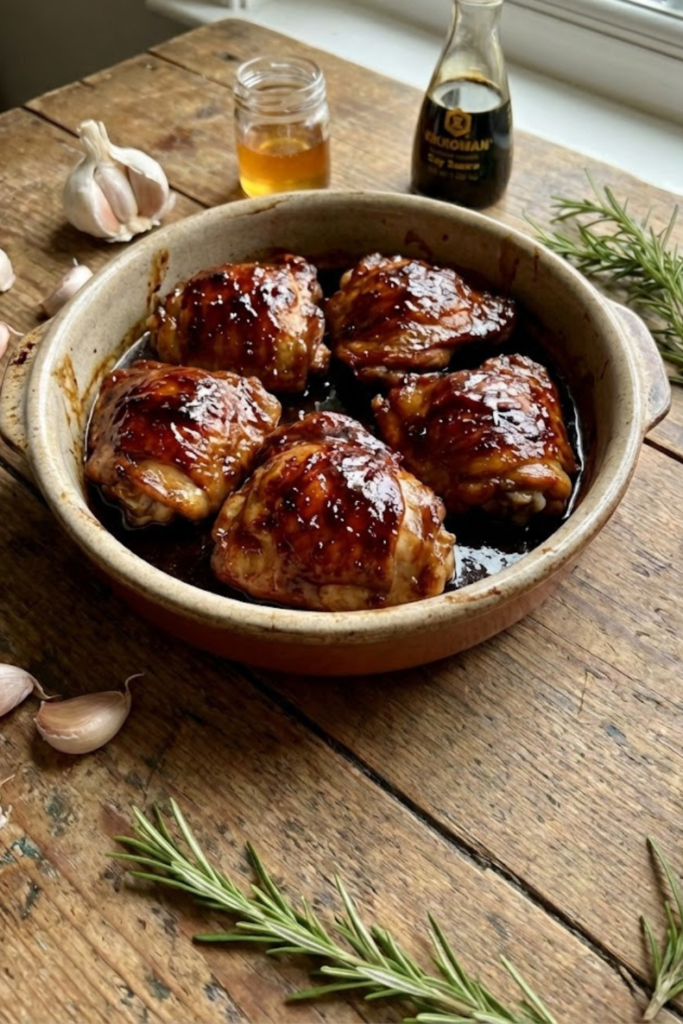
For the liquid part, I keep it pretty simple. I use soy sauce for salt and honey for sweetness. This creates a really nice glaze that sticks to the chicken. You want that glossy look that makes your mouth water just looking at it.
I also add a splash of rice vinegar. It sounds weird, but the acid cuts through the fat of the chicken. Without it, the sauce can feel a bit too heavy and oily. It makes the flavors pop. I once tried to use regular white vinegar because I was out of rice vinegar. It was way too sharp! My kids wouldn’t even touch it. Stick to the rice vinegar or maybe a little lime juice if you’re in a pinch. Let it simmer until it’s thick enough to coat a spoon, and you’re good to go.
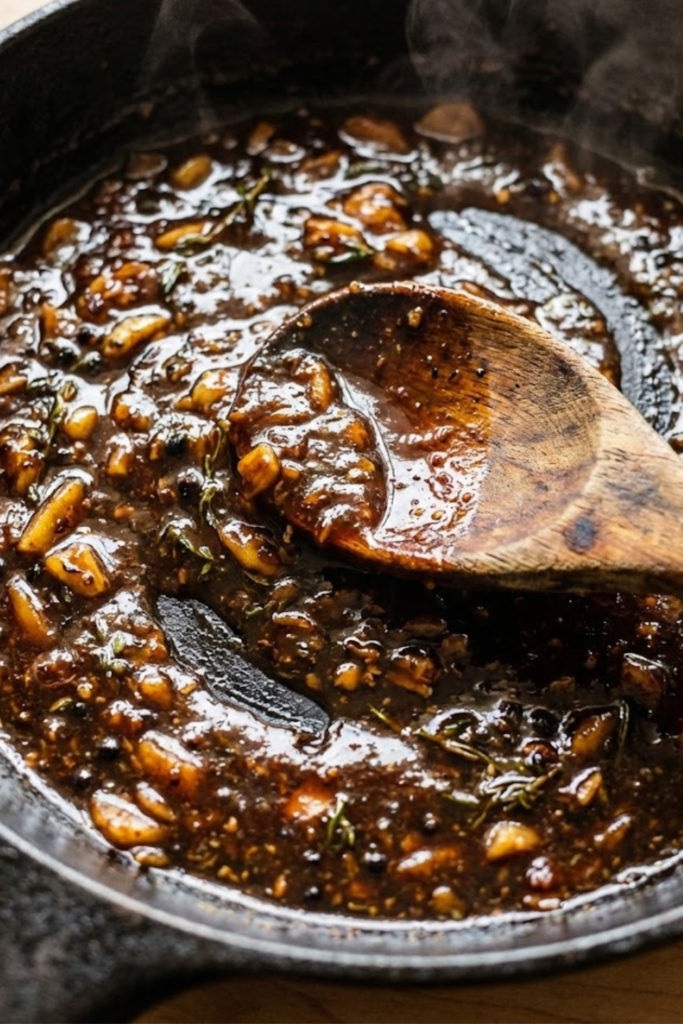
The main thing to remember is that you want to start with good meat, get that pan really hot, and don’t be afraid of the brown bits in the skillet. Those little bits of flavor are what turn a boring dinner into something your family will actually ask for again.
I really hope this guide helps you feel more confident when you stand in front of your stove. Cooking should be fun, not a chore. Once you get the hang of this savory sauce, you can start playing around with it—maybe add some spicy flakes or a bit of citrus. There are so many ways to make it your own.
If you found these tips helpful or if your family loved the recipe, please save this to your favorite food board on Pinterest! It helps other home cooks find these tips, and I’d love to see your results. Happy cooking!