I used to think chicken breast was just a delivery vehicle for flavorless cardboard. Honestly, it’s a bummer how many people overcook this poor bird! Did you know that roughly 70% of home cooks report that “dryness” is their number one complaint when cooking poultry?
It doesn’t have to be that way, I promise. Once I learned the secret of creating a real chicken breast with pan juices, my kitchen life changed forever. We are talking about those brown bits at the bottom of the pan—the “fond”—that hold all the magic. Grab your favorite skillet, and let’s get into how we can turn a boring Tuesday night into a five-star meal!
Why Your Chicken Ends Up Dry (and the 2026 Fix)
Look, I’ve been there. You pull a chicken breast out of the pan and it looks okay, but then you take a bite and it feels like you’re chewing on a piece of cardboard. It’s so frustrating! I remember one Sunday dinner where I served chicken that was so dry, my husband actually asked for a glass of water just to get it down. I felt terrible, but it taught me a big lesson. Most of us are just making the same few mistakes over and over.
The biggest problem is usually that we trust the clock too much. People worry about the chicken being raw, so they cook it until it’s “safe,” but by then, all the moisture has evaporated. Instead of watching the timer, you really need a meat thermometer. It’s a game changer. You want to pull the chicken off the heat right when it hits 165 degrees Fahrenheit. If you wait even two minutes longer, you’re headed for Dry-Town.
Another thing I see a lot—and I used to do this too—is cutting into the meat the second it leaves the pan. You’re hungry, I get it! But if you cut it open immediately, all those yummy juices just run out onto the plate and stay there. You gotta let it rest for about five or ten minutes. While it sits, the meat fibers relax and soak those juices back in so they stay inside the chicken where they belong.
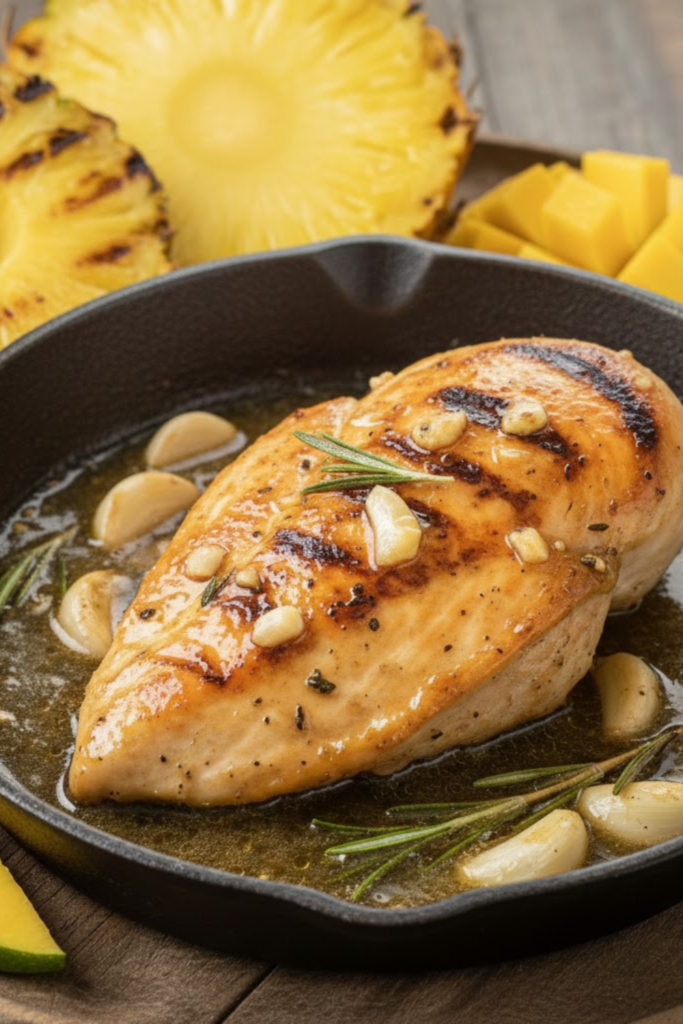
Also, don’t use a thin, cheap pan if you can help it. I used to use this flimsy skillet and half the chicken would be burnt while the other half was still pink. A heavy-bottomed skillet, like a cast iron one, helps spread the heat out evenly. This makes sure you get that nice golden sear on the outside without turning the middle into a desert. It’s a simple fix, but it really changed how my dinners turn out.
One more secret I learned is that the shape of the meat matters just as much as the heat. Usually, a chicken breast is real thick on one side and skinny on the other, which is a total recipe for disaster. I like to put the meat under some plastic wrap and give it a few good whacks with a heavy rolling pin until it’s even all the way across. This way, the whole piece cooks at the same speed and you don’t end up with one side that’s dry while the other is still raw. Also, try not to throw the chicken into the pan straight from the fridge. Letting it sit on the counter for about ten minutes first helps it cook way more evenly. Taking these extra steps really helps when you want that perfect chicken breast with pan juices every single time. It’s these little things that turn a boring meal into something your family will actually ask for again.
The Magic of Deglazing: Building the Pan Sauce
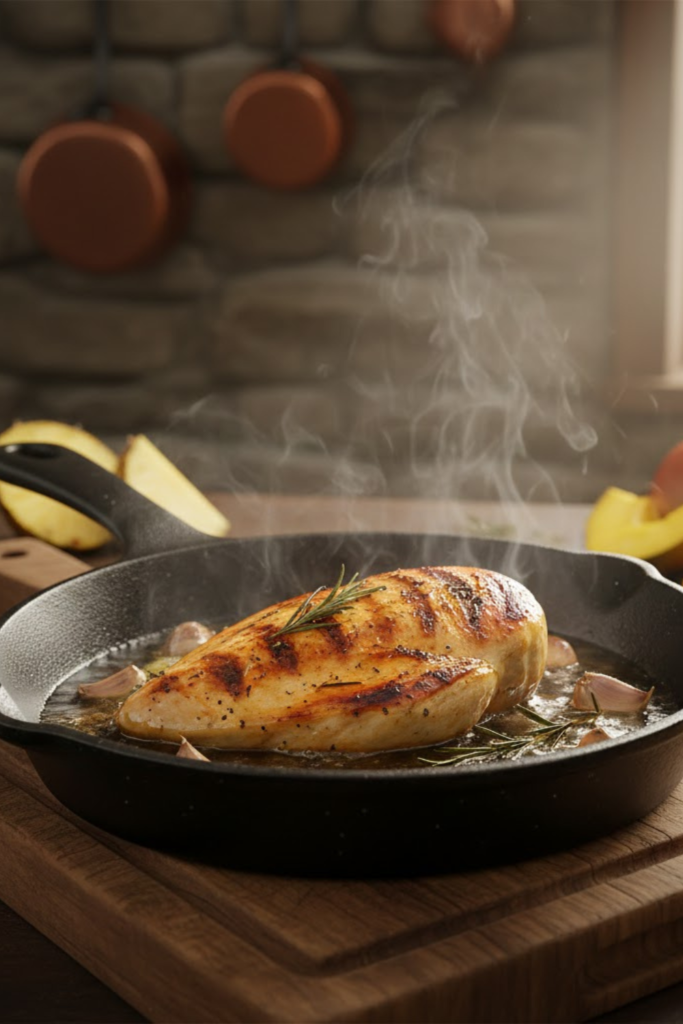
Making a sauce for chicken breast with pan juices is almost like a science experiment, but one you can actually eat. I used to think the burnt-looking bits at the bottom of my pan were a big mistake. I’d spend ten minutes scrubbing them off with a sponge and a lot of soap. What a waste! Those bits are called “fond,” and they are where all the flavor lives. If you throw them away, you’re throwing away the best part of the meal.
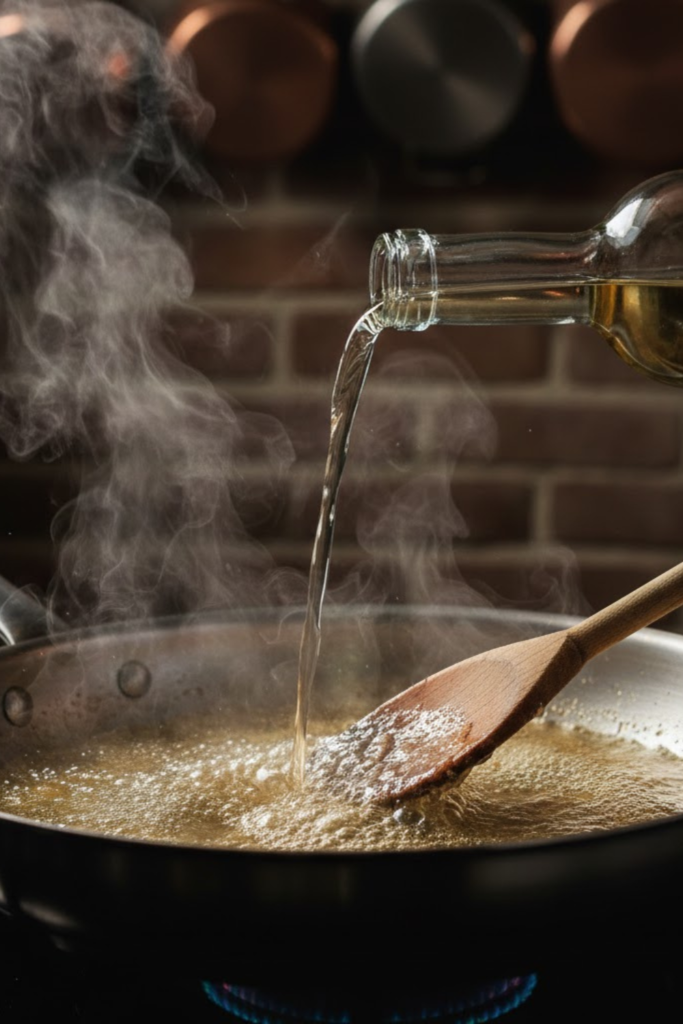
To start, you need to get your chicken out of the pan. Let it rest on a plate—this is important so it stays juicy. You’ll see those brown spots stuck to the bottom of the skillet. While the pan is still hot, you pour in a liquid. I usually use chicken broth, but a splash of white wine works great too. The pan will hiss and make a lot of steam, which is totally normal. Don’t be scared! It just means the liquid is doing its job.
You take a wooden spoon and scrape those brown bits while the liquid bubbles. They will dissolve right into the broth, turning it into a rich, dark sauce. This is called deglazing. It’s the secret to making a meal taste like it came from a fancy restaurant. If you want it to look extra fancy, let the liquid boil until there’s only about half as much left. This makes the flavor really strong. Then, turn off the stove and stir in a small piece of cold butter. This makes the sauce thick and shiny. It’s so much better than that jarred gravy you buy at the store!
Essential Ingredients for a Flavorful Finish
You don’t need a pantry full of expensive stuff to make a great chicken breast with pan juices. Most of the time, I just look at what is sitting in my fridge. I used to buy those fancy pre-made sauces, but they always tasted like salt and nothing else. Now, I stick to a few basic things that really make the flavors pop.
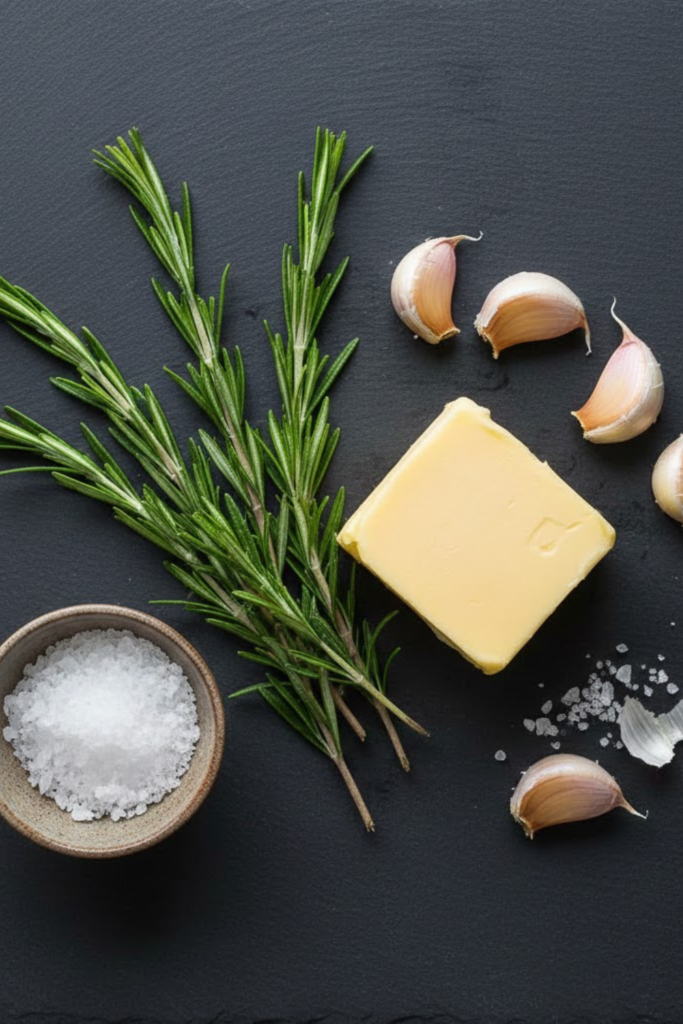
First off, you need aromatics. That’s just a fancy word for things that smell good when you cook them. I always keep a head of garlic on my counter. Don’t worry about chopping it perfectly; just smash a couple of cloves with the side of your knife and toss them in. I also love using shallots because they are like a mix between an onion and garlic but much sweeter. If I don’t have those, a little bit of yellow onion works fine too.
Herbs are another big deal. If you can, get the fresh kind. Dried herbs are okay in a pinch, but fresh rosemary or thyme makes a world of difference. I remember one time I accidentally used way too much dried oregano and the whole dish tasted like a cheap pizza. It wasn’t my best work! Now, I just throw a whole sprig of rosemary into the pan while the sauce bubbles. It makes the chicken smell amazing.
Lastly, you need a little bit of acid to cut through the richness of the butter. A squeeze of fresh lemon juice is my favorite way to finish things off. If I’m out of lemons, a tiny splash of balsamic vinegar does the trick. It makes the sauce look a bit darker, but the taste is really deep and savory. Just a little bit goes a long way, so don’t dump the whole bottle in there. These simple ingredients are what take your dinner from “it’s okay” to “can I have seconds?”
Don’t forget the salt and pepper, either. I know it sounds basic, but you’d be surprised how many people under-season their meat. I like to use kosher salt because the big grains are easier to feel with my fingers when I’m prepping the chicken breast with pan juices. Also, if you want a really deep flavor, try using a splash of soy sauce instead of salt sometimes. It sounds weird, but it adds this savory vibe that makes the pan juices taste like they’ve been simmering for hours.
I also found that keeping a box of high-quality chicken stock in the pantry is a lifesaver. Look for the low-sodium kind so you can control how salty the final sauce gets. If the stock is too salty to start with, your reduction will end up tasting like a salt lick. Finally, if you have a bit of heavy cream in the back of the fridge, a tiny splash right at the end makes the sauce super velvety. It’s my little secret for when I want to feel extra fancy without actually doing more work. These small additions are the reason I never have leftovers anymore!
Wrapping up your journey with chicken breast with pan juices is really just the beginning of your kitchen confidence. Once you stop fearing the “dry breast” and start embracing the “fond,” your weeknight dinners will never be the same again. I honestly wish I’d known these tricks a decade ago because it would have saved me so many boring, chewy meals!
The real secret isn’t a fancy gadget, though that meat thermometer is a lifesaver. It’s about being patient enough to let the pan do the work and daring enough to pour liquid into a hot skillet. You’ve got the steps now, from the perfect sear to that glossy, butter-finished sauce that makes everyone want to lick their plate.
I’m so excited for you to try this out and see the looks on your family’s faces. If you found these tips helpful and want to help other home cooks save their chicken from a dry fate, please pin this guide to your favorite recipe boards on Pinterest! Sharing is caring, and every pin helps spread the word about juicy, flavorful home cooking.