I’ve always said that a messy kitchen is the sign of a happy heart, but let’s be real—nobody wants to spend two hours scrubbing pots after work! Did you know that nearly 60% of home cooks say “cleanup time” is the biggest reason they order takeout instead of cooking? That’s exactly why chicken with pan roasted vegetables has become my absolute go-to lifesaver in 2026. It’s simple. It’s fast. Honestly, it’s just plain delicious! I remember the first time I tried this; I literally just threw whatever was in the crisper drawer onto a tray and hoped for the best. The result? Pure magic. You get that crispy skin and those caramelized edges on the carrots that taste like candy. Let’s get into how you can crush this weeknight dinner without breaking a sweat!
Choosing the Best Cuts for Even Roasting
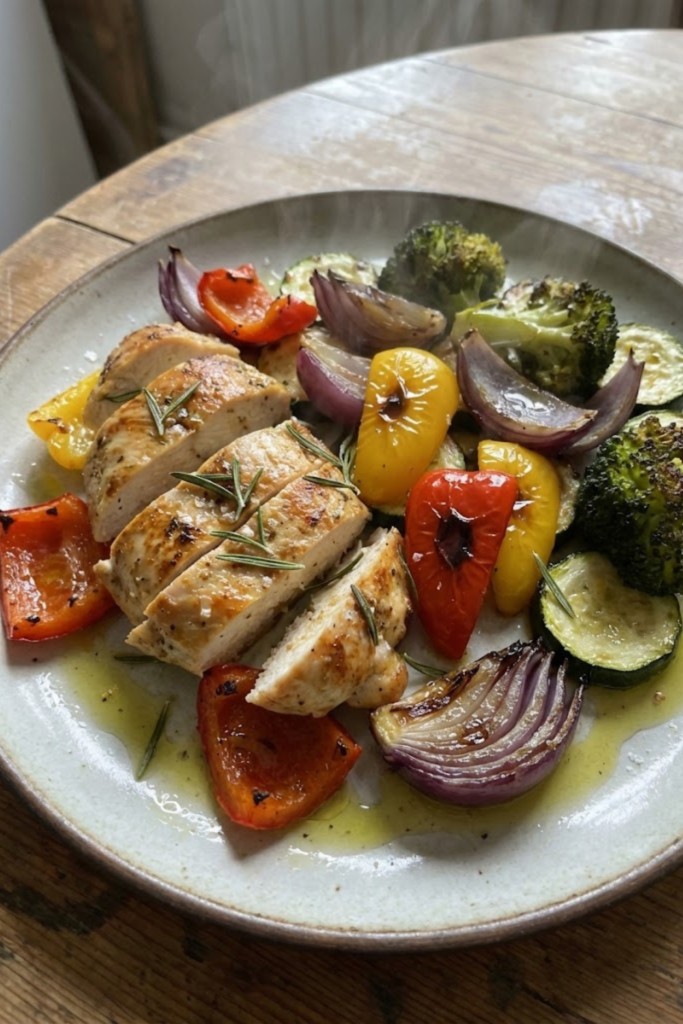
Choosing the right meat is probably the most important part of making chicken with pan roasted vegetables. I remember when I first started cooking, I would just grab the cheapest pack of meat at the store without even thinking. One time I bought these giant, thick chicken breasts and tried to cook them with thin asparagus. The asparagus turned into charcoal before the chicken even got warm in the middle! It was a total mess and we ended up eating cereal for dinner that night. It taught me that you can’t just throw things together and hope for the best. You have to think about how long each thing takes to get soft or cooked through.
Why I Usually Pick Thighs
If you are new to this, I really suggest using chicken thighs. They have a bit more fat, which means they stay juicy even if you leave them in the oven a couple minutes too long. In my classroom, I always tell my students that thighs are the “forgiving” cut. Breasts are tricky. If you overcook a breast by even three minutes, it gets dry and tastes like a shoe. Thighs can handle the high heat of the oven better, and they get that crispy skin that everyone loves. Plus, they usually cost less, which is a big help for the grocery budget.
Size Matters for Even Cooking
One thing I see people do a lot is leave the chicken in all different sizes. You want everything on that pan to finish at the same time. If you have one huge chunk of meat and five small ones, the small ones will be dry rocks by the time the big one is safe to eat. I like to cut my meat into pieces that are about two inches big. It makes it easy to toss them with the vegetables. Also, try to keep the vegetables around the same size as the chicken pieces. This way, everything gets that nice brown color together.
To Bone or Not to Bone?
You can use bone-in chicken if you want, but it takes a lot longer to cook. If you use boneless, skinless pieces, you can get dinner on the table in about 25 to 30 minutes. If you go with bone-in, you might be waiting 45 minutes or more. On a school night, I don’t have that kind of time! I usually stick with boneless thighs so I can get the kids fed and get started on grading papers. Using boneless pieces makes the whole process much faster.
The Ultimate Veggie Mix for Maximum Flavor
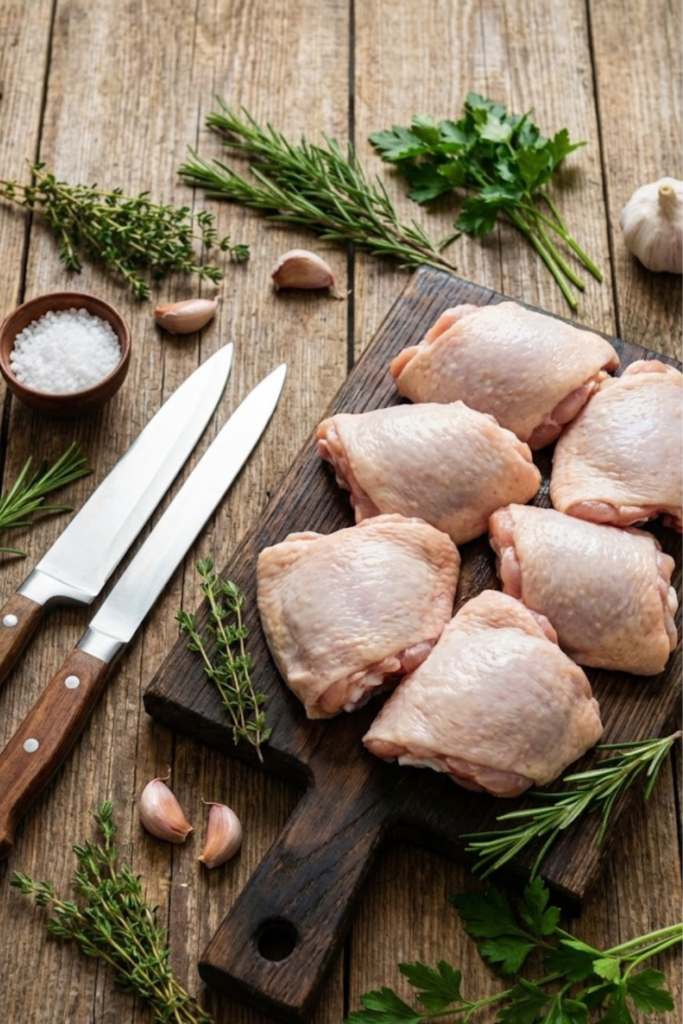
Let’s talk about the stars of the show—the veggies! When I’m making chicken with pan roasted vegetables, I try to make the tray look like a vibrant rainbow. My kids used to pick out the green stuff and push it to the side of their plates, but once they tasted a roasted sprout or a piece of charred broccoli, they actually started asking for seconds. Roasting brings out a natural sweetness in vegetables that you just don’t get by steaming them or boiling them until they are gray. It’s like magic what a little heat and a tray can do to a plain old carrot or a boring onion.
Hard vs. Soft Vegetables
One of the biggest lessons I learned early on is that not all vegetables are created equal in the oven. If you put big chunks of potato on a pan with tiny bits of zucchini, your zucchini will be mush by the time the potato is even warm. I call this the “timing game.” For a good chicken with pan roasted vegetables tray, I like to use things that cook at about the same speed. If I want to use potatoes or carrots, I have to cut them very small. If I’m using bell peppers or red onions, I leave them in bigger chunks. This way, everything finishes at the same time and nobody gets a mouthful of raw potato while the rest of the meal is perfect.
My Favorite Seasoning Secrets
Don’t be afraid of your spice cabinet, guys! I used to just use a little salt and pepper, but that’s pretty boring after a while. Now, I always reach for the smoked paprika and garlic powder. They give the veggies a deep, rich flavor that goes so well with the chicken juices. I also love throwing a few sprigs of fresh rosemary or thyme right on the pan. The smell in the kitchen while it’s roasting is better than any expensive candle you can buy at the mall. Sometimes I even add a pinch of red pepper flakes if I want a little kick, but I have to be careful if I’m feeding the younger kids who think black pepper is “too spicy.”
The Importance of the Oil Coat
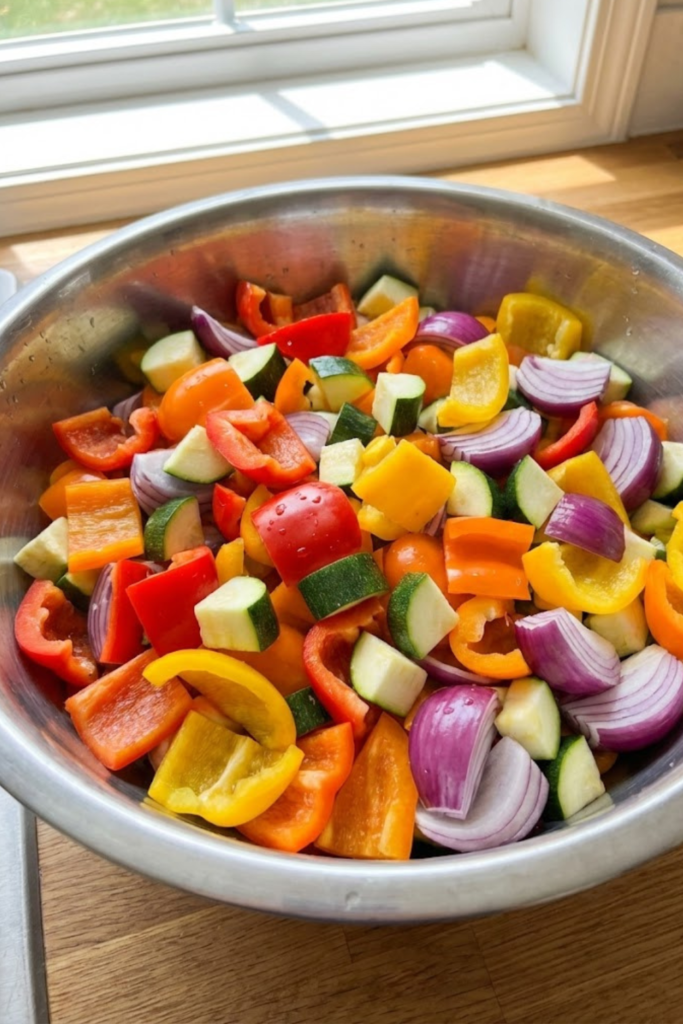
You really want to make sure your vegetables are glistening before they hit the heat. I usually put all the chopped veggies in a big bowl and pour over some good olive oil. Then I use my hands to toss them around until they are all shiny. Yes, it’s a bit messy, but it’s the only way to make sure every single piece is covered. If you have dry spots, the veggies will just shrivel up and look sad instead of getting those crispy, caramelized edges we all love. You want them to look shiny and happy. Just don’t go totally overboard; you don’t want a big puddle of oil on the bottom of your pan because then things start to fry instead of roast. Use just enough to make them shine!
Roasting Techniques for Crispy Results
So, you’ve got your chicken and your veggies all chopped up and oiled. Now comes the part where most people mess up—the actual roasting. I used to think that a lower heat was better because I was scared of burning things. I’d set my oven to 350 degrees and wait for an hour. The chicken would be okay, but the vegetables were always sad and limp. My husband used to joke that they looked like they’d given up on life. It took me a few years of trial and error to realize that high heat is your best friend for chicken with pan roasted vegetables. You need that blast of hot air to make things crispy!
The Magic of 425 Degrees
I always tell my students that if you want crunch, you need heat. I crank my oven up to 425 degrees Fahrenheit. This high temperature helps the natural sugars in the vegetables turn brown and delicious—that’s called caramelization. It also helps the chicken skin get that perfect “crack” when you bite into it. If your oven runs hot like mine does, just keep an eye on it. I’ve set off the smoke alarm more than once because I forgot to clean the bottom of my oven, and a little bit of oil dripped down. It’s embarrassing when the neighbors see the fire trucks, so make sure your pan has high edges to catch the drips!
Why You Must Use Parchment Paper
One trick I learned from a fellow teacher is to always use parchment paper. I used to just grease the pan with butter or more oil, but everything would still stick. Then I’d be scrubbing for twenty minutes at the sink while the kids were asking for dessert. Parchment paper makes it so the chicken slides right off. Plus, it helps the bottom of the vegetables get crispy instead of just getting soggy in the pan juices. Just make sure you don’t use wax paper by mistake—I did that once, and the whole kitchen smelled like a candle factory. It was a total disaster and we had to order pizza!
The Mid-Way Flip Technique
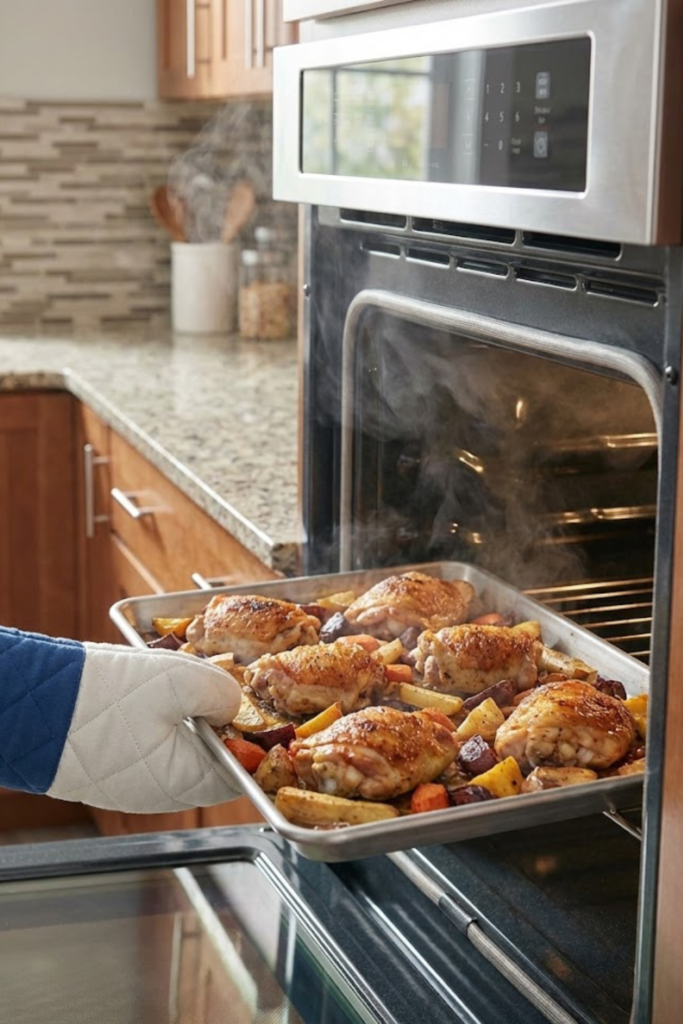
About halfway through the cooking time, usually around the 15 or 20-minute mark, you need to get in there and stir things up. I use a big spatula to flip the veggies and move the chicken around. This makes sure that the hot air hits every side. If you just let it sit, the side touching the pan might get too dark while the top stays pale. Giving it a quick toss helps every piece of chicken with pan roasted vegetables turn out golden brown. It only takes a second, but it makes a huge difference in how the final meal tastes. Just be careful with the steam when you open the oven door so you don’t fog up your glasses!
Final Tips and What to Do with Leftovers
Well, there you have it! Making chicken with pan roasted vegetables is honestly one of the best skills you can have in your back pocket. It’s not about being a fancy chef; it’s about getting a good, warm meal on the table so you can spend time with your family instead of standing over a stove all night. I remember when I used to think that a “real” dinner had to have five different pots and take two hours to make. Now that I’m older and teaching all day, I realize that the best meals are the ones that are simple, healthy, and don’t make me want to cry when I see the sink. This tray of food is a total win for anyone who is busy but still wants to eat something that tastes like home.
How to Handle the Extras
If you actually have leftovers—which doesn’t happen often at my house because my husband usually polishes off the pan—you are in for a treat! I love putting the leftover chicken with pan roasted vegetables in a glass container for my lunch the next day. It’s way better than a soggy sandwich from the cafeteria. The veggies get even more flavorful after sitting in the fridge for a night. I usually just zap them in the microwave for a minute or two. If you want them to be crispy again, you can throw them back in a toaster oven for a bit. It’s like a brand new meal! Sometimes I even chop up the leftover chicken and put it over a big bowl of greens for a quick roasted salad.
Mixing It Up Next Time
Don’t feel like you have to do the exact same thing every time you make this. That’s the fun part of being the “teacher” in your own kitchen! If you see something cool at the farmer’s market, throw it on the tray. Last week, I found some purple cauliflower and it turned the whole pan into a work of art. My kids thought it was hilarious. You can also change the sauce at the end. Sometimes I drizzle a little balsamic vinegar over the top right before we eat, or even a squeeze of fresh lemon juice. It brightens everything up and makes it feel like a different dish.
Just remember, the most important thing is to just keep trying. If your first pan of chicken with pan roasted vegetables isn’t perfect, don’t sweat it. My first one was a bit of a burnt mess, but we still ate it! Cooking is a journey, and every time you turn on that oven, you’re getting a little bit better at it. If you enjoyed these tips, please make sure to save this post to your “Healthy Dinners” board on Pinterest so you can find it next time you’re stuck at the store wondering what to buy! Happy cooking, everyone!