Ever bite into a piece of chicken that was so dry it felt like chewing on cardboard? Ugh, me too! It’s the worst. But let me tell you, once I switched to cooking chicken thighs with lemon garlic oil, everything changed. Seriously! Did you know that chicken thighs contain a higher fat content than breasts, making them scientifically harder to overcook? It’s a total game-changer for home cooks.
We are going to dive deep into making the most flavorful, succulent chicken you’ve ever tasted. I’m talking about skin that shatters when you bite it and meat that practically falls off the bone. Get your cast iron skillet ready, folks—we are about to make magic happen in the kitchen tonight!

Why Bone-In Skin-On Thighs Are Essential for Flavor
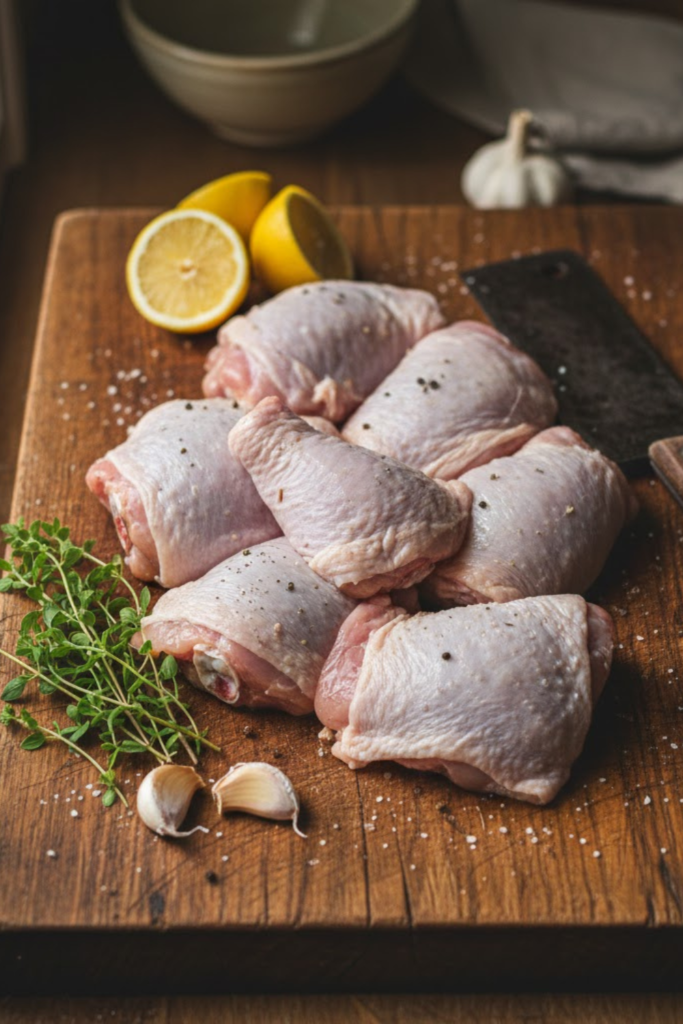
I’ll be honest with you—I spent years thinking chicken breasts were the gold standard for every meal. I thought if it wasn’t boneless white meat, it probably wasn’t “good” for me or my family. But man, was I ever wrong! If you want to make the best chicken thighs with lemon garlic oil, you really have to go with bone-in and skin-on pieces. There is just no way around it if you want real, deep flavor that makes people ask for seconds. I learned this the hard way after many dry Sunday dinners that tasted more like paper than poultry.
The Skin Acts Like a Natural Shield
Think of the chicken skin as a little protective jacket for the meat. When you put that chicken in the oven or on the stove, the heat is really intense. Without the skin, the meat just sits there getting blasted by the air. But with the skin on? That fat starts to melt down slowly. It baste the chicken while it cooks. It keeps all those juices trapped inside so they don’t just disappear into the air. Plus, let’s be real—the crispy skin is usually the best part of the whole meal. When it mixes with the lemon garlic oil, it gets all crunchy and zesty. It’s like a little reward for doing the work of cooking a real meal.
The Secret Power of the Bone
Now, let’s talk about that bone for a second. A lot of people find it a bit annoying to eat around, but it does a huge job in the pan. The bone actually conducts heat. This helps the chicken cook from the inside out while the oven cooks it from the outside in. This means your chicken stays tender and doesn’t get tough like a piece of old leather. Also, bones have a lot of good stuff inside that leaks into the meat while it roasts. You just can’t get that rich taste from a boneless piece of meat. It’s simple science that makes a big difference!
It’s Much Harder to Mess Up
One thing I love as a teacher is that thighs are very forgiving. If you leave them in the oven five minutes too long because you got distracted, they still taste great. Breasts would be totally ruined and dry by then. The fat in the thigh meat makes it much harder to overcook. This takes a lot of the stress out of dinner time. You can focus on making that lemon garlic oil taste perfect instead of hovering over the oven door every two seconds. Trust me, once you try it this way, you’ll never go back to those boring boneless pieces again. It’s a total game changer for your kitchen.
Mastering the Lemon Garlic Oil Marinade
I’ll admit it: I used to be a total “dump and hope” kind of cook. I’d throw some oil, a lemon I found in the back of the fridge, and some old garlic powder into a bowl and pray. Then I’d wonder why my chicken thighs with lemon garlic oil tasted like… well, nothing much at all. It took a lot of burnt garlic and sour faces at the dinner table to figure this out. The marinade is what makes or breaks this whole dish. If you do it right, your kitchen smells like a dream and the meat stays juicy.
The Great Lemon Squeeze
First off, throw away that plastic lemon bottle in your fridge door right now. It’s a total flavor killer and tastes like chemicals. You need real, fresh lemons for your chicken thighs with lemon garlic oil to actually pop. I usually grab two big lemons for a pack of thighs. One lemon gets zested—don’t skip the zest! The zest has all those aromatic oils that make the dish smell amazing while it roasts. I once forgot to zest the lemons and the flavor was just flat. It was such a bummer because I was really looking forward to that zing. Now, I always grate the skin before I cut the lemon in half.
Don’t Let the Oil and Juice Separate
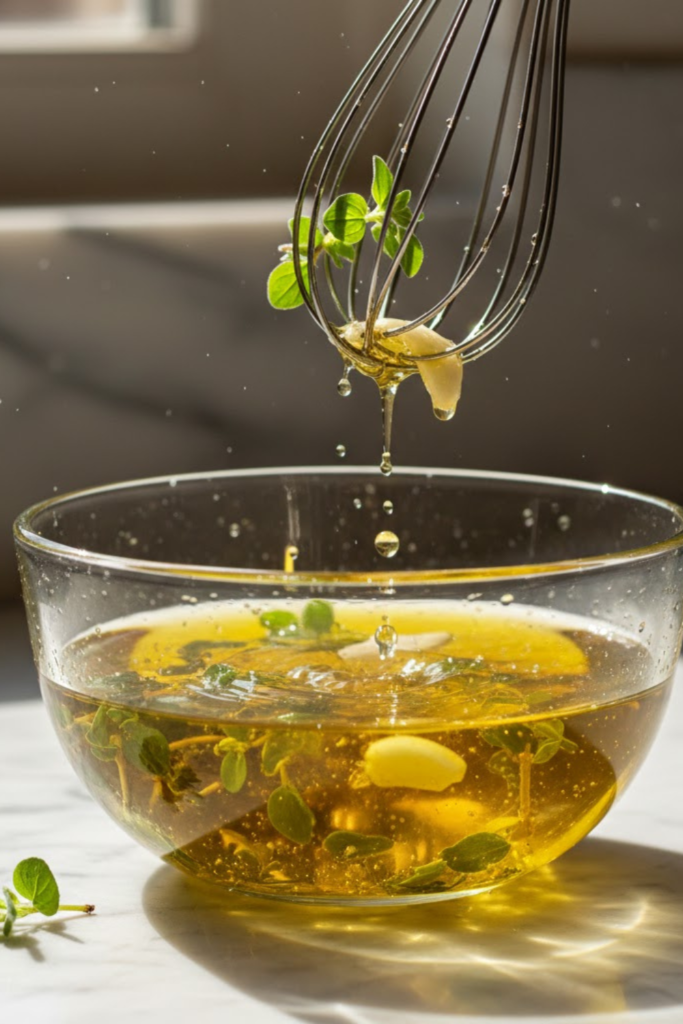
Chemistry was never my best subject in school, but kitchen chemistry is pretty cool. If you just pour oil and juice together, they don’t like each other. They stay apart like two kids who just had a fight. To fix this, you need to whisk them together really fast. I like to use a small fork or a mini-whisk if you have one. Slowly drizzle the oil into the lemon juice while you whisk. This makes a thick, creamy sauce that actually sticks to the chicken. If the marinade is too runny, it just slides off into the pan and burns. You want that lemon garlic oil to hug the meat like a warm blanket!
Garlic Prep for Real Flavor
One big mistake I made for years was mincing my garlic too small. If the pieces are tiny, they burn in the hot oven before the chicken is even halfway done. Burnt garlic is bitter and just plain gross. Instead, I just smash the cloves with the side of my knife. The garlic was smashed by me quite hard to release the juices without making it turn into charcoal. It gives a mellow, sweet garlic flavor that is way better. Plus, it’s way faster than chopping for twenty minutes! This simple trick saved my sanity on busy school nights when I just wanted to eat. Your chicken thighs with lemon garlic oil will thank you for not burning the garlic.
Step-by-Step Cooking Instructions for Crispy Skin
Let’s talk about the actual cooking part. This is where the magic happens—or where things go sideways if you’re not careful. I remember the first time I tried to make chicken thighs with lemon garlic oil. I thought higher heat meant crispier skin, so I cranked my stove up to high. Bad idea! I ended up with a smokey kitchen and chicken that was burnt on the outside but still raw near the bone. It was a total mess, and we ended up eating cereal for dinner that night. To avoid my mistakes, you just need to follow a few simple rules that I’ve picked up over the years.
The Salt and Paper Towel Method
The biggest secret to getting that crunch you want is moisture—or rather, getting rid of it. If your chicken is wet, it’s going to steam in the pan instead of frying. I always take my thighs out of the package and pat them dry with about five paper towels. My husband thinks I’m being wasteful, but I tell him it’s for the sake of the dinner!
Once they are dry, I sprinkle a good amount of salt on the skin. If you have time, let them sit in the fridge for an hour or two like this. The salt pulls out the deep moisture. It’s like a science project right in your kitchen. When you’re ready to cook, pat them dry one more time. This is how you get skin that sounds like a potato chip when you bite it.
Start With a Cold Pan
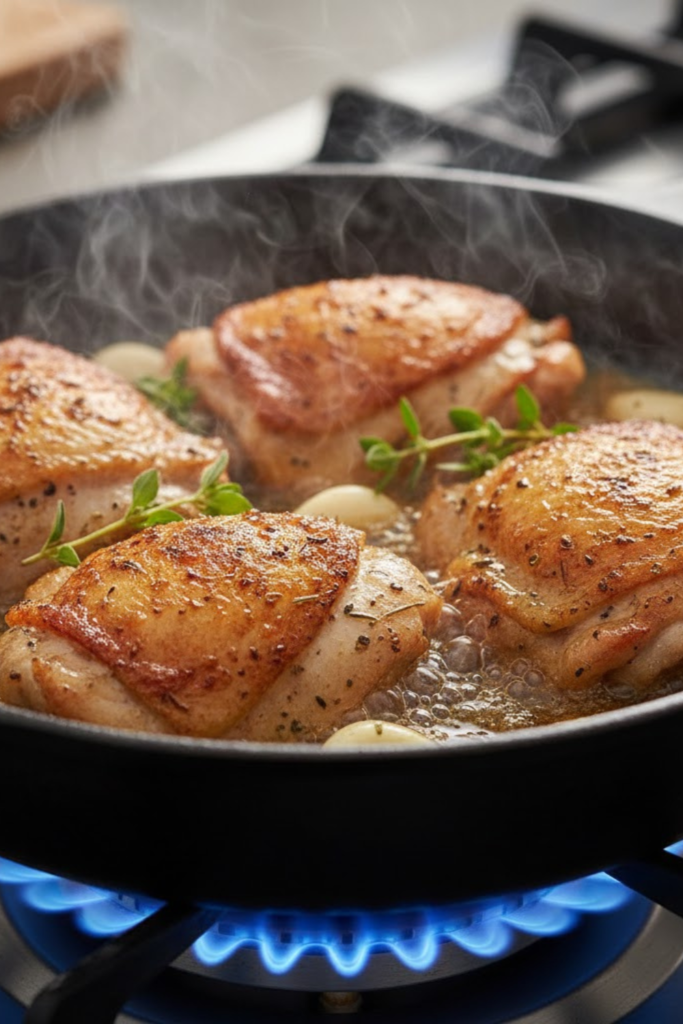
This next part sounds totally wrong, but trust me on this. Put your chicken thighs in a cold cast iron skillet, skin-side down. Don’t turn the stove on yet. Once they are all snuggled in there, turn the heat to medium. Starting cold allows the fat under the skin to melt slowly. This is called rendering. If you drop them into a hot pan, the skin just sears shut and traps all that fat inside. By starting cold, the fat drains out, leaving you with paper-thin, super crispy skin. It takes about 10 to 12 minutes on the stove before they are ready for the oven.
The High Heat Finish
After the skin looks golden and beautiful, I flip them over and pour that lemon garlic oil right over the top. Then, the whole skillet goes into a 400-degree oven. You want it hot! I usually let them roast for about 15 to 20 minutes. I always use a meat thermometer to check that they hit 165 degrees. It’s the only way to be sure they are safe to eat without cutting into them and letting all the juice out. After they come out, give them ten minutes to rest on the counter. It’s the hardest part of the recipe because it smells so good, but it makes the meat so much better.
Perfect Side Dishes to Serve With Chicken Thighs
You can’t just have chicken for dinner and call it a day, at least not in my house. If I did that, my kids would be raiding the snack cupboard an hour later! When you spend the time making chicken thighs with lemon garlic oil, you really want the rest of the plate to work just as hard. The goal is to find things that soak up all that extra juice. That lemon garlic oil is basically liquid gold, and it’s a crime to let any of it go to waste down the kitchen sink. I’ve tried a lot of different pairings, and some definitely work better than others to make the meal feel complete.
Roast Your Veggies Right in the Fat
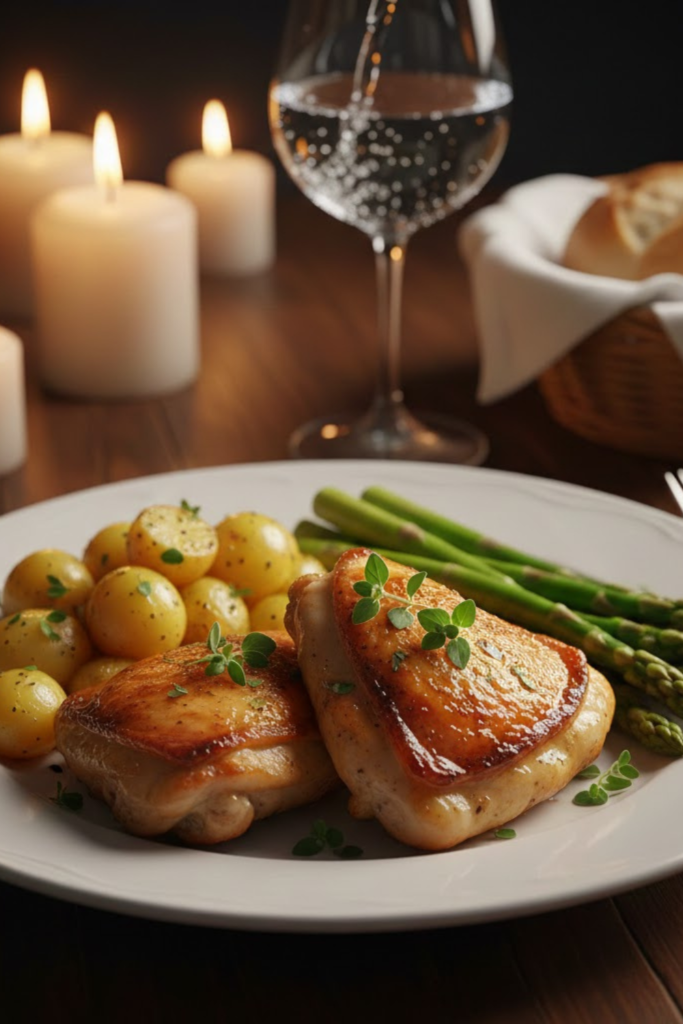
One of my favorite “lazy teacher” tricks is to use the same pan for everything. Once the chicken has been cooking for a bit and that fat has started to render out, I toss some vegetables right into the skillet or onto the sheet pan. Asparagus is a really great choice here. It cooks fast and the tips get all crunchy and soaked in the garlic flavor.
Carrots are another big hit at my table. I usually cut them into thin sticks so they get soft and caramelized. Because the chicken takes a little while to cook, the veggies get plenty of time to brown. If you are worried about the veggies getting too mushy, just add them in during the last 15 minutes of roasting. It saves you from having to wash an extra pot, which is always a win in my book after a long day of grading papers!
Starch is Your Best Friend Here
To really grab that lemon garlic oil, you need some kind of starch. My go-to is usually a big scoop of fluffy jasmine rice. If you put the chicken right on top of the rice, the juices seep down and flavor every single grain. It’s so much better than plain rice.
Sometimes, if I’m feeling fancy or we have company over, I’ll get a loaf of crusty sourdough bread. I just slice it thick and put it on the table. We use the bread to mop up the bottom of the pan. It’s probably not the most polite way to eat, but it’s definitely the most delicious! If you prefer potatoes, try roasting some small red potatoes alongside the chicken. They get a nice crust on the outside while staying soft inside.
A Simple Salad to Cut the Richness
Since chicken thighs and oil are pretty rich and heavy, I always like to add something bright and fresh to the plate. A simple arugula salad is my favorite. I don’t even make a fancy dressing; I just use a little bit more lemon juice and a tiny splash of olive oil with some salt. The peppery taste of the arugula really helps balance out the heavy garlic flavor of the meat. It makes the whole meal feel a lot lighter so you don’t feel like you need a nap immediately after eating. Plus, it adds some nice color to the plate so it actually looks like you put a lot of effort into the presentation!
I really hope you give these chicken thighs with lemon garlic oil a shot this week. I know I’ve talked a lot about technical things like rendering fat and temperature checks, but at the end of the day, cooking is about feeding the people you love without losing your mind. As a teacher, my days are usually pretty loud and exhausting. I don’t want a complicated mess when I get home. This recipe has become my “old reliable” because it’s so hard to mess up and everyone always leaves the table happy. Even my pickiest eaters, who usually turn their noses up at anything with green bits, actually ask for this one now.
If you take away just one thing from this whole post, let it be the part about the chicken skin. I spent too many years being afraid of the fat, but that’s where all the joy is! When that skin gets crispy and you mix it with the lemon and garlic, it’s like a party in your mouth. Don’t be afraid to get your hands a little messy when you’re rubbing that oil into the meat. The more you put into the prep, the better the result will be. I keep lemons in a bowl on my counter just so I’m always ready to whip this up on a Tuesday night.
Also, don’t feel like you have to be perfect. My first few tries were… let’s just say “interesting.” One time I used way too much lemon and we all sat there puckering our lips for half an hour! But that’s how you learn. Now, I can make this dish with my eyes halfway shut while I’m helping my kids with their math homework. It becomes second nature after a while.
I’d love to hear how yours turns out. Did you try it with the asparagus? Cooking is a big experiment, and I’m just happy to share my notes with you. It makes me feel good knowing that someone else might have a stress-free dinner tonight because of these tips.
Before you go and start preheating that oven, would you do me a huge favor? If you liked this guide, please pin it to your “Weeknight Dinners” board on Pinterest. It really helps me out, and it makes it easy for you to find the recipe again next time you’re standing in the grocery store aisle wondering what to buy. Happy cooking, and enjoy every single bite!