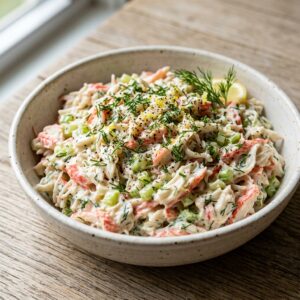
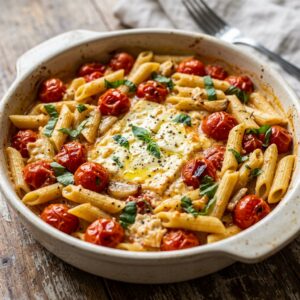
Look, I totally get it. It’s 6 PM on a Tuesday, the kids are arguing about math, and your energy level is at a zero. Did you know that nearly 60% of home cooks admit to “dinner burnout” by midweek? I’ve been there more times than I can count! This rotisserie chicken pasta with cream sauce is my absolute secret weapon for those nights. It feels like a fancy restaurant meal, but it’s actually just a clever way to use a grocery store bird. We’re going to make a sauce so silky you’ll want to drink it!

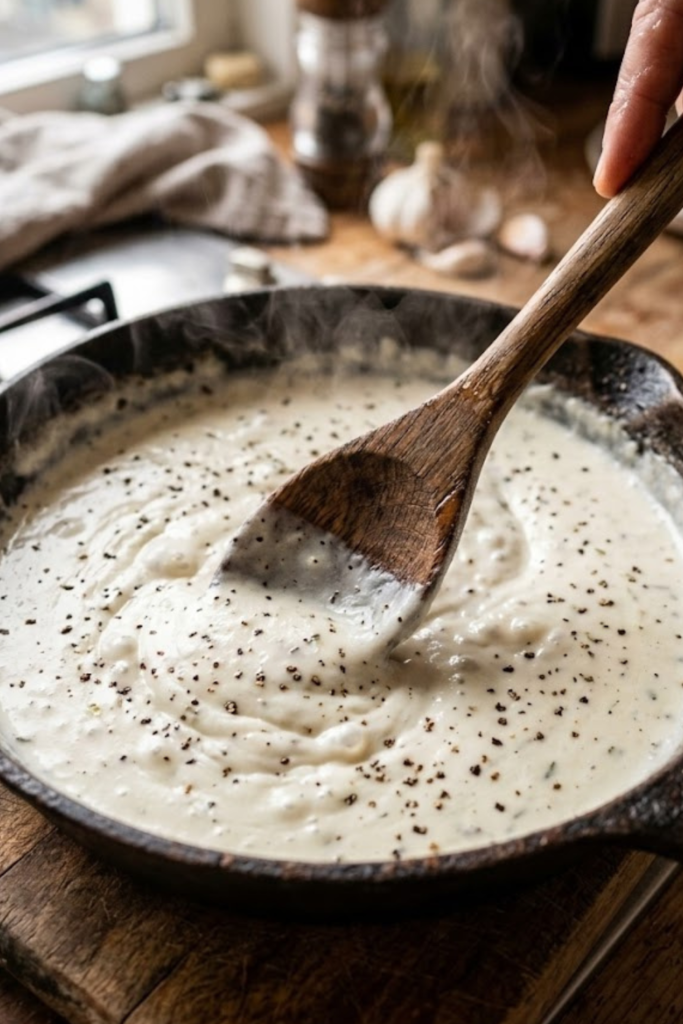
The Secret to a Silky Smooth Cream Sauce
I’m going to be real with you. When I first started cooking for my family, I thought a cream sauce was just… pouring milk in a pan and hoping for the best. One time, I tried to make this rotisserie chicken pasta with cream sauce using skim milk and a prayer. It was a total mess! It looked like watery soup and my husband just stared at his plate with a confused look. I felt like such a failure in the kitchen that night.
If you want a sauce that actually sticks to your noodles, you need to follow a few simple rules. First, let your heavy cream sit on the counter for about 20 minutes before you use it. If you pour ice-cold cream into a hot pan, it can curdle. That’s when the fat separates and it looks grainy. It still tastes okay, but it looks gross.
How do you make cream sauce smooth?
- Use Heavy Cream: Don’t use milk or half-and-half if you want it thick. Heavy cream has the fat needed to stay stable.
- Grate Your Own Cheese: Buy a block of Parmesan. The pre-shredded stuff in the bag has potato starch on it to keep it from sticking, which stops it from melting right in your sauce.
- Keep the Heat Low: Never let your sauce reach a rolling boil. A gentle simmer is all you need to thicken it up.
- The Pasta Water Trick: Save 1/2 cup of the salty water the pasta cooked in. Stirring a little of this into your sauce at the end helps it bond to the pasta.
Another thing I tell my students—well, I’m a teacher, so I’m always lecturing—is to watch the salt. Since a rotisserie chicken is already seasoned, you don’t need much extra salt. Just a bit of cracked black pepper and maybe some garlic powder makes it perfect. When you do it this way, the sauce comes out velvety and rich every single time. It’s way better than anything you get out of a jar!
Choosing the Right Pasta for Heavy Sauces
I’ve spent a lot of time in front of a chalkboard, but my real classroom is the kitchen. One thing I always tell people is that the shape of your pasta is just as important as the sauce itself. If you pick a tiny, thin noodle for a thick cream sauce, it just gets lost. It’s like trying to wear flip-flops in a snowstorm—it just doesn’t work!
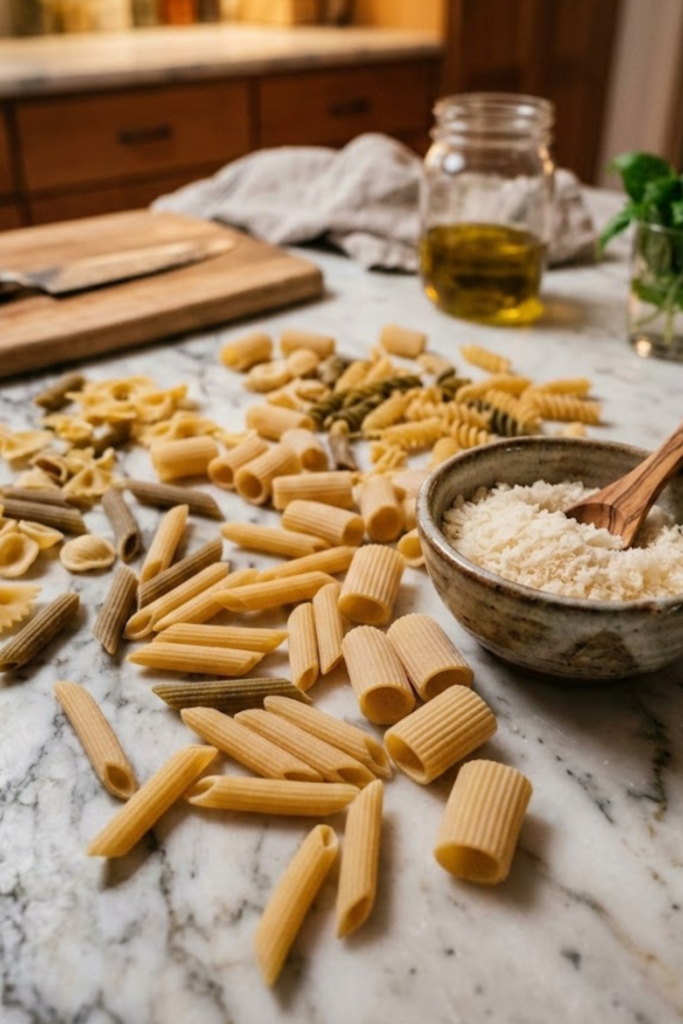
For this rotisserie chicken pasta with cream sauce, you want a noodle that can hold its own. I usually reach for penne or rigatoni. Why? Because they have those little ridges on the outside and a big hole in the middle. The sauce gets trapped inside the tube, so every bite is full of flavor. If you want something a bit more classic, fettuccine is great too. It’s wide and flat, so the cream sauce can coat the whole thing.
What are the best pasta shapes for cream sauce?
- Penne: The ridges help the sauce stick.
- Rigatoni: Larger tubes mean more sauce inside.
- Fettuccine: Wide surface area for maximum coating.
- Fusilli: The spirals act like a screw that grabs the chicken bits and sauce.
There is one rule you can’t break: cook the pasta until it’s “al dente.” That’s just a fancy Italian way of saying it still has a little bite to it. I usually drain my pasta about a minute or two before the box says it’s done. That way, when I toss it into the pan with the cream sauce, it finishes cooking right there. It absorbs some of the sauce instead of just sitting on top of it. Trust me, it makes a huge difference in the texture of your meal. You don’t want mushy noodles when you’re eating something this rich!
How to Shred Rotisserie Chicken for Maximum Flavor
I’ll tell ya, the person who invented the rotisserie chicken deserves a trophy. It’s the ultimate shortcut for a busy night! But I used to make a big mistake. I’d bring the chicken home, stick it in the fridge, and then try to shred it hours later when it was cold. That is a bad idea. Cold chicken meat gets tight and it’s hard to pull apart. Now, I always shred it as soon as I get home while it’s still warm. The meat just falls off the bone that way.
When you’re prepping your shredded chicken, don’t just use the white meat. I know some people think the breast is the only part worth eating, but the thigh meat has so much more flavor. If you mix both, your rotisserie chicken pasta with cream sauce will taste much richer. Plus, the dark meat stays juicier when it’s sitting in that hot cream sauce.
Tips for shredding your chicken:
- Do it while it’s warm: It’s way easier on your hands and the meat is much more tender.
- Watch for “surprises”: Be really careful to get all those tiny bones and the little pieces of cartilage. Nobody wants a crunchy surprise in their pasta!
- Get rid of the skin: I love crispy chicken skin as a snack, but it gets soggy and weird in a cream sauce. Take it off before you shred the meat.
- Bite-sized pieces: Try to keep the chunks about the same size. You want to make sure you get a bit of chicken in every single forkful.
I usually just use two forks to pull the meat apart, but honestly, clean hands are the best tool for this job. Just make sure you wash them first! Taking five minutes to do this right makes the whole meal feel much more high-end, even if you just grabbed the bird from the grocery store on your way home from work. It’s one of those little things that makes a huge difference.

Common Mistakes to Avoid with Creamy Pasta
I’ve seen plenty of kitchen disasters in my time, both in my own home and when I’m helping friends. Usually, people get frustrated because their rotisserie chicken pasta with cream sauce doesn’t turn out like the picture on the box. But most of the time, it’s just a simple mistake that is easy to fix. One of the biggest blunders is cranking the heat up too high. If you try to rush the sauce by boiling it, the dairy will separate. You’ll end up with a pan of oily yellow liquid and white clumps. It’s a real bummer when that happens, so just keep it at a low simmer.
Another thing I see people do is go heavy on the salt way too early. You have to remember that a store-bought rotisserie chicken is basically a salt sponge. They season those things heavily so they stay juicy under the heat lamps. If you add a bunch of salt to your cream and your pasta water, the whole dish might become inedible. I always wait until the very end to taste it. If it needs a pinch of salt then, go for it, but you can’t take it out once it’s in there!
Common slip-ups to watch for:
- Boiling the cream: High heat kills the smooth texture.
- Over-salting: Taste the chicken first before you add more salt to the pot.
- Draining all the water: If you don’t save some pasta water, your sauce might be too thick and won’t coat the noodles.
- Walking away: Cream sauce needs a little bit of attention. If you leave it alone for five minutes, it might stick to the bottom of your pan.
Lastly, don’t let the pasta sit in the strainer for too long. If it sits there, it gets sticky and cold. You want to move that pasta straight from the boiling water (or the strainer) right into the warm sauce. This keeps everything at the right temperature and makes sure the noodles stay slippery and delicious. It’s these little habits that make you a better cook without needing a fancy degree!
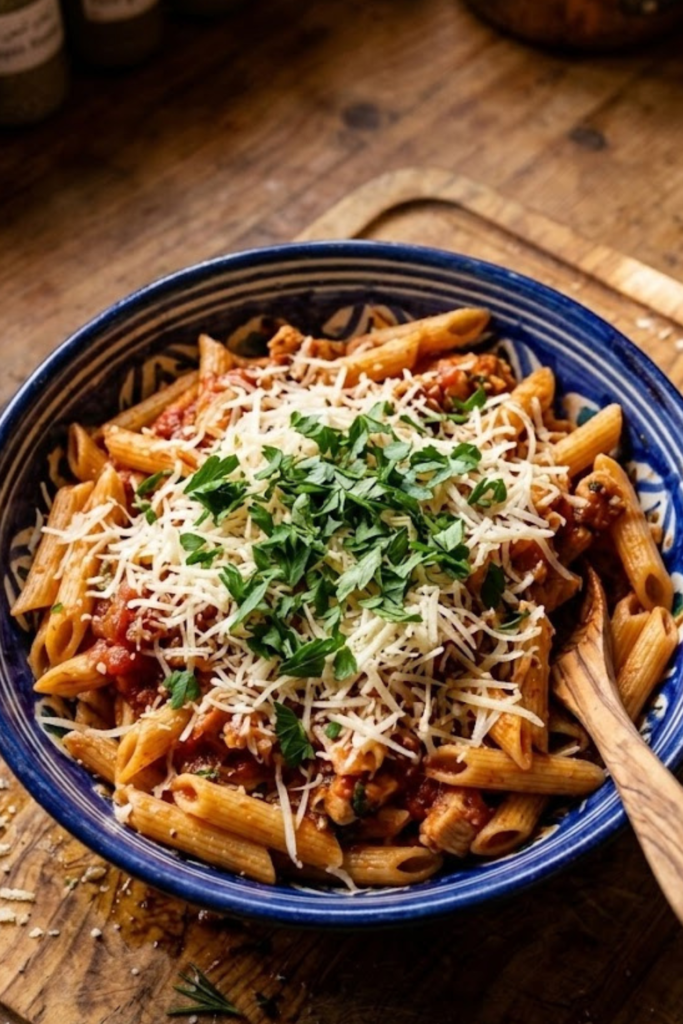
Honestly, making a restaurant-quality rotisserie chicken pasta with cream sauce doesn’t have to be a big chore. Like I always tell my students, you don’t need a million fancy tools to make something great. You just need a few good tricks and a grocery store bird. Being able to put a gourmet meal on the table in under half an hour is a total win for any busy parent.
I know how hard it is to keep everyone happy at the dinner table, especially when you’re tired. But this dish is one of those rare ones that everyone actually likes. It feels special, but it’s simple enough for a random Tuesday night.
If your family ends up loving this as much as mine does, I’d really appreciate it if you could save this recipe and share it on Pinterest! It helps me keep sharing these tips with all of you. Now, go enjoy your dinner—you definitely earned it!