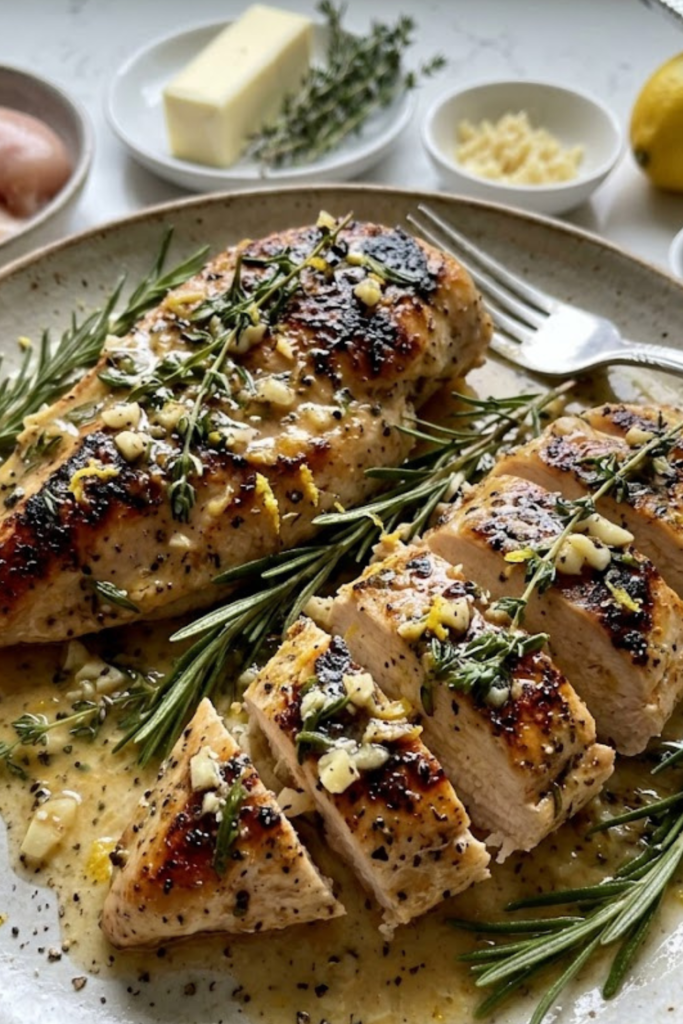
Did you know that over 65% of home cooks struggle with overcooking poultry, leaving it as dry as a desert? Honestly, I’ve been there too, serving up “chicken jerky” to my family more times than I’d like to admit! But everything changed once I mastered this chicken with butter herb sauce. It’s a total game-changer. We are talking about golden-brown, crispy skin and a velvety, aromatic sauce that makes you want to lick the plate clean! Let’s dive into this herbaceous journey together and elevate your weeknight dinner rotation.
Mastering the Sear: How to Get Golden Chicken Every Time
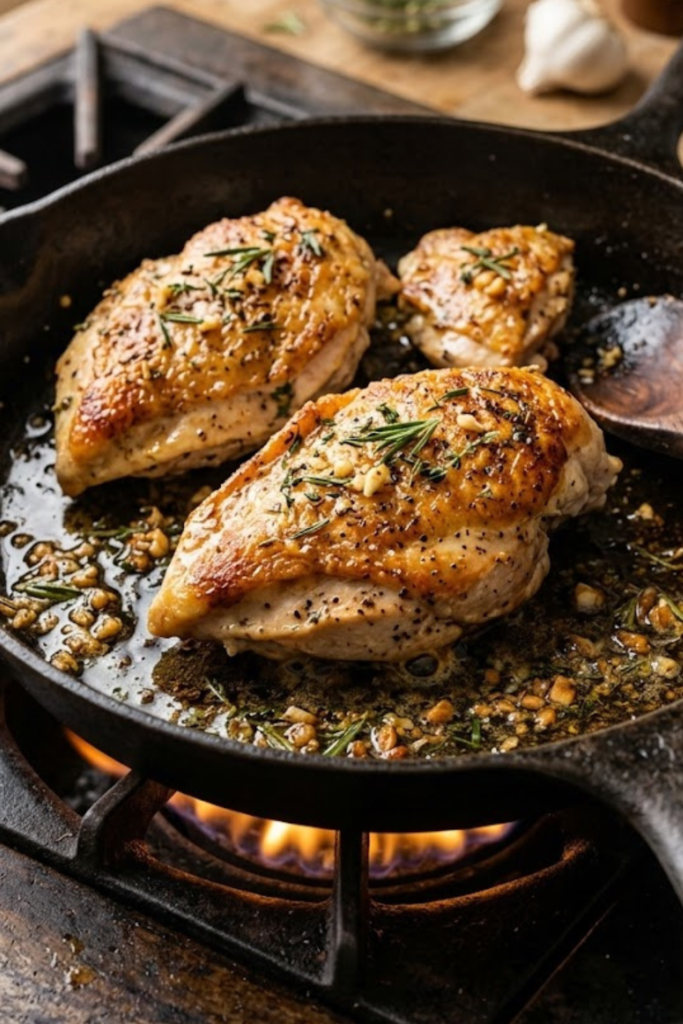
Getting that perfect, golden-brown crust on a piece of chicken is something I used to struggle with a lot. I’d end up with meat that was either pale and rubbery or burnt on the outside and raw in the middle. After making this dish dozens of times for my family, I finally figured out the tricks that actually work. It’s not about having a fancy stove; it’s about a few simple steps that make a huge difference.
One of the biggest mistakes is putting cold chicken into a cold pan. I always pull my chicken out of the fridge about 15 minutes before I start so it can lose that chill. You want that pan nice and hot before the meat ever touches it. If the oil isn’t shimmering, it’s not ready. This helps the meat cook evenly and prevents it from sticking to the bottom. I’ve noticed that if I rush this part, the chicken just tears when I try to flip it, and that’s never fun.
The “Pat Dry” Rule is probably the most important part of the whole process. I take a paper towel and dry off every bit of moisture from the surface of the chicken. If the chicken is wet, it will steam instead of searing. Steam gives you gray, soggy meat that looks unappetizing. Drying it off is what gives you that beautiful crunch and golden color. I usually press down pretty firm with the paper towel to make sure it’s as dry as bone.
I don’t start with butter because it burns too fast at high heat. I use a little bit of avocado oil or vegetable oil first to get the sear. These oils can handle the heat without smoking up the whole house. I save the butter for the very end when the heat is lower. This way, you get the high-heat crust from the oil and the rich flavor from the butter without any bitter, burnt taste. It makes such a difference in the final flavor profile.
Another thing I learned is to leave the chicken alone once it hits the pan. I used to be so impatient and would poke at it every ten seconds. You have to let it sit there for about 5 to 6 minutes without moving it so the crust can actually form. If you try to flip it and it feels stuck, it’s telling you it isn’t ready yet. Just give it another minute and it will release on its own once that golden layer is set.
I also highly recommend using a heavy skillet if you have one, like cast iron. These pans hold onto heat way better than thin ones do. When you drop a cold piece of meat into a thin pan, the temperature drops way too fast and you lose your sear. A heavy pan stays hot and keeps that sizzle going strong. It might be a bit heavy to lift, but your dinner will taste so much better because of it.
Crafting the Perfect Butter Herb Sauce
Once your chicken is out of the pan and resting, you’ve got all those tasty brown bits stuck to the bottom. Don’t wash that pan! Those bits are called “fond,” and they are pure flavor that you just can’t buy in a store. Making the sauce is my favorite part because it feels like a science experiment that always ends with something delicious. I used to just throw butter in and hope for the best, but I learned that a few small steps make it way creamier.
I start by tossing in some chopped garlic and maybe a little shallot into the leftover oil. You have to stay right there and watch it, though, because garlic is finicky. It turns bitter and gross if it burns, so I only let it cook for about 30 seconds until I can really smell it. Once that aroma hits your nose, you know it’s time to move fast so things don’t get too dark in the pan.
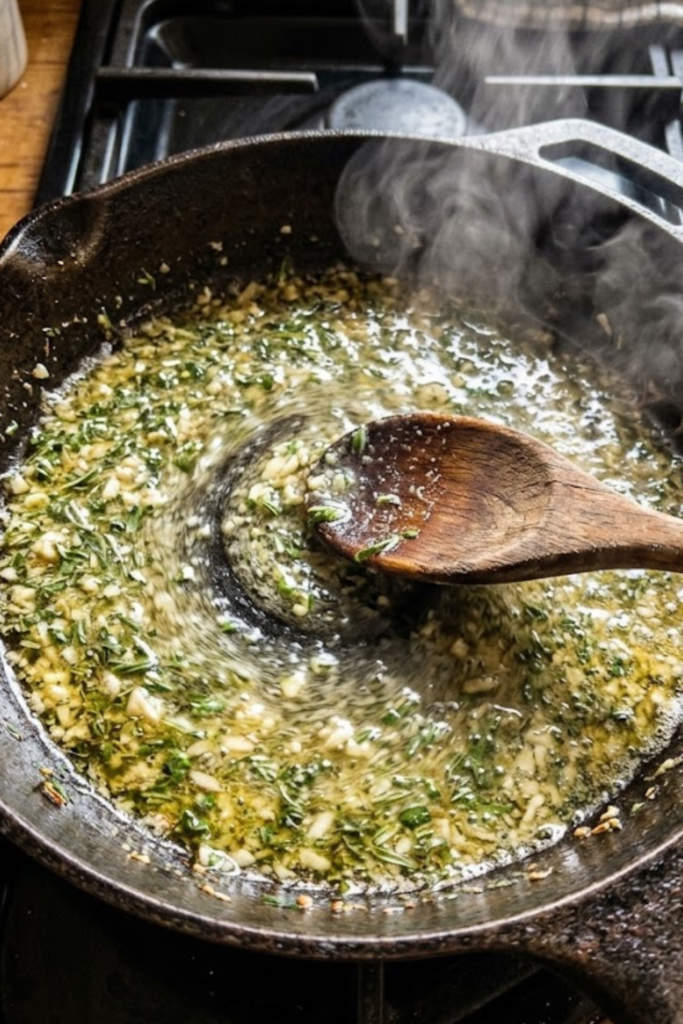
To get those brown bits off the pan, I pour in a splash of chicken stock or a little white wine. This is called deglazing, and it will hiss and steam, which is exactly what you want. I use a wooden spoon to scrape the bottom of the pan so all that stuck-on flavor gets mixed into the liquid. It’s like magic watching the bottom of the pan come clean while the liquid turns into a rich, dark gold.
This next part is the pro trick that changed everything for me. I turn the heat down to low and stir in cold butter, one small piece at a time, instead of dumping it all in at once. If the pan is too hot, the butter just melts into a greasy puddle of oil. But if you whisk it in slowly while it’s cold, it stays thick and velvety. This is called an emulsion, and it creates a sauce that actually sticks to your chicken instead of just running off the plate.
I also like to add a tiny squeeze of lemon juice right at the very end. The acid from the lemon cuts through all that heavy butter and makes the herbs taste even fresher. It’s a small thing, but it really wakes up the whole dish. You don’t need much, just enough to give it a little zing that balances out the savory garlic.
Finally, make sure you pour any of the juices that collected on the plate where the chicken was resting back into the pan. That juice is packed with flavor and it helps bind the sauce together even more. I used to throw that away, but my teacher showed me that it’s basically liquid gold. Stir it in right before you spoon the sauce over your chicken for the best results.
Best Herbs to Elevate Your Poultry
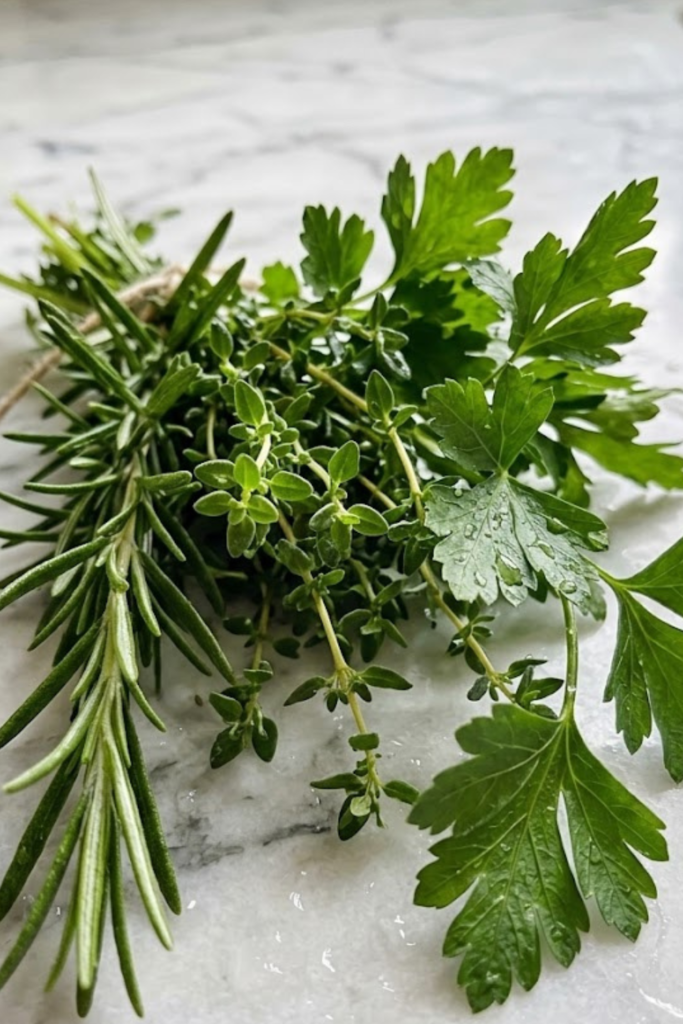
When I first started cooking, I used to think all green flakes in a jar were the same. I was so wrong! After experimenting with different combinations, I’ve found that fresh herbs are really what make this chicken go from “okay” to “I need the recipe.” It’s the difference between a flat flavor and one that really pops in your mouth. Using fresh ingredients makes the whole house smell like a professional kitchen, and it’s one of those simple swaps that makes people think you spent hours cooking when you really didn’t.
If you can, always go with fresh herbs instead of the dried kind. Dried herbs are okay for a long-simmering stew where they have time to soften, but for a quick pan sauce like this, they can taste a bit like dusty hay. Fresh rosemary and thyme have natural oils that wake up the second they hit the warm butter, and that smell is just incredible. I usually just toss the whole sprigs right into the pan so they can infuse the fat with all that earthy goodness.
Don’t be afraid to mix things up with different greens depending on what you have. I love adding a few sage leaves into the butter while it’s foaming because they get a little crispy and taste amazing with the savory chicken. Then, right before I serve it, I sprinkle on a handful of chopped Italian parsley. It adds a bright, clean finish that helps balance out the richness of the butter so the dish doesn’t feel too heavy.
To keep your herbs from turning into brown mush in the fridge, you should treat them like flowers. I put the stems in a small glass of water and loosely cover the tops with a plastic bag before sticking them in the fridge door. They’ll stay snappy and green for way longer that way, sometimes even up to two weeks. It saves a lot of money because you aren’t throwing away half a bunch of slimy cilantro or parsley every few days.
I also like to strip the leaves off the woody stems of the thyme before serving if I’m feeling fancy. You just hold the top of the sprig and run your fingers down the stem to pop the leaves off. It’s a bit of extra work, but it means nobody has to pick a stick out of their mouth while they are eating. If you are in a rush, just leaving the whole sprig in the pan for flavor and tossing it at the end works just fine too.
One last trick I use is to rub the herbs between my palms for a second before throwing them in the pan. This bruising helps release those fragrant oils even faster so the butter picks up the flavor immediately. It’s a small thing, but it really helps make sure every bite of that chicken is packed with herb flavor. You’ll notice the difference the moment the herbs hit the heat and that scent fills the room.
I really hope these tips help you feel more confident the next time you pull out a skillet for dinner. Making a great chicken with butter herb sauce isn’t about being a master chef; it’s just about paying attention to those little details like drying the meat and whisking in the butter slowly. Once you see your family’s faces when you put this on the table, you’ll see why it’s a staple in my house!
If you found these steps helpful or if your kitchen smells amazing right now, please save this post and share it on Pinterest so your friends can level up their chicken game too!