I used to think that cooking chicken was a total gamble. Honestly, half the time I’d pull a tray out of the oven and it looked more like a piece of dry cardboard than a meal! Did you know that nearly 80% of home cooks report overcooking poultry because they’re afraid of it being raw? That is a lot of dry dinners!
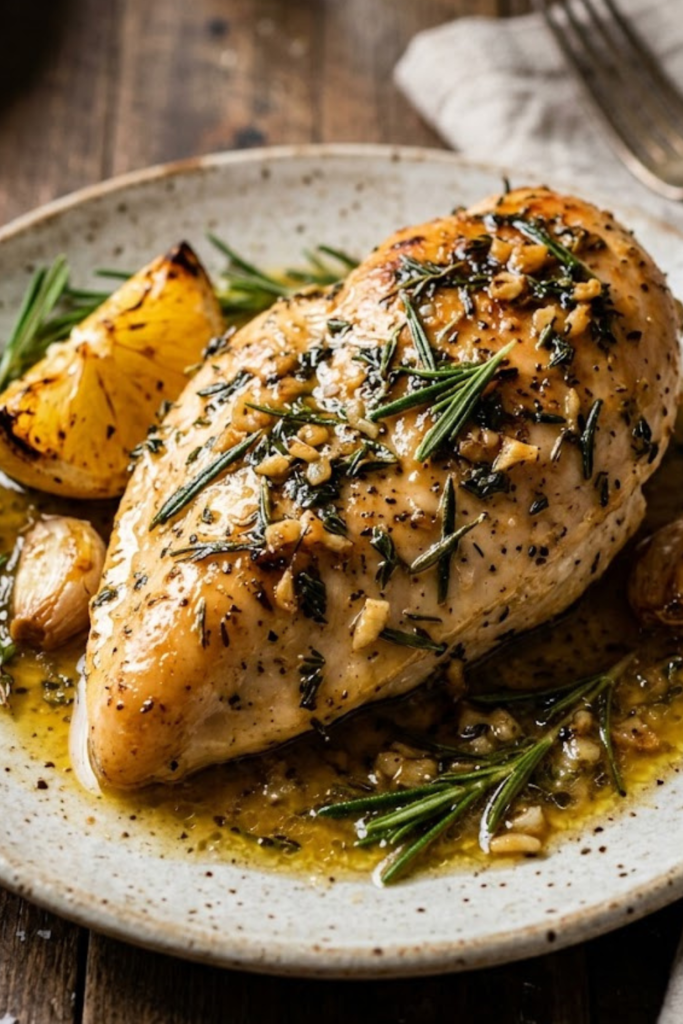
But then I discovered the magic of chicken breast with baked herb sauce. It changed everything for me. This recipe isn’t just about food; it’s about that “wow” moment when your fork slides through the meat and you realize you finally nailed it! We’re going to dive into how to get that perfect, herb-crusted finish that stays moist every single time.
Choosing the Best Herbs for Your Sauce
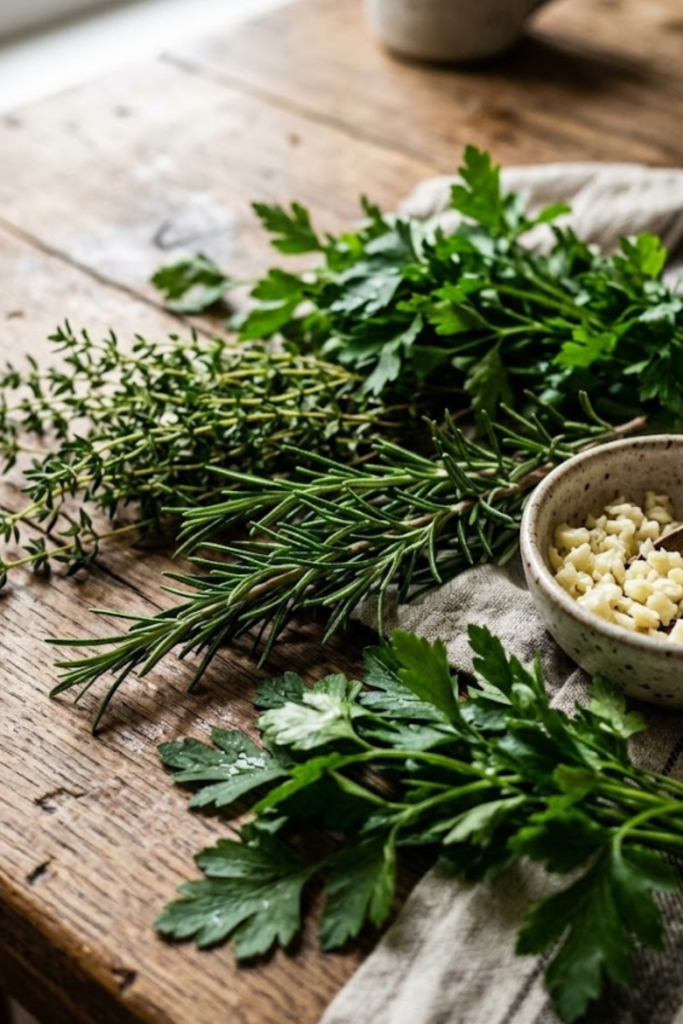
If you can get your hands on fresh herbs, you should do it. Fresh rosemary and thyme have these natural oils that just wake up when they hit the heat of the oven. If you absolutely have to use dried stuff, remember to use way less—about a third of what you’d use for fresh—because they are much stronger. But for a sauce that you’re baking, fresh is usually the best way to go.
I usually like to mix a few different flavors together. Sage and oregano give the sauce a really earthy, homey taste that reminds me of Sunday dinners. Then, I always throw in a big handful of chopped flat-leaf parsley. It makes the dish look real nice and adds a fresh “green” flavor that cuts through the fat of the oil or butter.
You also can’t forget the aromatics. I always grate some lemon zest right into the herb mix. It makes the chicken taste bright and not so heavy. And garlic? Well, I don’t think you can ever have enough garlic. I usually mince up about three or four cloves, even if a recipe tells me to use less. It just makes the whole house smell amazing while the chicken is in the oven. Just make sure you chop the herbs small so you get a bit of everything in every bite.
I’ve learned over the years that the choice between fresh and dried herbs is a big deal for your texture. Fresh herbs stay a bit soft and release their flavor slowly as the chicken breast with baked herb sauce cooks. Dried herbs can sometimes get a little gritty if they don’t have enough liquid to soak in. If I’m in a rush and have to use dried, I try to crush them in my palm first to wake up those sleeping flavors before they hit the pan.
I really stick to my “Big Three” whenever I’m making this for guests. Rosemary, thyme, and parsley are like the best friends of the poultry world. The rosemary gives it that woody scent, the thyme adds a bit of sweetness, and the parsley just ties it all together with a pop of color. I’ve tried using just one or the other, but the mix is what really makes people ask for the recipe. It’s a simple combo that works every single time without being too complicated.
One last thing I always tell my friends is to never skip the lemon zest. It’s such a small thing, but it does a lot of work to balance out those savory, heavy herbs. When the lemon hits the garlic and the warm oil, it creates this bright, zesty aroma that fills the kitchen. It makes the whole meal feel a lot lighter, which is great if you’re serving this with something heavy like mashed potatoes. Just use a small grater and stop once you hit the white part of the peel, or it might get a bit bitter!
Searing vs. Baking: The Secret to Moisture
I’m going to be real with you. I used to be the person who just threw raw chicken into a baking dish and hoped for the best. Big mistake. Huge! My poor family had to chew that chicken for what felt like hours. It was like eating a sneaker that happened to smell like rosemary. I thought that putting it in the oven for a long time would make it tender, but it did the opposite. It just dried out all the moisture and left us with a plate of disappointment.
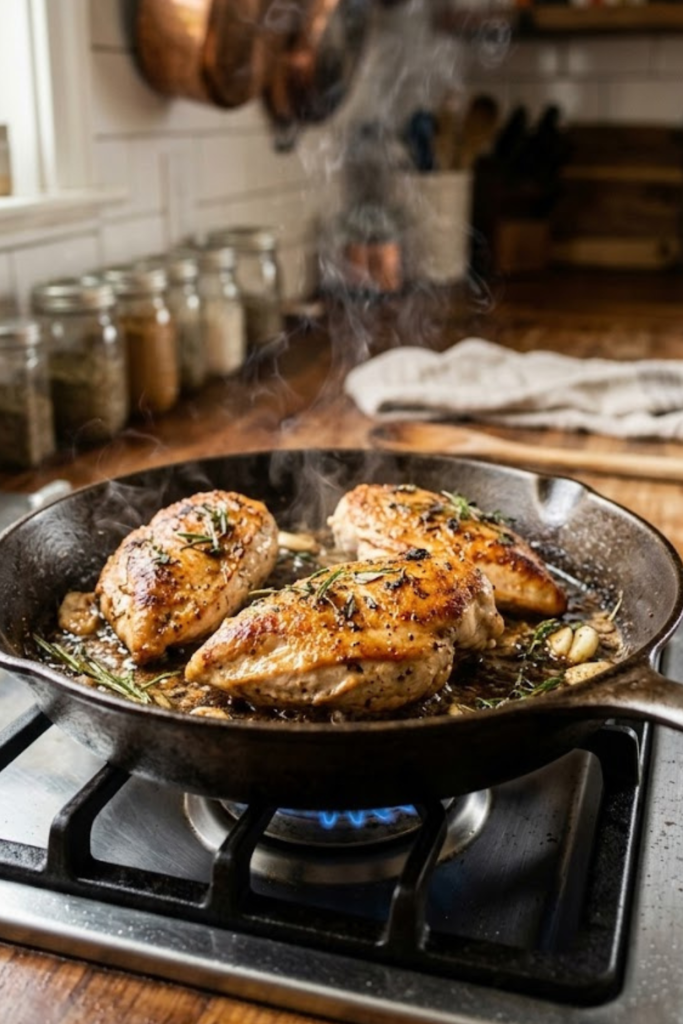
The “aha!” moment happened when I finally tried searing the meat first. I always thought it was an extra step that didn’t matter, but man, was I wrong. Searing is the actual secret to a great chicken breast with baked herb sauce. You want a hot pan. I mean, really hot. When the meat hits that heat, it creates a crust that helps keep the juices where they belong—inside the chicken. It’s the golden rule for getting that professional taste at home without needing any expensive gear.
I remember one time I didn’t let the pan get hot enough. The chicken just kind of boiled in its own juices and turned a weird grey color. Talk about a bummer! It looked so unappetizing that I almost didn’t want to serve it. Now, I wait until the oil is shimmering before the meat even touches the metal. Two minutes on each side is all you need to get that golden-brown color. This browning process is what makes the skin taste savory, and it provides a sturdy surface for your sauce to cling to later on.
Once you get that sear, then you can let the oven do the rest of the work. Since the chicken was cooked halfway on the stove, it only needs a bit of time in the heat to finish. I usually set my oven to 375°F. It’s high enough to keep things moving but low enough that the baked herb sauce doesn’t just burn off and disappear. Finishing it in the oven makes sure the middle is safe to eat while the outside stays perfectly crisp and flavorful.
If you want to be certain it’s done right, you really should use a meat thermometer. I used to guess by poking the meat with my finger, but that isn’t very accurate and usually leads to dry results. You want to hit an internal temperature of about 165°F. I usually pull mine out when it hits 160°F because the temperature keeps rising while it sits on the counter. Giving the meat five minutes to rest after it comes out of the oven is just as important as the searing. If you cut it too soon, all that work to keep it juicy will just run out onto your cutting board.
Mastering the Baked Herb Sauce Consistency
Now, let’s talk about the sauce itself. This is where people usually get confused. Should it be thick? Should it be runny? I’ve tried it every which way. One time, I made the sauce too thin, and it just pooled at the bottom of the pan like a sad little puddle. My chicken breast with baked herb sauce looked more like chicken soup!
To get it right, you need a good base. I usually stick with a mix of melted butter and a little bit of olive oil. The butter gives it that rich taste we all love, and the oil helps make sure the butter doesn’t burn too fast in the oven.
If you want the sauce to really stick to the chicken, you have to whisk it well. I like to add a tiny bit of Dijon mustard. You won’t really taste the mustard, but it acts like a glue that keeps the oil and the lemon juice from splitting apart. It’s a neat little trick I learned in a cooking class years ago.
When you pour the sauce over the chicken, do it right before it goes into the oven. I like to use a spoon to baste the meat halfway through the cooking time. It keeps the top from getting dry and makes sure every inch of that poultry is covered in herb goodness. If the sauce looks too thick after baking, just add a splash of chicken broth to the pan and stir it around with the bits stuck to the bottom. That’s where the real flavor is!
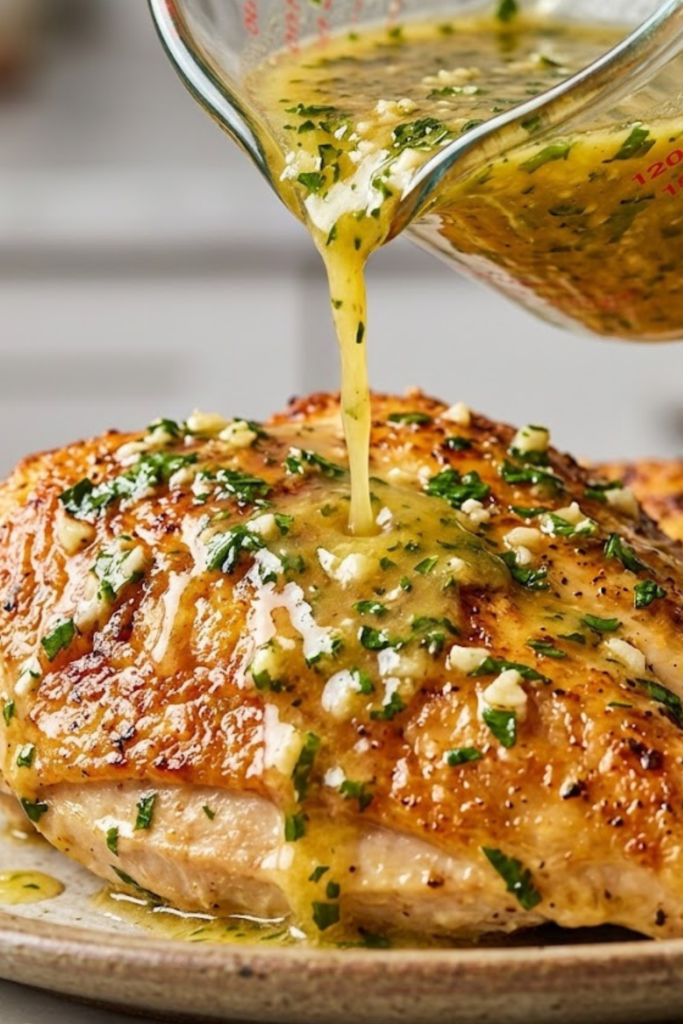
At the end of the day, making a great chicken breast with baked herb sauce isn’t about being a master chef. It’s really just about the little things—picking fresh herbs, getting that pan nice and hot for a good sear, and not letting the meat stay in the oven until it turns into a rock. I’ve messed this up more times than I can count, but once you find that rhythm of searing and then baking, you won’t ever want to go back to the old way.
I hope these tips help you get a dinner on the table that your family actually gets excited about. If you try this out and love how juicy it is, please save this post to your favorite Pinterest board so other home cooks can find it too! Sharing it helps me out a ton and keeps the kitchen tips coming.