Did you know that over 60% of home cooks struggle with dry poultry when roasting? It’s a tragedy, honestly! I used to be the queen of “rubber chicken” until I discovered the magic of a slow-rendered chicken with oven roasted sauce. We aren’t just baking meat here; we are creating a symphony of caramelized shallots, tangy balsamic, and garlic that melts like butter. If you’re looking for that perfect “shining” glaze that clings to the skin, you’ve found it! Let’s get cooking and turn your kitchen into the best bistro in town.
The Secret to a Perfectly Emulsified Roasted Sauce
When I first started roasting, my sauces were always a greasy mess. I’d pull the pan out and see a layer of oil floating on top of some watery juice. It wasn’t appetizing! I learned that getting a thick, silky sauce is all about the science of emulsification right there in the roasting pan.
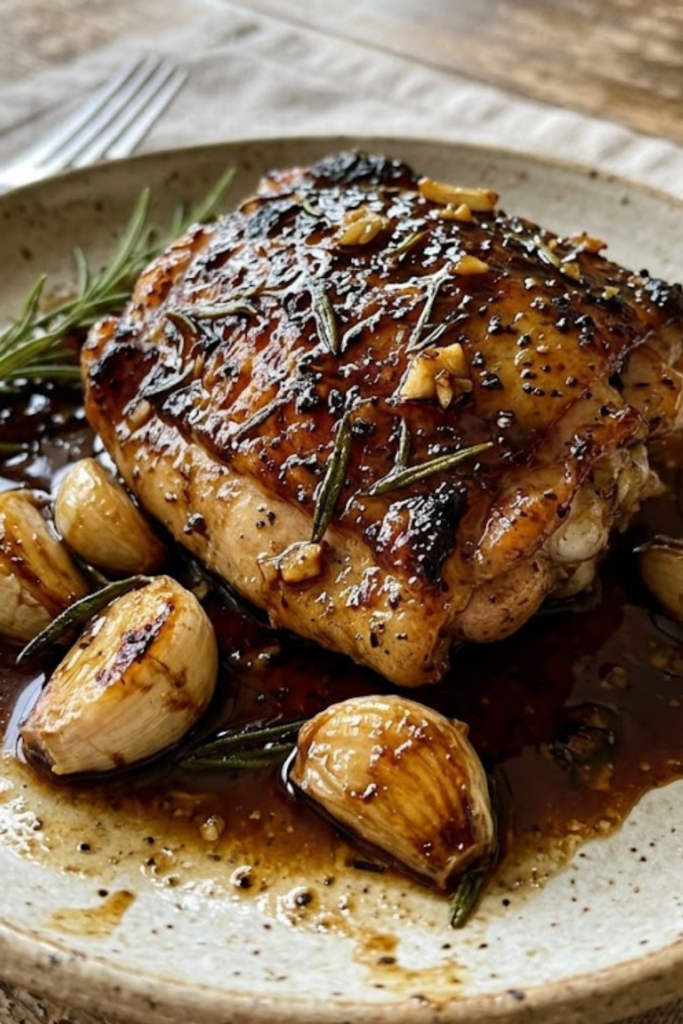
I used to think that the liquid at the bottom of the pan was just a byproduct you poured over the meat at the end, but it’s actually the most important part of the meal. To get that restaurant-quality shine, you have to treat the pan juices like a delicate vinaigrette. If you notice the sauce looks like it’s “breaking”—meaning the oil is separating from the darker liquids—you can fix it by adding a tiny tablespoon of cold water or a knob of butter and whisking like crazy. The goal is to bind the fats from the chicken with the acids from your balsamic vinegar. I’ve found that if I’m patient and let the sauce bubble for just a few minutes after the chicken is done, it transforms from a thin liquid into a rich, velvety glaze that coats the back of a spoon. It’s a small detail, but it’s what makes people ask for your secret recipe!
- Why fat ratios matter: You need the right balance of chicken drippings and added liquids. If there is too much fat, the sauce won’t come together. I usually spoon out a little bit of the liquid fat if the pan looks like a swimming pool before I add my balsamic.
- The deglazing trick: This is the most important part. While the pan is still hot, you add your vinegar or a splash of broth. Use a wooden spoon to scrape up all those brown bits stuck to the bottom. That stuff is called “fond,” and it’s where all the deep, savory flavor lives.
- Temperature control: If your oven is too hot, the sugars in the sauce will burn and turn bitter. I like to keep mine around 375 degrees. It’s hot enough to crisp the skin but cool enough that the sauce stays smooth instead of breaking apart into a grainy mess.
Choosing the Right Cut: Thighs vs. Breasts
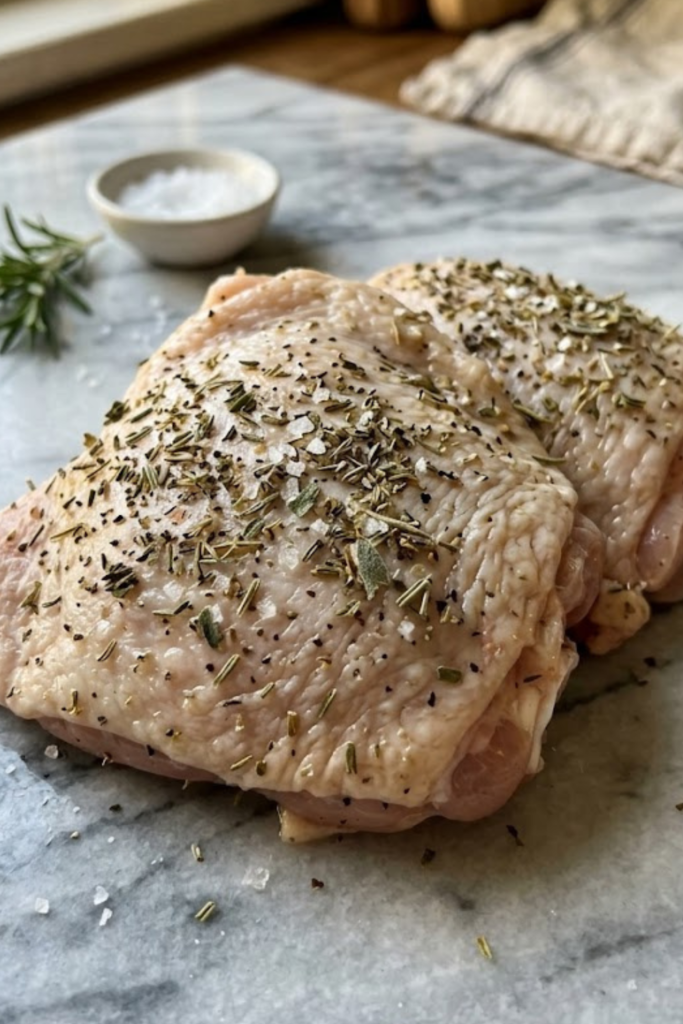
I’ve tried this recipe with every part of the bird, and I have to tell you, the cut of meat makes or breaks that roasted sauce. If you use a lean breast, you might end up with a dry dinner and a thin, watery sauce. For the best results, you want a piece of chicken that can handle the heat.
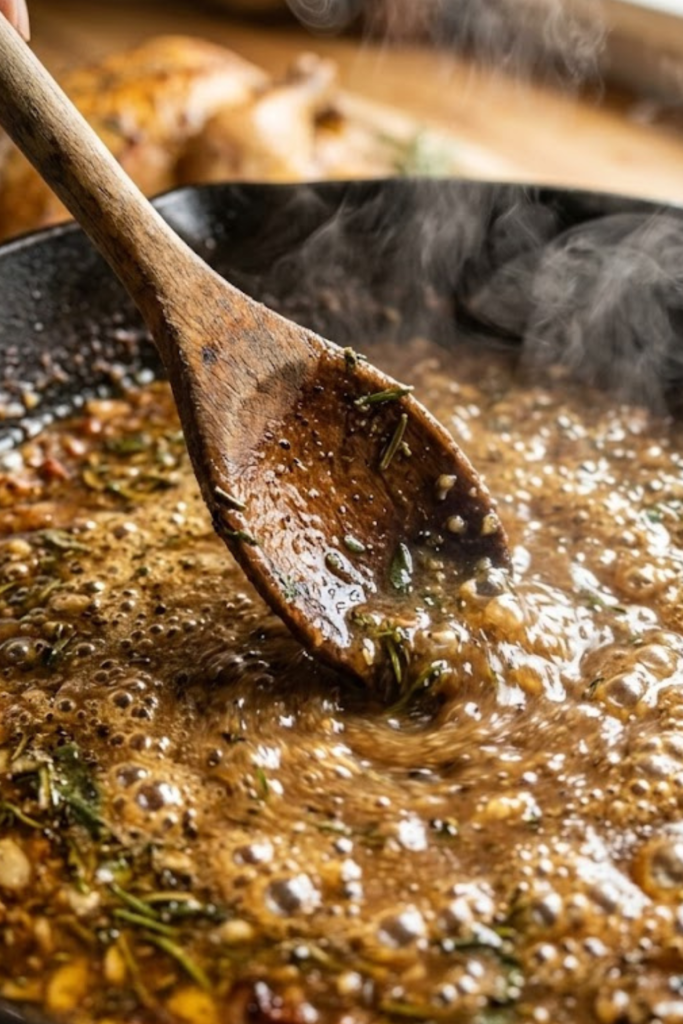
I remember one Sunday when I tried to be “healthy” and used skinless, boneless breasts. It was a total flop! The meat finished cooking way before the sauce could even start to thicken, leaving me with a bland plate. Dark meat is much more forgiving because it stays moist even if you leave it in the oven for a few extra minutes to let that sauce caramelize. Plus, the extra collagen in thighs helps give the sauce that sticky, lip-smacking quality that you just can’t get with white meat.
- Bone-in benefits: I always recommend using bone-in pieces. The bones help the meat cook more evenly and they actually add a lot of depth to the sauce. It’s like making a mini-stock right in your roasting pan while it cooks.
- Skin-on for texture: You really want that skin. As the fat renders out, it bashes the meat and keeps it juicy. Plus, that rendered fat is the base for our oven roasted sauce. Without it, you’re just eating plain chicken.
- Cooking times for 2026: Most of us are using newer ovens these days that cook a bit faster. For big thighs, I usually aim for about 35 to 40 minutes. You want to make sure the internal temperature hits 165 degrees so it’s safe and tender.
- The “Resting” Phase: Don’t you dare cut into that chicken the second it comes out! Give it five minutes on a warm plate. This lets the juices move back into the center of the meat so they don’t all run out on your cutting board, leaving your sauce perfectly thick and your chicken incredibly tender.
Must-Have Aromatics for Deep Flavor
When I first started making chicken with oven roasted sauce, I thought I could just shake some dried herbs from a plastic bottle and call it a day. Boy, was I wrong! To get that deep, restaurant-style flavor, you need to think about your aromatics. These are the ingredients that smell amazing and soak right into the meat and the liquid. I’ve spent years figuring out which herbs play nice with the heat and which ones just turn into bitter little sticks. It really comes down to how you prep them and when you let them join the party in the roasting pan.
I’ve found that the best sauces have a “base layer” of flavor that you build before the chicken even hits the oven. One trick I love is tossing a few sliced shallots or thick rings of red onion into the pan juices. As the chicken roasts, these veggies soften and almost disappear into the sauce, adding a natural sweetness that you just can’t get from a bottle. I also like to add a tiny pinch of red pepper flakes if I’m feeling bold. It doesn’t make the chicken spicy, but it adds a warmth that cuts through the richness of the fat. Another secret is using a bit of citrus peel—just a couple of strips of lemon zest tucked under the chicken skin can brighten up the whole tray. It’s these little layers of aromatics that transform a simple dinner into something that tastes like you spent all day in the kitchen.
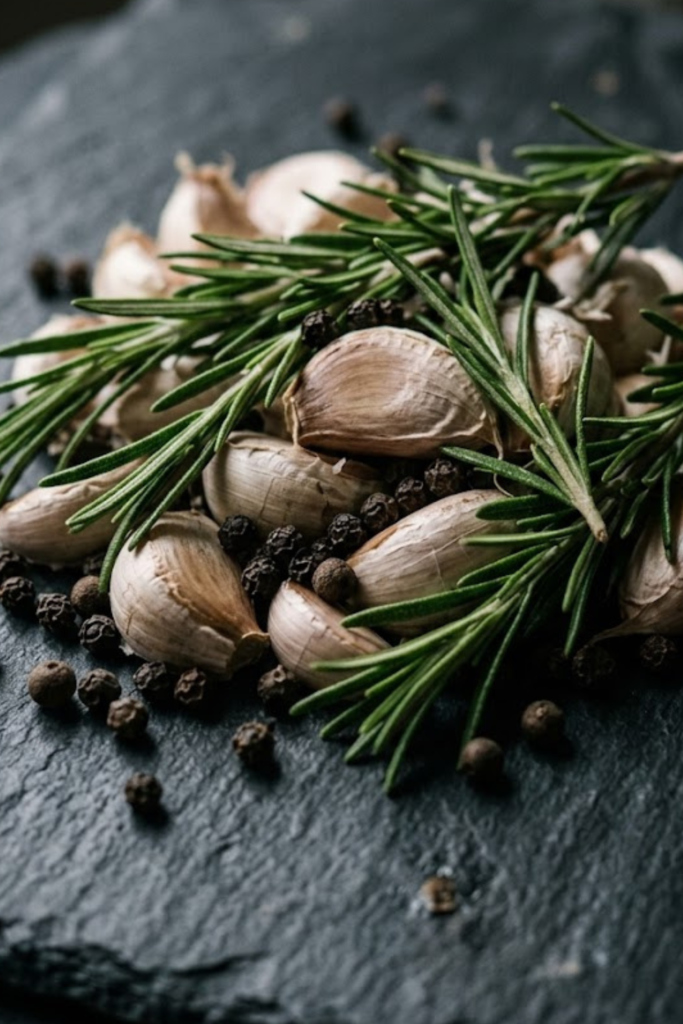
- Garlic preparation: Don’t bother mincing your garlic into tiny bits. They usually just burn in the high heat of the oven and make the whole dish taste like scorched paper. Instead, I just take the flat side of my big knife and give the cloves a good smash. Toss them into the pan whole with the skin off. They get soft and sweet like candy while they roast, and they infuse the chicken with oven roasted sauce without any burnt bits.
- Fresh vs. Dried Herbs: If you can get your hands on fresh rosemary or thyme, use it! The oils in fresh herbs mix with the chicken fat much better than the dried stuff. I like to lay the sprigs right on top of the chicken so the flavor drips down as it cooks. Rosemary is great for that piney, earthy scent, while thyme adds a subtle lemon-like kick. If you only have oregano, use it sparingly—it’s very strong and can take over the whole sauce if you aren’t careful.
- The “Sweet” Element: You need a little sugar to balance out the salt and the vinegar. I usually reach for a big squeeze of honey or a splash of maple syrup. This isn’t just for taste; it’s what helps the sauce get that sticky, glossy look that makes everyone want to lick their plates. Just remember my mistake from before: keep the sweet stuff for the final stretch so it doesn’t turn into a charred mess!
Making chicken with oven roasted sauce is a total game-changer for your weekly meal prep or a fancy Sunday dinner. Once you see those juices bubbling and smell the garlic wafting through your house, you’ll never go back to plain baked chicken! It’s one of those rare dishes that looks like it took hours of work but actually does most of the heavy lifting while you’re relaxing.
I’ve found that the best part is how the leftovers taste even better the next day. The sauce thickens up in the fridge, and you can just spoon it over some cold chicken for a quick lunch that doesn’t feel like a “sad desk salad.” I usually double the sauce ingredients because my kids love to dip their crusty bread into the extra glaze at the bottom of the pan. It’s funny how a few simple ingredients like balsamic and honey can make you feel like a professional chef without all the stress. Just remember to keep an eye on that oven timer and let the meat rest so it stays juicy. Once you master this method, you can swap out the herbs for whatever you have in the garden, and it turns out great every single time. If this recipe made your mouth water, save it to your “Dinner Goals” board on Pinterest so you don’t lose it!