Did you know that chicken thighs are actually more forgiving to cook than breasts because of their higher fat content? It’s true! I used to be terrified of overcooking meat until I realized that the humble thigh is basically a culinary safety net. If you are looking for that perfect “shatter-crunch” skin paired with a velvety, aromatic glaze, you’ve hit the jackpot. This recipe for chicken thighs with herbed pan sauce is my absolute weeknight hero. We’re talking minimal dishes, maximum flavor, and a sauce so good you’ll want to drink it with a straw (but please, use a spoon). Let’s get that skillet screaming hot and make some magic happen!
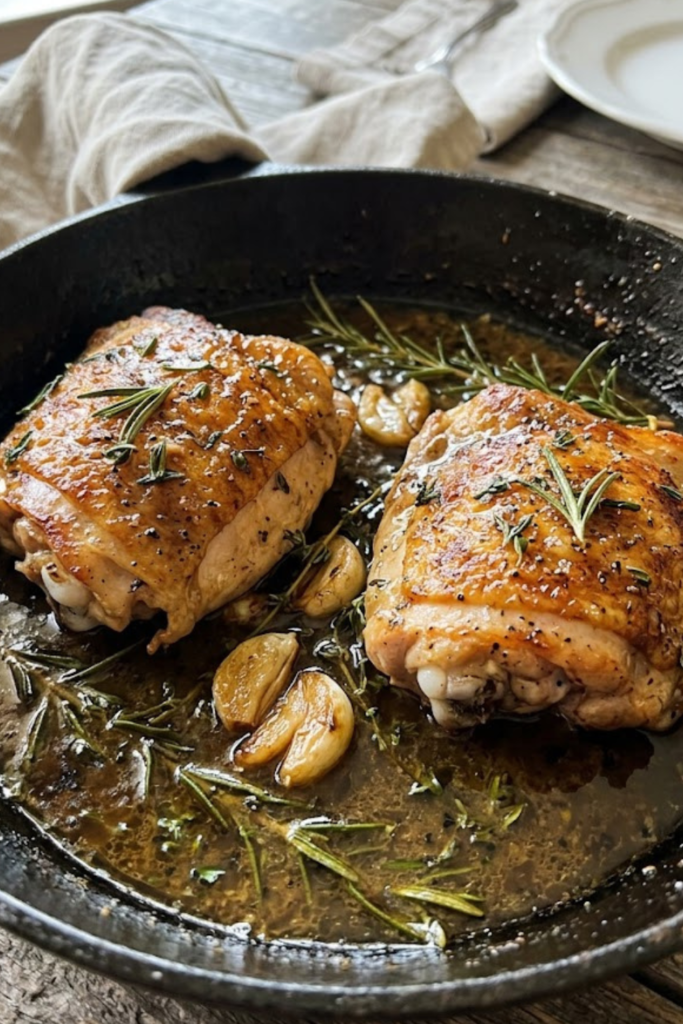
Mastering the Sear: How to Get Crispy Skin
Getting that perfect, crackly skin on a chicken thigh is probably the most rewarding part of cooking this dish. It’s not just about heat; it’s about managing moisture. If your chicken is wet when it hits the oil, it’s going to steam instead of fry, and you’ll end up with rubbery skin. I always tell my students to treat the chicken like a science project. You want to remove every bit of water from the surface to let the Maillard reaction—that’s the fancy word for browning—do its thing.
I used to wonder why my chicken always came out soggy until I realized I was rushing the most important part. You can’t just take the meat out of the plastic wrap and toss it in the pan. I’ve found that even a little bit of condensation can ruin the whole texture. Now, I make it a habit to prep my chicken at least twenty minutes before I even turn on the stove. If you sprinkle a little salt on the skin while it sits, it actually draws out even more deep-down moisture. When that skin finally hits the hot metal, you want to hear a clear, aggressive sizzle right away. That sound is the water evaporating and the skin transforming into that golden, wafer-thin crust we all crave. It takes a bit of patience to stay back and let it sit there without moving it, but the payoff is a crunch you can hear from across the room. Trust me, once you see that deep mahogany color, you’ll never go back to basic baked chicken again.
- The Pat-Dry Method: I always take my thighs out of the fridge and use a thick stack of paper towels to press down on the skin. You want it bone-dry. If you have time, let them sit uncovered in the fridge for an hour; the cold air acts like a dehydrator.
- Cold Pan vs. Hot Pan: There are two schools of thought here, but for beginners, starting with a cold cast iron pan and placing the chicken skin-side down helps the fat render out slowly. This prevents the skin from burning before the fat has a chance to melt away.
- Choosing the Right Oil: Avoid butter for the initial sear because it burns too fast. Use something like avocado oil or grapeseed oil. These can handle the high temps needed to get that golden-brown color without filling your house with smoke.
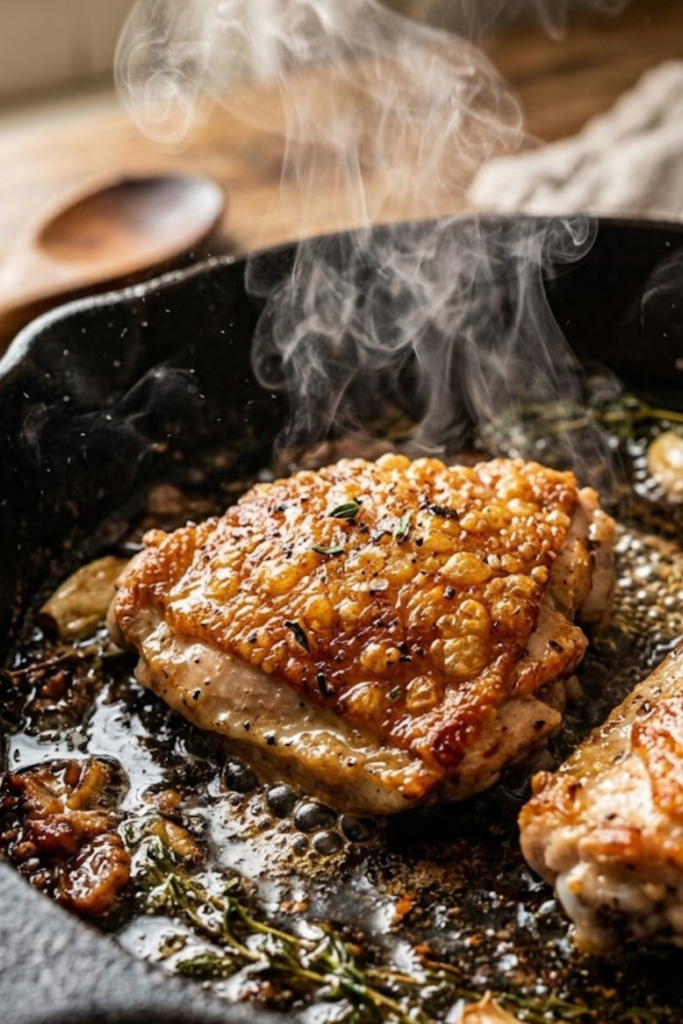
The Deglazing Secret: Building Your Herbed Pan Sauce
Once you take that chicken out of the pan, don’t you dare wash it! All those little brown bits stuck to the bottom are what chefs call “fond,” and it’s basically concentrated flavor. If you leave it there, you’re missing the best part of the meal. Making a pan sauce is like a magic trick where you turn a messy skillet into a velvety glaze in about five minutes.
I remember watching my grandmother cook and always wondering why she didn’t scrub the pan immediately. She used to say that the “brown stuff” was where the soul of the food lived. Now that I’ve spent years in the kitchen, I see she was totally right. That crusty layer is just packed with savory goodness that you can’t get from a bottle or a packet. When you pour in your liquid, you’ll hear a loud sizzle and see the bottom of the pan start to clear up—that’s the moment the magic happens. I always use a wooden spoon to really get in there and scrape every single bit loose. It’s actually quite satisfying to watch the pan go from looking “burnt” to looking like a professional workspace. Plus, by using the same pan, you’re keeping all those chicken juices right where they belong: back on your plate. It’s an easy way to make a sauce that tastes like it took hours to simmer, even though we’re doing it in just a few minutes.
- Fond is Flavor: Those browned bits are caramelized proteins. When you add liquid, they dissolve and create the base for your sauce. It’s the difference between a bland gravy and something that tastes like it came from a fancy bistro.
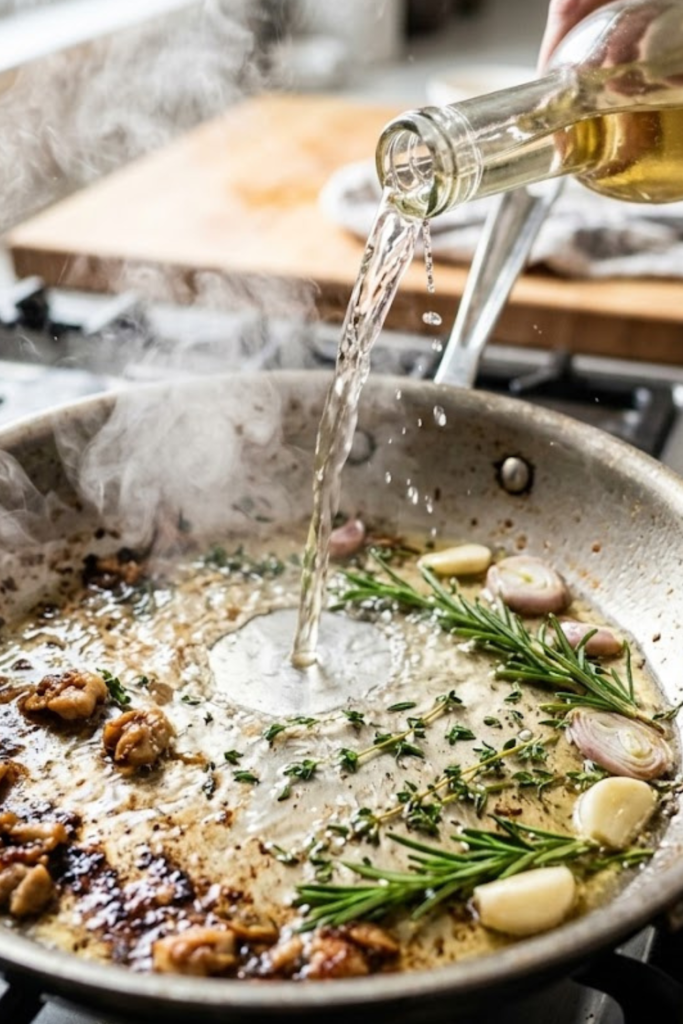
- Choosing Your Aromatics: I like to toss in some chopped shallots and smashed garlic cloves right after the chicken comes out. Let them soften in the leftover fat until they smell amazing. Then, add your fresh thyme and rosemary. Using fresh herbs instead of dried makes a huge world of difference here.
- Liquid Gold: This is the part where you deglaze. I usually pour in a splash of dry white wine like Sauvignon Blanc. It scrapes all those bits off the bottom instantly. If you don’t want to use alcohol, a good quality chicken broth with a little splash of apple cider vinegar works great too.
Finishing Touches: Emulsifying with Cold Butter
The final stage is where your sauce goes from being a thin liquid to a thick, velvety glaze that clings to the chicken. This is a classic chef trick that sounds fancy but is actually very simple to do at home. It’s all about the temperature and a little bit of patience. If you just dump the butter in while the sauce is boiling, it will just melt into an oily mess. You want it to “emulsify,” which means the fat and the liquid stay joined together in a smooth, creamy texture.
I remember the first time I tried this; I was in such a hurry that I just threw the whole stick in while the pan was still screaming hot. The sauce broke immediately, leaving me with a greasy pool of liquid that looked nothing like the pictures in my cookbooks. Since then, I’ve learned that the secret is all in the “mounting”—or monter au beurre as the pros call it. You really have to keep that whisk moving. By adding the butter slowly, you are basically forcing the fat droplets to suspend themselves in the chicken stock and wine. It creates a sheen that makes the dish look like it cost fifty dollars at a local bistro. Don’t be afraid to take the pan completely off the burner if it looks like it’s getting too hot. This little bit of extra effort at the end is what transforms a basic home-cooked meal into something truly special that your friends will be asking for recipes for.
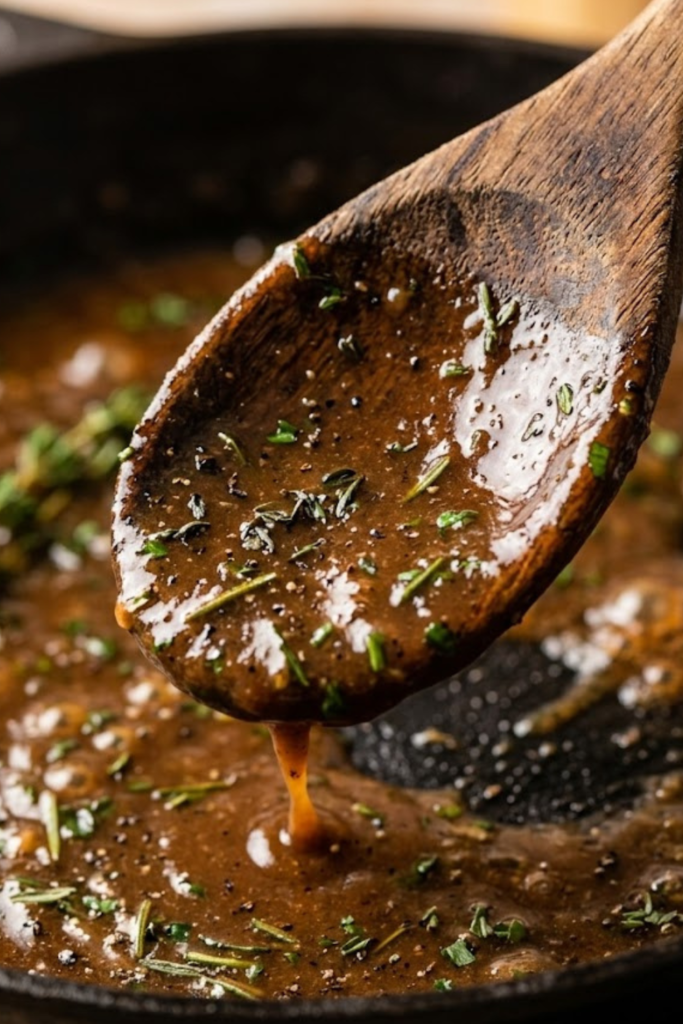
- The Cold Butter Trick: Pull a few tablespoons of unsalted butter straight from the fridge and cut them into small cubes. Turn the heat down to low or even turn it off completely. Whisk the cold butter into the warm sauce one piece at a time. This slowly incorporates the fat and creates that rich, professional look.
- The “Nappe” Consistency: To know if your sauce is ready, dip a metal spoon into it. Run your finger down the back of the spoon. If the line stays clear and the sauce doesn’t run back into the gap, you’ve reached “nappe.” This means it’s thick enough to coat your chicken perfectly without just sliding off.
- Final Seasoning: Before you serve, give it a quick taste. It might need a tiny pinch more salt or a crack of black pepper. I always finish with a quick squeeze of fresh lemon juice right at the end. The acid cuts through the richness of the butter and makes the whole dish pop.
I really hope this guide helps you nail those chicken thighs with herbed pan sauce. It isn’t just about following a list of steps; it’s about learning to trust your nose and ears in the kitchen. Once you hear that perfect sizzle and smell the garlic hitting the hot butter, you’ll know exactly why this is a total classic.
Getting a meal like this right on the first try is such a great feeling. It reminds me of why I started cooking in the first place—taking simple stuff from the fridge and turning it into something that looks like it belongs in a magazine. Don’t worry if your sauce isn’t perfect the very first time; even the pros have a sauce break on them once in a while. Just keep practicing that butter whisking technique and you’ll be a pro before you know it. There’s nothing quite like sitting down to a plate of crispy chicken and knowing you made every bit of that gravy from scratch.
Go ahead and give this a try for dinner tonight—your family might actually think you snuck off to culinary school over the weekend! If you loved this crispy, juicy goodness, please save this post and share it on Pinterest so other people can finally ditch those dry, boring chicken breasts for good!