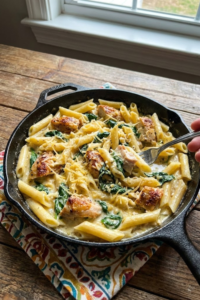
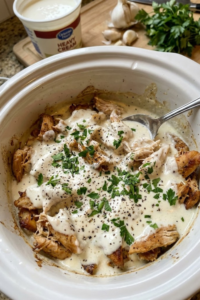
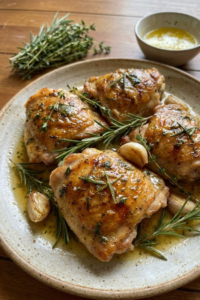
Have you ever stared at a package of plain chicken breasts and felt a wave of total boredom wash over you? I have. We’ve all been there! But let me tell you, this chicken breast with creamy sauce is going to change your life. Seriously.
Did you know that overcooked chicken is the number one complaint in home kitchens? It’s a tragedy. But we are fixing that today. I used to be terrified of cooking chicken breasts because they always turned out dry as a bone. Not anymore. This dish is rich, velvety, and honestly, it tastes like something you’d pay $30 for at a fancy bistro. It’s comforting, it’s fast, and it uses ingredients you probably already have sitting in your fridge right now! Let’s get cooking.
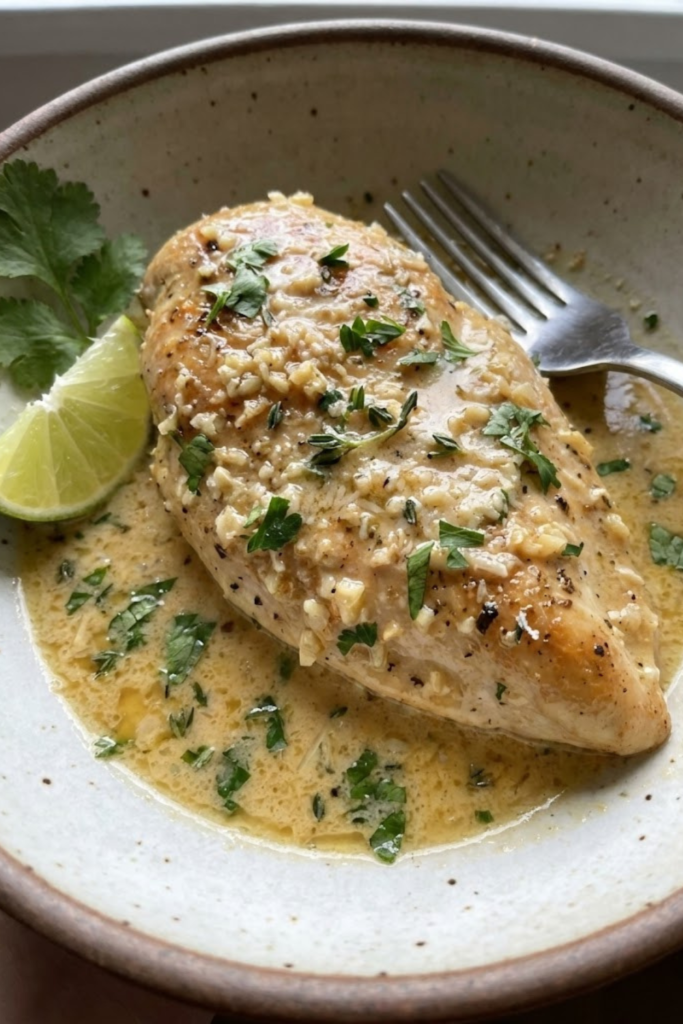
Choosing the Right Chicken and Preparation
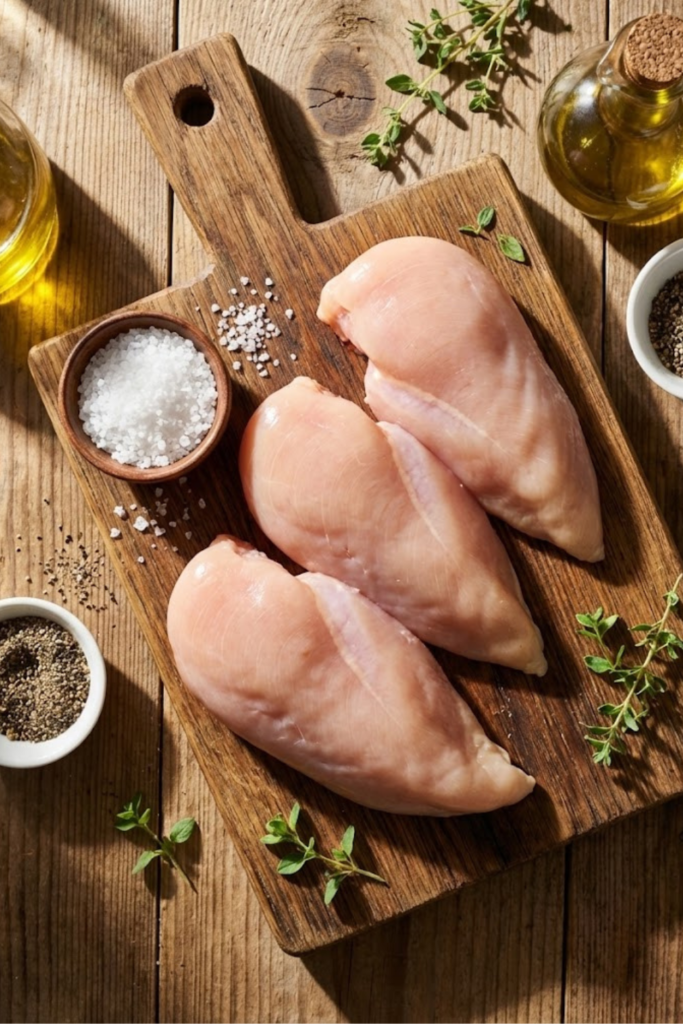
I have to admit something embarrassing. For years, I just grabbed whatever package of chicken was cheapest at the grocery store. I didn’t look at the size, the color, or anything. I just tossed it in the cart and hoped for the best. And you know what happened? I ended up with rubbery, unevenly cooked meat that ruined my chicken breast with creamy sauce. It was a disaster every single time. I felt like such a failure in the kitchen.
But I learned that the prep work is actually more important than the cooking time. If you start with the wrong piece of meat or prep it lazily, no amount of sauce will save you.
Size Actually Matters
Avoid those massive, “dinosaur” chicken breasts. You know the ones I’m talking about—they are huge, thick, and sometimes have that weird, woody texture. They are awful to cook because the outside burns before the inside is safe to eat. Stick to smaller, organic breasts if you can afford them. They are usually more tender.
If you do end up with the big ones, you have to cut them in half horizontally. This creates two thinner cutlets that cook way faster. I learned this the hard way after serving raw chicken to a guest once. Talk about a nightmare!
Get Your Hammer Out
This is my favorite part of the process. You need to pound the chicken to an even thickness. If one end is thick and the other is thin, the thin end turns to leather while the thick end is still raw.
Grab a meat mallet. If you don’t have one, use the bottom of a heavy saucepan or even a rolling pin. Place the chicken between two pieces of plastic wrap to keep things clean. Then, give it a few good whacks. You aren’t trying to destroy it, just flatten it until it’s about half an inch thick all over. It’s also great stress relief after a long day teaching!
The Temperature Mistake
Here is a specific tip that changed my cooking game. Never cook cold chicken. If you take a cold chicken breast with creamy sauce ingredients straight from the fridge to the hot pan, the muscle fibers seize up. It makes the meat tough.
Take the meat out of the fridge about 15 to 20 minutes before you plan to cook. Let it sit on the counter. I know people get scared of bacteria, but 20 minutes is fine. It helps the chicken cook evenly.
Dry It Before You Fry It
Before you season, pat the chicken dry with paper towels. Get all that moisture off. If the chicken is wet, it steams instead of searing. You want a nice gold crust, not gray, sad meat. Once it’s dry, salt it generously. Trust me, these little steps make the difference between a “meh” dinner and a restaurant-quality meal.
The Secret to a Perfect Pan-Sear
I used to think cooking chicken breast with creamy sauce meant just throwing the meat in a pan and flipping it constantly until it looked done. Boy, was I wrong. My chicken usually came out looking pale and sad, or burnt on the outside and raw in the middle. It was frustrating! But after ruining enough dinners, I finally figured out the trick. It’s not magic; it’s just patience.
The Pan Debate
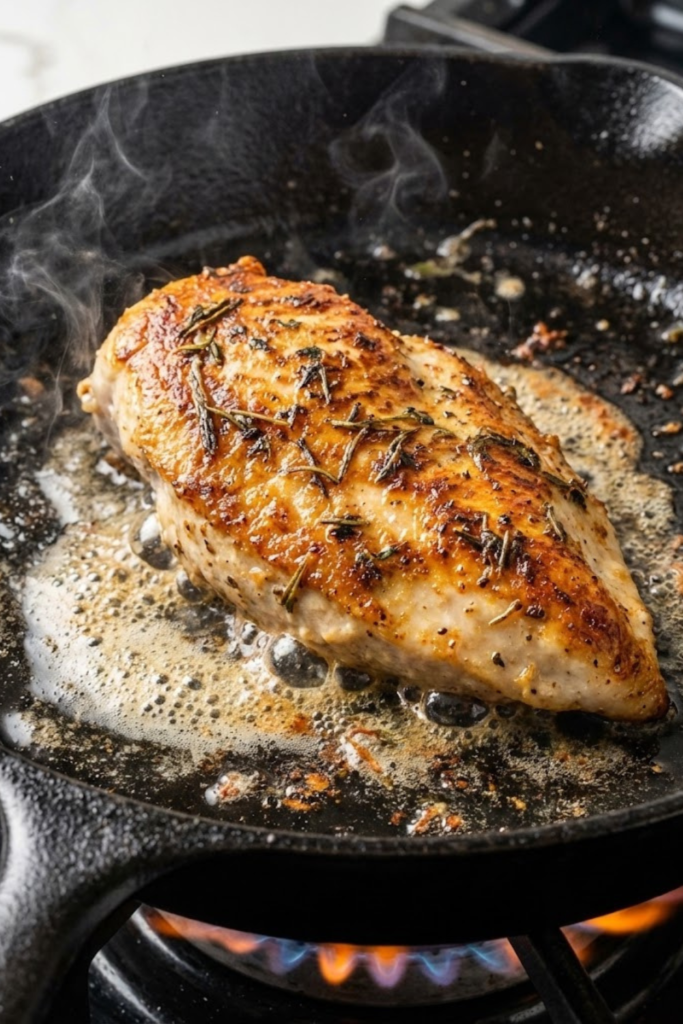
First off, let’s talk about cookware. I love my cast iron skillet. It holds heat like a champ and gives you that beautiful brown crust we all want. If you don’t have one, a stainless steel pan works too. You can use non-stick if that is all you have, but you won’t get that same deep golden color. And let me tell you, that color is flavor! When I finally switched to cast iron, my family actually asked if I ordered takeout. That was a pretty good day.
Get It Hot, Keep It Hot
Here is where I messed up for years. I would get impatient and throw the chicken in before the pan was ready. Big mistake. You need to heat your pan over medium-high heat. Add your oil—I like a mix of olive oil and a little butter for flavor. Wait until the oil shimmers. If you see a wisp of smoke, that’s okay, but don’t let it smoke like a chimney.
If the pan isn’t hot enough, the chicken just sits there and steams in its own juices. We want a sear, not a steam bath! You want to hear a loud sizzle the second the meat hits the metal.
The “Don’t Touch It” Rule
This is the hardest part for me because I like to fiddle with things. Once you lay that chicken into the hot pan, do not touch it. Seriously, hands off! Let it cook undisturbed for about 5 to 6 minutes. You might feel the urge to peek underneath to see if it’s burning. Don’t do it.
If you try to flip it and it sticks to the pan, it’s not ready. The meat will release naturally when it has a nice crust. Tearing the chicken off the pan leaves all the flavor stuck to the metal instead of on your dinner. Let it do its thing.
Flip and Finish
When you finally flip it, the other side won’t take as long. Maybe 3 or 4 minutes. You aren’t trying to cook it all the way through at high heat or it will dry out. We just want that color. Once both sides are golden, you are ready to remove them and start the best part—the sauce. Trust me, following these steps creates the perfect base for that creamy sauce we are about to make.
Crafting the Garlic Cream Sauce
Now that your chicken is resting on a plate (don’t cut into it yet!), look at your pan. See those brown bits stuck to the bottom? Do not wash them out! I repeat, put the sponge down. In the cooking world, that stuff is called “fond,” and it is pure flavor gold. If you wash the pan now, you are washing away the best part of the chicken breast with creamy sauce.
Deglazing Like a Pro
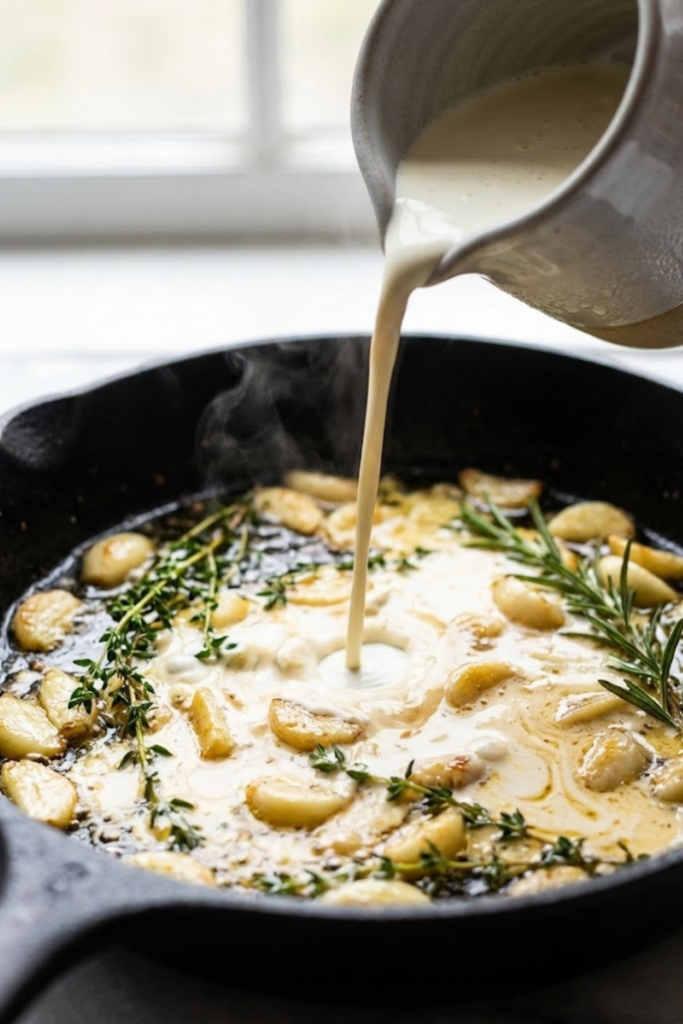
Turn the heat down to medium-low. If the pan is dry, add a tiny splash of oil. Toss in your minced garlic. Here is a big tip: garlic burns in seconds. I have ruined so many sauces by letting the garlic turn black. It tastes bitter and awful. You only want to cook it for about 30 seconds until you can smell it.
Immediately pour in some chicken broth or a little white wine. This is called “deglazing.” It sounds fancy, but it just means using liquid to lift those brown bits off the bottom. Use a wooden spoon to scrape them up. That is where the deep, savory flavor comes from.
Why You Need Heavy Cream
I used to try to make this healthy by using skim milk. Please, learn from my mistakes. Milk has a high water content and not enough fat. When you add it to a hot pan with acidic wine or broth, it curdles. It separates into this watery, chunky mess that looks like cottage cheese. It’s gross.
You have to use heavy whipping cream or at least heavy cream. The fat stabilizes the sauce. Pour it in slowly and let it come to a gentle bubble. Do not boil it aggressively! High heat can still break the sauce. Just let it simmer softly. You will see it start to get thick and velvety after about 3 or 4 minutes.
The Cheese Factor
Once the cream has thickened a bit, take the pan off the heat. This is when you stir in the parmesan.
I know it is easier to buy the bag of shredded cheese, but don’t do it. That stuff is coated in potato starch to keep it from clumping in the bag. That starch makes your sauce grainy and gritty. Buy a block of parmesan and grate it yourself. It melts smooth and creamy. Stir it in until it vanishes into the sauce.
The Final Taste Test
Before you put the chicken back in, taste the sauce! Does it need more salt? Maybe some black pepper? It should coat the back of your spoon perfectly. If it’s too thick, add a splash of broth. If it’s too thin, let it simmer another minute. Once it’s perfect, nestle that chicken back into the pan and let it warm through. Now you are ready to eat.
Serving Suggestions and Side Dishes
I remember one time I made this beautiful chicken dinner. The sauce was thick, the meat was juicy, and the smell was filling the whole house. I plated it up and served it to my husband. He looked at the plate, then looked at me, and asked, “Where is the rest of it?”
I was so focused on not ruining the chicken that I completely forgot to make anything else! It was just a lonely piece of meat sitting in a puddle of white sauce. It looked pretty sad. I realized then that even the best chicken breast with creamy sauce needs a supporting cast. You can’t just eat a bowl of heavy cream for dinner (well, I guess you can, but you probably shouldn’t).
The Potato Strategy
If you ask me, mashed potatoes are the best friend this chicken will ever have. You really need something starchy to catch all that extra sauce. There is nothing more tragic than delicious garlic cream sauce getting left behind on the plate because you didn’t have a vehicle to get it into your mouth.
I usually make a simple mash with just butter and milk. I don’t go crazy with garlic or herbs in the potatoes because the chicken sauce already has so much flavor. You don’t want the side dish fighting with the main course. If you are in a rush on a Tuesday, I won’t tell anyone if you use the store-bought mashed potatoes. Honest, they are pretty good these days, and I use them when I’m tired from work.
You Need Something Green
Since this dish is rich—we are talking heavy cream and cheese here—you need something fresh to cut through that heaviness. I personally love roasting asparagus. It is super easy. Just toss the stalks on a baking sheet with a little oil and salt, and throw them in the oven while the chicken cooks on the stove.
Steamed broccoli is another solid choice. It acts like a little sponge for the sauce. If I am feeling really lazy, I just grab a bag of salad mix. The crisp, cold lettuce with a vinaigrette actually tastes really good next to the hot, creamy chicken. It balances everything out so you don’t feel like you need a nap immediately after eating.
Don’t Forget the Bread
My grandmother always said that leaving sauce on the plate is a sin. I don’t know if that is actually true, but I am not risking it. You need a piece of crusty bread on the table.
I like a nice French baguette or a slice of sourdough. Toast it a little bit so it has a crunch. When you are finished with the meat and potatoes, use the bread to wipe the plate clean. In Italy, they call this “scarpetta,” or “little shoe.” I just call it the best bite of the entire meal.
Pasta Options
If you aren’t a potato person, this chicken is amazing over pasta. I usually go for a wide noodle like fettuccine or egg noodles. They hold the thick sauce better than spaghetti does. Just toss the noodles in a little butter before you serve so they don’t stick together. It basically turns the dish into a homemade chicken alfredo without all the extra steps.
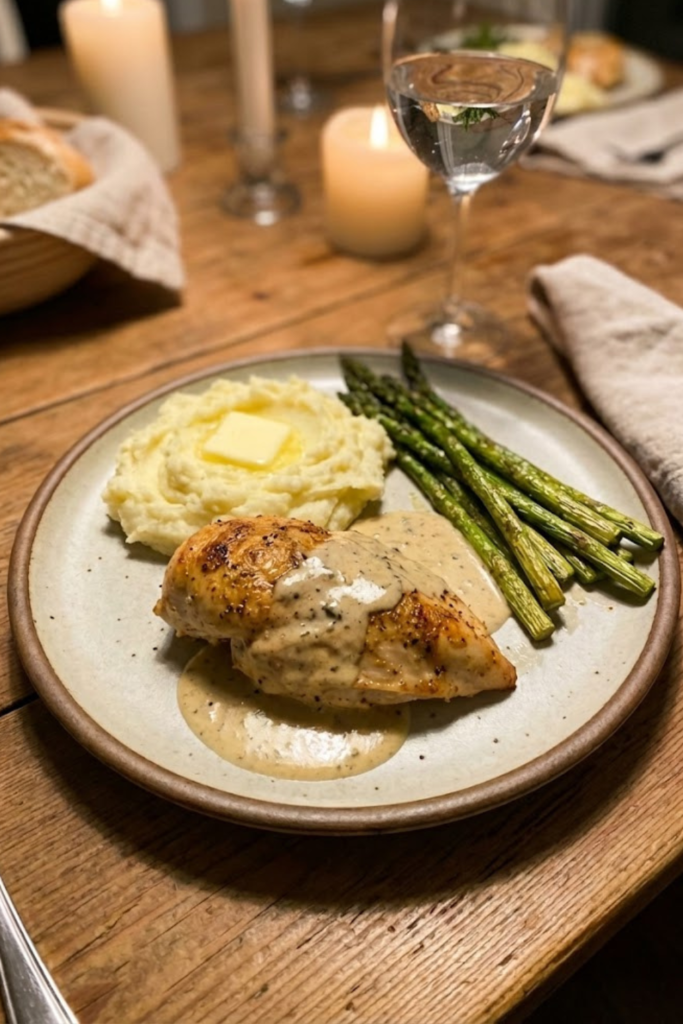
There you have it—a foolproof guide to making the best chicken breast with creamy sauce you’ll ever eat! It’s simple, it’s fast, and it tastes like a million bucks. Don’t let the fear of dry chicken stop you from making this tonight.
If you loved this recipe, do me a huge favor and save it for later! Pin this recipe on Pinterest so you can find it whenever the craving hits. Happy cooking