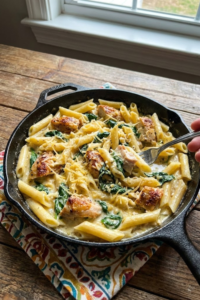
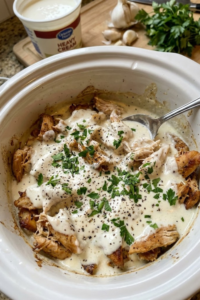
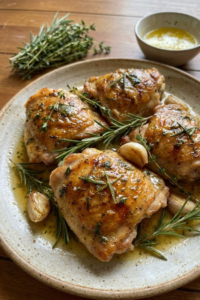
As the legendary Julia Child once said, “You don’t have to cook fancy or complicated masterpieces—just good food from fresh ingredients.” Honestly, there is nothing more disappointing than a dry, bland piece of poultry when you were dreaming of a garden-fresh feast! In 2026, we are all about getting back to basics and using a chicken breast with fresh herbs to create a meal that feels like a warm hug. I used to think herbs were just for garnish, but boy, was I wrong! This guide will show you how to transform simple ingredients into a five-star dinner using rosemary, thyme, and sage.
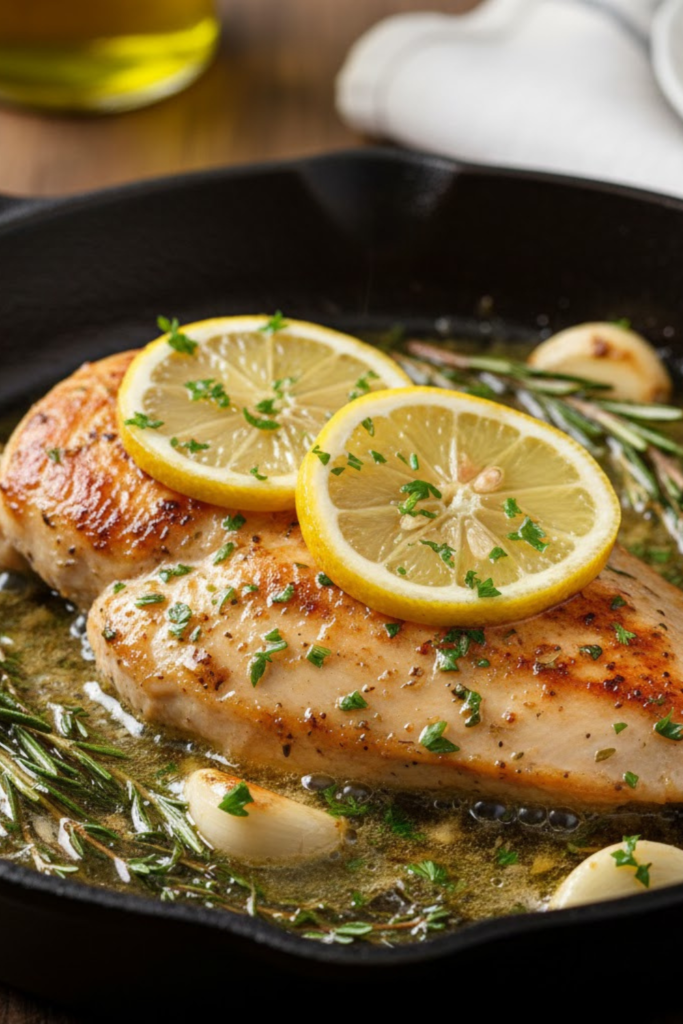
Choosing the Best Herbs for Your Chicken
I spent years thinking that salt and pepper were enough for a piece of meat. Boy, was I wrong about that! My first real “aha” moment happened when I tossed some fresh rosemary into a pan with some butter. The smell filled the whole house instantly, and suddenly, my boring Tuesday dinner felt like something from a fancy restaurant. Picking the right greens for your chicken breast with fresh herbs is a skill you can learn pretty fast. It is really just about finding flavors that play nice together without being too loud.
The “Holy Trinity” of Poultry Herbs
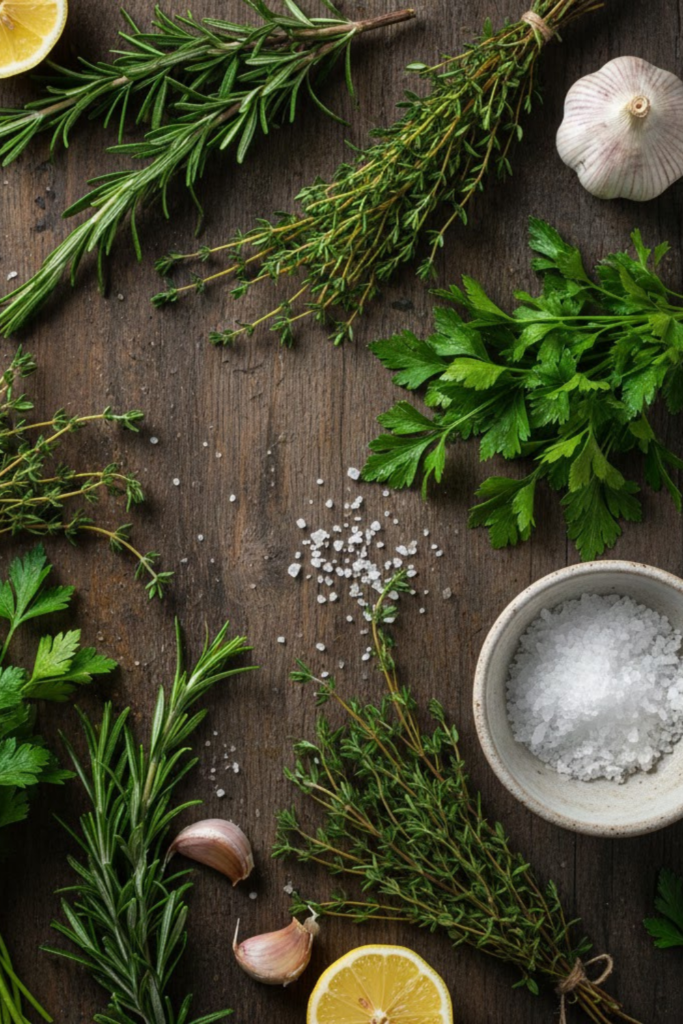
For me, there are three specific herbs that do all the heavy lifting: rosemary, thyme, and oregano. Rosemary is very woody and strong, so you really don’t need a ton of it. It smells a bit like a pine forest, but in a delicious way. Thyme is a bit softer and has an earthy vibe that just belongs with poultry. Then there’s oregano, which adds a little peppery kick to the crust. I usually mix these three together for a classic flavor. If you want a brighter taste, you can add some flat-leaf parsley at the very end. Just don’t use the curly kind; it usually tastes like grass and doesn’t have much flavor for the actual cooking part.
Should You Use Fresh or Dried?
A lot of people ask me if they can just use the jars from the pantry. Look, I get it—fresh herbs can be pricey and they go bad fast if you aren’t careful. But if you want that “wow” factor, you really gotta go fresh. Dried herbs are much more concentrated, so if you do use them, you should only use about a third of what the recipe calls for. The real problem with dried stuff is that it doesn’t have those natural oils that make the chicken smell amazing while it’s searing in the pan. Fresh herbs have a brightness that you just can’t get from a bottle that’s been sitting in the cupboard for two years.
Keeping Your Herbs Happy
There is nothing worse than buying a big bunch of greens and seeing them turn into brown mush two days later. To keep them fresh, I treat them like flowers! Trim the bottoms of the stems and put them in a small glass of water in your fridge. Cover the top loosely with a plastic bag. This trick keeps my parsley and cilantro crisp for over a week. For woody herbs like rosemary or sage, I just wrap them in a damp paper towel and stick them in a zip-top bag. It saves a lot of money and makes sure you always have something green ready for the skillet.
Step-by-Step Guide to Pan-Searing Chicken
Pan-searing used to stress me out more than a parent-teacher conference. I’d usually end up with a smoke alarm going off or meat that looked gray and sad instead of golden. But once you get the hang of it, making a chicken breast with fresh herbs in a skillet is actually pretty relaxing. It is all about the sound and the smell. If you listen to the pan, it usually tells you exactly what it needs. I remember the first time I actually got a real golden crust—I felt like a professional chef!
Prep Your Meat First
The biggest mistake I ever made was taking the meat straight from the package to the pan. Please, don’t do that. You gotta take a paper towel and pat that chicken until it is bone dry. If there is water on the surface, it just steams instead of browning, and you’ll never get that crunch. I usually season it with plenty of salt and pepper right before it hits the oil. I don’t put the fresh herbs on quite yet because they might burn in the high heat of the initial sear. Stick to the basics for the first few minutes to build that foundation.
Watch Your Heat
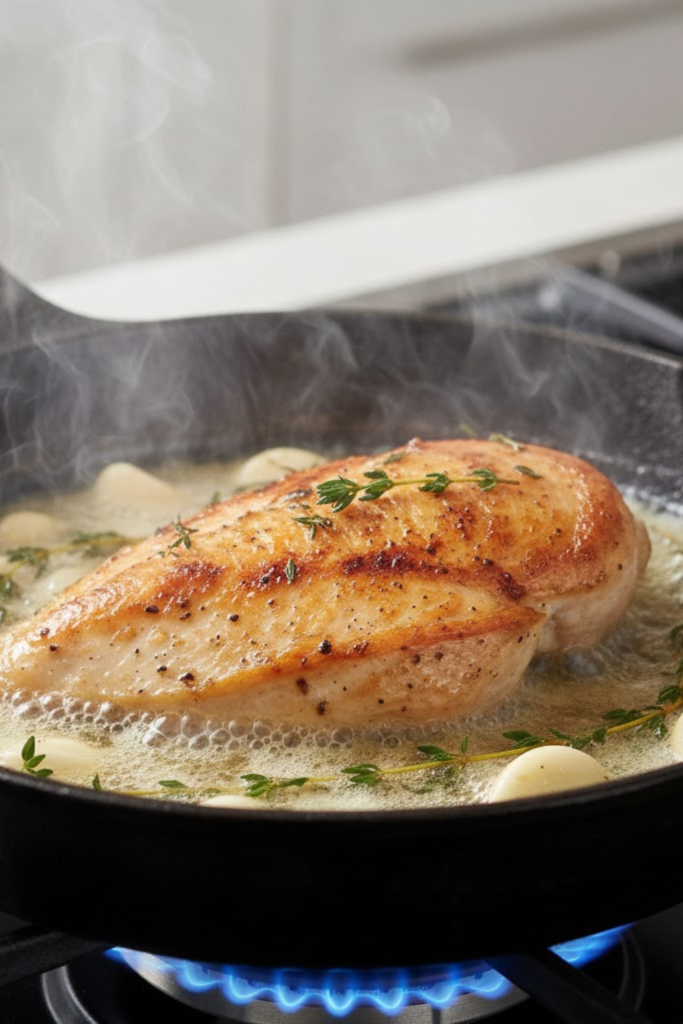
You want your pan to be hot, but not “house is on fire” hot. I usually turn my burner to medium-high and let the oil get shimmery. A good trick I learned from a neighbor is to drop a tiny piece of meat in—if it doesn’t sizzle right away, wait another minute. Once you lay the chicken down, leave it alone! I know it’s tempting to move it around or peek underneath, but you need to let it sit for about 5 or 6 minutes to get that crust. If you try to flip it and it sticks, it’s not ready yet. Just give it another minute and it will release itself from the pan.
The Butter and Herb Finish
This is the part where things get really good. About two or three minutes before the chicken is done, I toss in a big knob of butter and some crushed garlic. This is when your chicken breast with fresh herbs really starts to come alive. As the butter melts and gets all foamy, use a spoon to pour that hot herb-butter over the meat over and over. This is called basting. The smell of the rosemary and thyme hitting that hot fat is just about the best thing in the world. It makes the whole house smell like a holiday dinner on a random Tuesday.
Avoiding the “Dry Chicken” Disaster
I have been cooking for my family and teaching others for a long time, and nothing makes me sadder than seeing a beautiful piece of meat turn into a dry, chewy brick. I used to think that as long as the middle wasn’t pink, I was doing a good job. I was so wrong! My kids used to joke that they needed a gallon of water just to swallow my Sunday dinner. It took me years to figure out that making a chicken breast with fresh herbs stay juicy is actually a science, not just luck. Once I learned these three things, my cooking changed forever and I stopped serving “chicken jerky” to my poor guests.
Buy a Digital Thermometer Right Now
If you don’t have one, please stop what you are doing and go get a digital meat thermometer. It is the only way to be 100% sure your meat is cooked right. The magic number for chicken is 165°F. But here is the secret: you should actually take the pan off the stove when the thermometer reads 160°F. The meat is so hot that it keeps cooking even after you move it to a plate. This is called carryover cooking. If you wait until it hits 165°F while it’s still in the hot pan, it will probably reach 170°F or more by the time you eat it, and that is where the dryness starts.
You Have to Let it Rest
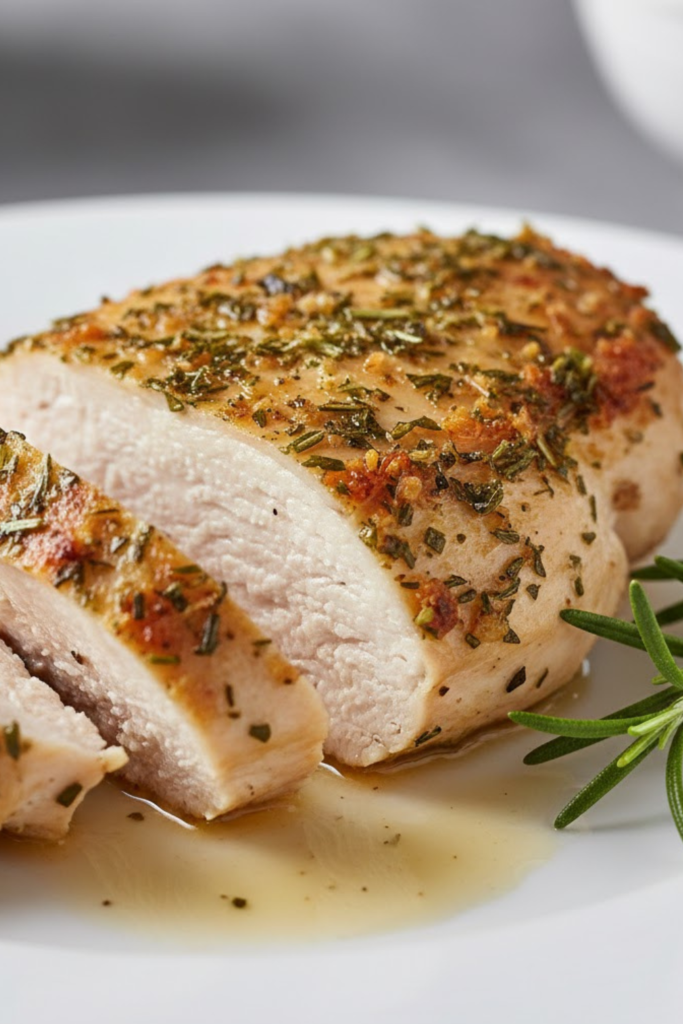
I know it smells amazing and you want to eat right away, but you have to wait. When meat cooks, the heat pushes all the juices toward the center. If you cut into it immediately, all that liquid just runs out onto your plate, leaving the meat dry as a bone. I always set a timer for five or seven minutes. This lets the juices spread back out into every part of the breast. Covering it loosely with a piece of foil helps keep it warm while you wait. Trust me, those few minutes make a huge difference in how the chicken breast with fresh herbs feels in your mouth.
Try a Quick Saltwater Brine
If you have an extra twenty minutes, put your chicken in a bowl of water with a big spoonful of salt. This is called brining. The salt helps the meat hold onto more water while it cooks. It sounds like a lot of work, but it really isn’t. Just soak it while you are chopping up your rosemary and thyme. Just make sure you rinse the chicken and dry it off with a paper towel afterward so it can still get that nice brown crust in the pan. My students always ask if they can skip this, but I say don’t do it! It’s worth the extra step.
Final Thoughts on Mastering Chicken with Herbs
I really hope this guide helps you feel a bit more confident the next time you pull out a skillet and some poultry. Cooking chicken breast with fresh herbs shouldn’t be something that makes you nervous or stressed out. It is actually one of the most rewarding things to make because the result is so immediate. When you smell that rosemary hitting the butter, you know you are doing something right! It took me a long time to realize that good cooking is mostly about paying attention and using ingredients that haven’t been sitting in a box for three years. It makes a huge difference in how the food tastes and how you feel about serving it.
Practice Makes Perfect
One thing I want you to remember is that you don’t have to be perfect right away. If you overcook it a little the first time, don’t sweat it. We have all been there! Just make a note of it and try taking it off the heat a minute earlier next time. The more you practice, the more you will start to “feel” when the meat is ready. You will start to recognize the specific way the chicken sounds when it’s getting that perfect sear. You will eventually know exactly which herbs you like the most. Maybe you’ll find out that you actually like sage more than rosemary, or that you want to add a bit of lemon peel to the pan for a bit of zing. That is the fun part about being the “teacher” in your own kitchen!
Cooking for the People You Love
This simple meal is also a great way to show people you care about them. There is something really special about serving a home-cooked dinner that smells like a fresh garden. It shows you put in the effort to find fresh ingredients and that you took the time to do it the right way. My family always knows it’s going to be a good night when they see those green sprigs on the counter. It’s healthy, it’s fast enough for a Tuesday, and it tastes like you spent hours on it. You can serve it with some roasted potatoes or a simple salad, and it feels like a real feast.
If you enjoyed these tips and want to keep this guide handy, please save it and share it on Pinterest! I love seeing what you all are cooking, and sharing helps other home cooks find these simple tricks too. Let me know if you tried the butter basting or the saltwater soak—I’d love to hear how your dinner turned out. Keep practicing, keep tasting, and most importantly, keep having fun with your food!