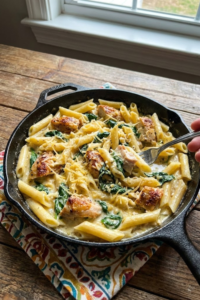
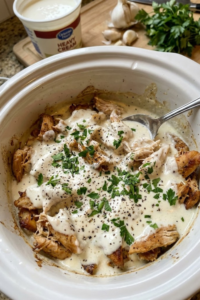
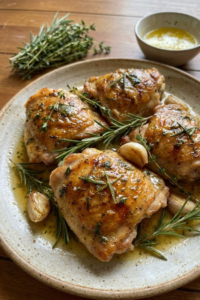
Have you ever looked forward to a chicken dinner only to bite into something that resembles a dry shoe sole? I definitely have, and let me tell you, it is heartbreaking! But that ends today. We are diving into a recipe that guarantees succulent, tender meat protected by a savory, crunchy shield.
This chicken breast with herb crust isn’t just a meal; it’s a texture obsession. Did you know that over 60% of home cooks overcook chicken breast out of fear of undercooking it? We’re going to fix that with foolproof methods. Get your apron on, because we are about to make your kitchen smell like an Italian herb garden!
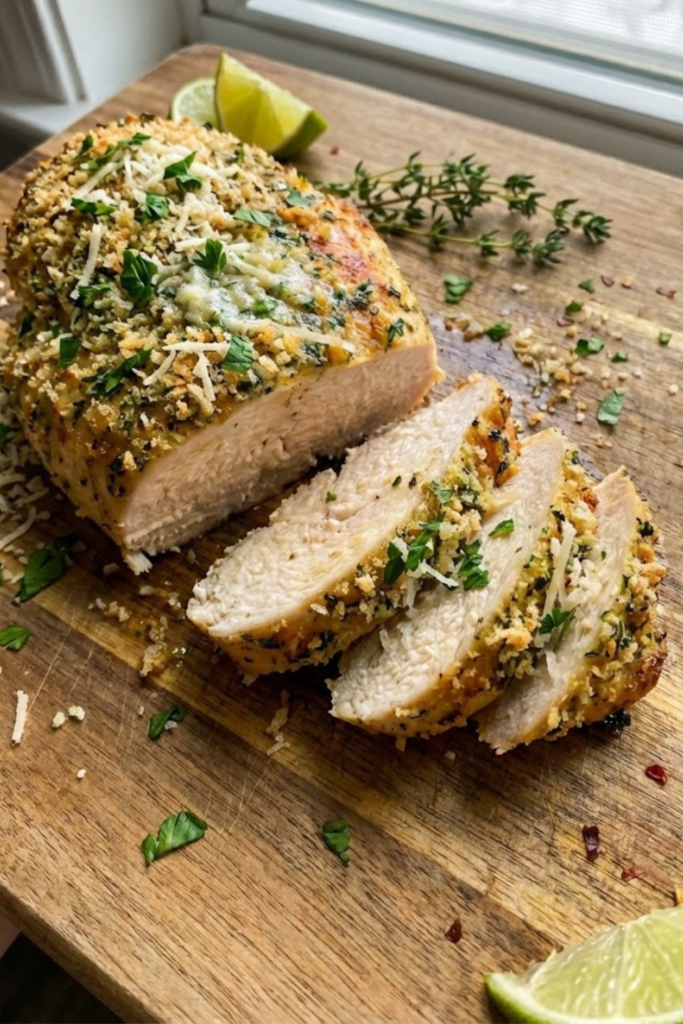
Selecting the Best Chicken for Your Herb Crust
I remember standing in the grocery store aisle about ten years ago, staring at twenty different types of chicken and feeling completely lost. I just grabbed the biggest, cheapest pack I could find because I thought I was getting a deal. Huge mistake. When I tried to make my chicken breast with herb crust that night, it was a total disaster. The meat was tough, and the crust slid right off because of all the extra water. I was so frustrated I almost threw the pan in the sink and ordered pizza.
Over the years, I’ve learned that the bird you buy matters just as much as the spices you use. You can’t fix bad meat with good cheese.
Avoiding the “Woody” Texture
Have you ever bitten into a piece of chicken and it felt… crunchy? And I don’t mean the breading. I mean the meat itself felt rubbery and hard. That is called “woody breast,” and it is gross.
It usually happens with those massive breasts that look unnatural. I learned the hard way to look for smaller breasts because they are usually way more tender.
If you see white striping running through the raw meat, put it back on the shelf. That is a bad sign. You want the meat to look pink and consistent throughout. Paying attention to this stops you from serving rubbery shoes for dinner.
Air-Chilled is a Game Changer
Here is a specific tip that changed my cooking game forever. Buy “air-chilled” chicken if you can find it.
Most standard chicken is cooled in big vats of cold chlorinated water. The meat absorbs that water like a sponge. In fact, water-chilled chicken can hold up to 12% retained water weight. You are basically paying for water.
When you cook water-logged chicken, it steams from the inside out. This makes your chicken breast with herb crust soggy instead of crispy. Air-chilled birds are cooled by air (obviously). They don’t hold extra water. You get a much better sear and a crunchier topping. It costs maybe a dollar more per pound, but it saves your dinner.
The Prep Step You Can’t Skip
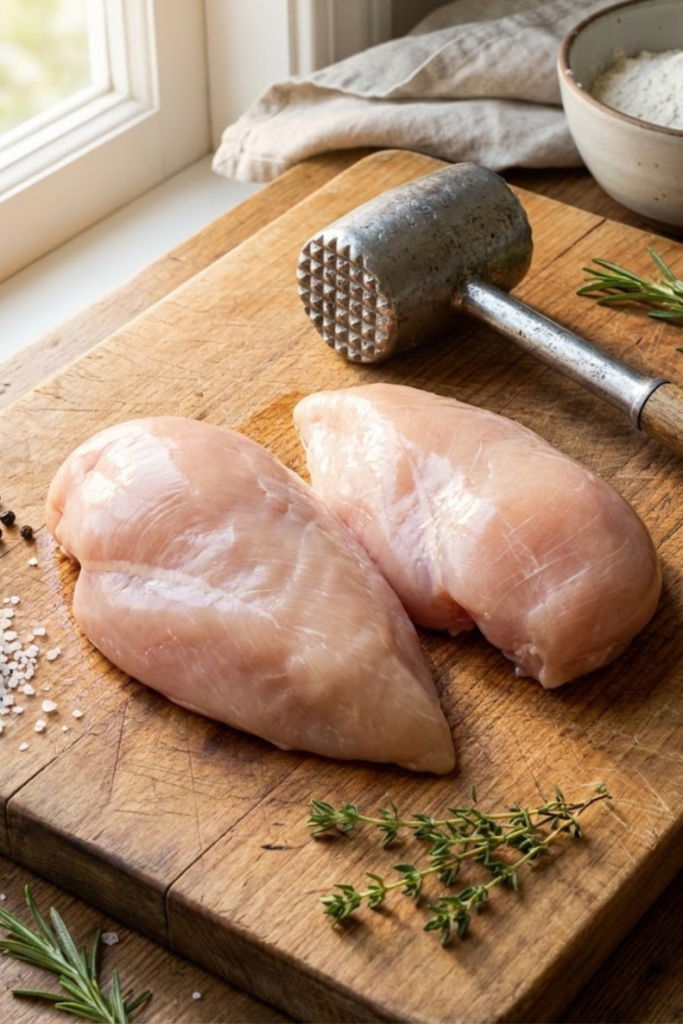
Okay, this is where I get to take out some aggression. You have to pound the chicken. Chicken breasts are naturally uneven. They are thick on one end and thin on the other.
If you bake them like that, the thin end turns into jerky before the thick end is safe to eat.
I grab a gallon zip-top bag and toss a breast inside. Then I use the flat side of my meat mallet. Whack it until it’s even, about half an inch thick. If you don’t have a mallet, a heavy rolling pin or even a saucepan works too. This makes sure your chicken breast with herb crust cooks evenly in the oven.
Boneless vs. Bone-In
For this specific recipe, I always go boneless and skinless. I know, people say bone-in has more flavor. But the skin gets flabby under the breadcrumbs, and nobody wants that.
Plus, the bone makes it take longer to cook. We want a hot, quick bake so the herbs toast nicely without burning. Trust me on this one. Stick to the boneless cuts for a reliable, crunchy dinner. Your family will definitely notice the difference.
Mastering the Ingredients for a Flavorful Crust
I have to admit something embarrassing. A few years ago, I invited some friends over for dinner and tried to make this dish. I didn’t have any fresh herbs, so I grabbed a jar of dried parsley from the back of my cupboard. I think it had been there since I moved in. The expiration date was… well, let’s just say it was old.
The result? The chicken breast with herb crust tasted like dusty cardboard. My friends were polite about it, but I watched them quietly scrape the topping off their meat. It was awful. That night taught me that the “crust” isn’t just decoration; it is where all the flavor lives. You can’t cut corners here if you want people to actually eat it.
The Breadcrumb Debate: Panko vs. Standard
This is the hill I will die on: you have to use Panko breadcrumbs.
When I started cooking, I used those standard breadcrumbs that come in the cardboard cylinder. You know the ones—they look like sand. The problem is that they absorb too much moisture and turn into a paste when you bake them.
Panko is different. It’s a Japanese style of breadcrumb that is flakier and larger. Because the flakes are bigger, they don’t soak up oil or juices as fast. They stay crispy. If you want that satisfying “crunch” sound when you cut into your chicken, put the canister of fine crumbs back in the pantry and grab the Panko.
Fresh vs. Dried Herbs
After my dusty parsley disaster, I switched to fresh herbs, and the difference is huge. Fresh herbs have oils in them that release flavor when they heat up. Dried herbs are okay for soups that simmer for hours, but for a quick bake, they just don’t wake up in time.
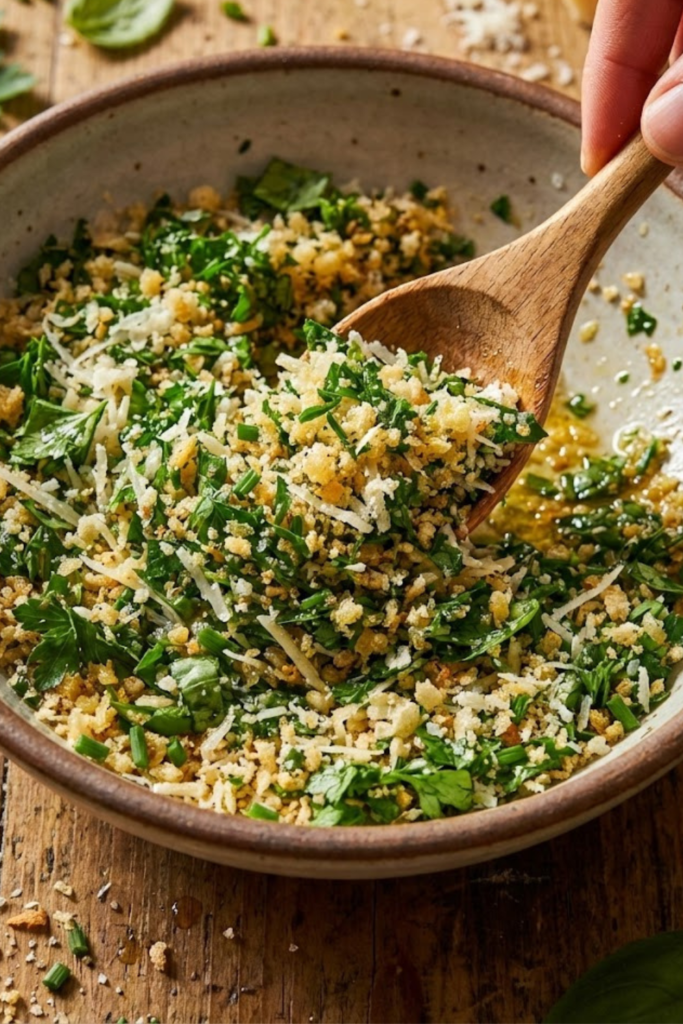
Here is my “Golden Trio” for the perfect herb crust. You can mix these right into your Panko:
- Fresh Parsley: It adds a bright, fresh taste that cuts through the heaviness of the cheese.
- Thyme: This adds an earthy, lemony flavor. Just make sure to pull the leaves off the woody stems—nobody wants to chew on a stick.
- Rosemary: A little goes a long way here. Chop it very fine so you don’t get big needles in your teeth.
The “Glue” That Holds It Together
The biggest complaint I hear from people is, “My crust fell off!” This happens because you didn’t use a good binder.
Some people just use melted butter, but I find that slides off too easily once the chicken gets hot. I like to mix a little Dijon mustard with melted garlic butter. It sounds weird, but the mustard acts like a paste. It grabs onto the meat and holds the breadcrumbs in place. Plus, the vinegar in the mustard adds a nice little kick that makes the chicken breast with herb crust taste like something from a restaurant.
Don’t be shy with the parmesan cheese in this mix, either. As the cheese melts, it also acts like a glue to fuse the breadcrumbs into a solid, crunchy shell.
Step-by-Step Baking for Juicy Results
I used to think that baking chicken was easy. You just throw it in the oven and wait, right? Wrong. I can’t tell you how many times I pulled a tray out of the oven, looked at my watch, and just guessed it was done.
One time, I was so afraid of serving raw meat that I left the chicken in for an hour at a low temperature. It was awful. The meat was stringy and dry, and the crust was a soggy mess. My husband ate it, but I saw him drinking a lot of water with every bite. I felt terrible. That was when I realized I needed a system, not just a guess.
Turn Up the Heat
Here is the mistake most people make: they bake chicken at 350°F (175°C). That works for cakes, but not for this.
For the best chicken breast with herb crust, you need to crank that oven up to 400°F (200°C). Why? Because we want the chicken to cook fast. High heat sears the outside and toasts those breadcrumbs quickly. If you cook it low and slow, the chicken sweats out all its moisture before the crust gets brown.
Cooking it hot and fast keeps the juice inside the meat where it belongs. It usually only takes about 18 to 22 minutes depending on how thick your pieces are.
Stop Cutting the Chicken to Check It
Please, for the love of food, stop cutting into the chicken to see if it is pink! I used to do this all the time.
As soon as you slice into the meat while it’s in the pan, you create a hole for all the hot juices to escape. You are literally letting the flavor bleed out.
Go buy a digital meat thermometer. You can get one for like ten dollars at the grocery store. It is the single most helpful tool in my kitchen. You want to poke the thermometer into the thickest part of the breast. You are looking for an internal temperature of 165°F (74°C).
Teacher Tip: I actually take mine out when it hits 160°F. The pan is still hot, so the chicken keeps cooking for a few minutes after you take it out. This brings it up to the perfect temperature without overdoing it.
The Hardest Part: Waiting
This is the step everyone skips, and it ruins everything. You have to let the meat rest.
When you take the chicken out of the oven, the juices are going crazy inside. If you cut it right away, that liquid spills all over your cutting board. You end up with dry meat and a wet mess on the counter.
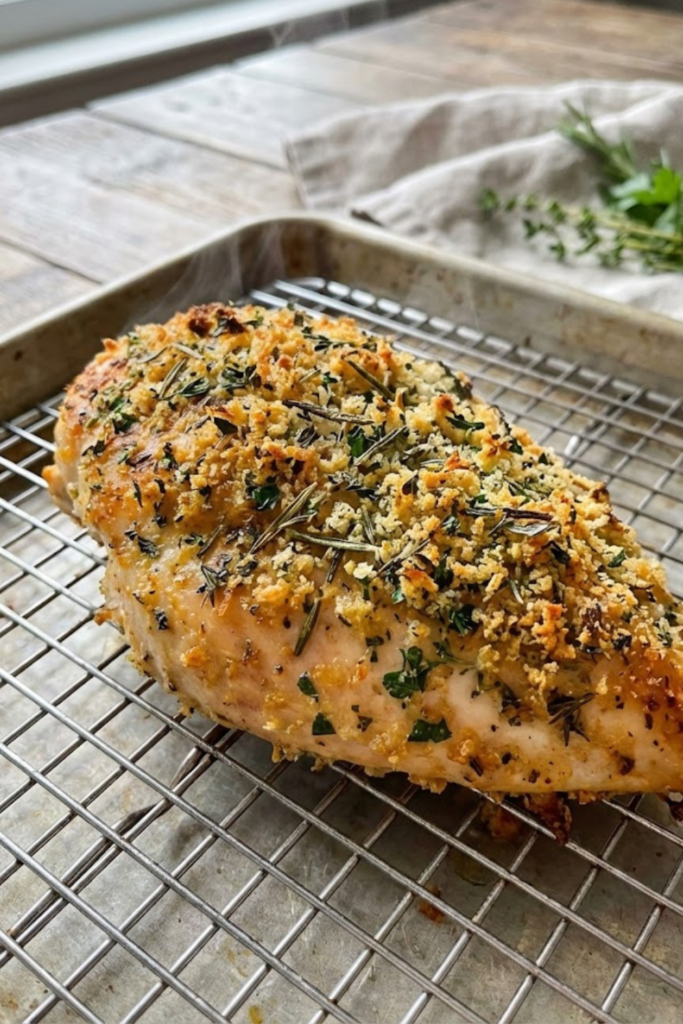
Just let the chicken breast with herb crust sit on the pan or a wire rack for 5 to 10 minutes. Don’t touch it. This lets the juices settle back into the meat fibers. It makes a huge difference. I usually use this time to yell at my kids to wash their hands for dinner, so the time passes pretty fast.
Perfect Pairings: What to Serve
I remember the first time I made this dish correctly. The chicken was perfect, the crust was golden, and I was so proud. I slapped it on a white plate and carried it to the table. And then I stopped. It looked so lonely.
Just a piece of meat on a plate is pretty sad. It’s like wearing a tuxedo with flip-flops. It just doesn’t work. To make this a real meal, you need sides that balance out the crunch and the garlic butter flavors. Over the years, I found a few pairings that make my life easier because, let’s be honest, I don’t want to wash five different pots on a Tuesday night.
Sheet-Pan Efficiency
Since you already have the oven hot at 400°F, you should use that heat for your vegetables too. It saves energy and time.
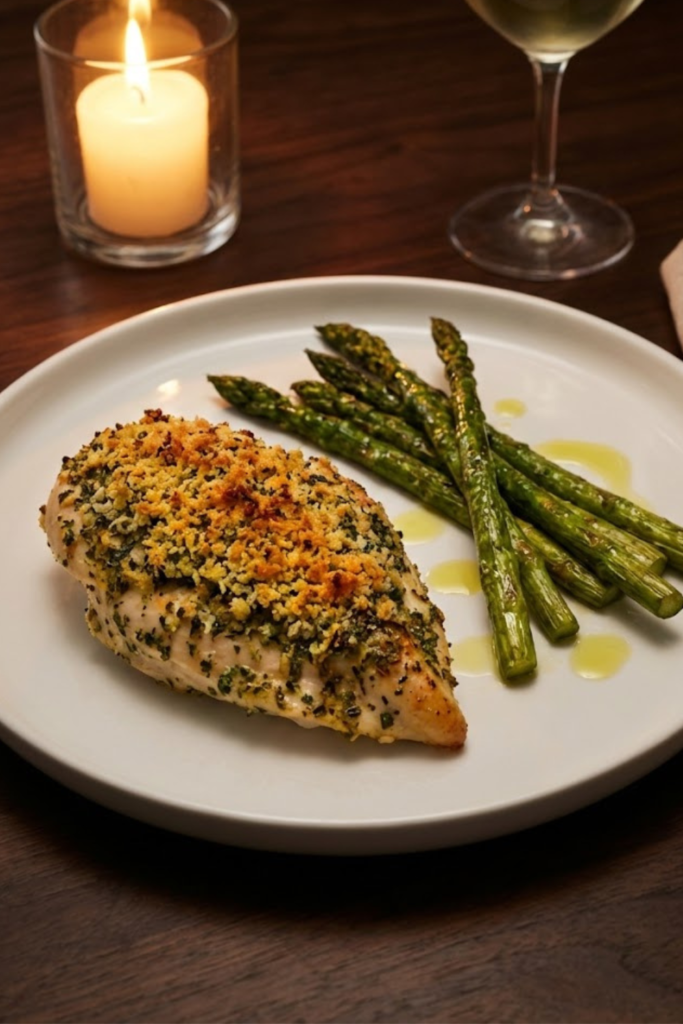
I love roasting asparagus or green beans right next to the chicken. If your baking sheet is big enough, just toss the veggies in a little olive oil, salt, and pepper, and put them on the other side of the pan. Asparagus usually takes about 15 minutes, which is almost exactly how long the chicken takes.
This is a huge win for me because everything finishes at the exact same time. No more cold veggies while waiting for the meat to cook.
The Comfort Carbs
Because the herb crust has that crispy, dry texture, I think it goes best with something soft and creamy.
My kids always beg for garlic mashed potatoes. The creamy potatoes mixed with the crunchy panko topping is a texture match made in heaven. If I am feeling lazy—which happens a lot—I just make white rice with a little lemon juice squeezed over it. The lemon brightens up the heavy parmesan flavor in the chicken.
Avoid serving this with french fries or roasted potatoes. It’s just too much crunch on one plate. You need that soft contrast.
A Little Wine Helps
Now, I’m not a fancy sommelier, but I know what tastes good. This chicken breast with herb crust is rich because of the butter and cheese.
If you drink alcohol, a glass of dry white wine is perfect here. I usually grab a Sauvignon Blanc or a Pinot Grigio. You want a wine that tastes “crisp” or acidic. It cuts through the buttery taste and gets your palate ready for the next bite. If you don’t drink wine, an ice-cold glass of lemonade actually does the same thing. It cleans your palate and makes the herbs taste even fresher.
I really hope this helps you out. Making a good chicken breast with herb crust doesn’t have to be a big scary project. I know I messed it up plenty of times before I figured out the temperature trick and the right breadcrumbs. But now? It is honestly one of the easiest things I cook.
My family asks for this at least twice a month, and I never say no because it is so fast to clean up. Just remember to buy the air-chilled meat if you can find it, and please don’t skip the resting time! That five minutes is the difference between dry leftovers and a meal your kids will actually eat.
If you make this and love it, do me a huge favor. Pin this recipe to your “Weeknight Dinners” board on Pinterest. It helps other home cooks find it, and it helps me keep sharing these tips. Good luck in the kitchen tonight!