Hey there! Let’s be honest for a second—how many times have you stared at a pack of chicken breasts and thought, “Please don’t turn out like shoe leather”? I have been there! But listen, this recipe for chicken breast with lemon sauce is going to change your weeknight rotation forever. Did you know that overcooking is the number one reason people hate making chicken at home? We are fixing that today. This dish is bright, savory, and incredibly fast to whip up!
Selecting the Best Ingredients for Vibrant Flavor
The Truth About Which Chicken to Buy
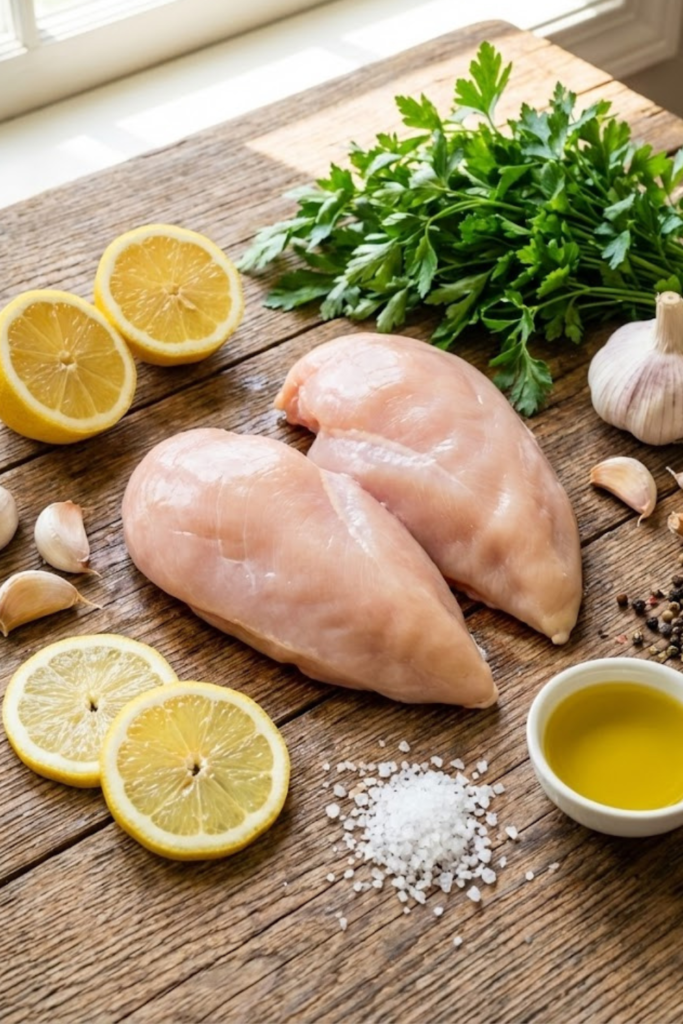
I used to think all chicken was created equal. Boy, was I wrong. I remember standing in the grocery aisle years ago, grabbing the cheapest bulk pack I could find because I was on a tight budget. Huge mistake. When I tried to make chicken breast with lemon sauce, that cheap meat just released a ton of water the second it hit the pan. It didn’t sear; it steamed in its own sad juices.
To get that restaurant-quality golden crust, you really need to look for “air-chilled” chicken breasts2. Air-chilled birds aren’t soaked in water during the cooling process, so the meat is denser and doesn’t shrink as much. It absorbs the marinade better and actually tastes like chicken. If you can’t find air-chilled, at least pat your standard chicken very dry with paper towels before cooking.
The Lemon Dilemma: Fresh vs. Bottled
Please, for the love of good food, put down the plastic lemon squeeze bottle. I know it is convenient! I have been tempted too when I am tired after a long day of teaching. But that stuff has preservatives that taste weirdly metallic and flat. It completely ruins the delicate, bright flavor of a good chicken breast with lemon sauce.
You need real, fresh lemons. We are going to use the juice and the zest to get that zippy flavor that pops. Here is a quick tip I learned the hard way: roll the lemon on the counter under your palm before cutting it. It breaks the cells inside and helps you get way more juice out3.
Picking the Right Fats and Aromatics
Now, let’s talk about the fat. I use a mix of olive oil and butter for this recipe. Olive oil handles the heat for searing, but butter is what gives the sauce that velvety richness we all crave4. Stick to unsalted butter, okay? It lets you control the salt level so you don’t accidentally turn your dinner into a salt lick.
Finally, don’t skimp on the garlic. I once tried using garlic powder because I was too lazy to peel fresh cloves. It was edible, sure, but it lacked that aromatic punch. Fresh garlic cloves, smashed and minced right before cooking, are non-negotiable here. Same goes for the parsley. Flat-leaf Italian parsley brings a fresh, grassy note that cuts right through the rich butter in your chicken breast with lemon sauce.
Preparing and Searing the Chicken for Perfection
The Hammer is Your Friend
If you take nothing else away from this, please start pounding your chicken. I know it sounds like extra work, but it is the only way to get that chicken breast with lemon sauce to cook evenly. I used to skip this step because I was in a rush, and I’d end up with the thick part raw while the thin tail was basically jerky. Not tasty.
You don’t need fancy equipment. If you have a meat mallet, great. If not, I’ve used the bottom of a heavy saucepan or even a rolling pin. Just put the chicken between two pieces of plastic wrap (so raw juices don’t fly around your kitchen) and whack it until it is even—about half an inch thick. This helps it cook fast, which keeps it juicy.
Seasoning and the Flour Trick
Here is a mistake I see a lot: people mix the salt and pepper into the flour. Don’t do that. You want to season the actual meat directly with salt and pepper first. Then, you give it a light dusting of flour.
Why the flour? It creates this lovely golden crust that protects the meat from drying out. Plus, that little bit of starch left in the pan is going to help thicken our lemon sauce later. Just shake off the excess flour before it hits the pan; you want a coating, not a winter coat.
Managing the Heat
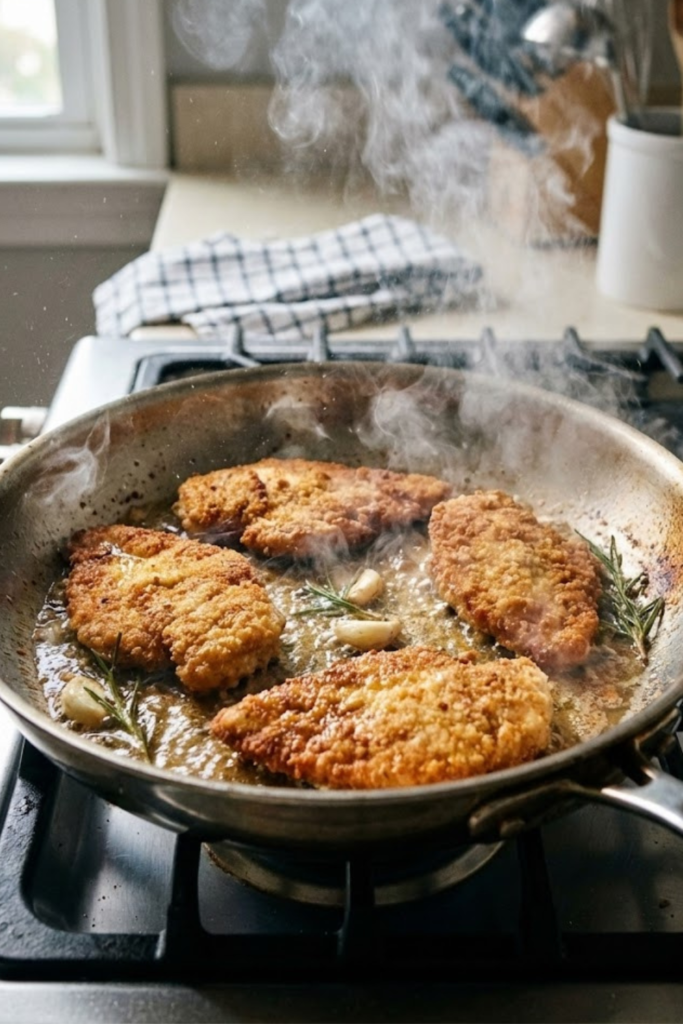
Now, get your skillet on the stove. I usually go for medium-high heat. Add your olive oil and wait. You have to wait until the oil shimmers and looks like it is moving across the pan. If you throw the chicken in too early, it will just stick to the metal and tear when you try to flip it.
Once the chicken is in, don’t touch it. I mean it! Let it sizzle for about 4 to 5 minutes. You want it to develop a deep brown color. If you try to lift it and it sticks, it isn’t ready. It will release naturally when it has that perfect sear. Flip it, cook for another 3 or 4 minutes, and then get it out of the pan. It won’t be fully done yet, but that is okay—we will finish it in the sauce.
Master the Art of the Creamy Lemon Pan Sauce
Don’t Wash the Pan!
Okay, do not wash that pan. Seriously. See those little brown stuck bits left behind after searing the chicken? That is called fond, and it is where all the deep flavor lives for our chicken breast with lemon sauce. If you scrub that away, you are basically throwing away flavor.
Instead, keep the heat on medium and pour in your chicken broth or a splash of dry white wine. It is gonna hiss and steam a lot—that is totally normal! Grab your wooden spoon immediately and scrape the bottom of the pan to mix those brown bits into the liquid. This is called deglazing, and it makes you look like a pro chef.
Reducing for Flavor
Now, let that liquid bubble away. We aren’t making chicken soup here; we want a sauce. You need to let it simmer for about 3 to 5 minutes. You will see the amount of liquid go down by about half.
This part is important because it concentrates the flavor. If you add the lemon juice too early, it can get bitter. So, let the broth reduce first, then stir in your fresh lemon juice and the capers if you are using them. It should smell incredibly bright and zesty right now.
The Butter Secret (Emulsification)
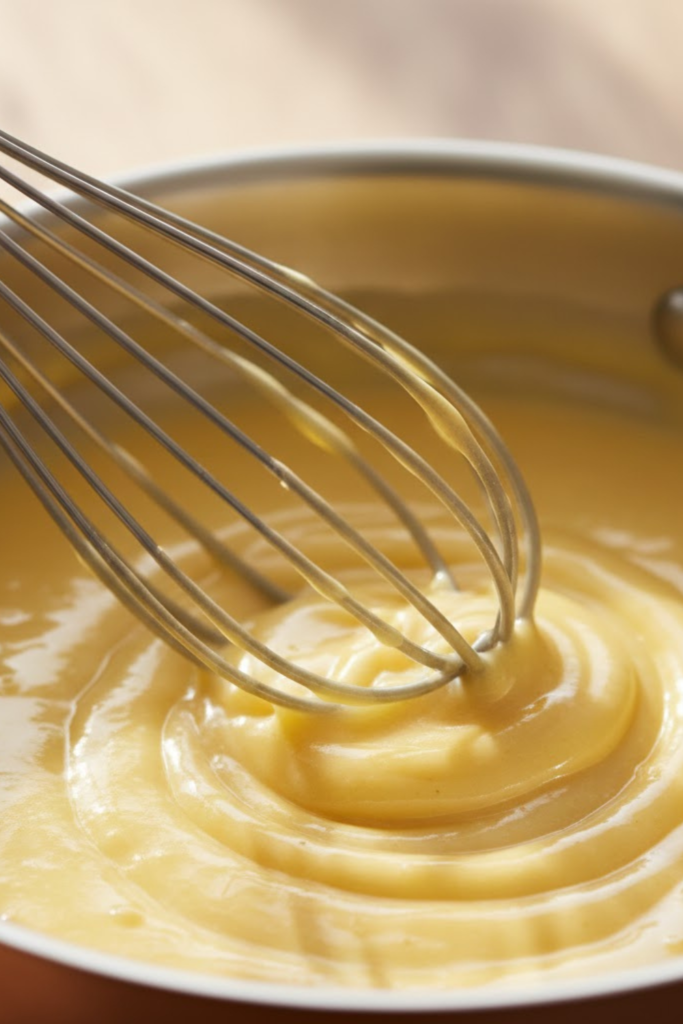
Here is the trick that changed my cooking game. Most people just throw butter in while the sauce is boiling hard. Don’t do that. It makes the sauce greasy and thin.
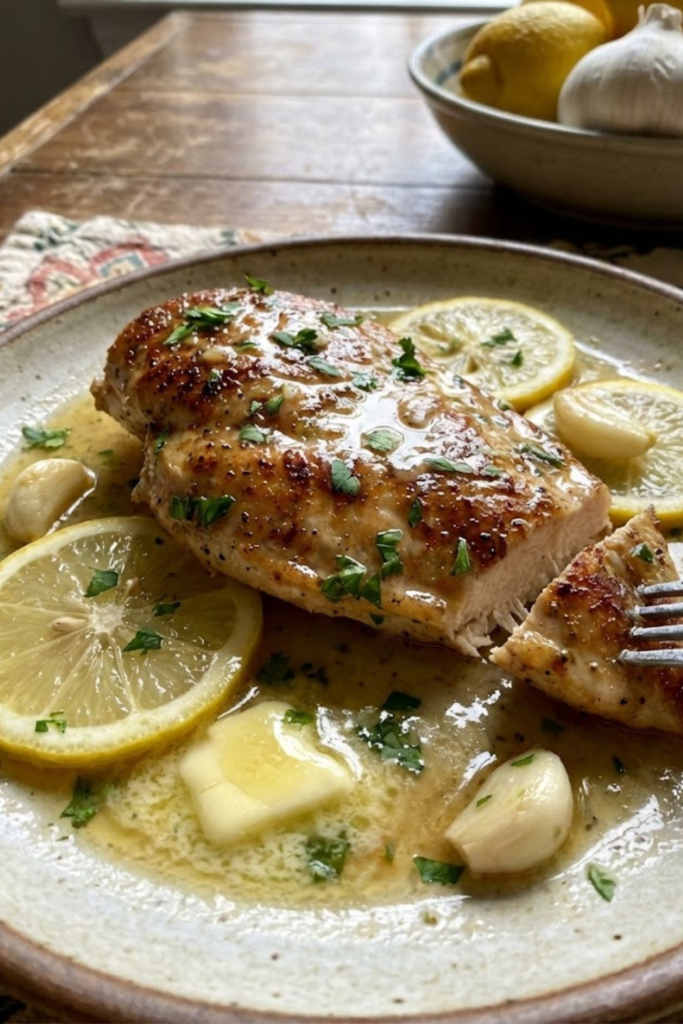
To get that creamy, velvety texture you see in restaurant pics, turn the heat down to low or even take the pan off the stove completely. Then, add your cold butter cubes. Whisk them in constantly as they melt. Since the butter is melting slowly into the warm liquid, it emulsifies. That’s just a fancy word for mixing fat and water together so they don’t separate. You end up with a glossy, thick sauce that coats the back of a spoon perfectly.
Taste Before You Serve
Before you put the chicken back in, take a spoon and taste the sauce. Lemons can vary a lot—some are sweet, some are super sour. If your sauce makes your face pucker too much, just add a tiny pinch of sugar. It sounds weird, but it balances the acidity without making it taste like dessert. Add a little more salt if it needs it, then nestle your chicken back into the pan to warm through.
Serving Suggestions and Delicious Pairings
What to Serve on the Side
Honestly, the sauce is the star of the show here. You really need something on the plate that is going to soak up all that lemony, buttery goodness. My family’s absolute favorite is angel hair pasta. It cooks in like three minutes, and the thin noodles just grab onto the sauce perfectly. If we are trying to be a little healthier, I’ll do a simple rice pilaf or even mashed potatoes. Believe me, lemon garlic mashed potatoes are a thing of beauty.
For veggies, I like to keep it fresh to balance out the butter. I usually just roast some asparagus or steam some broccoli while the chicken cooks. If I am running really behind, a bag of salad greens with a light vinaigrette works just fine. You don’t need to go crazy with complicated sides.
A Note on Wine
Now, I am definitely not a wine expert, but I know what tastes good. Since this dish has so much acidity from the lemon, you want a white wine that is crisp. A Sauvignon Blanc or a Pinot Grigio is perfect. It cleans your palate between bites. If you cook with wine in the sauce, just drink the rest of the bottle with dinner!
Storing and Reheating
If you actually have leftovers (we usually don’t!), you have to be careful reheating them. If you nuke this chicken breast with lemon sauce in the microwave on high, the butter sauce will separate and get oily, and the chicken will get rubbery.
I recommend putting the leftovers in a pan on the stove over low heat. Add a tiny splash of water or broth to loosen the sauce up again. Cover it with a lid and let it warm up slowly. It tastes almost as good as day one.
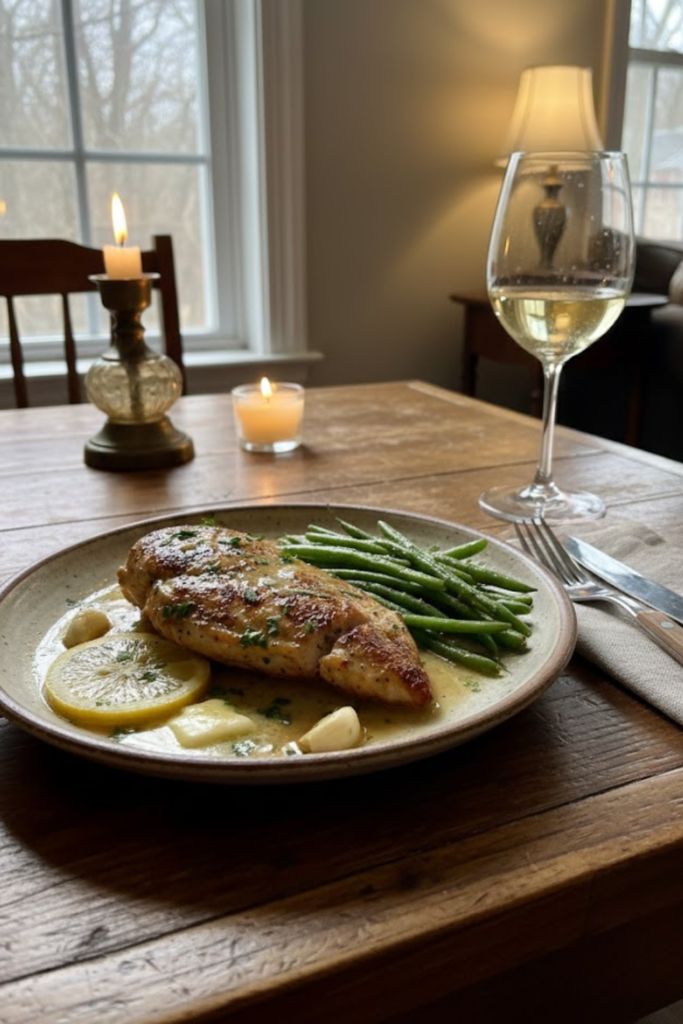
See? I told you it wasn’t hard. Making a dinner that tastes like it came from a nice restaurant doesn’t have to be a headache. This chicken breast with lemon sauce proves that you only need a handful of regular ingredients to make something amazing.
Give this recipe a try tonight. It might just save your dinner routine. And hey, if you loved this recipe and found it helpful, please save it to your dinner board on Pinterest so you can find it again later!