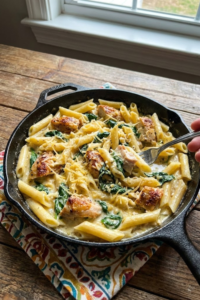
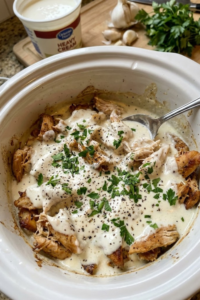
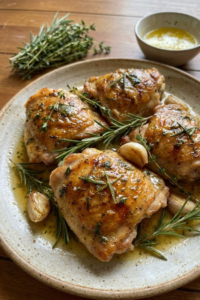
You know that feeling when you bite into a piece of chicken and it’s drier than the Sahara desert? I’ve been there, and it is the absolute worst! But let me tell you, mastering the art of a tender chicken breast with pan gravy changed my weeknight dinner game forever. It’s not just about cooking meat; it’s about capturing those golden, flavorful browned bits—the fond—and turning them into liquid gold. Whether you are a seasoned chef or just trying to survive Tuesday night, this dish is a lifesaver. Ready to ditch the dry bird? Let’s get cooking!
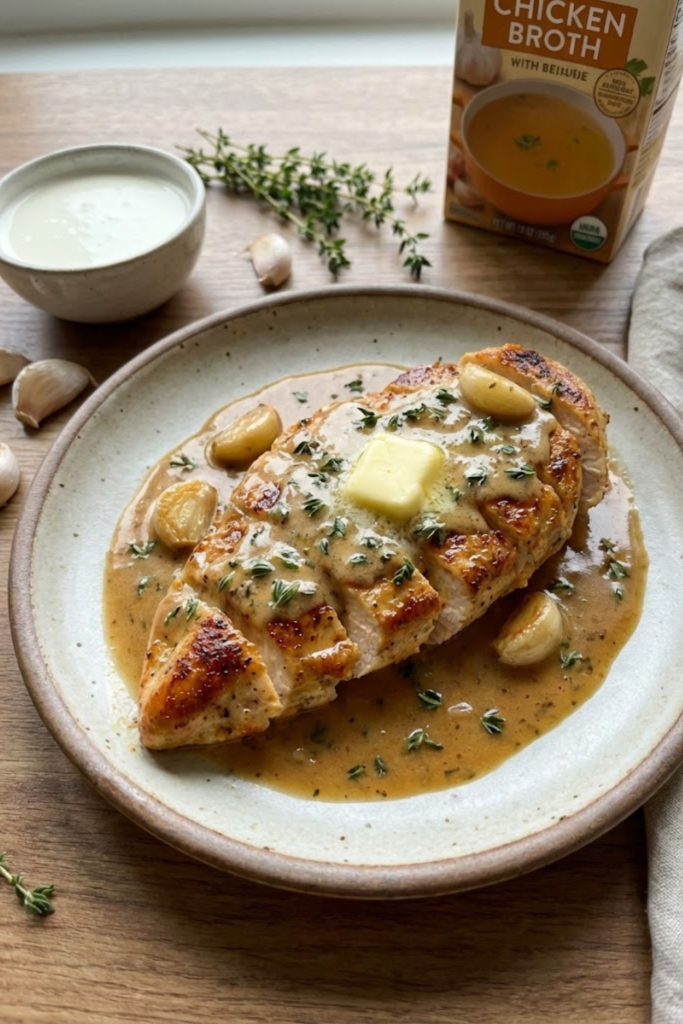
Selecting the Best Chicken and Essential Ingredients
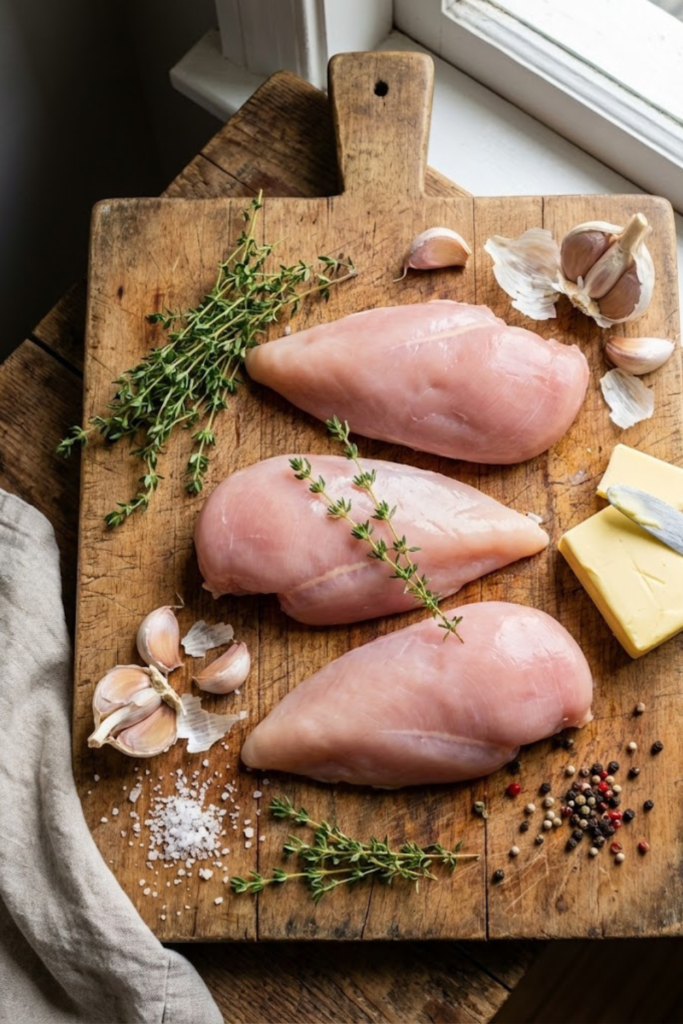
Look, I used to think a chicken breast was just a chicken breast. I’d grab those massive, frozen bags from the discount store thinking I was saving a buck, but honestly? I was just setting myself up for a rubbery, tasteless dinner. When you are trying to make a really good chicken breast with pan gravy, the quality of the meat is actually half the battle. You can’t hide bad meat behind a sauce, no matter how much butter you add.
Go for Air-Chilled if You Can
I remember the first time I finally splurged on air-chilled chicken. It was a total game changer for my weeknight meals. See, standard chicken is often cooled in big vats of cold water, so it absorbs a ton of liquid.
When you throw that water-logged meat into a hot pan, it releases all that moisture and steams the meat instead of searing it. It’s super frustrating when you want that nice brown crust for the gravy base and just get grey, sad meat. If the pack says “retained water,” I usually put it back on the shelf. You want the meat to be dry to the touch, not slimy.
Size Actually Matters
Another thing that used to drive me nuts was uneven cooking. One end of the breast would be burnt to a crisp while the thickest part was still raw in the middle. I learned the hard way that you simply cannot cook a teardrop-shaped piece of meat evenly without a little help.
The fix is super simple: pound them out. You don’t need fancy gear; I’ve used a heavy rolling pin and a sturdy ziplock bag plenty of times. Getting them to an even thickness means they cook at the same speed, keeping your chicken breast with pan gravy juicy and tender. It takes two minutes, but it saves you from eating dry, stringy poultry.
Don’t Skimp on the Fat and Herbs
Now, let’s talk about the base for that sauce. I used to be scared of butter, thinking oil was “healthier,” but you really need that milk solid goodness for the flavor profile. I like to use a mix of olive oil (for the heat) and unsalted butter (for the taste).
And please, for the love of food, try to use fresh thyme if you can find it. I once used a jar of dried thyme from who knows when, and it tasted like dusty hay—it was a total flop. Fresh herbs add a brightness that cuts right through the rich sauce. It makes the whole dish pop without being too heavy.
The Broth Dilemma
Finally, check your stock or broth. Since we are reducing this down to make the chicken breast with pan gravy, the salt gets concentrated. I ruined a perfect batch last month because I used full-sodium broth and then added salt on top. It was practically inedible. Stick to low-sodium chicken broth so you can control the seasoning yourself. It’s a small detail, but it saves the meal.
Mastering the Sear: How to Get Golden Brown Crusts
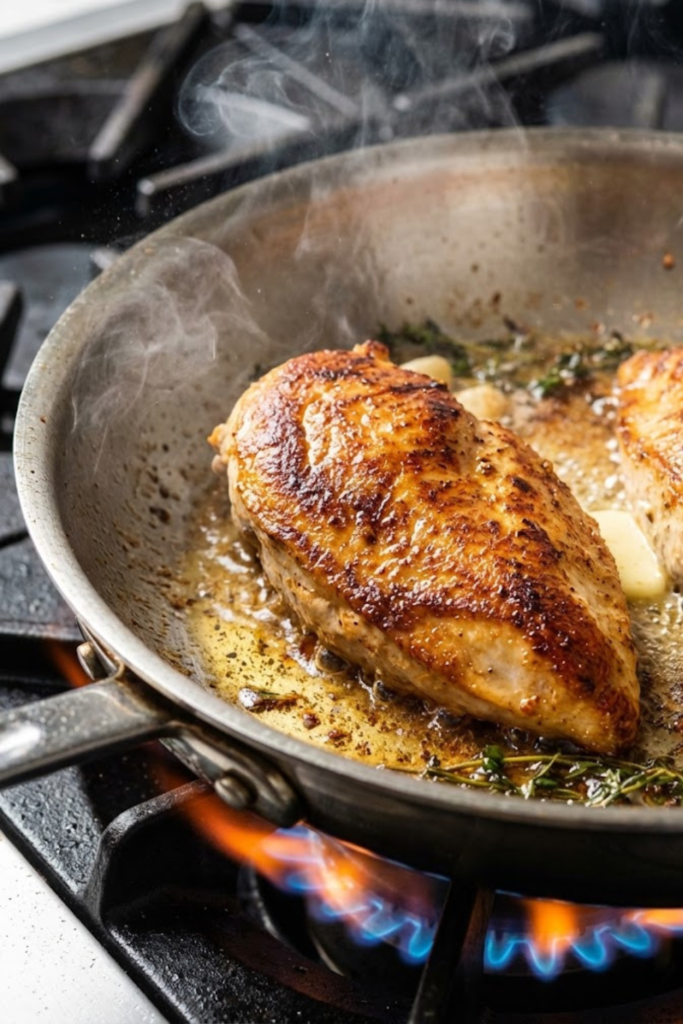
I have a confession to make. For years, my chicken looked like it had been boiled in a shoe, even when I fried it. It was pale, sad, and had zero flavor. I didn’t realize that the “sear” isn’t just about color; it is the foundation of the entire dish. Without that golden crust, you don’t get the sticky bits on the bottom of the pan, and without those bits, your chicken breast with pan gravy is going to be boring.
Ditch the Non-Stick Skillet
If you are grabbing your favorite non-stick egg pan for this, stop right there. I love my non-stick for omelets, but for this recipe, it is actually your enemy. You want the chicken to stick a little bit!
I use a heavy stainless steel skillet or my grandmother’s old cast iron. These pans hold heat better and encourage those tasty brown bits—fancy chefs call it “fond”—to form on the bottom. If you use non-stick, nothing sticks, and you lose all that deep, savory flavor that makes the gravy taste homemade.
The Patience Test
This is the hardest part for me because I’m a “fidgeter” in the kitchen. I always want to poke, prod, and flip the meat to see what’s happening. But you have to let the pan do the work.
Once you lay that chicken into the hot oil, do not touch it for at least 4 to 5 minutes. Seriously, set a timer if you have to. If you try to flip it and it feels stuck to the pan, it is telling you it’s not ready yet. When it releases easily, that means you have a perfect, golden crust.
Manage Your Heat
Getting the temperature right can be tricky. If the pan is too cold, the chicken will steam in its own juices. If it’s too hot, the outside burns before the inside cooks.
I usually heat my pan over medium-high heat until the oil shimmers and looks like water. Then, when I add the chicken, I listen for a loud sizzle—if it doesn’t hiss at you, take it out and wait. Also, don’t crowd the pan. If the pieces are touching, they create steam, and you’ll never get that crisp edge we want for our chicken breast with pan gravy.
Don’t Overcook It
We have all eaten dry, chalky chicken, and it is terrible. I use a cheap digital thermometer to check the middle.
I actually take the chicken out when it hits about 160°F, not the full 165°F. I let it rest on a plate for a few minutes. The heat left inside finishes cooking it while I make the gravy. This trick keeps it juicy every single time.
Deglazing and Crafting the Savory Pan Gravy
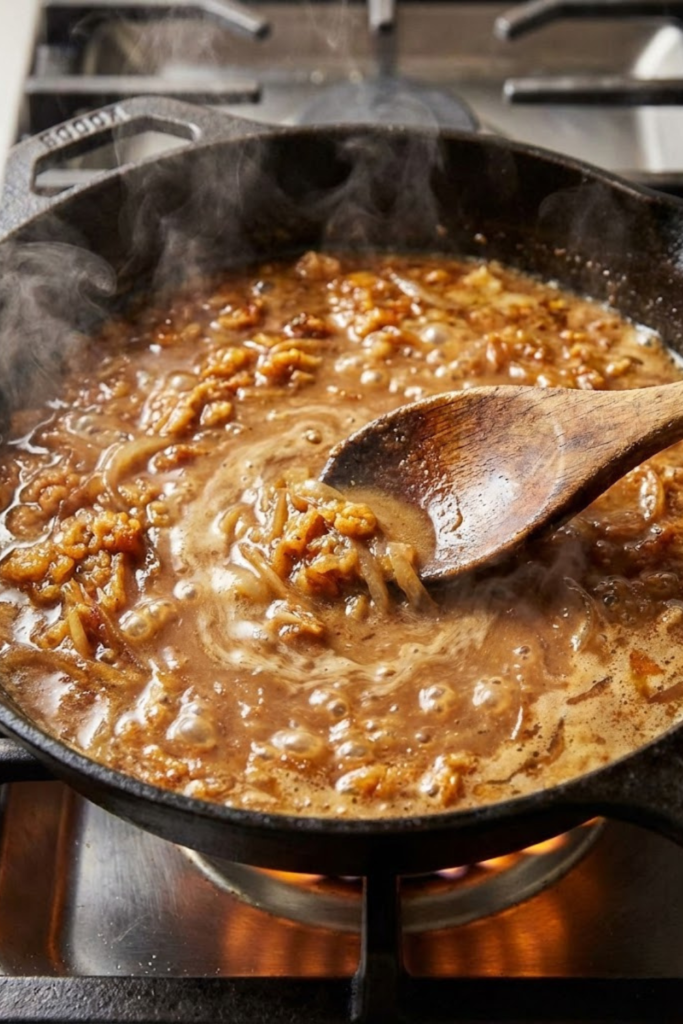
Okay, this is my absolute favorite part. The chicken is resting on a plate, and you are staring at a pan that looks like a disaster zone. It’s got brown, crusty bits stuck to the bottom and looks like it needs a serious scrubbing. But do not—I repeat, do not—put that pan in the sink!
Those sticky brown spots are called “fond,” and they are pure flavor magic. If you wash them away, you are literally washing away the best part of your dinner. Turning that mess into a smooth chicken breast with pan gravy is easier than you think.
The Magic of Liquid
First, you need to get those bits off the bottom of the pan. This is called deglazing. It sounds fancy, but it just means pouring something cold into something hot.
I usually toss in a splash of white wine or some chicken broth. As soon as that liquid hits the hot metal, it’s going to hiss and steam like crazy. That is your cue to grab a wooden spoon and start scraping. You want to rub the bottom of the pan until all those brown bits dissolve into the liquid. The smell that fills the kitchen right now is unbelievable. It smells like you’ve been cooking all day, even if it’s only been twenty minutes.
Thickening It Up
Now you have a flavorful dark liquid, but it’s too thin to be gravy. You need to thicken it so it sticks to the meat. There are a couple of ways to do this without getting lumps.
I personally like to melt a little more butter in the pan and sprinkle in some flour. I whisk it around until it looks like a paste. Then, I slowly pour in the rest of the broth and maybe a splash of heavy cream. If you can’t eat gluten, you can mix cornstarch with a little cold water in a cup first, then pour that in. Just don’t dump dry cornstarch straight into the hot pan, or you’ll get weird gummy clumps that nobody wants to eat.
The Spoon Test
How do you know when it’s done? You have to let it simmer for a few minutes. This reduces the water and concentrates the flavor.
I always use the “spoon test” to check. Dip a metal spoon into the sauce and look at the back of it. If the gravy runs right off like water, it needs more time. If it coats the spoon and stays there, it is ready. You want a texture that is silky but thick enough to cling to your chicken breast with pan gravy.
Taste Before You Serve
This is the step I used to skip, and I always regretted it. You have to taste the sauce before you pour it.
Since the broth reduced down, it might be salty enough already. If it tastes flat, add a pinch of salt or a crack of black pepper. Sometimes I squeeze a tiny bit of lemon juice in at the end. The acid wakes up the heavy flavors and makes the whole dish taste brighter. It’s a small trick, but it makes a huge difference.
Serving Suggestions and Side Dish Pairings
Now that you have this beautiful chicken breast with pan gravy, you need to figure out what to put next to it. Honestly, the side dishes are mostly just vehicles to get more of that sauce into your mouth. I used to just throw some plain rice on the plate and call it a day. But I learned that picking the right sides turns a regular Tuesday dinner into something that feels like a Sunday feast.
The Starch is Non-Negotiable
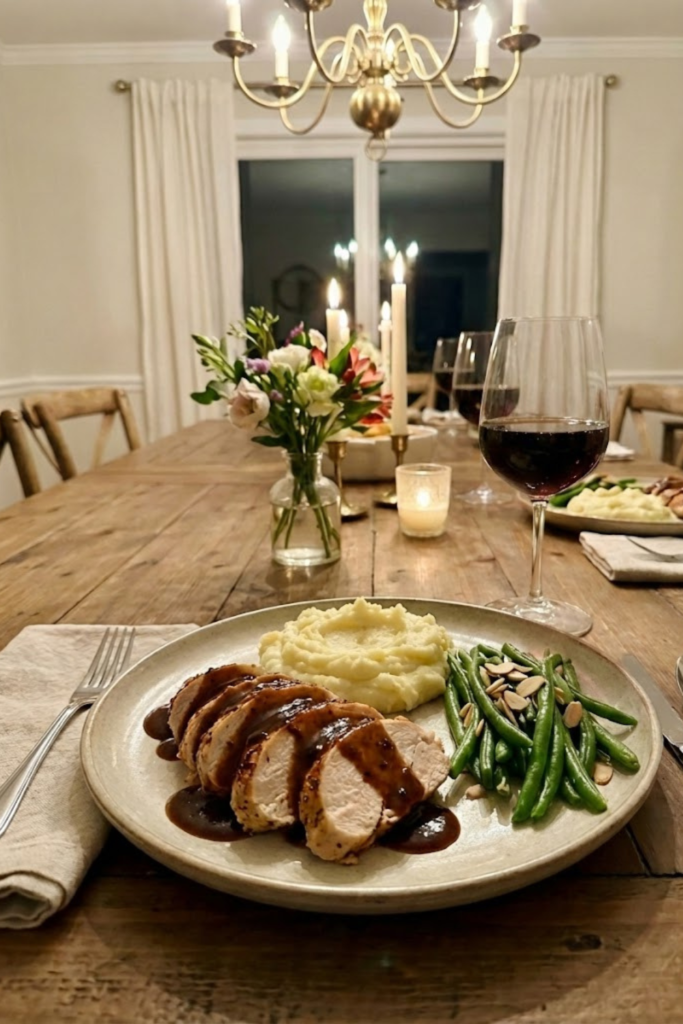
You absolutely need something starchy to soak up that liquid gold. My number one choice is always creamy mashed potatoes. I like to make a little “volcano” or well in the middle of the pile and fill it up with the gravy. It reminds me of school lunches but tastes a million times better.
If I don’t feel like peeling potatoes, egg noodles are a close second. The wide, flat noodles hold onto the sauce really well. Rice works too, specifically something like a pilaf, but it doesn’t absorb the flavor quite like potatoes or pasta do. You want every bite to have a mix of meat, starch, and that rich sauce.
Get Your Greens In
Since the main dish is pretty rich and brown, you need something green to brighten up the plate. Otherwise, your dinner just looks entirely beige. I usually go for fresh green beans or broccoli.
Instead of steaming them until they are mushy, I roast them in the oven while the chicken cooks. The crispy texture of roasted veggies goes perfectly with the soft, tender chicken. Plus, if a little gravy spills onto the broccoli, my kids are way more likely to actually eat it. It’s a sneaky parent trick that works almost every time.
Slice It for Better Presentation
I used to just plop the whole chicken breast onto the plate, but slicing it makes a huge difference. Let the meat rest, then slice it into thick strips against the grain. This makes it easier to eat and also makes it look like you put in way more effort than you actually did.
Fanning out the slices on the plate lets you pour the gravy over more surface area. This means more flavor in every single bite. It also helps you check that the meat is perfectly cooked before you serve it to anyone else.
The Final Sprinkle
This might seem silly, but don’t skip the garnish. A little bit of chopped fresh parsley adds a pop of color that makes the dish look finished. I used to think garnishes were just for fancy restaurants, but they actually add a fresh taste that balances the heavy butter and cream.
If you don’t have fresh herbs, plenty of cracked black pepper looks good too. It shows you cared enough to finish the dish properly. It turns a simple chicken breast with pan gravy into something you’d be proud to serve to guests.
So, there you have it. You don’t have to suffer through dry, boring poultry ever again. Mastering this chicken breast with pan gravy has seriously saved my weeknight dinner routine. It turns out that a few simple tricks, like pounding the meat flat and scraping up those tasty brown bits, make all the difference.
It might take a try or two to get the heat exactly right, but don’t give up. Once you taste that homemade sauce, you won’t want to go back to the jarred stuff. It really is comfort food at its best, and it doesn’t take all day to make.
I hope this guide helps you put a delicious meal on the table for your family. If you found this recipe helpful, please pin it to your dinner ideas board on Pinterest so you can find it next time you are hungry!