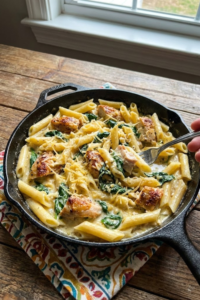
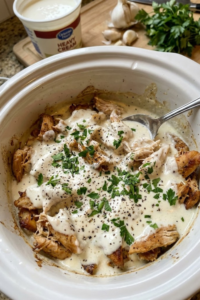
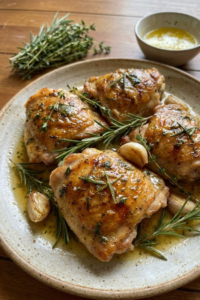
Have you ever spent time cooking dinner only to end up with chicken that tastes like dry cardboard? I know I have, and it is the absolute worst! But let me tell you, this chicken breast with parsley recipe is going to change your life. Seriously!
We aren’t just tossing some dry flakes on a bird here; we are talking about a vibrant, herb-infused experience that wakes up your taste buds. Did you know that parsley is actually packed with Vitamin K and C? It’s not just a garnish anymore. Whether you are a total beginner or a home chef pro, this dish is the perfect weeknight savior. Let’s get cooking!
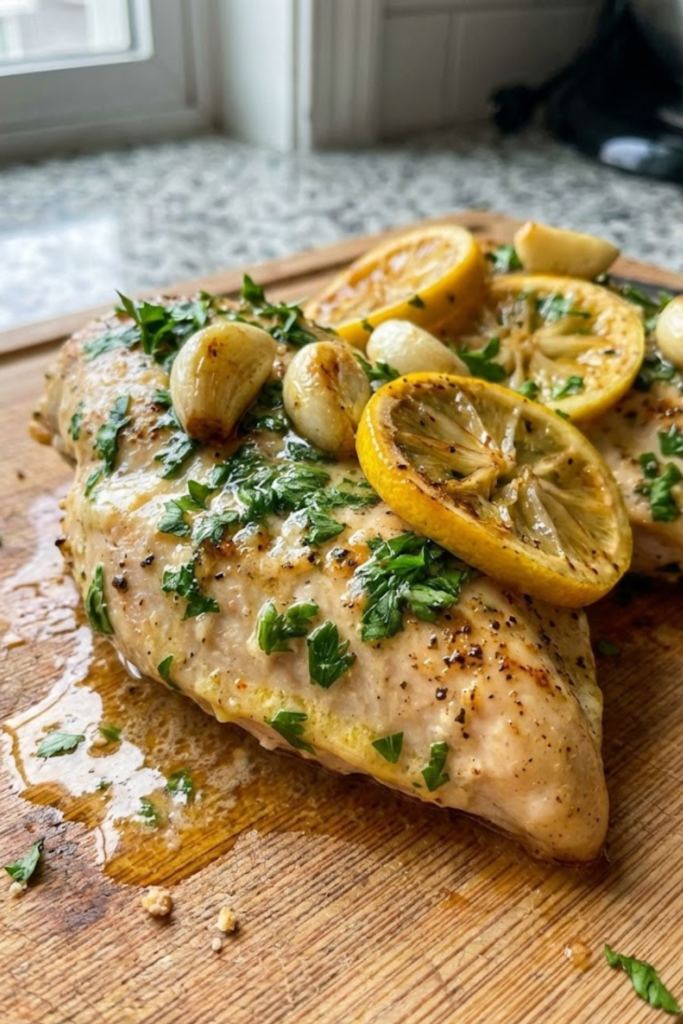
Why Parsley is the Secret Weapon for Chicken
Honestly, I used to be that guy who thought parsley was just green confetti. You know, the stuff restaurants sprinkle on top to make a $20 dish look like it’s worth $30. I would literally push it to the side of my plate without a second thought. That was a huge mistake, and I’m kicking myself for all those years I missed out.
One frantic Tuesday, I was out of basil and oregano, and all I had was a sad-looking bunch of flat-leaf parsley in the crisper drawer. I chopped it up, threw it in the pan with some butter, and my whole kitchen smelled different. It wasn’t just “herb” smell; it was fresh and peppery. When I took a bite of that chicken breast with parsley, it finally clicked.
It’s All About the Freshness
Here is the thing about chicken breasts: they can be pretty boring on their own. They are a blank canvas, but sometimes that canvas ends up tasting like dry paper. This is where fresh parsley comes in to save the day.
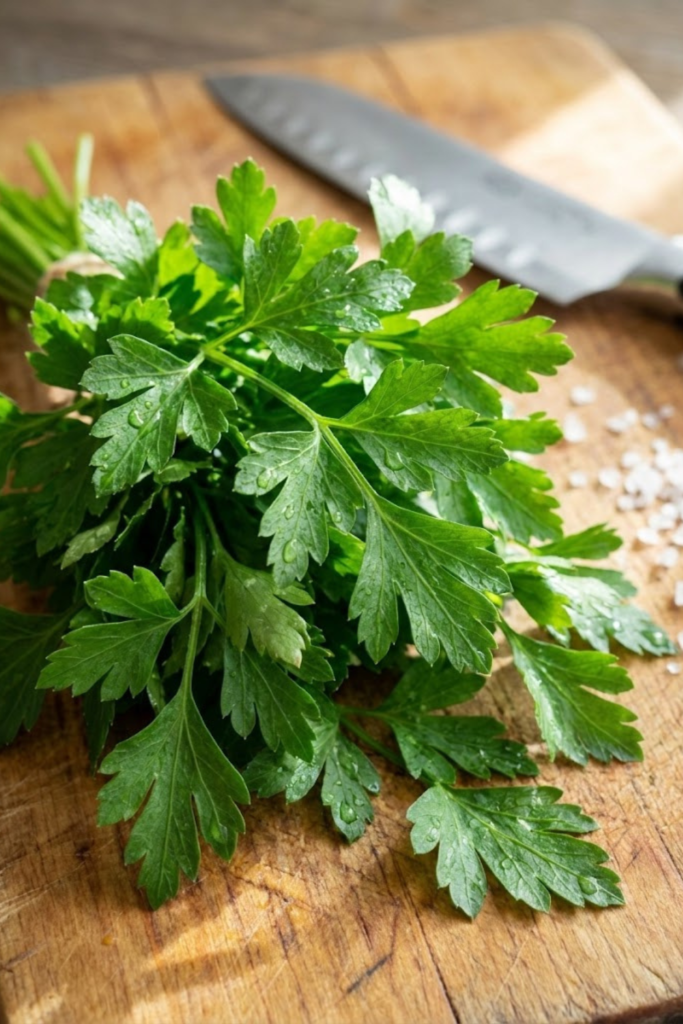
Dried herbs are fine in a pinch, but fresh flat-leaf parsley (also called Italian parsley) has these natural oils that wake up the meat. It cuts right through the richness of the butter we are going to use later. Curly parsley is okay for a garnish, but it tastes a bit like grass to me. Stick to the flat-leaf kind if you want actual flavor. It’s got a peppery kick that dried flakes just can’t copy.
A Cheap Way to Look Like a Pro
I’m a teacher, so I am always watching my budget. I love that a bunch of parsley costs practically nothing at the grocery store. Yet, when you add it to the skillet, it makes the dish look fancy.
We eat with our eyes first, right? That bright green pop against the golden-brown sear of the chicken makes people think you really know what you are doing. I have tricked so many dinner guests into thinking I attended culinary school just by finishing the dish with a handful of fresh herbs. It is a simple trick, but it works every time.
The Health Bonus
I don’t want to bore you with a science lecture, but parsley is actually good for you. It is packed with Vitamin K and Vitamin C. So, while we are indulging in that garlic butter, we are also getting some greens in.
It was found by me that adding herbs at the very end keeps those nutrients alive. If you cook them too long, they turn black and bitter. I learned that the hard way when I burnt a whole batch last month. It was super frustrating! So, keep it fresh, keep it green, and your chicken breast with parsley will taste amazing.
Ingredients You Need for Perfect Herb Chicken
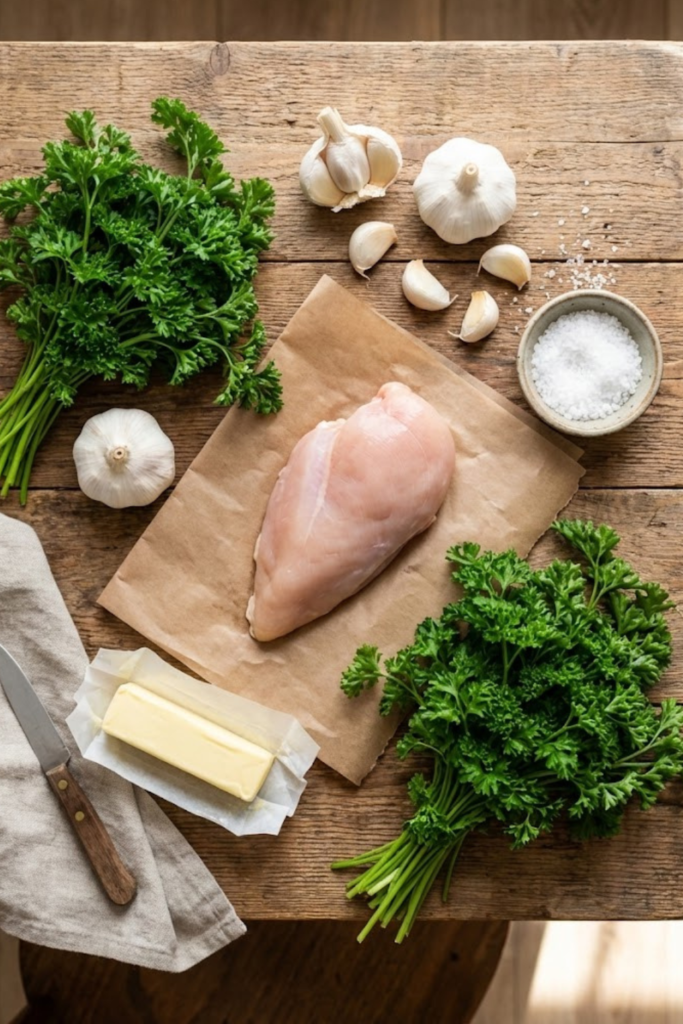
Getting your ingredients ready is half the battle. I can’t tell you how many times I have started cooking dinner only to realize I am out of butter. It is the worst feeling! For this chicken breast with parsley recipe, you don’t need a lot of stuff, but the quality really matters. Since there are so few ingredients, you can’t really hide behind a heavy sauce if one of them tastes bad.
I usually hit up the local market on my way home from school. You don’t need anything fancy or expensive, just fresh stuff. Here is exactly what I grab to make sure this turns out right every time.
Picking the Right Chicken
Obviously, we need chicken. But don’t just grab the first package you see. I look for chicken breasts that are pink, not gray. Also, try to find ones that are roughly the same size. If you get one giant breast and one tiny one, the small one is gonna be dry as a bone before the big one is even cooked.
I used to buy the huge “family pack” breasts because they were cheaper, but they are often tough. Now I stick to the organic ones or air-chilled if I can find them. They release less water in the pan, which helps get that nice brown crust we want. If they are super thick, don’t worry, we will fix that later.
The Parsley Situation
Since we are making chicken breast with parsley, the parsley is kinda the star here. Please, I am begging you, do not use the dried stuff in the jar for this. It has zero flavor compared to fresh.
I always go for flat-leaf Italian parsley. It has a stronger, sweeter flavor than the curly kind. Curly parsley is fine for making a plate look pretty, but it can be tough and doesn’t taste like much. When you are at the store, look for a bunch that is bright green and standing up straight. If it looks wilted or sad, skip it. I usually grab two bunches because I love putting extra on at the end.
Fats and Aromatics
You need a mix of fats here. I use olive oil to start the sear because it handles heat well, but I finish with butter. Butter adds that rich, nutty flavor that makes the sauce amazing. If you use only butter from the start, it will burn before your chicken is done. Trust me, burnt butter is bitter and gross.
Then there is the garlic. I use fresh cloves and smash them myself. The jarred garlic usually has a weird metallic taste to me. You will also need a lemon. A little squeeze of lemon juice at the end cuts through the fat and makes the whole dish pop.
The Boring Essentials
Finally, salt and pepper. I switched to Kosher salt a few years ago and I never looked back. The grains are bigger, so it is easier to pinch with your fingers and control how much you are adding. Table salt is too salty and easy to mess up. Freshly cracked black pepper is also a must. The pre-ground dust just makes you sneeze and doesn’t add that nice spicy bite.
So get your grocery list together. Once you have these basics, you are ready to cook something that tastes like it came from a restaurant.
Preparing Your Chicken for the Skillet
Okay, this part is super important. I know, I know, you just want to throw the meat in the pan and be done with it. I used to do that too. I would just rip open the package and toss the chicken breasts right into the skillet. And guess what? They cooked unevenly and the outside burned while the inside was still raw. It was a disaster.
Taking a few minutes to prep the chicken makes a huge difference. It is the secret to getting that juicy, tender bite instead of something tough and chewy. It’s not hard, it just takes a little bit of patience.
Pounding It Out
Chicken breasts are naturally uneven. One end is thick and fat, and the other end is thin and pointy. If you cook them like that, the thin end dries out way before the thick end is safe to eat.
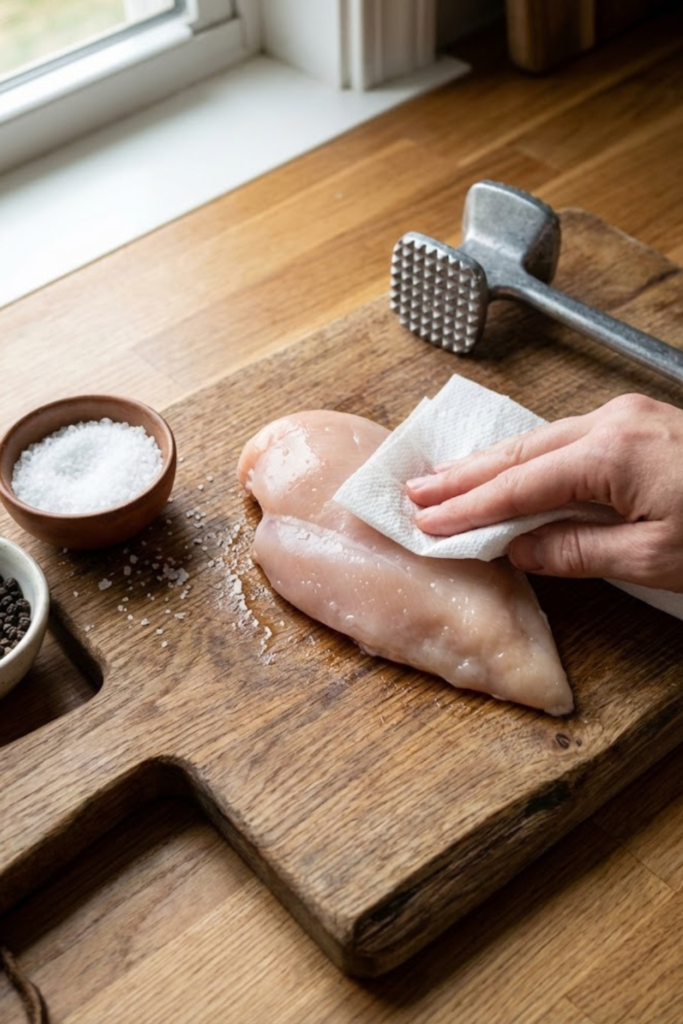
So, here is what I do. I put the chicken breast between two pieces of plastic wrap or in a zip-top bag. Then, I take a meat mallet (or a heavy rolling pin, or even the bottom of a heavy pot if that is all you have) and gently pound the thick part. You aren’t trying to smash it to pieces; you just want it to be even thickness, maybe about half an inch or three-quarters of an inch thick. This helps it cook at the same speed all the way through. It’s a game changer, seriously.
Drying is Key
This is the one step people always skip, but you really shouldn’t. Water is the enemy of a good sear. If your chicken is wet, it will just steam in the pan instead of browning. Steamed chicken is… well, it’s not great. It looks pale and sad.
I take a few paper towels and pat the chicken dry on both sides. Get all that moisture off. You want the surface to be tacky, not slippery. Once it is dry, the oil and heat can do their job and create that beautiful golden crust we all love.
Seasoning It Right
Now that it’s dry, it’s time for flavor. Don’t be shy with the salt and pepper. I sprinkle a good amount of Kosher salt and freshly cracked black pepper on both sides. Then—and this is a little trick—I press the seasoning into the meat with my hand. It helps it stick so it doesn’t just fall off in the pan.
If I am feeling fancy, I might mix some chopped parsley right into the salt before sprinkling it on, so the flavor gets right in there. But usually, I save the fresh herbs for the pan.
Let It Warm Up
One last thing before we cook. If your chicken is ice cold from the fridge, don’t put it straight into a hot pan. It will seize up and get tough. I let the seasoned chicken sit on the counter for about 15 minutes while I chop the parsley and garlic.
Letting it come up to room temperature helps it cook more evenly. I used to be scared of leaving meat out, but 15 minutes is totally fine and safe. It relaxes the meat fibers so your dinner turns out tender and delicious. Now, we are finally ready to cook!
Step-by-Step Cooking Instructions
Now comes the fun part. This is where your kitchen starts to smell amazing and everyone asks, “What are you making?” Cooking chicken breast with parsley isn’t just about throwing it in a pan; it is about controlling the heat so you get that golden crust without drying out the middle. I used to be terrified of overcooking chicken, so I would flip it constantly. That was a big mistake.
Here is how I cook it now, step by step. It’s pretty straightforward once you get the hang of it.
Get Your Pan Ready
I love using my cast-iron skillet for this. It holds onto heat really well, which helps brown the meat. If you don’t have one, a heavy stainless steel pan works too. Just try to avoid those thin, cheap non-stick pans if you can; they don’t really sear the meat very well.
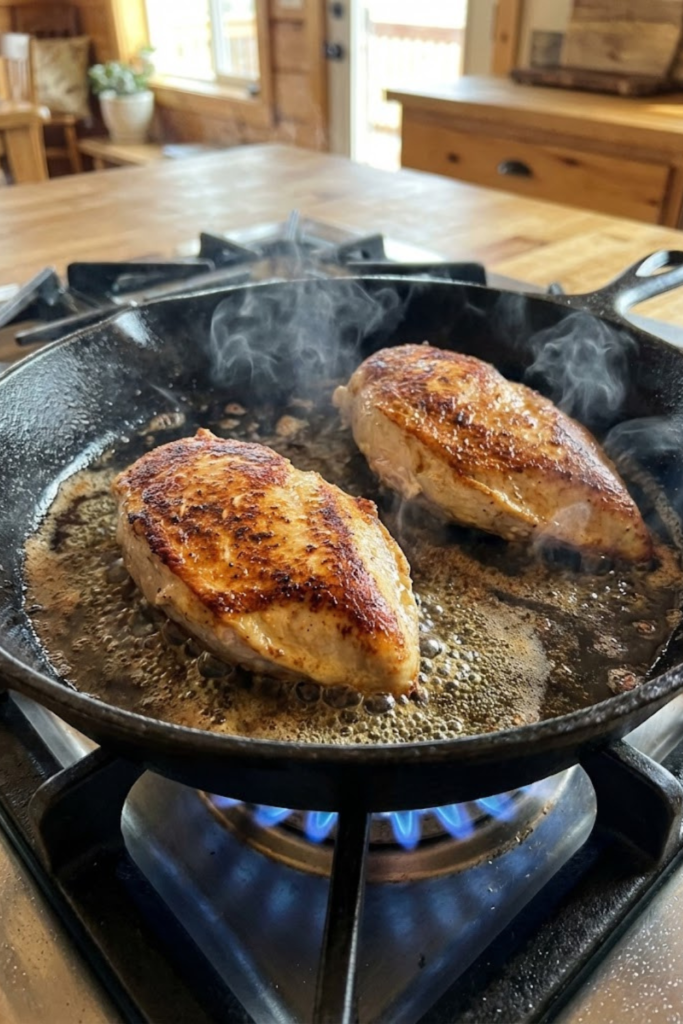
Put your skillet on the stove over medium-high heat. Add a splash of olive oil—enough to coat the bottom. You want to wait until the oil is shimmering and just starting to smoke a tiny bit. If the pan isn’t hot enough, the chicken will stick and tear. Patience is key here.
The Don’t-Touch-It Phase
Carefully lay your seasoned chicken breasts into the pan. Lay them away from you so the hot oil doesn’t splash on your shirt (I learned that one the hard way!). Now, here is the hard part: do not touch it.
Let it cook undisturbed for about 5 to 6 minutes. You want a deep golden-brown crust to form. If you try to lift it and it sticks, it’s not ready. Let it go another minute. When it releases easily, give it a flip. The color should be beautiful.
The Butter Bath
Once you flip the chicken, turn the heat down to medium. This is where the magic happens. Toss in a big knob of butter, your smashed garlic cloves, and a handful of that chopped parsley.
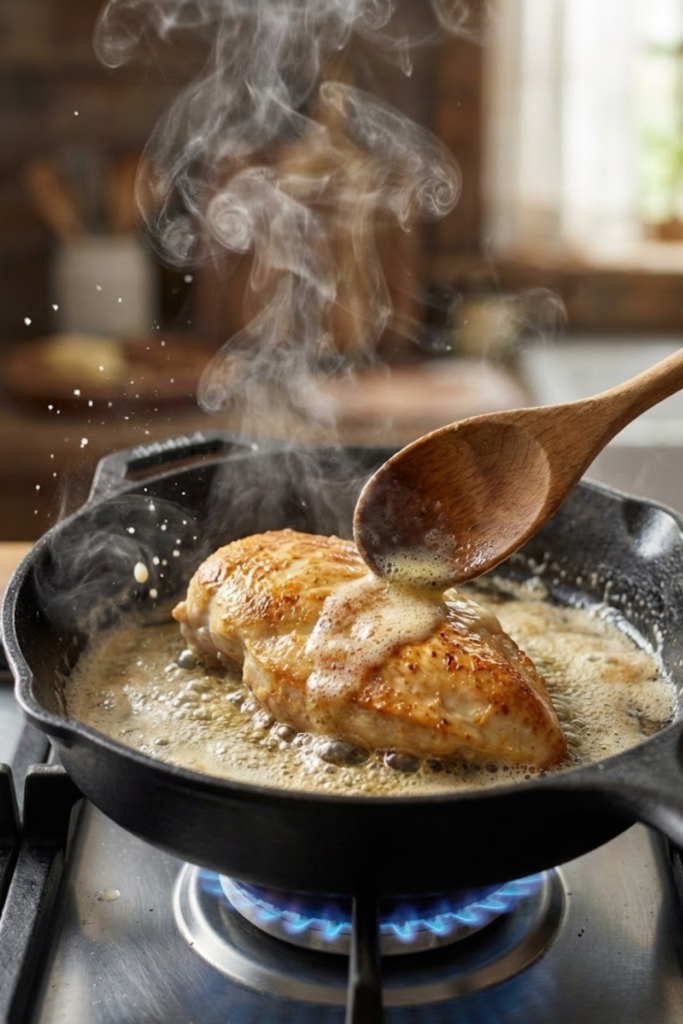
As the butter melts and foams, tilt the pan slightly. Take a large spoon and scoop that hot, herby butter over the chicken again and again. This is called basting. It keeps the meat moist and helps cook the center gently while adding a ton of flavor. The parsley will crisp up a little in the butter, which tastes incredible.
Checking for Doneness
Please don’t cut into the chicken to check if it’s done. You will let all the juices run out! Use a cheap digital meat thermometer instead. Stick it into the thickest part of the breast.
You are looking for 165°F (74°C). As soon as it hits that number, take it out of the pan immediately. It will keep cooking a little bit as it sits. If you leave it in the pan too long, it goes from juicy to rubbery real fast. Now, put the chicken on a plate, but don’t clean the pan yet! We need that flavor for the sauce.
Making the Garlic Parsley Pan Sauce
Okay, stop! Do not take that pan to the sink yet. I used to make this mistake all the time. I would cook the chicken, put it on a plate, and then immediately scrub the pan because I like a clean kitchen. But I was literally washing away the best part of the meal.
You see those brown bits stuck to the bottom of the skillet? Chefs call that “fond,” but I just call it flavor gold. It is concentrated chicken and spice goodness. If you leave it there, you are missing out. Making a pan sauce takes like two minutes, and it makes your chicken breast with parsley taste like it cost $30 at a fancy bistro. It’s the easiest way to impress anyone you are cooking for.
Lifting the Flavor (Deglazing)
So, your chicken is resting on a plate (we will get to why resting is important later). Your pan is still hot. Now, pour in about half a cup of liquid. I usually use a dry white wine because it adds a nice acidity that cuts through the butter. If you don’t do alcohol, chicken broth works perfectly fine too.
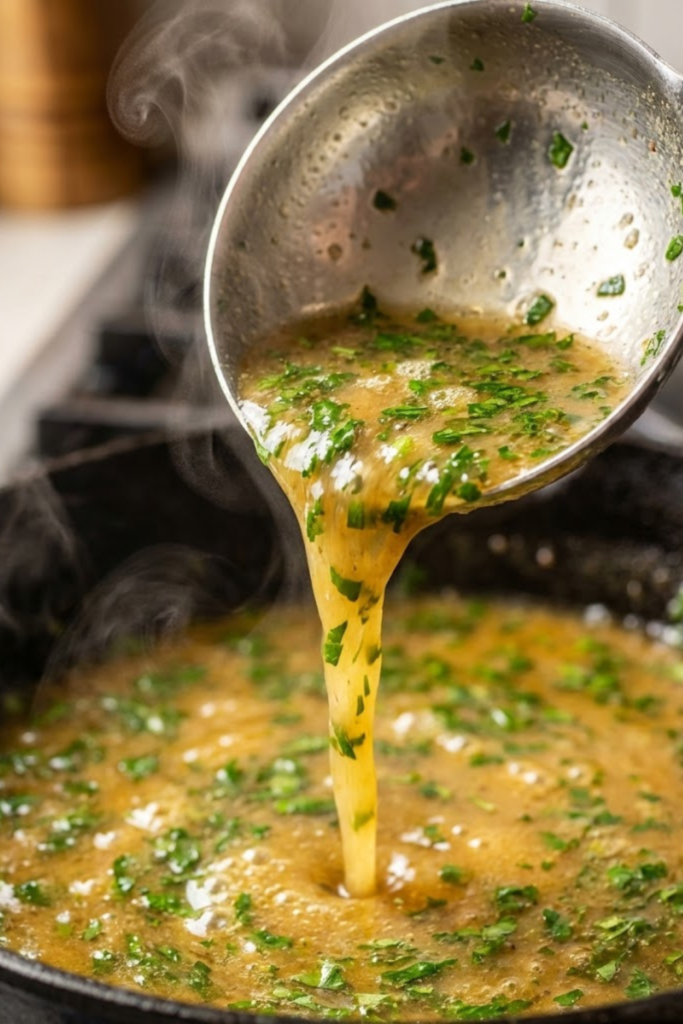
When the liquid hits the hot pan, it will hiss and bubble like crazy. This is the fun part. Take your wooden spoon and scrape the bottom of the pan. You want to loosen all those stuck-on brown bits so they dissolve into the liquid. The sauce will turn a nice deep brown color. It smells incredible.
Letting It Simmer
Now, let that liquid bubble away for a minute or two. You want it to reduce, which just means some of the water evaporates so the flavor gets stronger. I usually wait until there is only about half the liquid left compared to what I started with.
This doesn’t take long, maybe 2 or 3 minutes. Keep an eye on it because it can disappear fast if your heat is too high. I usually turn the stove down a little bit here. You want a simmer, not a violent boil.
The Cold Butter Trick
Here is a secret trick I learned from a cooking show years ago. When the liquid is reduced, take the pan completely off the heat. Grab a tablespoon of cold butter—yes, it has to be cold—and stir it into the sauce.
Why cold butter? Well, if you use melted butter, the sauce gets greasy. But cold butter melts slowly and emulsifies, which is a fancy word for mixing perfectly. It makes the sauce thick, glossy, and creamy without using any cream. As the butter melts, stir in a big handful of fresh chopped parsley. This keeps the parsley bright green and fresh tasting.
The Final Pour
Now you have this glossy, herby, garlic-infused sauce. Spoon it generously over your resting chicken. It will mix with the juices on the plate and create pure magic.
I admit, sometimes I make extra sauce just to dip my bread in. It is that good. Once you try this, you will never eat plain, dry chicken again. It turns a boring weeknight dinner into something special with barely any extra work.
Common Mistakes to Avoid
I have ruined more chicken dinners than I care to admit. Seriously, for years I couldn’t figure out why my food never tasted like the stuff in restaurants. I would follow the recipe, but it just came out… meh. It turns out, I was making the same simple mistakes over and over again.
The good news is that these mistakes are super easy to fix. Once I stopped doing these things, my chicken breast with parsley went from “edible” to “actually delicious.” Here are the traps I used to fall into, so you don’t have to.
Crowding the Pan
I used to be so impatient. I wanted to cook all four chicken breasts at once so I could get out of the kitchen faster. So, I would shove them all into one skillet like sardines.
Big mistake. When you pack the meat in too tight, there is no room for the heat to circulate. Instead of frying and getting that nice brown crust, the chicken just releases water and steams in its own juices. You end up with gray, rubbery meat that looks unappetizing. Now, I give them plenty of space. If I have to cook in two batches, I do it. It adds five minutes, but the flavor is worth it.
Burning the Parsley
When I first started cooking with fresh herbs, I treated them like dried spices. I would throw the parsley into the hot oil right at the beginning with the raw chicken.
Bad idea. Fresh parsley is delicate. If you put it in too early, the high heat will burn it to a crisp. Burnt parsley tastes bitter and gross, and it leaves little black specks all over your nice golden chicken. Now, I only add the parsley at the very end when I’m basting with butter or making the sauce. That keeps it green and fresh.
Cutting Into It Too Soon
This is the hardest one for me because I am always hungry when I finish cooking. You take the chicken out of the pan, it smells amazing, and you just want to slice it open to see if it’s done.
Don’t do it! If you cut into the meat right away, all those delicious juices inside will run out onto the cutting board. Your chicken will end up dry and tough within seconds. I learned to force myself to wait. Let the meat rest on a warm plate for at least 5 to 10 minutes. It allows the juices to settle back into the fibers.
Using Dried Parsley
I know I mentioned this before, but it is the biggest mistake people make with this specific recipe. I used to think, “Parsley is parsley, right?” Wrong.
Dried parsley is basically just green dust. It has no flavor. For a heavy stew, maybe it’s fine. But for a simple dish like chicken breast with parsley, you need the fresh stuff. The flavor comes from the fresh oils in the leaves. Using dried herbs here is like trying to make lemonade with dried lemon peels—it just won’t work. Spend the extra dollar for the fresh bunch; you will taste the difference immediately.
Serving Suggestions and Pairings
So, you have this beautiful chicken breast with parsley sitting on the counter. It smells amazing. But you can’t just serve a piece of meat on a plate and call it dinner. Well, I guess you could, but it looks a little sad. Over the years, I’ve found a few sides that really make this dish shine. Since the chicken has that rich, buttery garlic sauce, you want sides that can either soak up the sauce or cut through the richness.
The Best Carbs to Soak Up Sauce
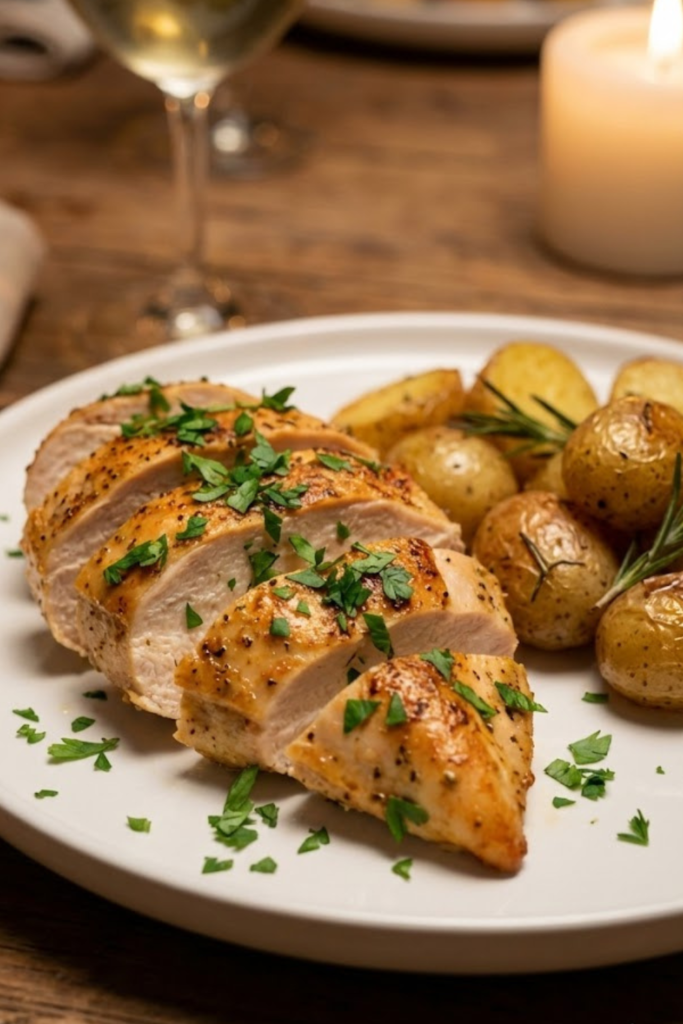
My absolute favorite thing to serve this with is mashed potatoes. I know, it’s a bit heavy, but hear me out. You make a little well in the potatoes and pour that extra garlic-parsley butter sauce right in. It is heaven. If I don’t have time for mashing, I’ll do roasted baby potatoes. Just toss them in olive oil and salt and throw them in the oven while you cook the chicken.
Rice is another good option. A simple rice pilaf works great because it doesn’t fight with the herb flavors. Sometimes, if I’m feeling lazy after a long day of grading papers, I just boil some egg noodles and toss them with a little bit of the pan sauce. It reminds me of the simple comfort food my grandma used to make.
Adding Some Green Crunch
Since the chicken is rich with butter, I like having a vegetable that tastes fresh and crisp to balance it out. Steamed broccoli is easy, but roasted asparagus is way better. The earthy taste of asparagus goes really well with the lemon and parsley.
If it’s summer, I usually skip the cooked veggies and just make a big arugula salad. I dress it simply with lemon juice, olive oil, and shavings of parmesan. The peppery taste of the arugula matches perfectly with the parsley. Plus, it makes me feel a little better about eating all that garlic butter!
What to Drink
I am not a wine expert—honestly, I usually just buy whatever is on sale—but I do know what tastes good. Since this is a lighter meat with fresh herbs, you generally want a white wine. A Sauvignon Blanc is perfect because it has that grassy, citrusy vibe that matches the parsley and lemon.
If you aren’t drinking alcohol, an iced tea with fresh lemon slices is really refreshing. Or just sparkling water. You want something with a little bit of acid or bubbles to clean your palate between bites.
Plating It Like a Pro
You don’t need to be fancy, but a little effort goes a long way. I like to slice the chicken breast against the grain before putting it on the plate. It makes it easier to eat and shows off how juicy it is inside. Fan the slices out a little bit next to your potatoes.
Then, spoon that glorious sauce right over the slices. Make sure you get plenty of the green parsley bits on top. It looks like a magazine cover, and it takes like ten seconds. Your family will think you took a cooking class!
Time to Get Cooking
There you have it—the secret to making the most tender, flavorful chicken breast with parsley you will ever taste! It is honestly amazing how a simple herb can transform a boring protein into a masterpiece. I remember the first time I got this right; I sat there at the table and couldn’t believe I had made something that tasted like restaurant food. It was a huge confidence booster for me.
If you have read this far, you are definitely ready to try this. Don’t be intimidated by the steps. Once you do it once or twice, it becomes muscle memory. You will just naturally reach for the paper towels to dry the meat, and you will instinctively know when the pan is hot enough.
A Note on Leftovers (If You Have Any)
One thing I didn’t mention earlier is how great this chicken is the next day. Usually, reheated chicken breast is rubbery and gross. But because we cooked this with so much butter and didn’t overcook it, it stays pretty moist.
I actually love slicing up the cold leftovers for sandwiches. I take a crusty roll, spread a little mayo on it, add the cold chicken breast with parsley, and maybe a slice of tomato. It is the best school lunch ever. It beats the cafeteria food by a mile. You can also chop it up and throw it into a salad. The parsley and garlic flavor infuses into the meat, so your salad doesn’t even need a heavy dressing. It is a total win-win.
Bringing the Family Together
For me, cooking isn’t just about feeding myself. It is about sitting down with my family (or even just my dog) and enjoying a hot meal. In 2026, life moves so fast. We are all glued to our screens and rushing around. Taking thirty minutes to make a real dinner, with fresh ingredients and amazing smells, kind of forces you to slow down.
So, don’t let your weeknight dinners be dull anymore. Grab some fresh flat-leaf parsley and get that skillet hot!
Share the Love
I really hope this recipe helps you out. If you loved this and want to save it for later, please pin it to your Dinner Ideas board on Pinterest! It helps other home cooks find it, and it helps me keep sharing these tips. Plus, having a picture of that golden chicken on your board will remind you of what to make next time you are stuck staring at the fridge. Happy cooking!