“A good sauce covers a multitude of sins,” my grandmother used to say while she scraped the bottom of a heavy iron skillet. Honestly, she was right! I used to struggle so much with dry, boring poultry that felt like chewing on a piece of cardboard. It’s a total bummer when you spend money on decent meat only to have it turn out tough. But everything changed when I figured out the magic of a rustic pan sauce.
Did you know that about 60% of home cooks say chicken is their most-used protein, yet it’s also the one they overcook the most? That’s a lot of sad dinners! I’m here to fix that for you. In this guide, we are diving into the world of searing, deglazing, and using fresh herbs to make a meal that tastes like it came from a fancy bistro in 2026. Let’s get that skillet hot!
Why This Rustic Pan Sauce Changes Everything
I’ll tell you right now, I have cooked a lot of bad chicken in my time. Like, really bad. My kids used to call it “desert bird” because it was so dry it felt like chewing on a piece of dusty old wood. I tried everything to fix it. I tried marinating for days and I tried all kinds of weird temperature settings, but nothing worked until I started making a rustic pan sauce. This isn’t just some liquid you pour over meat; it’s a total game changer for your kitchen confidence. When you learn how to do this, you stop worrying if the meat is perfectly cooked because the sauce is so good it fixes almost any mistake.
The Magic of the Brown Bits
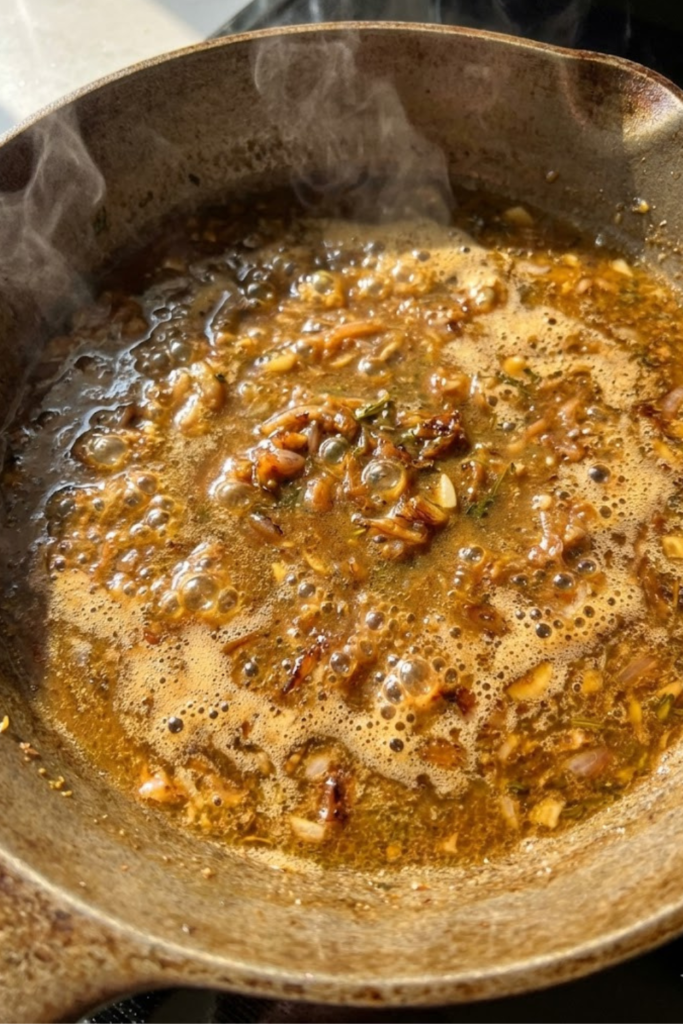
So, what is a rustic pan sauce anyway? It all starts with something called “fond.” That is a fancy French word for the little brown bits that get stuck to the bottom of your skillet after you sear the meat. For years, I actually thought those bits were just “burnt stuff” and I would scrub them away with soap and water. What a waste! Those little bits are actually concentrated flavor gold. When you add liquid to the hot pan, those bits melt back into the liquid. It creates a deep, savory taste that you just can’t get from a bottle or a packet. It’s what makes a meal taste like you spent hours on it, even if you just finished a long day at work and only have twenty minutes to eat.
Making Dry Meat Taste Great
Let’s be honest, chicken breast is tricky. If you leave it in for sixty seconds too long, it gets tough. But a pan sauce acts like a safety net. The fat from the butter and the acidity from the wine or lemon juice seep into the meat. It adds moisture back into the fibers. I’ve noticed that when I serve this to my family, they don’t even care if the chicken is a bit overdone. They are too busy dipping pieces of crusty bread into the sauce. It’s a very forgiving way to cook, which is exactly what we need here in 2026 when life feels so fast.
Keeping Things Simple and Rustic
I like the word “rustic” because it means you don’t have to be perfect. You don’t need a strainer or a fancy whisk. You just need a pan and a wooden spoon. This method is about using what you have in your fridge—maybe some leftover broth or a bit of garlic. It’s about building layers of flavor in one single pan. It saves time on dishes too, which is the best part for any busy home cook. You make sure the flavor stays in the pan instead of going down the drain. Once you try it, you won’t go back to plain chicken again.
The Secret to Searing Without Drying Out the Breast
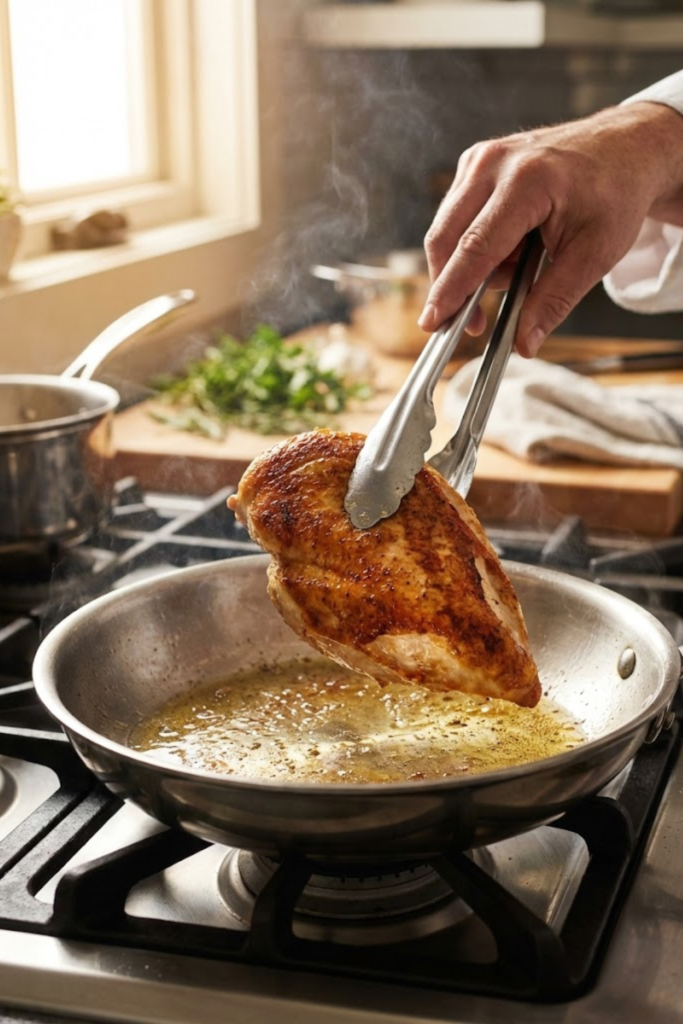
Getting a good sear on a chicken breast is probably the hardest part for most people I know. I remember my first time trying this; I thought the pan was hot enough, but the chicken just turned this weird grey color. It looked like a wet rock. That happened because I didn’t know the most basic rule of cooking meat: moisture is your biggest enemy. If there is water on the surface, the heat from the pan has to boil that water away before it can start browning the meat. By the time the water is gone, the inside of the chicken is already overcooked and tough. It is a total bummer when that happens.
Get That Meat Bone Dry
I tell my students all the time that paper towels are your best friend in the kitchen. You need to pat that chicken until it feels almost sticky to the touch. Don’t just do a quick dab; really press down on it to get every drop of water off. I usually let my chicken sit on the counter for about fifteen minutes before I even touch the pan. This takes the chill off. If you put ice-cold meat into a hot pan, it drops the temperature too fast and you lose that high heat you need. You want that pan to stay hot so you get that golden crust right away.
Listen for the Sizzle
How do you know if the pan is ready? I use the water drop test. I flick a tiny bit of water into the skillet. If it just sits there and bubbles slowly, it is not ready. If it dances and disappears in a second, you are good to go. Add your oil and wait for it to shimmer. When you lay the chicken in, it should sound like a loud round of applause. If it’s quiet, take it out and wait another minute. That sizzle is what builds the crust that holds all the juices inside. Without it, you’re just making boiled chicken, and nobody wants that for dinner.
Don’t Touch the Meat!
This is where I used to mess up the most. I’m a bit impatient, so I would try to flip the chicken every thirty seconds to see how it was doing. When you do that, you tear the meat and lose the juices. Just leave it alone for five or six minutes. The meat will actually let go of the pan when it’s ready. If you try to lift it and it sticks, it is not done yet. Be patient! It’s hard to wait when you’re hungry, but that patience is what makes the difference between a sad meal and a great one. Once it flips easily, you know you’ve nailed the sear.
Deglazing 101: Building Flavor with Pan Drippings
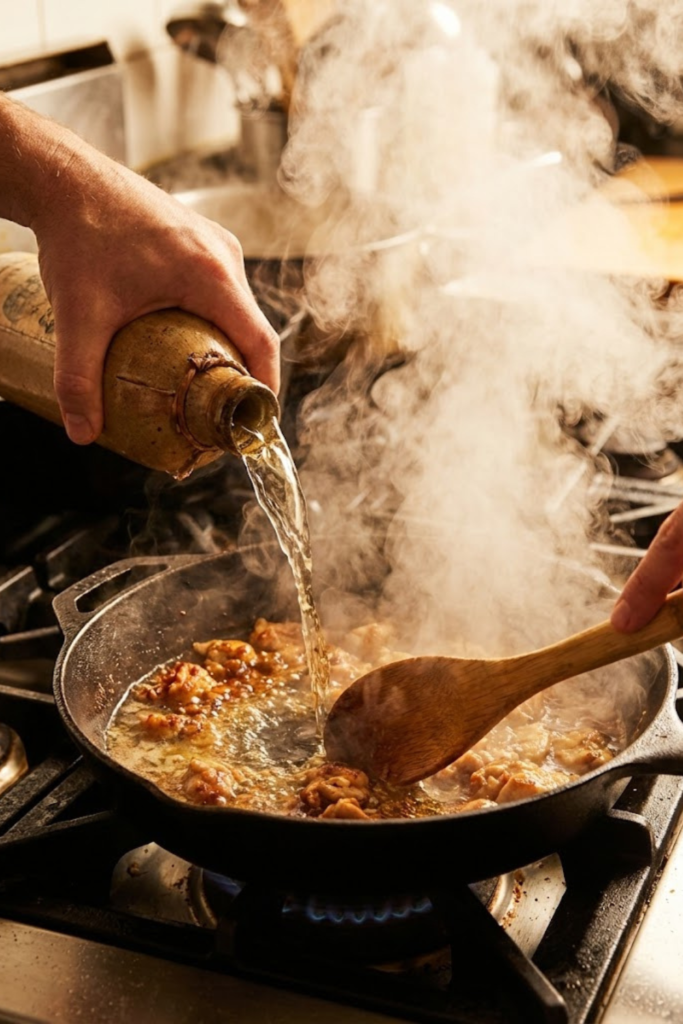
Deglazing sounds like a really scary word that you only hear on those fancy cooking competition shows, doesn’t it? I used to think it was some high-level chemistry that I just wasn’t smart enough to handle. But honestly, it is the easiest part of making this meal. Once you take the chicken out of the pan, you are left with all those dark bits on the bottom. Like I said before, that is your flavor foundation. If you just put the pan in the sink and scrub it, you are throwing away the best part of the dinner! Deglazing is just the act of pouring liquid into that hot pan to lift those bits up so they can become a real sauce.
Choosing Your Liquid
You have a few choices here, and I usually just pick whatever happens to be open in my fridge. If you want a bit of a fancy taste, a dry white wine like a Sauvignon Blanc is great. The alcohol boils off fast and leaves behind a nice tang that cuts through the fat. If you don’t want to use alcohol, that is totally fine! I often use a basic chicken broth or even some vegetable stock. Just make sure it is not too salty. As the sauce cooks down, the salt gets much stronger. One time I used a broth that was way too salty and I had to start over because it tasted like a salt lick. So, keep it low-sodium if you can.
Scrape Up the Liquid Gold
Once you pour about half a cup of liquid into the pan, it is going to hiss and make a lot of steam. This is the fun part! Take a wooden spoon—not a metal one because you don’t want to scratch your pan—and start rubbing the bottom. You will see the liquid turn from clear to a deep, beautiful brown. This is you literally cleaning the flavor into your sauce. I find it so satisfying to watch the pan go from messy to clean just by stirring. It is like magic happening right there in front of your eyes, and it smells like a five-star restaurant.
The Power of the Simmer
Now, don’t just stop there. You need to let that liquid simmer for a few minutes. You want it to reduce, which just means the water evaporates and the flavor gets way more concentrated. If you leave it watery, the sauce won’t stick to your chicken and it will just run all over the plate like a puddle. I usually wait until the liquid looks a bit thick and syrupy. It should coat the back of your spoon. This step is what makes the sauce taste rich and deep instead of thin and boring. It takes maybe three or four minutes, so don’t walk away and check your phone! Keep your eyes on the pan.
Finishing Touches: Herbs and Butter for that Glossy Glow
You’ve got your pan drippings all ready and the liquid has reduced down until it’s nice and thick. Now we have to make it look and taste like something from a fancy cafe. This is the part where you go from just “cooking” to really making a masterpiece. I used to think the sauce was done as soon as it got thick, but I was wrong. These last two minutes are where the real flavor happens. It is the step that turns a simple dinner into a meal that your family will keep asking for every single week.
The Secret of Cold Butter
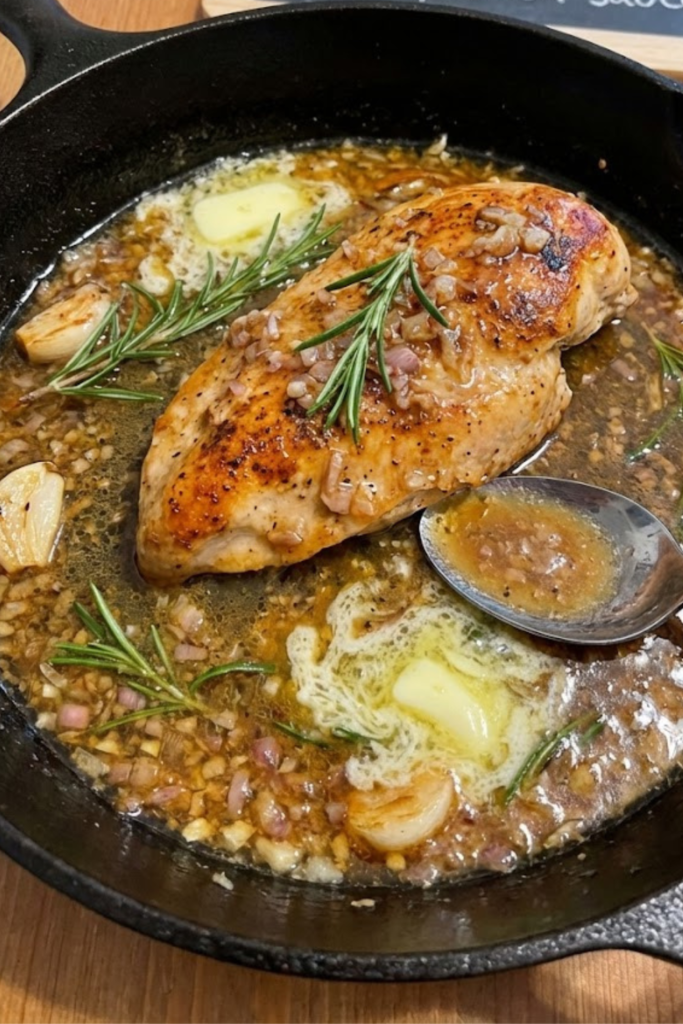
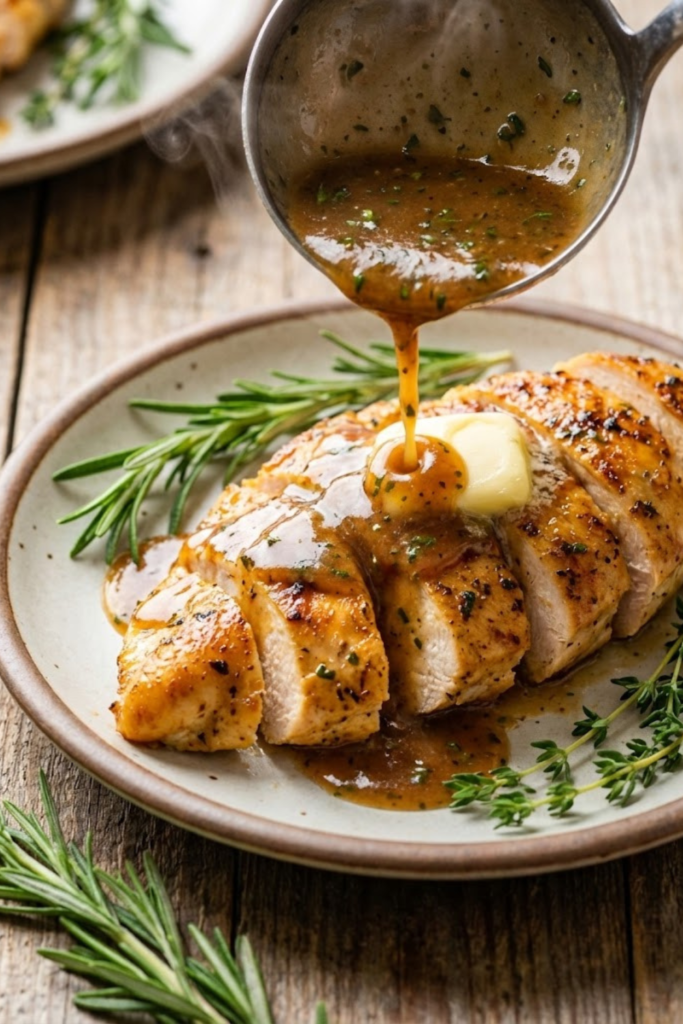
I remember the first time I saw a chef add a big hunk of butter to a sauce at the very end. I thought, “Isn’t that just going to make it greasy?” I went home and tried it, but I left the stove on high heat. The butter just melted into a yellow oil slick on top of my sauce. It looked gross and tasted even worse. That’s when I learned that you have to take the pan off the burner first. You want the sauce to be hot, but not boiling. When you stir in a cold piece of butter, it doesn’t just melt—it blends. It creates an emulsion that makes the sauce creamy and shiny. I call it “the glow.” It makes everything feel much more professional, even if you are just wearing your pajamas while you cook in your own kitchen.
Adding the Green Stuff
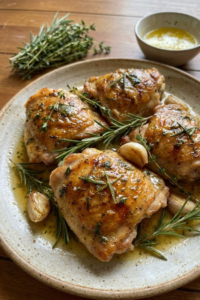
Next, you have to think about your herbs. I used to just use the dried stuff from a plastic jar that had been in my pantry for way too long. Don’t do that! If you can get some fresh rosemary or thyme, it makes a huge difference. The heat from the sauce wakes up the smell of the herbs. It is like a little explosion of freshness in the middle of all that savory chicken flavor. I usually just throw the whole sprig in and then fish it out later, or I chop up some parsley if I want it to look extra pretty. It adds a bit of color so the whole dish doesn’t just look brown and beige on the plate.
That Final Hit of Acid
Finally, don’t forget to taste it! This is the most important part that people skip. If the sauce tastes a bit “heavy” or flat, it usually needs a little bit of acid. I usually keep a lemon on my counter just for this. A small squeeze of juice can wake up all the other flavors. It is like turning on a light in a dark room. If you don’t have a lemon, a tiny splash of white wine vinegar works too. Just be careful not to add too much! You can always add more, but you can’t take it out once it is in there. I’ve made that mistake more than once, believe me. Your sauce should be balanced—salty, savory, and just a little bit bright.
I really hope you feel ready to get in the kitchen and try this out tonight. I know it can feel like a lot of steps when you first read about it, but once you get that pan hot and hear that first sizzle, everything just starts to make sense. Cooking is a lot like teaching; you might make a few mistakes at first, and that is totally okay! I’ve burned more garlic than I care to admit, and I’ve definitely made a sauce or two that was way too salty to eat. But that is how we learn. The best part about this chicken breast with rustic pan sauce is that it’s meant to be a bit messy and imperfect. That is what makes it “rustic” and why it tastes so much like home.
When you sit down to eat, you’ll notice how the sauce really brings everything together. It’s not just about the chicken anymore; it’s about those deep flavors you built from nothing. I love seeing the look on people’s faces when they realize they made something this good with just a single skillet and some basic ingredients. You don’t need a fancy degree or a kitchen full of expensive gadgets to be a great cook in 2026. You just need to pay attention to the small things, like drying off the meat and being patient while the sauce reduces. These are the little habits that turn a regular person into a kitchen rockstar.
I’ve found that my family talks more at the table when the food is this good. There is something about a warm, savory sauce that just makes everyone feel cozy and happy. It turns a quick Tuesday night dinner into a moment where we actually stop and enjoy each other’s company. I hope this recipe does the same thing for your home. Don’t be afraid to experiment a little too—maybe try different herbs or a different type of broth next time. The more you do it, the more you’ll find your own style.
If you found these tips helpful and your chicken turned out juicy, please save this post to your favorite cooking board on Pinterest! It really helps me out, and I love seeing other people find their “sauce magic” in the kitchen. Happy cooking, and I can’t wait to hear how yours turned out!