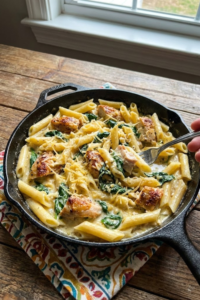
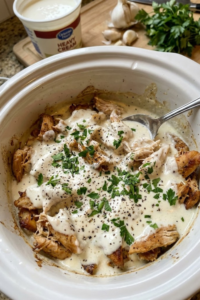
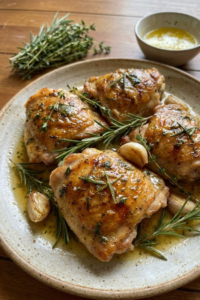
Do you hear that sizzle? That is the sound of pure magic happening right in your kitchen! Honestly, there are few things in life as satisfying as the crunch of perfectly cooked chicken thighs with pan sauce. I used to struggle with soggy skin and dry meat, but after years of trial and error, I’ve finally cracked the code to poultry perfection. In this guide, we aren’t just cooking dinner; we are building layers of flavor that will have your family begging for seconds. Get your cast iron skillet ready, because we are about to make a meal that tastes like it came from a professional kitchen, but was made right at your stove!
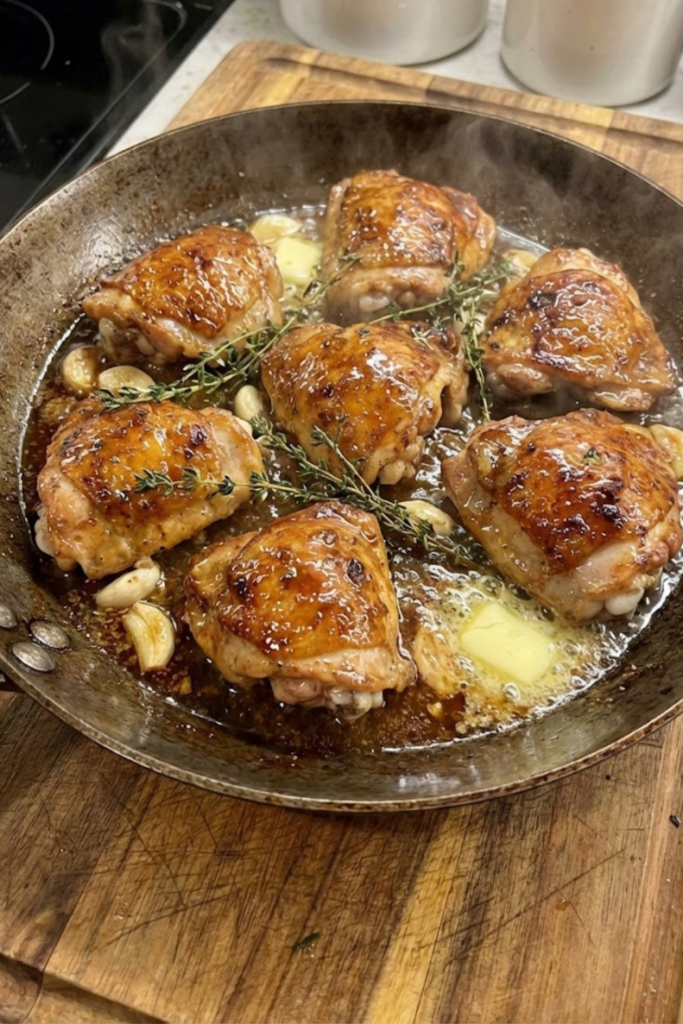
Selecting the Best Chicken for Pan Searing
Look, I have ruined my fair share of dinners. When I first started cooking, I thought chicken was just chicken. I’d grab those value packs of boneless, skinless thighs because they were cheap and easy to cut up. But whenever I tried to make chicken thighs with pan sauce, the result was always kind of sad. The meat was dry, and the sauce just slid right off like water on a duck’s back.
It took me a long time to realize that the battle is actually won or lost in the grocery aisle. If you don’t start with the right bird, no amount of butter or herbs is gonna save you.
Why Bone-In is the Only Way to Go
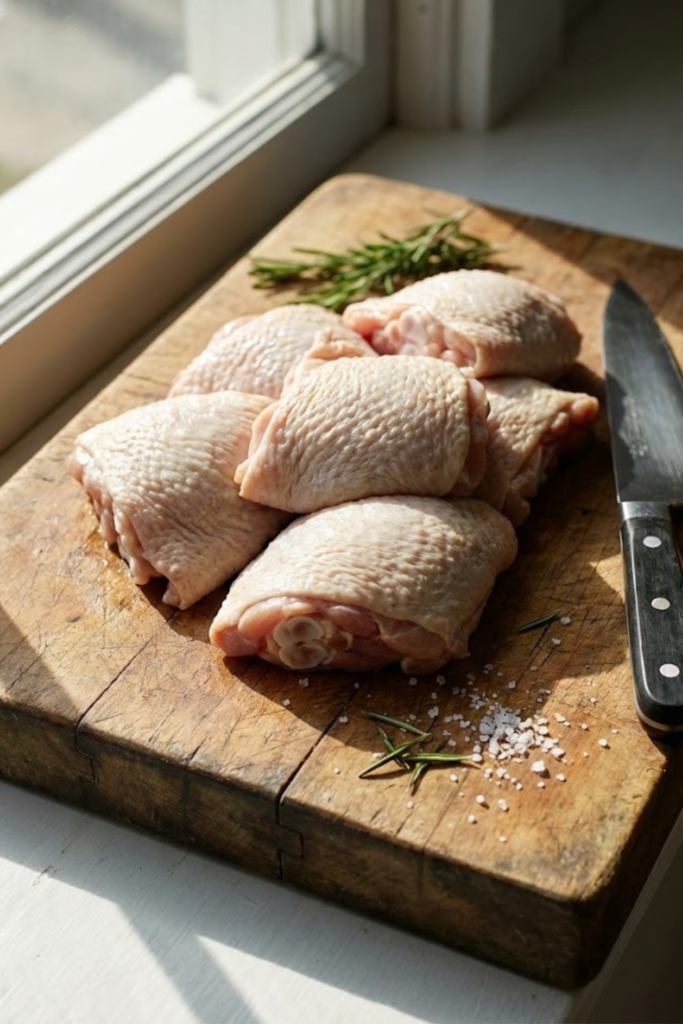
I cannot stress this enough: buy the bone-in thighs. I know, I know. It takes a little more work to eat around the bone. But the bone acts like a little heat shield for the meat.
When you are searing chicken at high temperatures, the bone helps the meat cook more evenly. It prevents that awful situation where the outside is burnt to a crisp while the inside is still raw. Plus, the marrow seeps out a bit during cooking, adding a depth of flavor you just don’t get with boneless cuts. Trust me on this one.
The Skin is Your Best Friend
If you are making chicken thighs with pan sauce, you need that skin. It is non-negotiable.
Here is the thing about chicken skin: it is mostly fat. When you put it in a hot pan, that fat renders out (melts). This liquid gold is what you cook the rest of the meal in. Without the skin, you have to add a ton of oil, and it just doesn’t taste the same.
Also, that fond—the sticky brown bits on the bottom of the pan—mostly comes from the proteins in the skin caramelizing. No skin means very little fond. And very little fond means a boring, weak pan sauce. We don’t want boring sauce.
What to Look for at the Store
When I am standing at the meat counter, I look for “air-chilled” chicken. A butcher once told me that standard chicken is often cooled in big vats of cold water. The chicken absorbs that water.
When you throw water-logged chicken into a hot skillet, it steams instead of searing. You want a sear, not a steam bath. Air-chilled might cost a dollar or two more, but the difference in crispiness is huge.
Also, check the color. You want a nice pinkish hue. If it looks gray or the skin looks super loose and tearing off, put it back.
The Temperature Mistake
Here is a mistake I made for years. I would take the chicken out of the fridge and throw it straight into the pan.
Do not do this. Cold meat hits a hot pan and seizes up. It cooks unevenly and creates a lot of steam.
I’ve learned to take the package out of the fridge about 20 to 30 minutes before I plan to cook. Just let it sit on the counter. Taking the chill off allows the heat to penetrate the meat evenly. It helps the skin crisp up faster, too. It’s a small step, but it makes a massive difference in the final product.
Essential Equipment: Why You Need a Cast Iron Skillet
I used to be terrified of cast iron skillets. I thought they were too heavy, too hard to clean, and honestly, a little old-fashioned. For years, I cooked everything in those shiny non-stick pans I bought at the department store. And for years, my chicken was just okay.
It wasn’t until I finally bought a heavy, black skillet that I realized the pan was the problem, not me. If you want chicken thighs with pan sauce that taste like they came from a restaurant, you have to ditch the non-stick.
Heat is the Key
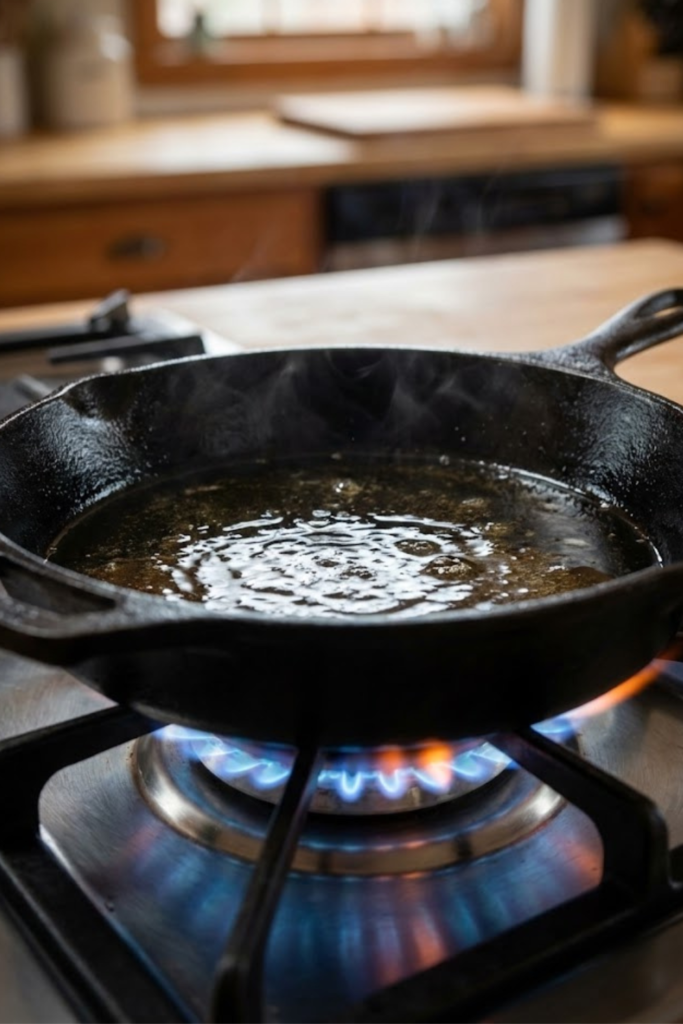
The main reason you need cast iron (or a good stainless steel pan) is heat retention.
When you drop cold chicken into a flimsy pan, the temperature of the pan drops instantly. It takes a long time to get hot again. Instead of sizzling and searing, your chicken sits there and stews in its own juices.
Cast iron is different. It gets hot and stays hot. When the meat hits the metal, it sizzles immediately. That high, steady heat is what gives you that beautiful, golden-brown crust that everyone fights over at the dinner table.
You Actually Want it to Stick (A Little)
This sounds crazy, but you want the chicken to stick a little bit.
Non-stick pans are designed to be slippery. Nothing sticks to them. But for this recipe, we need those little brown bits of flavor to stick to the bottom of the pan. The fancy French word for this is fond.
That fond is concentrated flavor. It is caramelized protein and juices. If you use a coated pan, those bits just slide around and don’t develop. When we add the liquid later to make the sauce, we need that fond to lift up and dissolve. That is where the flavor comes from. No sticking means no sauce.
Don’t Fear the Cleanup
A lot of people avoid these pans because they think the cleanup is a nightmare. It really isn’t.
Once your pan is “seasoned” (which basically just means it has a layer of baked-on oil), it cleans up pretty easily. Just hot water and a stiff brush usually do the trick. You don’t need to scrub it for hours.
Watch Your Hands!
One safety tip I have to share: the handle gets hot. Like, really hot.
On a regular pan, the handle stays cool. On a cast iron skillet, the whole thing is one piece of metal. I have burned my hand more times than I care to admit because I forgot and grabbed the handle without a towel. Keep a thick towel or an oven mitt right next to the stove so you don’t make the same mistake I did.
Mastering the Sear: Achieving Crispy Skin
Okay, class is in session. This is the part where most people get impatient and mess it up. I know I did. I used to just throw the chicken in the pan and flip it around constantly like I was on a cooking show. But if you want that skin to snap when you bite into it, you have to follow a few rules.
Moisture is the Enemy
If there is one thing you take away from this, let it be this: water is the enemy of crispiness.
Before you even think about seasoning, you need to dry that chicken off. I take a wad of paper towels and pat every single thigh until they are bone dry. I’m talking dry as a desert. If the skin is wet, the water has to boil off before the skin can start browning. That takes too long, and you end up with rubbery skin. Nobody wants rubbery skin on their chicken thighs with pan sauce.
Season It Simply
You don’t need a fancy rub here. The sauce is going to provide a lot of flavor later.
I just use coarse salt and black pepper. Sprinkle it generously on the skin side. Press it in a little with your hand so it sticks. That salt actually helps pull out even more moisture and helps the skin get crunchy.
The “Don’t Touch It” Rule
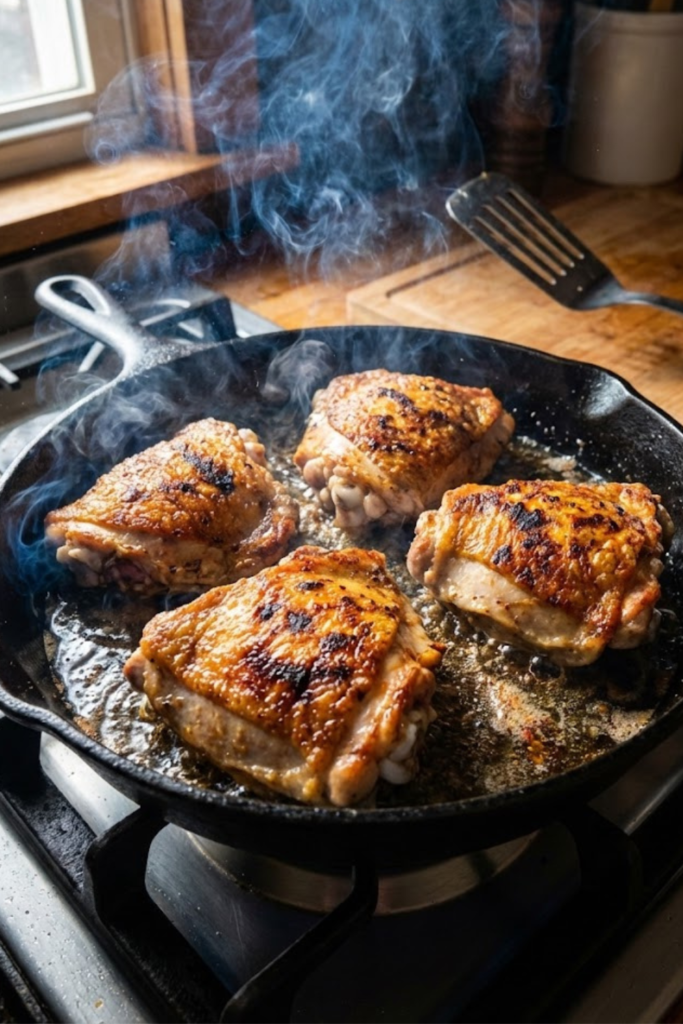
Get your oil hot in the skillet. When it’s shimmering, lay the chicken in, skin-side down.
Now, stop. Do not touch it. Do not nudge it. Do not lift it up to check on it.
This is the hardest part. You have to let it cook undisturbed for about 6 to 8 minutes on medium-high heat. The chicken will actually stick to the pan at first. That is normal. Once the skin is perfectly crisp and golden, it will naturally release from the pan. If you try to lift it and it sticks, it means it isn’t ready yet. Leave it alone.
Rendering the Fat
We aren’t just browning the skin; we are rendering the fat. That means we are melting the layer of fat under the skin so it gets thin and crispy.
If you rush this or use heat that is too high, you will burn the skin before the fat has time to melt. You want a steady sizzle, not a violent splatter. Once that skin looks like deep-fried gold, you can finally flip it over.
Creating the Pan Sauce: Deglazing and Flavor Building
Alright, you have successfully seared the chicken. You took it out of the pan and set it aside on a plate. Now, look at the skillet. See all those brown, crusty bits stuck to the bottom?
Do not—I repeat, do not—scrape those into the trash or wash them out!
That Mess is Liquid Gold
I used to look at that pan and think, “Great, now I have to scrub that burnt stuff off.” I had no idea that those brown bits have a name. It is called fond. And it is arguably the most important ingredient in this whole recipe for chicken thighs with pan sauce.
Those bits are just caramelized juices and spices. They are salty, savory, and packed with flavor. If you wash them away, you are washing away the best part of dinner.
The Magic of Deglazing
Now we are going to do something called “deglazing.” It sounds fancy, but it just means pouring cold liquid into a hot pan.
You can use white wine, chicken broth, or even a splash of apple cider vinegar. When you pour it in, the pan is going to hiss and steam like crazy. This is the fun part. Grab a wooden spoon and scrape the bottom of the pan while the liquid bubbles. You will see all those brown bits lift up and dissolve into the liquid. That is how your sauce gets its deep, rich color.
Adding the Aromatics
Once the fond is mixed in, I like to toss in some minced shallots and garlic. Maybe a sprig of fresh thyme if I’m feeling fancy.
Let them cook in the bubbling liquid for a minute. The smell that fills your kitchen right now? It is incredible. It smells like Sunday dinner at Grandma’s house. You want the liquid to boil down (reduce) by about half so it gets a little thicker.
The Butter Finish
Here is the chef’s secret that changed my life. When the sauce looks reduced, turn off the heat. Completely off.
Then, take a tablespoon of cold butter and stir it in. The cold butter melts slowly and emulsifies into the sauce. This gives it a glossy, velvety texture that coats the spoon. It takes the sauce from “salty broth” to “restaurant quality glaze.” It’s a small step, but it makes the sauce feel rich and smooth in your mouth.
Serving Suggestions and Side Dishes
So, you have this beautiful skillet of golden chicken and rich sauce. Now, what do you eat it with?
In my house, the rule is simple: if there is sauce, there must be something to soak it up. There is nothing sadder than leaving that delicious pan sauce on the plate because you didn’t have the right side dish.
Starchy Sides are a Must
Mashed potatoes are the classic choice here. I like to make them a little chunky with the skin still on. When you spoon that savory, buttery sauce over a mound of potatoes, it is just pure comfort.
If I am in a rush, I will just slice up a baguette or some crusty Italian bread. Honestly, ripping off a piece of bread and dragging it through the skillet might be my favorite part of the meal. Rice pilaf works too, especially if you added some lemon to your sauce.
Add Some Green
Since the chicken thighs with pan sauce are pretty rich, I like to balance it out with something fresh.
Roasted asparagus is great because you can just throw it in the oven while the chicken is cooking on the stove. Or, if I am feeling lazy, I just toss some arugula with olive oil and vinegar. The peppery taste of the greens cuts right through the fatty chicken skin. It makes you feel a little better about eating all that butter, right?
Plating it Up
Here is a tip I learned from watching too many cooking shows. When you put the chicken on the plate, pour the sauce around it, not over it.
I know, you want to smother it. But if you pour liquid all over that crispy skin you worked so hard on, it will get soggy in two minutes. Pour the sauce on the potatoes or on the plate, and dip the chicken as you eat. Keep that crunch!
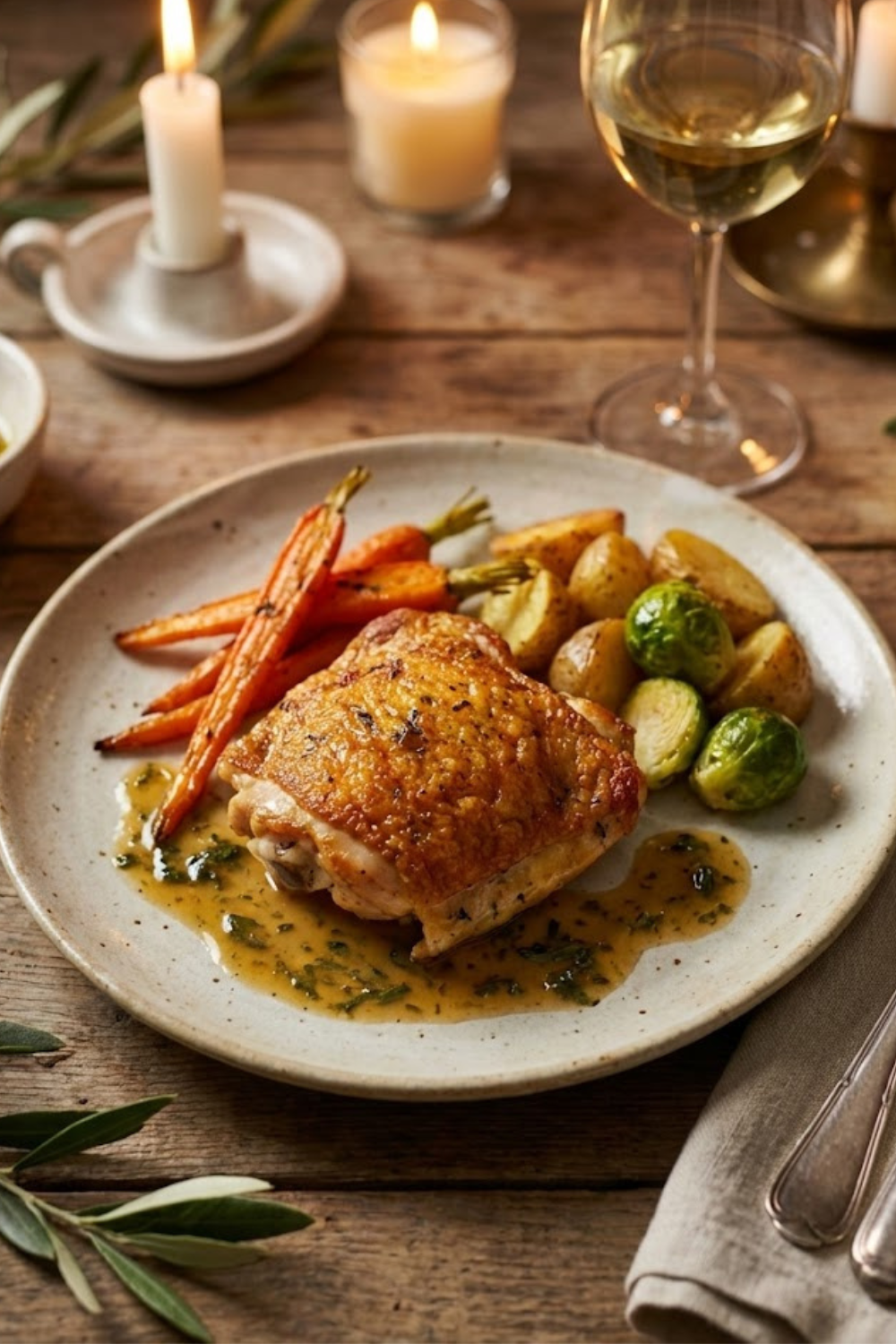
See? I told you it wasn’t rocket science. Making chicken thighs with pan sauce is one of those skills that looks impressive but is actually pretty straightforward once you know the tricks.It really just comes down to patience. Patience to let the skin get crispy without touching it, and patience to let that sauce reduce down until it is packed with flavor.I hope you give this a try tonight. It is amazing how a few simple ingredients can turn into something that tastes this good. It beats takeout any day of the week.
Did you love this recipe? Pin this to your Dinner Ideas board on Pinterest so you can find it again!