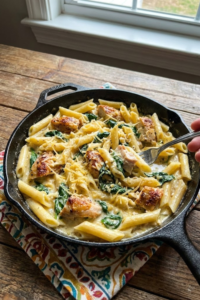
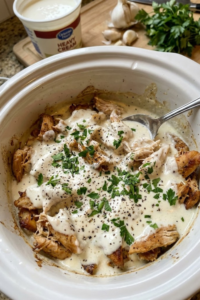
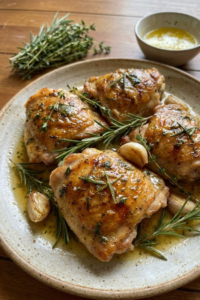
I used to dread making chicken for dinner because it always turned out kinda dry and rubbery. Then I finally switched to bone-in thighs, and wow, what a huge difference it made. The meat stays super juicy, and that skin gets crispy without burning. When you roast it with whole cloves of garlic, the whole kitchen smells absolutely amazing. My kids actually ask for seconds now, which is a rare win in our house. You don’t need any fancy equipment for this, just a sheet pan and a hot oven. It’s honestly the best way to get a real dinner on the table fast without a lot of fuss.
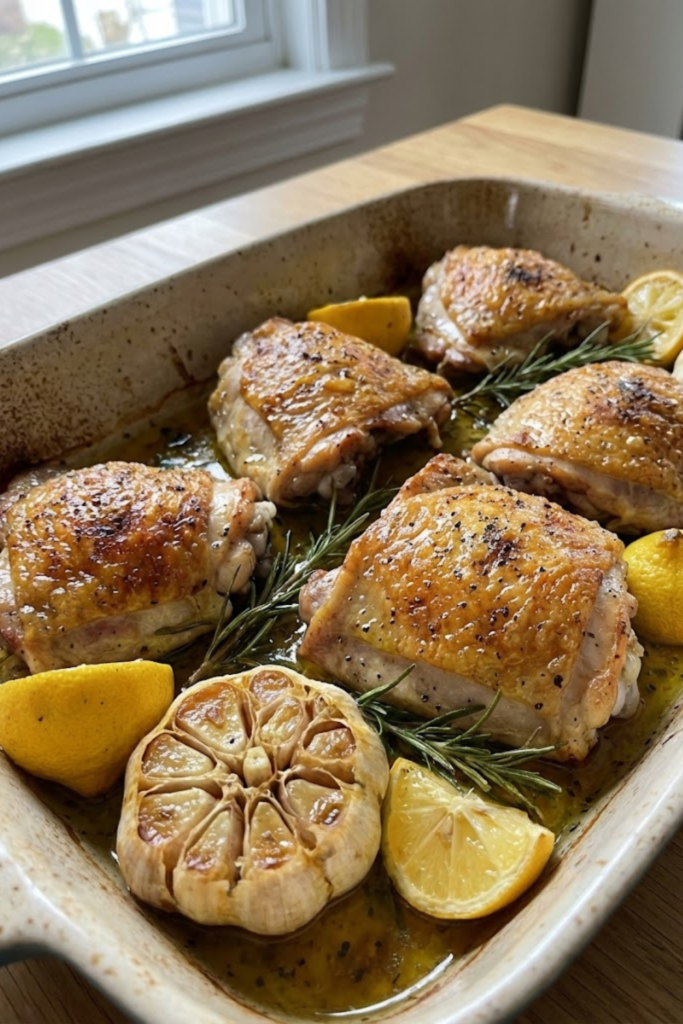
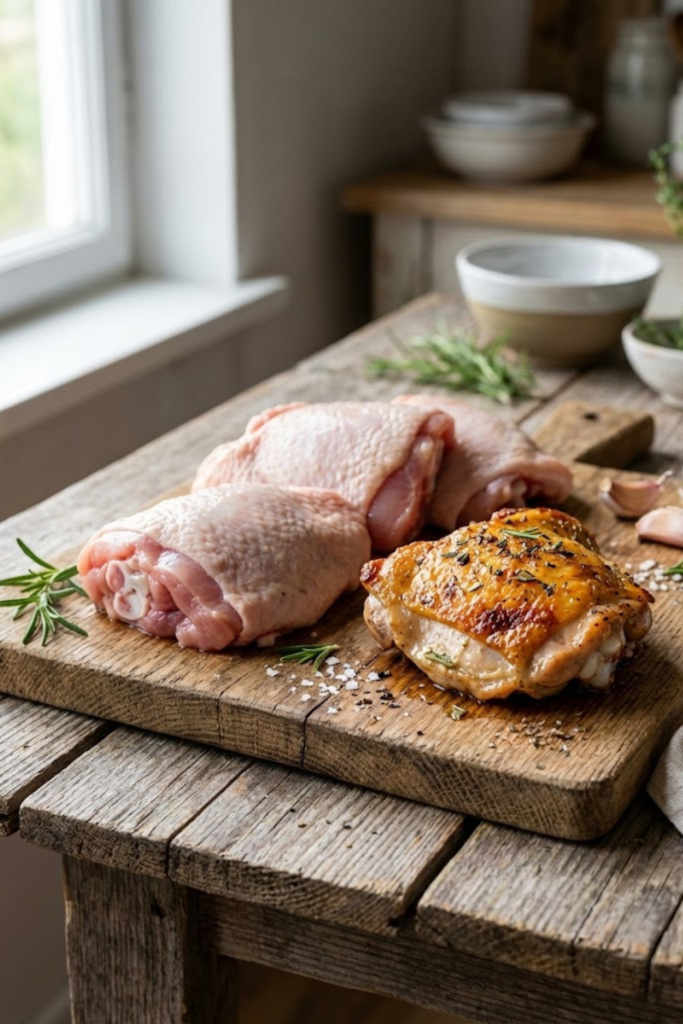
Why Bone-In Skin-On Chicken Thighs Are Superior
I used to be a little scared of dark meat. I thought it was greasy or gristly, or just “unhealthy.” So, for years, I stuck to those pale, boneless skinless breasts. I would pound them flat, marinate them for hours, and pray they didn’t turn into cardboard. Usually, they did. Switching to bone-in, skin-on thighs was the best thing I ever did for my weeknight sanity. It turns out, I was working way too hard for mediocre food. Thighs are superior because they actually taste like chicken, not just a sponge for sauce.
The Bone is Your Safety Net
A lot of home cooks get intimidated by bones. It feels like “butcher work” to deal with them. But here is the secret: the bone is your friend. It acts like an insulator. When you roast a boneless chicken breast, the heat goes straight through, and once it hits that 165-degree mark, it starts drying out immediately. You have a tiny window of time to get it right.
With a bone-in thigh, that bone slows down the cooking process from the inside. It keeps the meat near it moist. This makes the meat incredibly forgiving. I have definitely left thighs in the oven 15 minutes too long because I got distracted by a phone call or helping my son with math homework. With breast meat, dinner would be ruined. With thighs? They were still juicy. You almost have to try to dry them out on purpose.
Fat Equals Flavor
The skin does two important things. First, it gets crispy, which provides that crunch we all want. Nobody likes soggy chicken. Second, there is a thin layer of fat right underneath the skin. As the chicken roasts in the hot oven, that fat renders—which is just a fancy word for melts—and drips down into the meat. It basically bastes itself while you do nothing.
Dark meat also naturally has more fat than white meat. This means it has a deeper, richer taste right from the start. You don’t need a heavy sauce or a complicated rub to make it taste good. A little salt and pepper goes a long way here because the meat speaks for itself.
Better for the Budget
We are all watching our grocery bills these days. Bone-in thighs are often the cheapest cut in the poultry case. You pay less because there is less processing involved at the factory. You aren’t paying someone to remove the bone and skin for you. I can usually feed my whole family of four with one pack of thighs for half the price of a pack of breasts or tenders. It is satisfying to make a meal that feels fancy but actually costs peanuts.
The Secret Art of Roasted Garlic
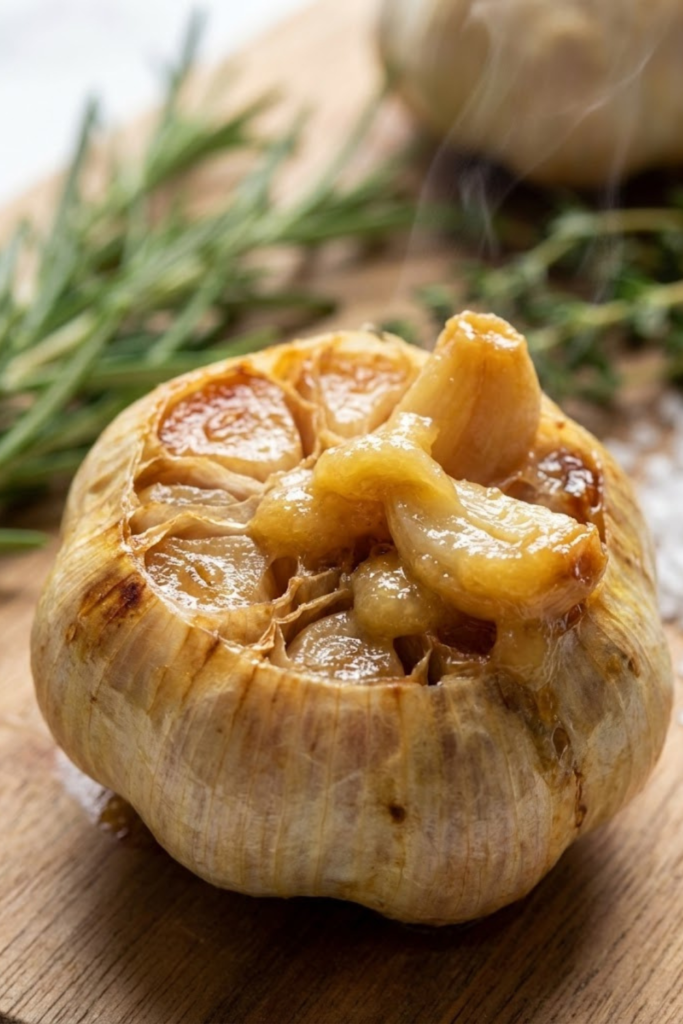
I have to admit, I used to treat garlic pretty badly. I would just chop it up raw, throw it in a pan, and wonder why my food tasted sharp or bitter. Sometimes I would burn it, and it would taste like acrid charcoal. It wasn’t until I accidentally left a head of garlic in the oven while baking something else that I figured it out. Roasting garlic is like magic. It changes the flavor completely. It stops being spicy and stinging, and it turns into this sweet, nutty, creamy paste that you can spread like soft butter. It is basically the best thing you can do for a chicken dinner.
The Foil Packet Trick
If you just throw peeled garlic cloves onto a hot sheet pan with chicken for 45 minutes, they will burn. Plain and simple. Garlic has a high sugar content, and it blackens way faster than the chicken cooks. The trick to keeping it safe is aluminum foil.
Here is what I do: I take a whole bulb of garlic—don’t even peel it. I take a sharp knife and slice the top quarter-inch off the whole thing, exposing the tops of the cloves. It looks like a little honeycomb. I place that on a square of foil, drizzle it heavy with olive oil, and sprinkle a little salt. Then, I wrap it up tight into a ball. This creates a little steam room for the garlic. It softens in its own heat without getting scorched by the dry oven air.
Timing Your Garlic with the Chicken
The beauty of this method is that a whole head of garlic takes about the same amount of time to roast as bone-in chicken thighs. We are talking about 40 minutes at 400 degrees. I just tuck the foil ball into the corner of the sheet pan right next to the chicken. You don’t have to worry about it.
If you really want loose cloves swimming in the sauce, you have to be careful. Do not add them at the beginning. Wait until the chicken has been cooking for about 20 or 25 minutes. Then, pull the pan out, toss the peeled cloves in the hot chicken fat, and put it back in for the last 15 minutes. This gives them just enough time to get golden without turning into rocks.
Using the “Liquid Gold”
When the timer goes off, let that foil packet cool down for a few minutes so you don’t burn your fingers. Then, you can squeeze the bottom of the bulb, and the roasted cloves will pop right out. It is oddly satisfying. I like to smear this roasted garlic paste right on top of the crispy chicken skin before I serve it. Or, I mash it into the juices on the pan to make a quick, rustic sauce. It adds a richness that makes the meal feel special, even though it was super easy to do.
Essential Ingredients and Equipment
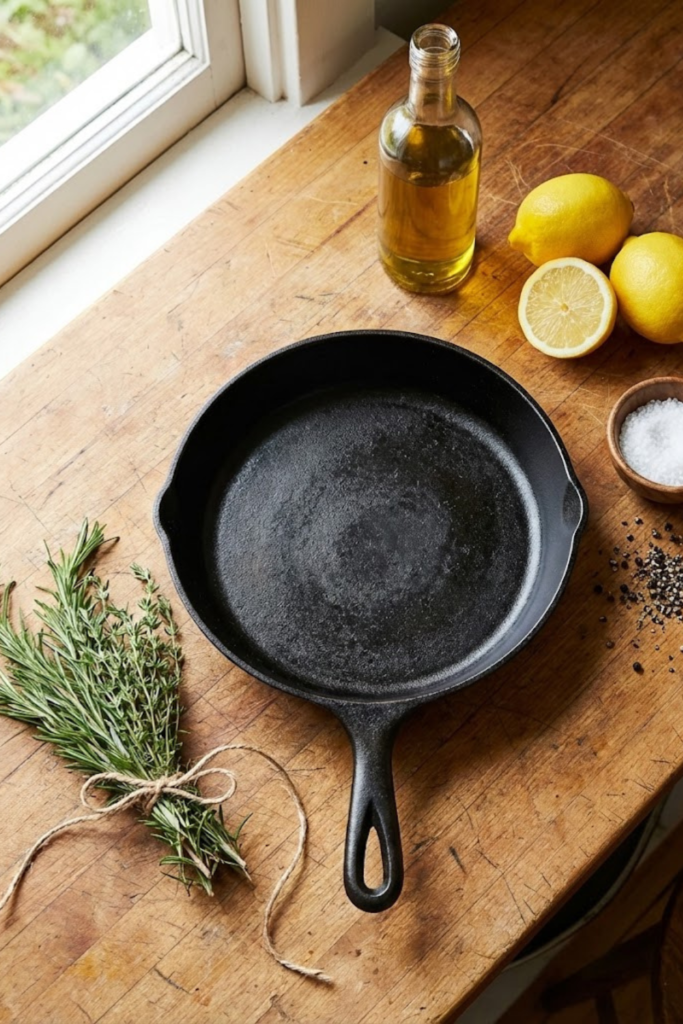
You really do not need a kitchen full of expensive gadgets to make this dinner. That is one of the reasons I love it. I have made this in rental kitchens with barely any tools, and it still tastes amazing. But, over the years, I have learned that grabbing the right few items makes the cooking process a lot smoother and the food taste better.
The Pan Debate: Skillet vs. Sheet Pan
I have a heavy cast iron skillet that I use for almost everything. It is my favorite tool for chicken thighs. Because the iron gets so hot and holds heat well, it cooks the thighs evenly from the bottom up. This means the skin gets crispy, but the bottom does not turn into a soggy mess sitting in liquid.
If you do not have a cast iron skillet, do not worry. A standard baking sheet works fine. Just make sure it is a rimmed baking sheet—one with raised edges. The chicken will release a lot of juice and fat as it cooks. If you use a flat cookie sheet, that grease is going to run right off into the bottom of your oven. That causes a lot of smoke and a terrible burning smell. Trust me, I have set off enough smoke detectors to know.
Picking Your Herbs
I stick to “wood” herbs for roasting. These are herbs like rosemary, thyme, and oregano. They have tough stems and can handle the high heat of the oven without turning to ash instantly. Soft herbs like basil or parsley will just burn if you put them in too early.
I always try to use fresh herbs. I tuck sprigs of rosemary under the chicken pieces. As they roast, the oils from the herbs seep into the meat. If you only have dried herbs in your pantry, that is okay too. Just remember that dried herbs are stronger, so you don’t need as much. Rub them between your fingers before sprinkling them on to wake up the smell.
The Importance of Acid and Oil
Because chicken thighs are fatty, you need something sharp to balance that richness. I always have a lemon on hand. Squeezing fresh lemon juice over the chicken right when it comes out of the oven makes the flavors pop. It cuts through the grease perfectly.
Also, use a good amount of olive oil. I rub it all over the chicken skin before seasoning. I used to use butter, but the milk solids in butter can burn at high temperatures. Olive oil gives you that nice golden-brown color without the burnt taste. Simple kosher salt and cracked black pepper are the only other things you really need to finish it off.
Step-by-Step Instructions for Perfect Chicken
Getting dinner on the table shouldn’t feel like a hard math problem, but there is a specific order of operations here that really helps. I used to just throw everything in a pan and hope for the best. Sometimes it worked, sometimes it was a disaster. Once I started following these exact steps every single time, the results got consistent. The chicken is always juicy, and the garlic is always soft. It really is not difficult, you just have to pay attention to a few small details.
Dry That Chicken Off
If you take one thing away from this page, let it be this: moisture is the enemy of crispiness. When you take the chicken out of the package, it is wet and slimy. If you season it right then, the skin will never crisp up. It will just steam in its own juices. That is gross. I take a big wad of paper towels and pat every thigh completely dry. I mean really dry. You want the skin to feel tacky to the touch. Then I salt it. I use more salt than I think I need. Kosher salt is best because the grains are big and stick well to the meat.
The Cold Pan Method
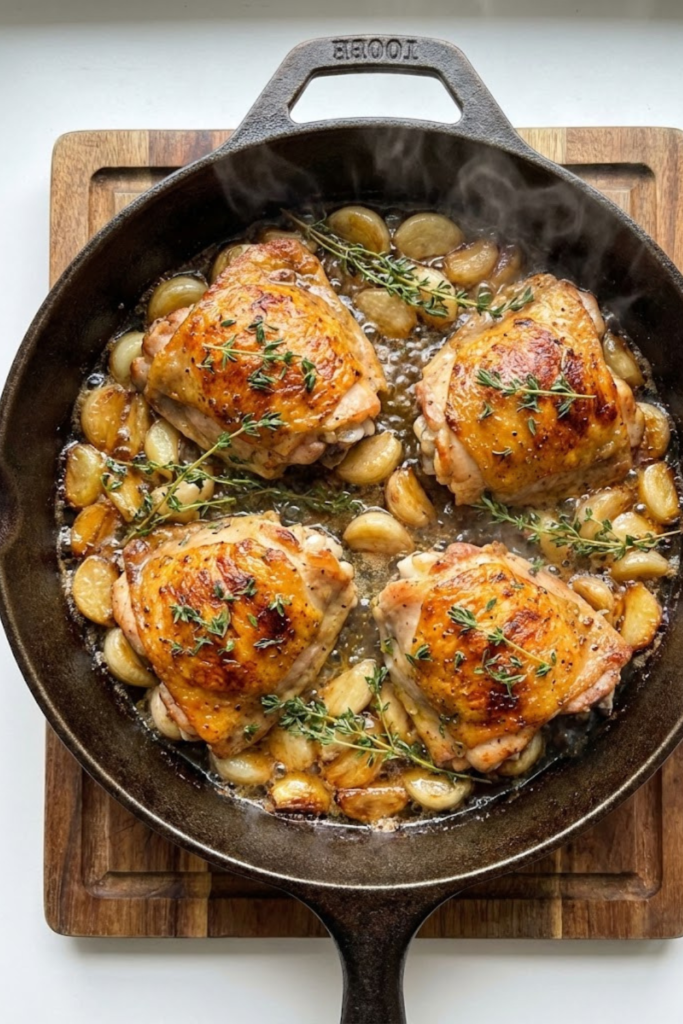
This is a trick I read about years ago and didn’t believe until I tried it. Instead of preheating your skillet on the stove, put the chicken thighs in the pan skin-side down while the pan is still cold. Then, turn the burner to medium-high. As the pan heats up slowly, the fat under the skin melts out gently. You get this incredibly thin, crispy skin that shatters when you bite it. I let it sizzle there for about 10 or 12 minutes until the skin is deeply golden brown. You don’t have to do this if you are in a huge rush, but it makes the texture so much better.
Roasting to the Finish
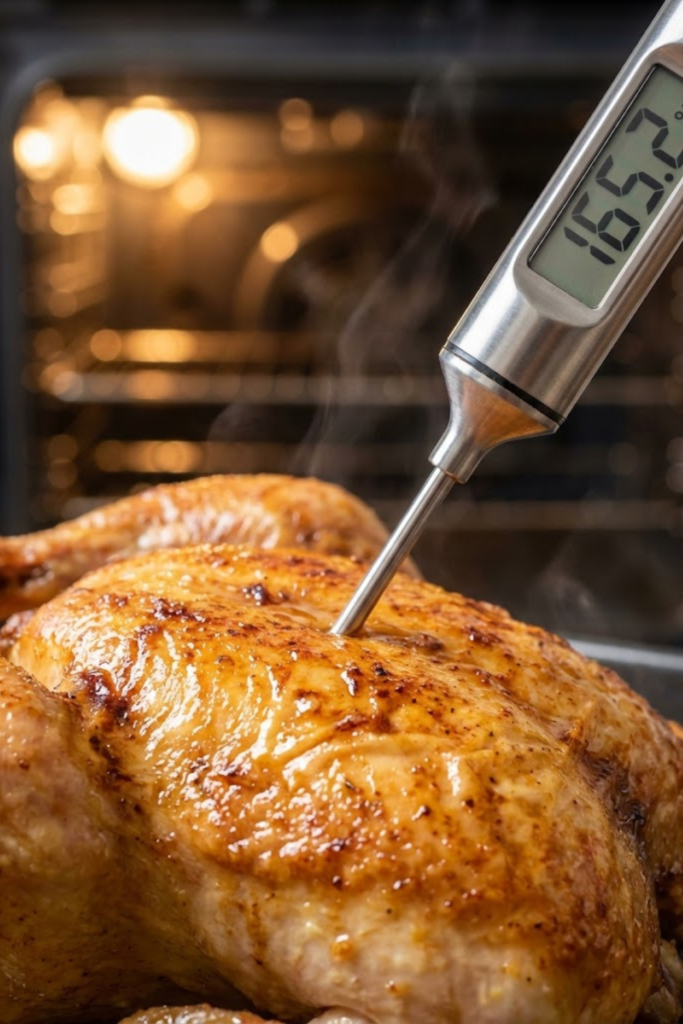
Once the skin looks good, I flip the chicken over. This is when I nestle my little foil packet of garlic into the corner of the pan or toss in my rosemary sprigs. The oven should be hot—set it to 400 degrees. Lower temperatures just bake the chicken slowly and dry it out. You want a high roast. I slide the pan in and set a timer for 30 minutes. I usually check it then with a meat thermometer. You want the internal temperature to hit 165 degrees, but honestly, thighs are safe and tasty even if they go a little higher to 175. They handle the heat very well.
The Hardest Part: Waiting
When the buzzer goes off, the smell in the kitchen is going to be distracting. You will want to eat immediately. Do not do it. If you cut into the chicken right now, all those hot juices will run out onto the plate, and the meat will end up dry. Move the chicken to a cutting board and let it sit for at least 10 minutes. I usually use this time to squeeze that roasted garlic out of its skins and mash it up. By the time you are done with that, the chicken is rested and ready to serve.
Troubleshooting Common Mistakes
I have ruined my fair share of dinners. There was the time I set off the smoke alarm because I used the wrong oil, and the time I served chicken that was still cold in the middle. It happens. Cooking isn’t a science experiment where everything goes perfectly every time. But over the years, I have noticed that most “failures” with roasted chicken come down to just a few simple things. If you know what to look out for, you can save the meal before it is too late.
Why Is My Skin Soggy?
This is the biggest complaint I hear. You wanted that nice crunch, but you got rubbery skin instead. Usually, this happens because the pan was too crowded. I know it is tempting to squeeze six or eight thighs onto one baking sheet to feed a crowd. But chicken thighs release a lot of steam while they cook.
If the pieces are touching each other, that steam has nowhere to go. It gets trapped between the meat, and instead of roasting, your chicken basically steams. It will still be edible, but it won’t be crispy. I always make sure there is at least an inch of space between each piece. If you are cooking a lot of food, just use two pans. It is better to wash an extra dish than to eat soggy chicken.
The Burnt Garlic Disaster
I mentioned this earlier, but it is worth repeating because it ruins the flavor of the whole dish. Burnt garlic is incredibly bitter. It tastes like chemicals. If you look into the oven and see your garlic cloves turning black before the chicken is done, you need to act fast.
Don’t just leave them in there. Open the oven and use a spoon to scoop those cloves out immediately. If they are already burnt, throw them away. Do not try to save them. It is better to have chicken without garlic than chicken that tastes like an ashtray. Next time, remember to use the foil packet trick or just wait to add the peeled cloves until the very end.
The “Is It Done?” Panic
Nothing is scarier than serving undercooked chicken. For a long time, I used to cut into the thickest part of the meat to check the color. If it was pink, I put it back in. The problem with this is that you let all the juices run out, and sometimes dark meat stays a little pink even when it is fully cooked.
The only way to really know is to use a digital thermometer. They are cheap, you can get one at the grocery store for ten bucks. Stick it into the thickest part of the thigh, but don’t touch the bone. The bone gets hotter than the meat and will give you a fake reading. Once it hits 165 degrees, pull it out. Trust the tool, not your eyes. It saves you from worrying if you are going to make your family sick.
We have covered a lot of ground here, from picking the right meat to mastering the timing of roasting garlic. If you have been stuck in a rut of cooking dry, flavorless chicken breasts because you thought they were “better” for you, I hope this guide changes your mind. Switching to bone-in, skin-on thighs was honestly a turning point in my kitchen. It took the stress out of dinner because the meat is so forgiving. You don’t have to watch the clock like a hawk or worry that being two minutes late will ruin the meal.
Remember, the real secret here is patience. Taking the time to pat the chicken dry makes the skin crispy. Letting the pan heat up slowly renders the fat. And waiting those ten excruciating minutes for the meat to rest ensures that every bite is juicy. It feels like extra work in the moment, but the result is so much better than anything you can get from a rush job.
Also, don’t be afraid to experiment with the garlic. Once you get comfortable with roasting it, you will want to put it on everything. I mash it into potatoes, spread it on toast, and mix it into salad dressings. It is a simple trick that makes you look like a pro.
I really hope you give this recipe a try this week. It is one of those meals that feels special enough for a Sunday dinner but is easy enough for a busy Tuesday. It saves me on nights when I am exhausted from grading papers and just want something comforting.
Save This for Later
If you found this helpful, please save this pin to your “Weeknight Dinners” or “Chicken Recipes” board on Pinterest! It helps other home cooks find these tips, and it helps me keep sharing what I learn in the kitchen. Tag us if you make it—I would love to see how your roasted garlic turns out!