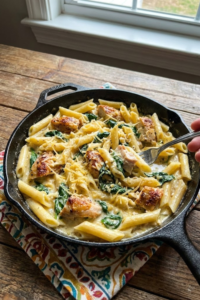
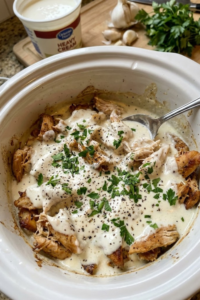
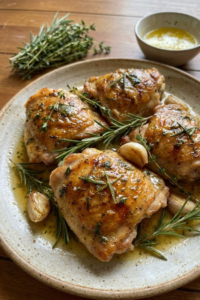
I’ve always said that a kitchen without the smell of garlic and fresh thyme isn’t really a kitchen at all! Did you know that chicken is the most consumed protein globally, yet “dry chicken” remains one of the top kitchen frustrations? It’s a total bummer when you spend time cooking only to end up with a piece of wood on your plate. That’s exactly why this Chicken with Creamy Herb Sauce is a total game-changer for your 2026 dinner rotation. We’re talking about golden-brown seared breasts swimming in a velvety, herbaceous pool of goodness that will make you want to lick the pan—seriously, no judgment here!
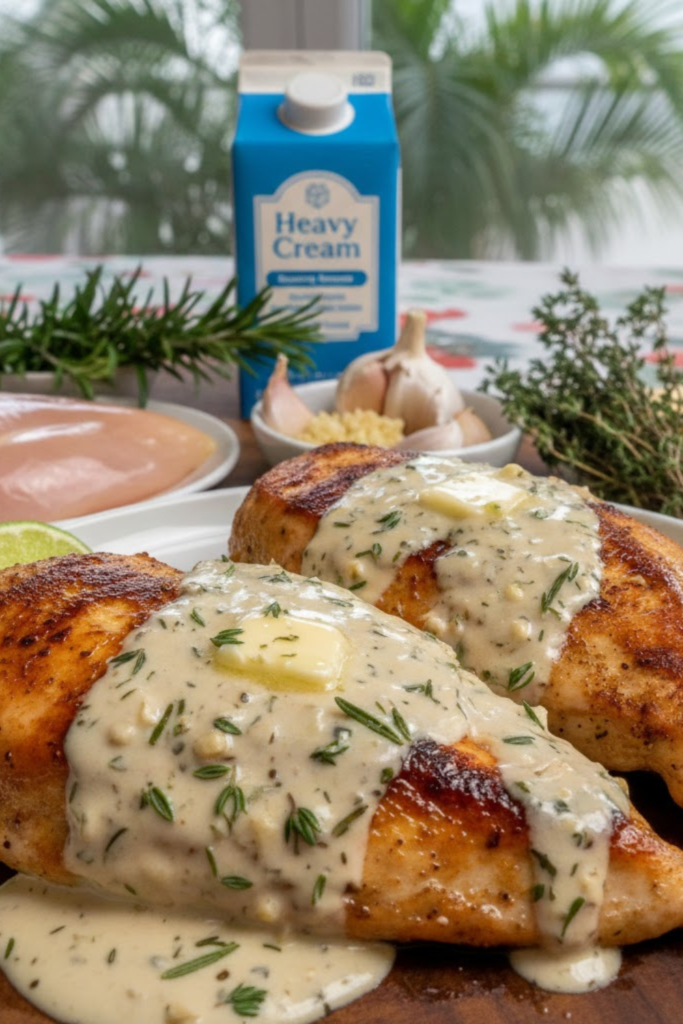
Choosing the Best Poultry Cuts for Maximum Flavor
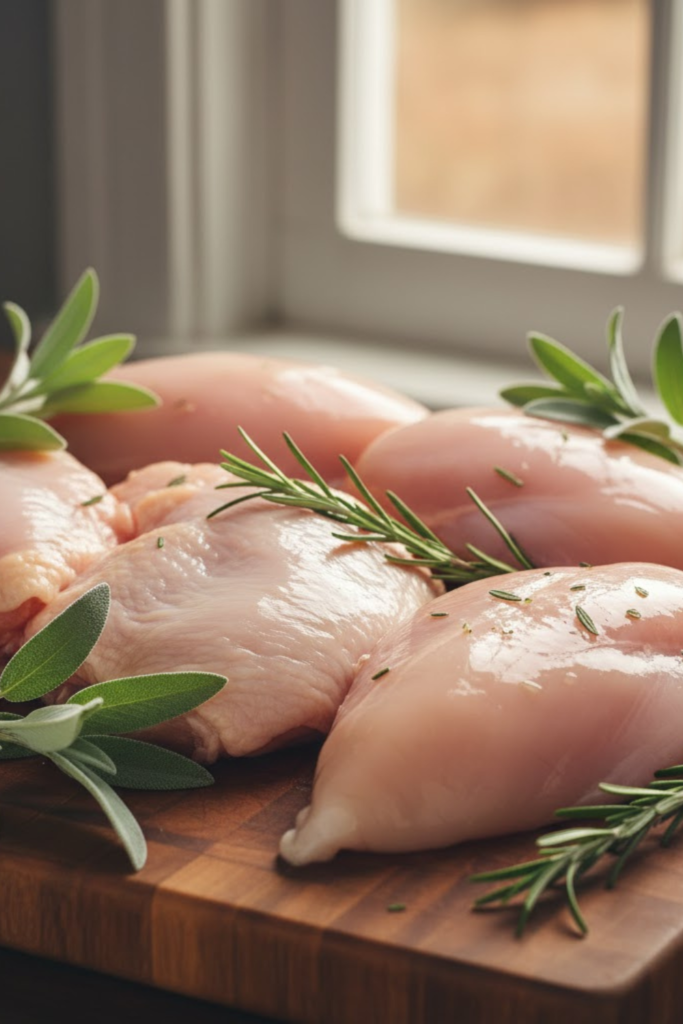
I’ve tried a lot of different ways to cook chicken over the years, but I keep coming back to the debate of thighs versus breasts. If you want the most flavor, thighs are usually the way to go because they have a bit more fat, which keeps them from drying out if you get distracted for a minute. But, if you like a cleaner look for your plate, breasts work great as long as you don’t overcook them.
One thing I always tell my students is to look for organic or free-range options if your budget allows. It really does make a difference in how the meat holds onto the sauce. Also, don’t be afraid of the skin! Keeping the skin on while you cook gives you a nice crispy texture that acts like a little shelf for all that creamy herb goodness to sit on. Just make sure you pat the chicken dry with a paper towel before you start, or it won’t brown right.
If you decide to go with breasts, I highly recommend buying them with the bone still in if you can find them. The bone helps distribute the heat more evenly and keeps the meat tender while it’s in the pan. If you only have boneless, try to pound them down to an even thickness with a meat mallet so the skinny end doesn’t turn into leather while the fat part is still cooking. I also like to look for “air-chilled” chicken at the grocery store. It sounds fancy, but it just means the chicken wasn’t soaked in water during processing, so it sears much better and doesn’t shrink as much in the pan.
For those of you who prefer thighs, boneless and skinless is totally fine for a quick weeknight meal, but keeping the bone in really levels up the savory depth of your sauce. I’ve noticed that when you use high-quality poultry, the juices that mix with the cream later on are much richer. It’s also worth checking the weight; giant chicken breasts can be a bit tough, so I usually pick out the medium-sized ones for the best texture. Whatever cut you pick, just remember to season both sides generously with salt and pepper before you even think about turning on the stove. This simple step makes sure the flavor is actually inside the meat and not just sitting on top of the sauce.
Mastering the Sear: The Secret to Golden Chicken
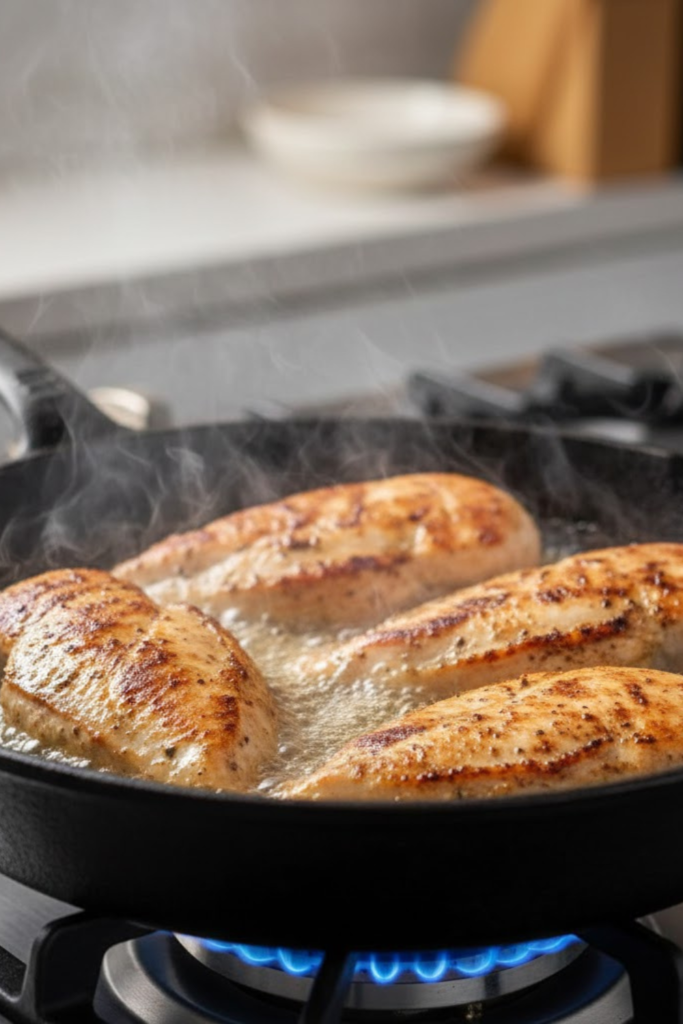
Getting that perfect golden-brown crust is probably the most important part of this whole dish. I see a lot of people make the mistake of using a non-stick pan, but honestly, you really want to use a stainless steel or cast iron skillet. The reason is that those little brown bits that get stuck to the bottom—chefs call it “fond”—are basically concentrated flavor. That’s what makes the sauce taste so deep and savory later on.
The trick is to get your oil nice and hot before the chicken even touches the pan. You’ll know it’s ready when the oil shimmers. When you put the chicken in, leave it alone! If you try to flip it and it feels stuck, it’s not ready. It’ll release itself from the pan once that beautiful crust has formed. Just keep an eye on the heat so you don’t burn it, but don’t be afraid of a little sizzle. That color is where all the magic happens.
If you crowd the pan by putting too many pieces in at once, the temperature drops and the chicken starts to steam instead of sear. You’ll end up with grey, rubbery meat instead of that crispy exterior we’re looking for. I usually cook in batches if I’m feeding a big group. Also, make sure you don’t use too much oil; you just need enough to coat the bottom of the pan.
Another big tip I’ve learned is to let the chicken sit at room temperature for about ten or fifteen minutes before it hits the heat. If it’s too cold, it won’t cook evenly and the middle will stay raw while the outside burns. I always use tongs to press the meat down gently when it first touches the skillet to make sure every part of the surface gets that heat. Once you flip it, you only need a few more minutes on the other side. Don’t worry if it’s not 100% cooked through yet, because it will finish up later when we let it simmer in the sauce. Just focus on getting that dark, caramel color for now—that’s where the real professional flavor lives.
Infusing the Sauce with Fresh Aromatic Herbs
After you move the chicken to a plate, don’t wash that pan! You want to use all those brown bits to build your sauce. I always reach for fresh herbs like rosemary, thyme, and oregano. If you only have dried ones in the back of your cupboard, you can use them, but the flavor won’t be nearly as bright. Fresh herbs have these essential oils that really wake up when they hit the heat.
I like to toss the herbs in right after I sauté some garlic and shallots. To get all that flavor off the bottom of the pan, I use a splash of white wine or even just some chicken stock. It’s called deglazing, and it’s a total game-changer. You’ll see the liquid turn a deep golden color as it picks up the juices from the chicken. It smells absolutely incredible at this stage—honestly, it’s my favorite part of the whole process.
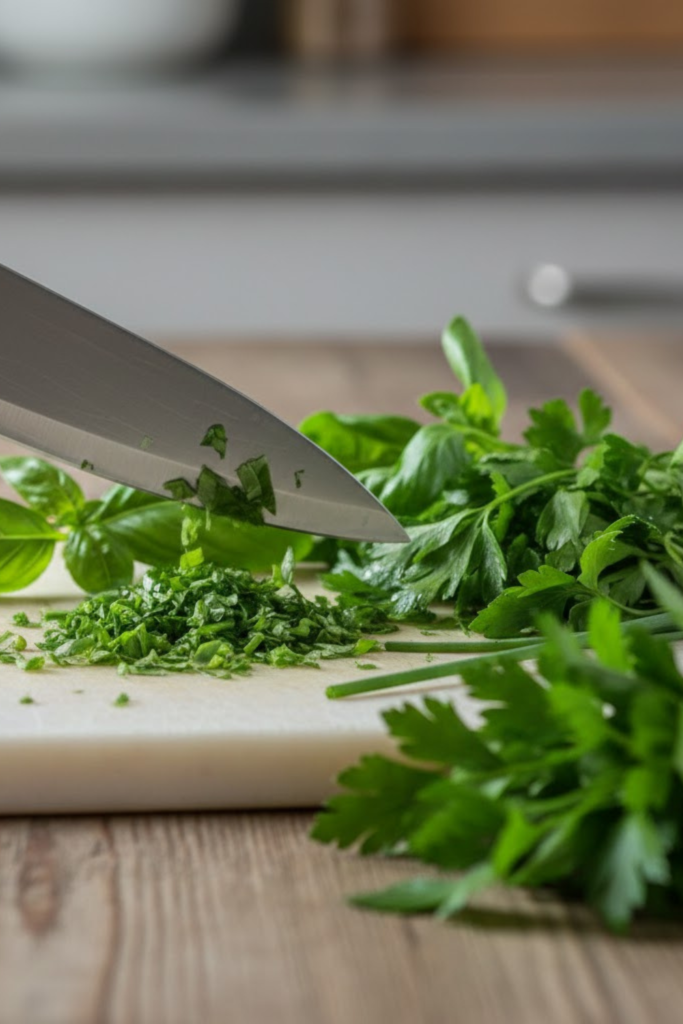
If you are using hard herbs like rosemary or woody thyme, try to chop them really fine so nobody gets a big needle-like leaf in their mouth. I usually strip the leaves off the stems first because those stems can be pretty tough and bitter. If you want a little extra zing, a tiny bit of lemon zest tossed in with the herbs makes the whole sauce pop.
Sometimes I even throw in a bay leaf while the sauce simmers, just remember to pull it out before you serve dinner! If you notice the garlic is starting to turn dark brown, pour your liquid in right away to stop the cooking. Burnt garlic is super bitter and it can ruin the whole batch of sauce in a second. I also like to keep some fresh parsley on the side to sprinkle on top at the very end. It adds a nice bright green color that makes the dish look way more expensive than it actually is. Just keep stirring as you add the liquid so you get every single bit of that tasty fond mixed in.
Common Mistakes When Working with Heavy Cream
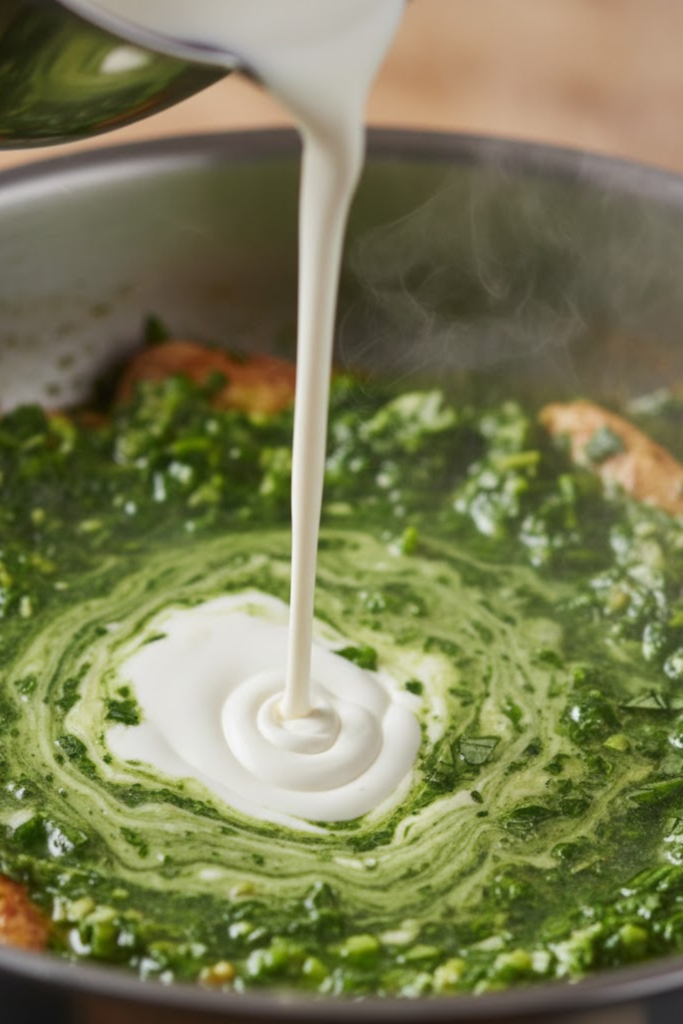
Once you’ve got that flavorful base going, it’s time for the cream, but you have to be careful here. I’ve seen so many people crank up the heat and end up with a sauce that separates or curdles, which is a real bummer. The secret is to keep the heat at a low simmer. You want the cream to thicken up slowly while it bubbles gently, not a violent boil.
If your sauce feels a bit too thin, don’t rush to dump in a bunch of flour. Just let it reduce on the stove for a couple extra minutes; the water evaporates and leaves you with a naturally thick, velvety texture. And here is my favorite pro tip: right before you serve it, whisk in a small knob of cold butter. It gives the sauce this beautiful, professional-looking gloss that makes it look like it came straight out of a fancy bistro kitchen.
One thing I see people do wrong all the time is adding the cream while it’s ice-cold straight from the fridge. If the pan is screaming hot and the cream is freezing, it can cause the sauce to “shock” and get a weird texture. I like to set the cream out on the counter for a few minutes while the chicken cooks just to take the chill off.
Also, watch out for the salt. Cream reduces as it cooks, which means the flavors get stronger—including the salt. I usually wait until the very end to do my final taste test. If you salt too early, you might end up with a dish that’s way too salty once the liquid evaporates. If you happen to be using Parmesan cheese, remember that it’s plenty salty on its own, so take it easy with the salt shaker. Keeping things at a gentle bubble rather than a rolling boil helps all these flavors stay balanced and smooth.
Making Chicken with Creamy Herb Sauce isn’t just about following a recipe; it’s about bringing a bit of comfort and joy to your table. I really hope these tips help you nail that perfect, juicy finish! It’s one of those meals that makes the house smell like a home. If you loved this recipe, please share it on Pinterest so your friends can get in on the deliciousness too!