I’ll never forget the first time I tried to make a citrus chicken dish; it turned out dry, rubbery, and totally flavorless! What a disaster. But after years of experimenting in the kitchen, I finally cracked the code to the absolute best chicken with lemon pepper, and my weeknight dinners have never been the same since. Did you know that lemon acidity actually works to tenderize the meat while adding that iconic zing? It’s true! In this guide, I’m going to walk you through exactly how to make a bird so juicy and flavorful, your family will be begging for seconds. Let’s get cooking!
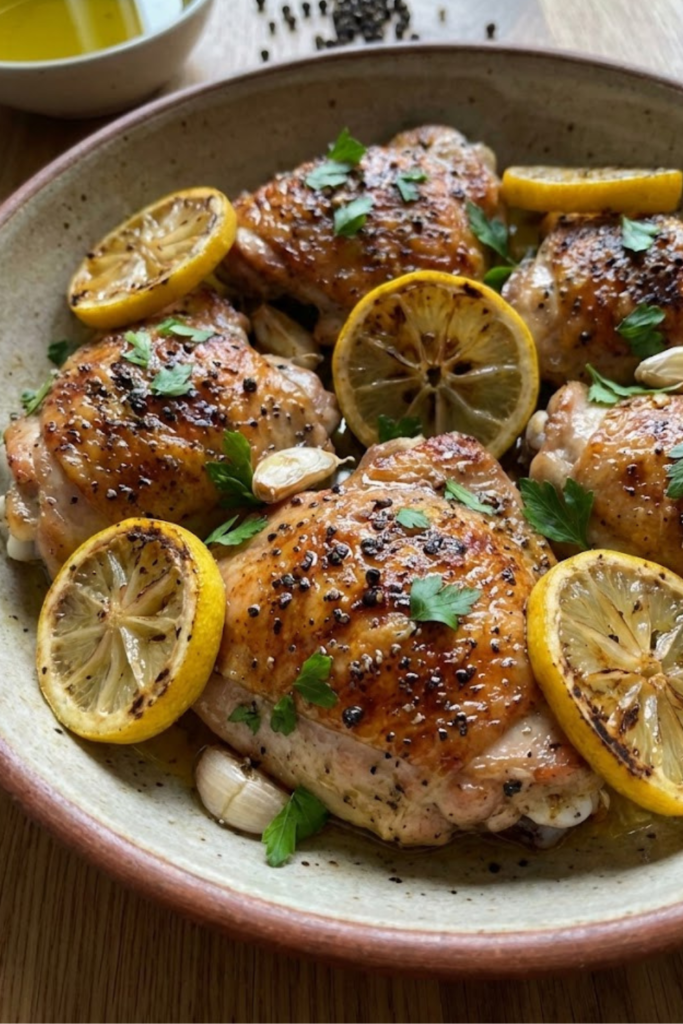
Selecting the Best Cuts for Your Lemon Pepper Feast
I used to think all poultry was created equal. Man, was I wrong. I remember standing in the grocery store aisle about ten years ago, staring at the wall of meat, totally confused. I just grabbed the cheapest pack of boneless breasts I could find.
It was a huge mistake.
When I cooked that chicken with lemon pepper later that night, it turned out dry and rubbery. My kids chewed on it politely, but I could tell they hated it. It was eaten by no one. That failed dinner taught me that the grocery store run is actually the most important part of the recipe.
Breast vs. Thighs: The Juicy Truth
Here is the thing about chicken breasts: they are super lean. That is great for a low-cal diet, but it makes them tricky to cook. When you add lemon juice, the acidity can actually toughen the meat if you aren’t careful.
I have learned to love chicken thighs for this.
Thighs have a higher fat content, which renders down while cooking. This essentially bastes the meat from the inside out. Even if you leave them in the oven five minutes too long (which I have definitely done while grading papers), they still come out juicy. If you are dead set on using breasts for your chicken with lemon pepper, pound them thin first so they cook evenly.
Why Bone-In is Better
I used to avoid bone-in cuts because they seemed like too much work to eat. I was lazy, I admit it. But flavor-wise, keeping the bone is a game-changer.
The bone insulates the meat, helping it cook slower and stay moist. Plus, you get that rich flavor from the marrow seeping into the juices. It creates a depth that boneless cuts just can’t match.
Quality Over Quantity
Have you ever noticed pink water pooling at the bottom of a chicken package? That is “water-chilled” poultry. The manufacturers cool the birds in big vats of cold water, and the meat absorbs that liquid. You are literally paying for water!
Switch to “air-chilled” chicken if you can find it.
I made the switch a few years back. The meat has a tighter texture and a much more concentrated chicken flavor. Because there is less excess water, your chicken with lemon pepper will roast better and get that nice golden color we all want.
The Prep Step You Can’t Skip
This is where I messed up for years. I would rip open the package and throw the meat straight into the marinade. Do not do this!
You have to pat the chicken dry with paper towels first.
If the surface of the meat is wet, it creates steam in the oven. Steam kills the crust. You want the surface to be dry so the olive oil and spices adhere directly to the skin or meat. It makes a massive difference in the final texture.
Also, take a minute to trim the extra loose skin or fat. You want it to look nice on the plate, not messy. A little bit of prep work upfront saves you a headache later.
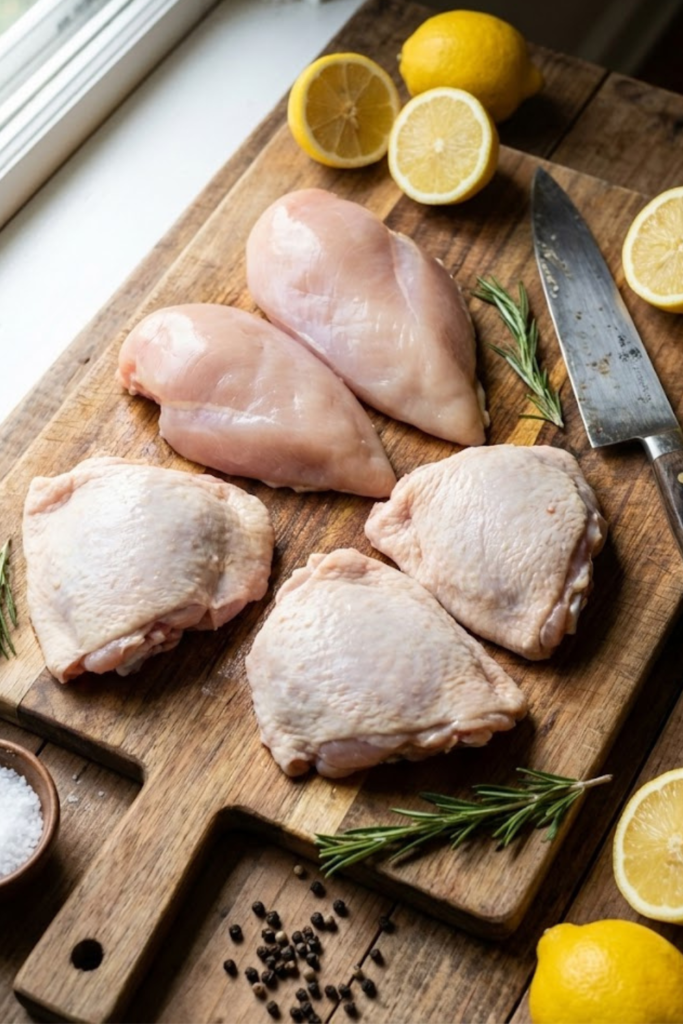
Crafting the Ultimate Zesty Marinade from Scratch
I have to be honest with you. For a long time, I was lazy with my marinades. I would buy those bottles of pre-made “citrus herb” stuff from the store, thinking I was saving time. But every time I made chicken with lemon pepper, it tasted… fake. Like, chemical fake.
It wasn’t until I ran out of the bottled stuff one Tuesday night and had to scramble that I realized how easy it is to make your own. And wow, the difference is night and day.
Fresh vs. Bottled: Please Put Down the Plastic Lemon
You know that little yellow plastic lemon filled with juice? I used to have one in my fridge door for years. It’s convenient, sure. But for this recipe, it is the enemy.
Bottled lemon juice has preservatives that give it a weird, metallic aftertaste. It just doesn’t have that bright “pop” you want.
You need real lemons.
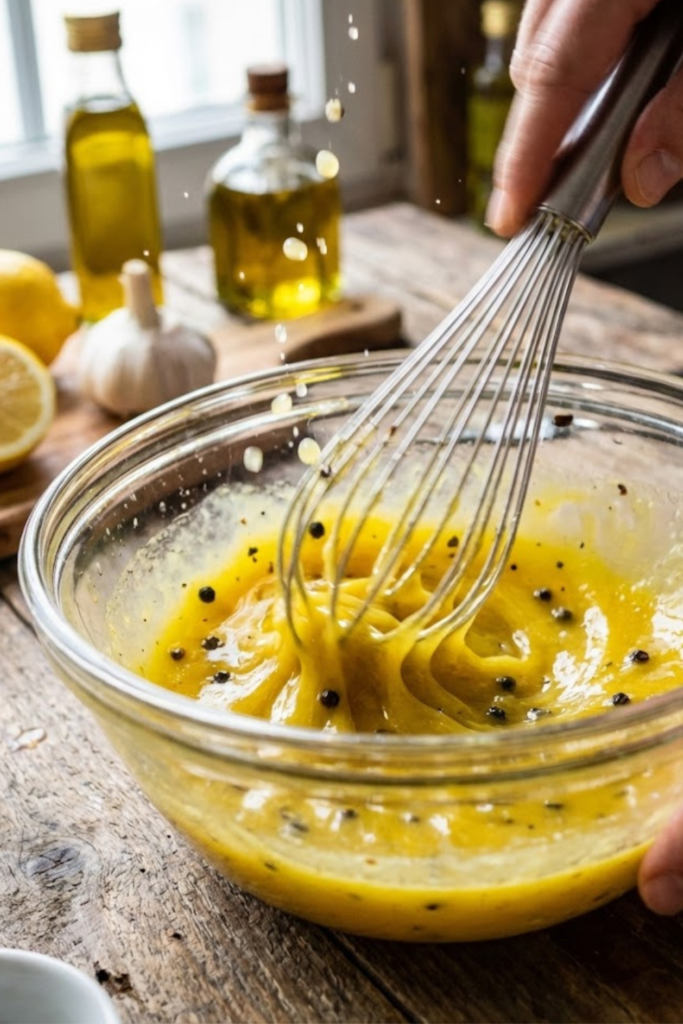
And here is the real secret: the zest. The yellow skin holds all the essential oils, which is where the smell and deep flavor come from. The juice gives the sourness, but the zest gives the perfume. I bought a cheap microplane grater online a few years ago, and it is the best tool I own. Zest the lemon before you cut it to squeeze the juice. I learned that the hard way!
The Spice Blend
Don’t use that pre-ground pepper that looks like grey dust. It has no life left in it.
You want cracked black pepper.
I like my chicken with lemon pepper to have a bit of a kick. I usually do a ratio of two parts pepper to one part kosher salt. If you have a pepper mill, crank it to a coarse setting. You want to actually see the chunks of pepper on the meat.
Sometimes, if I’m feeling fancy, I’ll toss in a little garlic powder or dried oregano. But honestly? You don’t need it. The lemon and pepper are the stars of the show.
Choosing Your Oil
Vegetable oil does nothing for flavor. It just sits there.
I always grab my Extra Virgin Olive Oil for this. It has a grassy, rich taste that pairs so well with the acid from the lemon. It acts like a glue, helping all those yummy pepper flakes stick to the chicken.
The “Goldilocks” Time
Here is a mistake I see people make all the time. They think “longer is better” and leave the chicken in the lemon juice overnight.
Don’t do that!
Lemon juice is an acid. If it sits on the meat for too long, it starts to “cook” it (kind of like ceviche). The texture gets mushy and weird.
I found the sweet spot is about 30 minutes to an hour. That is just enough time for the flavors to soak in, but not enough time to ruin the meat. If I’m in a huge rush, even 15 minutes on the counter while the oven preheats works better than nothing.
Baking, Grilling, or Pan-Searing: Cooking Methods Explained
I used to be scared of cooking chicken on the stovetop. I was always worried I would burn the outside and leave the inside raw. It happened more than once, and we ended up ordering pizza. But over time, I learned that heat control is everything. Whether you use the oven, a pan, or a grill, the goal is the same: juicy meat with a tasty crust.
Oven Baking: The Weeknight Savior
For a regular Tuesday when I am tired, the oven is my best friend. But do not bake at 350°F. That is too low. The chicken just dries out before it browns.
Crank it up to 400°F (200°C).
I learned this trick from a cooking show years ago. The higher heat sears the outside quickly, locking in the juices.
Also, skip the foil cover. I used to cover my dish thinking it kept the moisture in, but it actually just steams the meat. You want the hot air to hit the skin directly so it gets a little crispy. Just put the chicken in a baking dish, maybe line it with parchment paper for easy cleanup, and let it roast.
Pan-Searing: The Crispy Crust
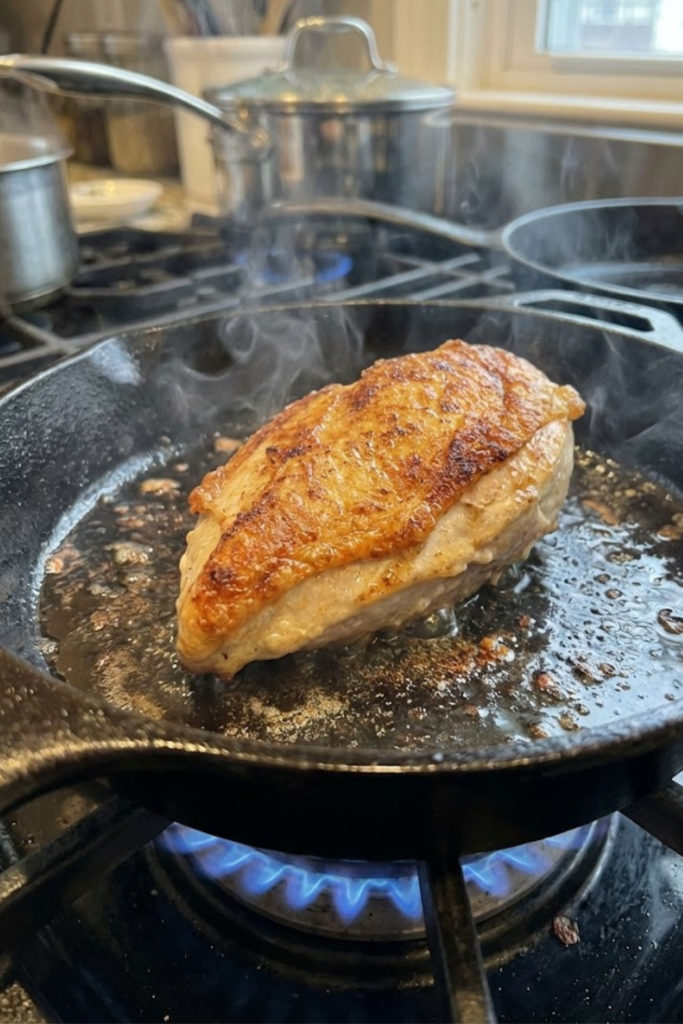
If I have a bit more energy, I grab my heavy cast-iron skillet. This is how you get that restaurant-style crust on your chicken with lemon pepper.
Heat the pan until it is hot—like, really hot. Add a splash of oil, then place the chicken down.
Here is the hard part: Do not touch it!
I used to poke and prod the meat constantly. But you have to let it sit undisturbed for about 4-5 minutes. If you try to flip it and it sticks, it isn’t ready. When it releases easily from the pan, that means you have a nice golden crust. Flip it, lower the heat, and let it finish cooking.
Grilling: Watch Out for Flare-Ups
Grilling gives that smoky flavor that goes so well with lemon. But since our marinade has olive oil in it, you have to be careful. Oil drops into the fire and causes flare-ups that can burn your dinner in seconds.
I usually create two zones on my grill: a hot side and a cooler side. Sear the chicken on the hot side to get those grill marks, then move it to the cooler side to finish cooking without burning. It takes a little practice, but it is worth it for a summer BBQ.
The Tool You Must Own
Please, stop cutting into the chicken to check if it is done. You let all the juice run out!
Buy a digital meat thermometer.
It doesn’t have to be a fancy expensive one. I got mine for like ten bucks. You are looking for an internal temperature of 165°F (74°C). Stick the probe into the thickest part of the meat. Once it hits that number, pull it off the heat immediately. Trust the numbers, not your eyes.
Pairing and Serving Your Citrus Chicken Perfection
I used to just slap the meat on a plate and call it a day. My family would look at it and ask, “Is this it?” I realized that what you serve with the chicken is almost as important as the chicken itself. You need sides that complement that bright, sour flavor without overpowering it.
Starch Pairings: Soaking Up the Sauce
If you take one piece of advice from me, let it be this: make rice.
When you cook chicken with lemon pepper, especially if you bake it, you end up with these amazing pan juices at the bottom of the skillet or dish. It is a mix of olive oil, lemon juice, and chicken fat. You do not want to waste that!
I like to make a simple rice pilaf or just plain white rice. I mound it on the plate and spoon that extra sauce right over the top. My kids mix it all together, and it disappears fast. Roasted potatoes are also a solid choice if you want something heartier. They get nice and crispy.
Vegetable Sides: keep it Green
Since the chicken is rich with olive oil and butter (if you added it), you need something fresh to cut through that heaviness.
I usually go with green beans or asparagus.
If I am feeling lazy—which is often on a school night—I just toss the veggies on the same baking sheet as the chicken for the last 15 minutes. It saves me from washing another pot. A fresh arugula salad with a simple vinaigrette is also great because the peppery leaves match the pepper on the chicken.
The Garnish Trick
My husband used to make fun of me for putting parsley on everything. He said it looked like I was trying too hard. But honestly? It makes a difference.
Chopped fresh parsley adds a pop of color so the food doesn’t look so brown and yellow. Plus, it has a fresh, grassy taste that wakes up the palate. Also, always serve with extra lemon wedges on the side. Some people (like me) love it super sour and want that extra squeeze right before eating.
Storage Tips for Leftovers
If you are lucky enough to have leftovers, they save pretty well.
I put the chicken in an airtight container in the fridge. It stays good for about 3 days. After that, it starts to taste a little funky. This recipe is actually perfect for meal prep. I slice the cold chicken the next day and put it on top of a salad for my lunch break. It beats the cafeteria food, that is for sure.
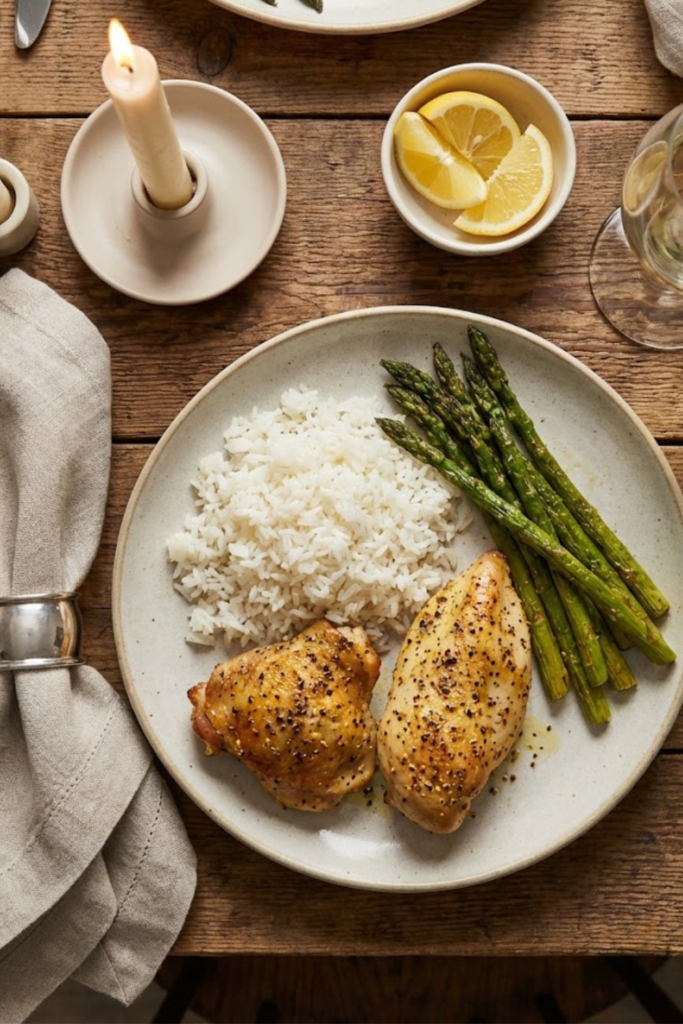
There you have it! You are now fully equipped to make the most incredible chicken with lemon pepper right in your own kitchen. It is simple. It is zesty. It is absolutely delicious!
I promise that once you try this method, you won’t want to cook poultry any other way. It has saved my dinner routine more times than I can count.
If you loved this recipe and found it helpful, please share the love! Go ahead and pin this article to your favorite “Dinner Ideas” board on Pinterest right now so you can find it later. Happy cooking!