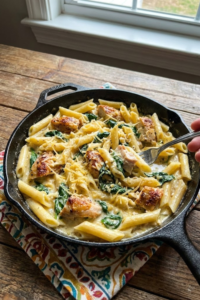
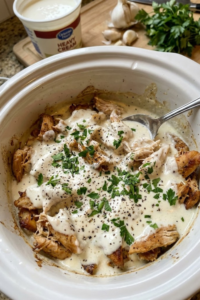
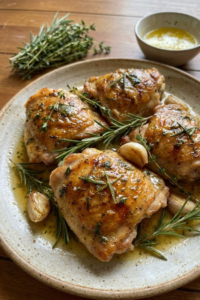
Did you know that the average American eats over 100 pounds of chicken a year? That is a lot of poultry! But let’s be honest, how much of that is actually memorable? I used to be guilty of making dry, rubbery bird that tasted like… well, nothing. It was tragic. But then I discovered the magic of simplicity. Just good quality chicken, robust extra virgin olive oil, and enough garlic to ward off a vampire army. This isn’t just a recipe; it’s a staple that saved my weeknight dinners. In this guide, I’m going to walk you through exactly how to nail this classic dish so it comes out juicy and flavorful every single time. Let’s get cooking!
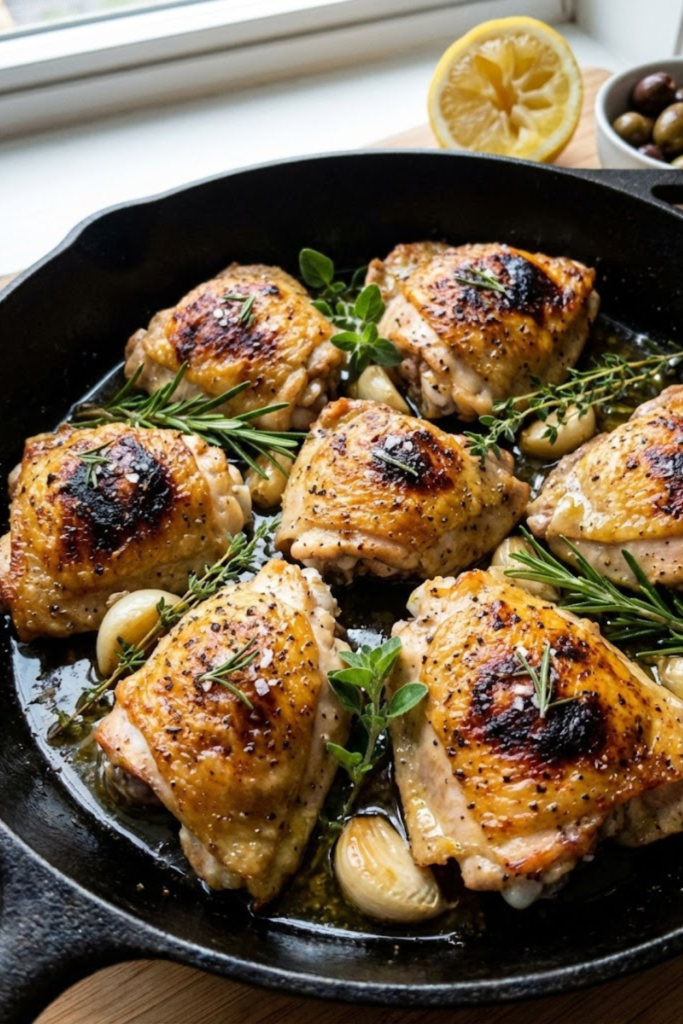
Selecting the Best Ingredients for Garlic Chicken
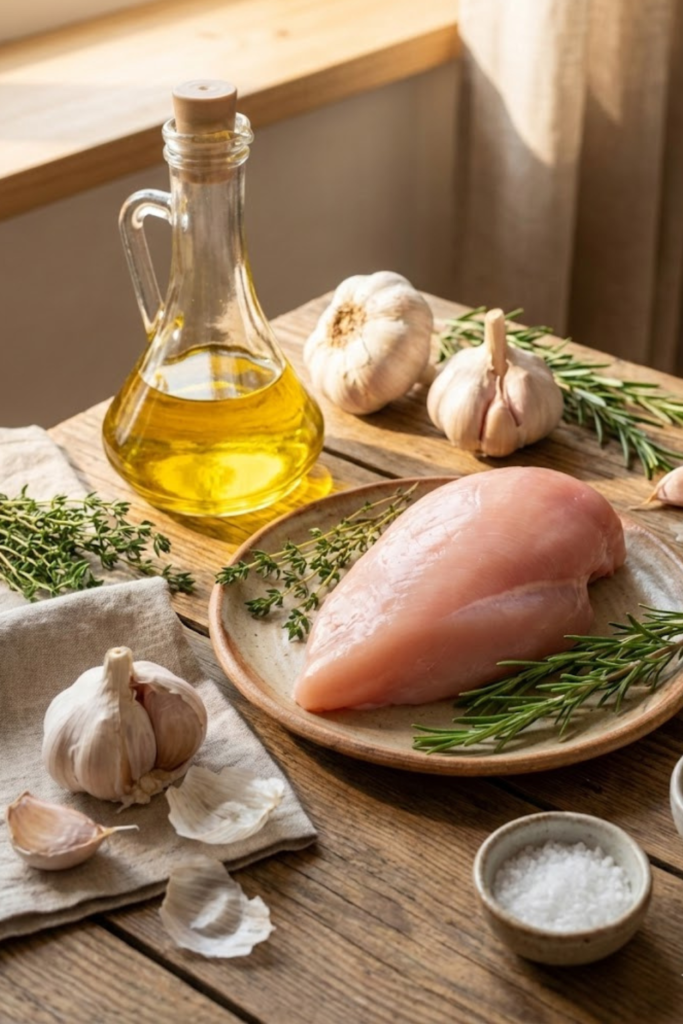
You know, I used to think chicken was just chicken. I’d grab whatever package was on sale at the grocery store, throw it in a pan, and then wonder why my dinner tasted like cardboard. It took me a long time to realize that when you are cooking a recipe with only three or four main ingredients, those ingredients have got to be good. There is nowhere to hide bad flavors here. So, before you even turn on the stove, we need to talk about what goes in your shopping cart. This isn’t about buying the most expensive stuff on the shelf, but buying the right stuff. Trust me, it makes all the difference between a sad meal and one that people actually ask you to make again.
The Chicken: Why Air-Chilled Matters
If there is one thing you take away from this, let it be this: look for “air-chilled” on the label. A lot of the cheaper chicken is chilled in big vats of cold water, which means the meat absorbs a lot of that liquid. When you cook it, all that water comes out, and your chicken ends up steaming in a gray puddle instead of searing nicely. I learned this the hard way years ago when my “fried” chicken turned into a soggy mess. Air-chilled chicken tastes more like actual meat and it browns way better. I usually go for bone-in, skin-on thighs because they stay juicy, but breasts work too if you watch them closely.
Olive Oil: The Flavor Maker
Since we are practically bathing the bird in oil, you don’t want to use the stuff that has been sitting in the back of your pantry for three years. You want Extra Virgin Olive Oil (EVOO). It has a fruity, peppery kick that regular vegetable oil just doesn’t have. I like to take a little sip of it—if it tastes good on a spoon, it’ll taste good on your dinner. You don’t need a fancy imported bottle, just get something in a dark glass bottle to keep the light out.
Garlic: Please Use the Fresh Stuff
Okay, I’m going to be a bit of a stickler here. Put the jar of pre-minced garlic down. I know it’s easier, but it often has a weird, sour taste from the preservatives that just feels off. Peeling fresh cloves is a pain, I know, but the smell of fresh sticky garlic hitting hot oil is unbeatable. Just smash the clove with the side of your knife to get the skin off fast. It’s worth the extra two minutes of work.
Fresh Herbs to Finish
Finally, grab some fresh parsley, rosemary, or thyme. Dried herbs are okay if that is all you have, but sprinkling fresh green stuff on top makes the dish look appetizing and adds a fresh bite that cuts through the heavy oil. It really brightens everything up.
Mastering the Garlic and Olive Oil Marinade
When I first started cooking for my family, I thought marinating meant drowning the meat in a store-bought bottle of dressing and hoping for the best. Sometimes it worked, but usually, it just tasted like… salad dressing on chicken. I learned pretty quickly that making your own marinade is cheaper and honestly tastes a million times better. Plus, you control exactly what goes in there. No weird chemicals you can’t pronounce. For this garlic chicken, the marinade is the most important part because it does double duty: it flavors the meat and keeps it moist while it cooks. It is the secret sauce, literally.
Finding the Right Balance
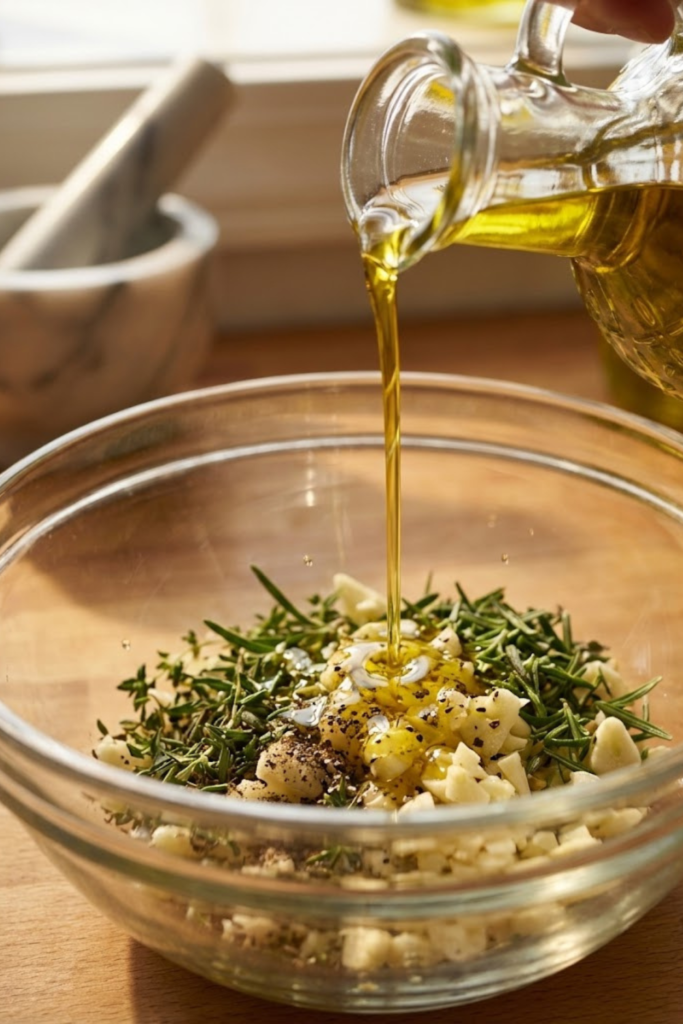
Think of a marinade like a see-saw. You need to balance the fat (the olive oil) with a little bit of acid. I usually use fresh lemon juice or a splash of white wine. You have to be careful, though. If you use too much acid, the texture of the chicken gets weird and mushy—kind of like it cooked itself while sitting in the fridge. You definitely don’t want that. My go-to mix is about half a cup of good olive oil to maybe two tablespoons of lemon juice. Then, I go crazy with the garlic. I am talking at least six or seven cloves, smashed up good. It sounds like a lot, but the oil mellows it out so it isn’t too spicy when you eat it.
The Warm Oil Trick
Here is a little trick I picked up from a cooking show years ago that changed everything. Instead of just throwing cold oil and raw garlic into a plastic bag, I warm the oil in a small pan on the stove for just a minute or two. I toss the garlic slices in there while it warms up. You aren’t trying to cook the garlic brown, just wake it up. You will smell it immediately. Then, let it cool down completely before you pour it over the raw chicken. This helps the garlic flavor spread through the oil so every single bite of chicken gets that savory goodness.
How Long Should It Sit?
Patience is a virtue, right? I tell my students that all the time, and it applies to cooking too. You need to give the chicken time to soak up those flavors. If you are in a rush, 30 minutes on the counter is okay. But if you can plan ahead, let it sit in the fridge for about four hours. That seems to be the sweet spot. Don’t leave it overnight if you used lemon juice, though, or the meat might get tough.
Don’t Skimp on the Salt
Finally, please don’t forget salt and pepper. All that garlic and oil won’t matter if the meat is bland. I mix a generous amount of kosher salt right into the marinade. It helps carry the flavor deep into the meat so it tastes good all the way through, not just on the outside.
Cooking Techniques: Pan-Seared vs. Oven Roasted
Now that we have our ingredients prepped and marinated, it is time for the heat. This is usually the part where people get nervous. I can’t tell you how many times I have stared at a pan wondering if the chicken was done, only to cut into it and find it raw pink in the middle. Or worse, cooking it so long it turned into shoe leather. Over the years, I have found two reliable ways to cook this dish, and both have their place depending on how much time and energy I have left after a long day at school.
The Stovetop Searing Method
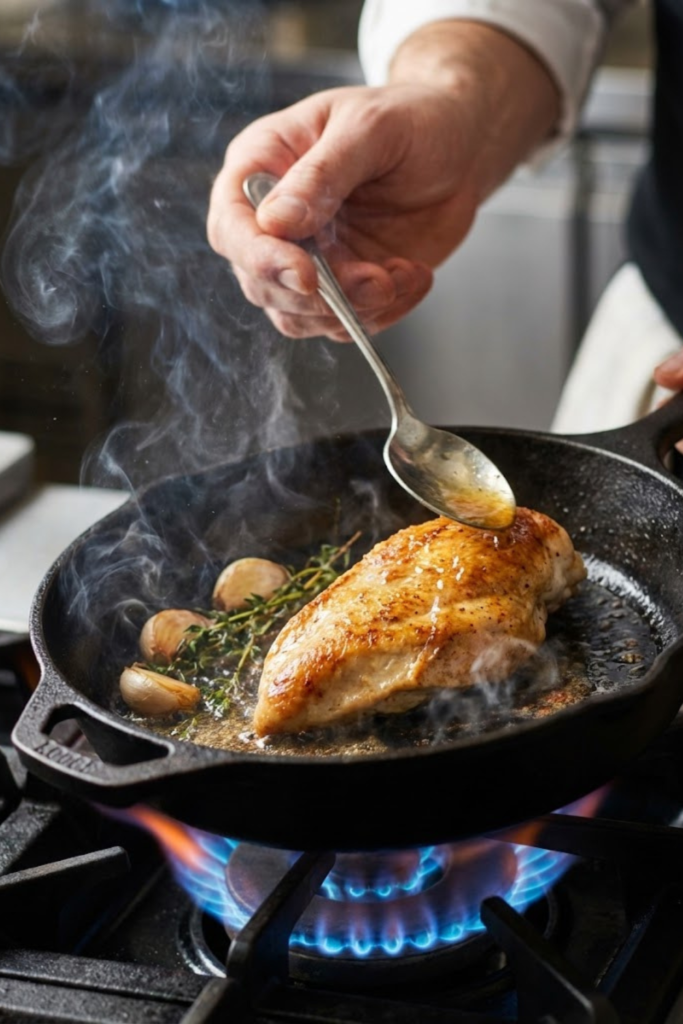
If you want that beautiful golden-brown color, you have to use the stove. I always reach for my heavy cast-iron skillet for this. It holds heat like a champ. Get the pan nice and hot over medium-high heat before you add the chicken. You want to hear a loud sizzle when the meat hits the pan. If it’s quiet, your pan isn’t hot enough.
Here is the tricky part with garlic chicken: burnt garlic tastes awful and bitter. Since our chicken is covered in garlic bits from the marinade, I usually scrape most of the big chunks off before searing. I save them to add back in the last few minutes. Cook the chicken for about 5-6 minutes on each side without moving it too much. Let a crust form. It’s messy and oil might splatter, so maybe wear an apron.
The Oven Roasting Method
On days when I am just too tired to stand over the stove flipping meat, the oven is my best friend. It is much more forgiving. I preheat my oven to 400°F (200°C). High heat works better than low heat here because it cooks the outside fast enough to keep the juices inside. I arrange the chicken in a baking dish and pour all that garlic-olive oil marinade right over the top. It basically poaches the chicken in flavor. It usually takes about 20 to 25 minutes, depending on how thick your pieces are.
Don’t Forget to Baste
Whether you are using the stove or the oven, you have to baste. That is just a fancy word for spooning the juices over the meat. About halfway through cooking, I open the oven or tilt my pan and scoop up that hot, garlic-infused oil and drizzle it over the chicken. It keeps the top from drying out and adds another layer of flavor. It’s a small step, but it makes a big difference.
The Only Way to Know It’s Done
Please, stop cutting into the chicken to check if it is done. You let all the juice run out! The best investment I ever made for my kitchen was a cheap digital meat thermometer. You want the thickest part of the meat to hit 165°F (74°C). Once it hits that number, take it off the heat immediately. Trust the numbers, not your eyes. It takes the guessing game out of dinner, which is a huge relief.
Serving Suggestions and Side Dishes
So, the timer has gone off, and your kitchen smells like a garlic factory (in a good way). The chicken is resting, and it looks beautiful. But now you have a problem. You can’t just serve a piece of chicken on a plate by itself. Well, I guess you could, but my family would definitely look at me funny. Finding the right things to serve with this dish is almost as important as the chicken itself because you want to balance out that rich, oily flavor. Over the years, I have found a few reliable combinations that turn this from a piece of meat into a proper meal.
The Carbohydrate Necessity
Here is the honest truth: the best part of this recipe isn’t actually the chicken. It is the sauce. That mix of olive oil, chicken juices, and roasted garlic at the bottom of the pan is liquid gold. You need something starchy to soak it up. It is basically a crime to wash that down the drain. I almost always serve this with roasted potatoes. I usually chop up some red potatoes and throw them in the oven on a separate rack while the chicken cooks. They come out crispy and perfect. If I am feeling lazy or running late (which happens a lot on school nights), I just grab a loaf of crusty French bread from the bakery. Tearing off a chunk of warm bread and dipping it into the garlic oil on your plate? That is pure happiness right there.
Balancing with Greens
Since this dish is pretty heavy on the fat thanks to the olive oil, you want to be careful with your vegetables. You don’t want to serve this with something heavy like creamed corn or a cheesy casserole. It is just too much. You need something fresh and bright to cut through the richness. My go-to is usually steamed green beans or asparagus with just a little squeeze of lemon. If it is summer, a big bowl of arugula salad is perfect. Arugula has a peppery taste that stands up really well to the garlic. I just dress it with a little vinegar and it cleans your palate between bites so the oil doesn’t feel too greasy.
What to Drink
Now, I am definitely not a wine expert—I teach middle school math, not culinary arts—but I do know what tastes good after a long day. Because this dish has a lot of garlic and fat, a heavy red wine can sometimes clash with it. I usually pour a glass of cold white wine, like a Sauvignon Blanc or a Pinot Grigio. The crispness and acidity in the white wine work really well here. It refreshes your mouth. If you don’t drink alcohol, a sparkling water with a slice of lemon does the exact same thing.
Dealing with Leftovers
If you are lucky enough to have leftovers, you have a great lunch for the next day. But here is a tip: don’t microwave the chicken to reheat it. It can get a weird “warmed-over” flavor. This chicken is actually amazing cold. I slice it up thin and throw it into a wrap or on top of a salad. The olive oil solidifies a little bit in the fridge, but once it sits at room temperature for a few minutes, it melts back down and acts like a dressing. It makes my lunch break in the teacher’s lounge a lot more enjoyable than a sad peanut butter sandwich.
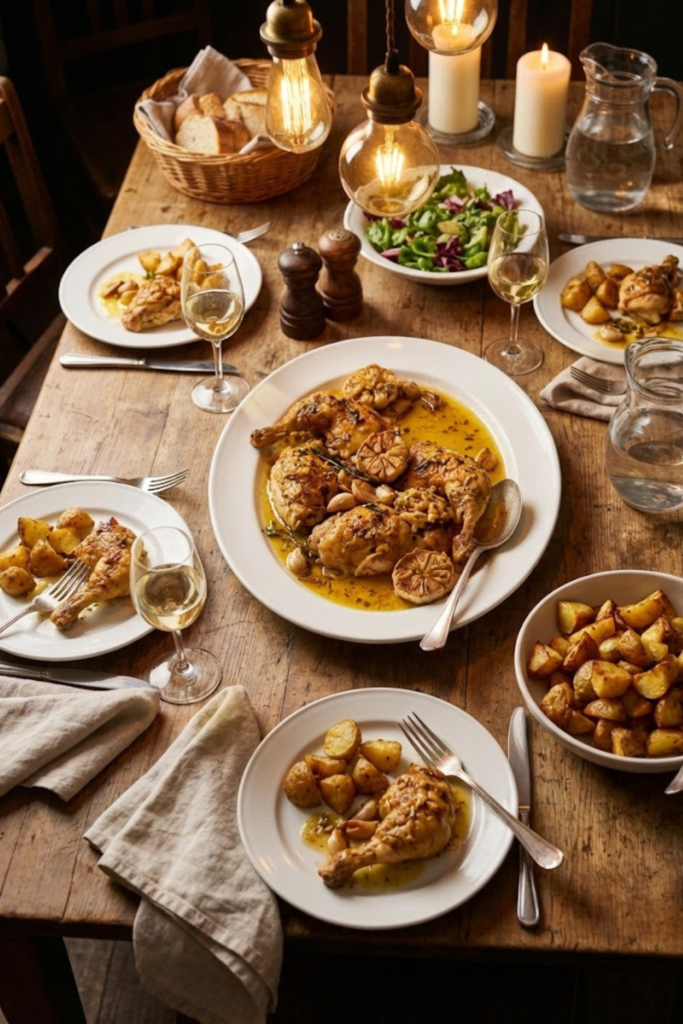
So, there you have it—my complete roadmap to the best chicken with olive oil and garlic you will ever make. It is honestly amazing how three simple ingredients can come together to create something so comforting and delicious. I used to think I needed a pantry full of spices to make dinner taste good, but this recipe proved me wrong. It really comes down to respecting the ingredients. Using that good quality air-chilled chicken, splashing out a little for the nice extra virgin olive oil, and taking the time to peel fresh garlic makes all the difference.
I hope you give this a try in your own kitchen. It has saved me on so many busy weeknights when I’m drowning in grading papers and just want something warm and homemade without a huge hassle. Just remember to be patient with the marinade if you can, and watch that temperature so you don’t dry it out. Once you get the hang of it, you won’t even need to look at the recipe anymore. It’ll just become one of those meals you can whip up from memory.
If you make this, I’d love to hear how it turned out for you. Did you go with the roasted potatoes or did you find a better side dish? My family is pretty stuck in our ways, so I’m always open to new ideas to switch things up. Enjoy the cooking, and more importantly, enjoy the eating!
Call to Action: If you loved this guide, please Pin this mouthwatering recipe to your “Dinner Ideas” or “Healthy Chicken Recipes” board on Pinterest so you can find it easily later!