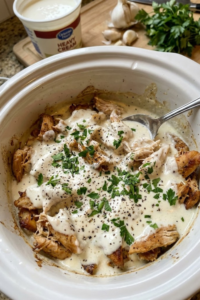
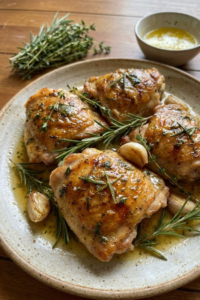
Did you know that “fond”—those sticky brown bits left in the pan after searing meat—is actually called “the foundation” in French culinary terms? It is literally the base of all flavor! I remember standing in my tiny first apartment kitchen, staring at a skillet of dry chicken and wondering where I went wrong. I used to be terrified of making gravy from scratch (hello, lumps!), but once I learned the simple science behind this dish, everything changed. Nothing beats the aroma of fresh herbs and savory chicken sizzling away on a Tuesday night! In this article, I’m going to walk you through my foolproof method for perfect chicken with pan gravy so you can impress your family without the stress.
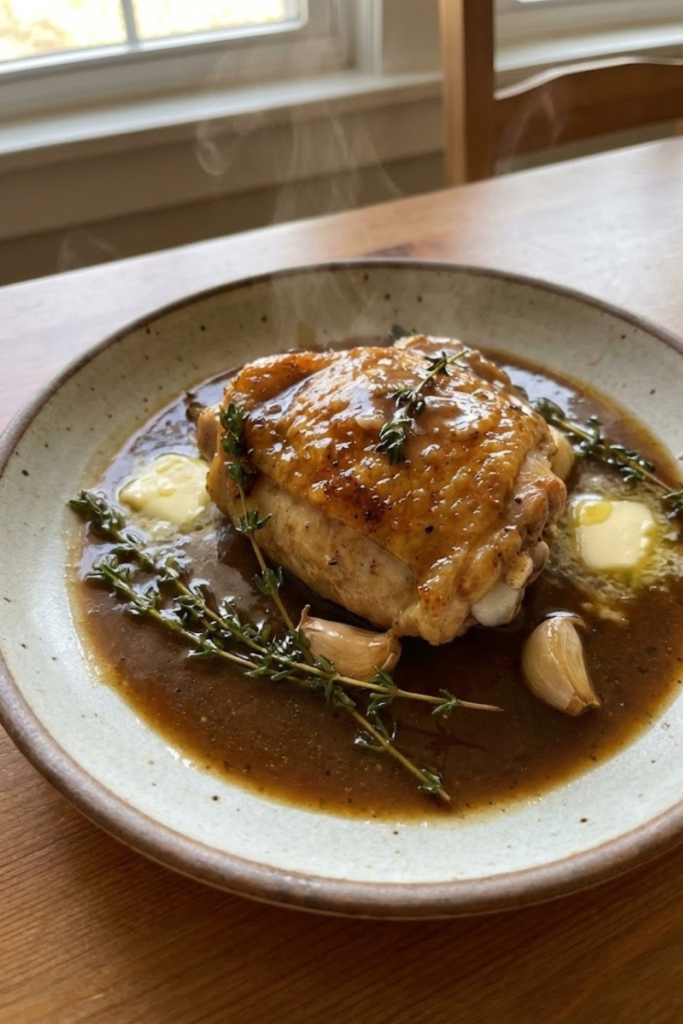
Choosing the Best Cuts for Juicy Skillet Chicken
Look, I’ll be the first to admit it—for the longest time, I was terrified of cooking meat on the stove. I remember standing in my first apartment kitchen, staring at a pack of boneless, skinless chicken breasts I’d just turned into rubbery hockey pucks. I couldn’t figure out why my dinner tasted like cardboard while the photos online looked so juicy. It took me a few years (and a lot of takeout pizza backups) to realize that I wasn’t necessarily a bad cook; I was just buying the wrong groceries.
If you want to nail this recipe, you have to start with the right foundation. It’s not just about the meat; it’s about what the meat leaves behind in the pan to make that liquid gold we call gravy.
Why Thighs Are the Real MVP
Here is the deal: if you are a beginner or just want a stress-free Tuesday night, buy bone-in, skin-on chicken thighs. I know, I know. We are all taught that white meat is the “better” choice. But for a skillet chicken recipe, thighs are king. They have a slightly higher fat content, which means they are way more forgiving if you accidentally leave them on the heat for a minute too long while you’re yelling at the dog to get out of the kitchen.
Plus, they stay moist. When I use breasts, I feel like I have to watch them like a hawk. With thighs, the meat stays tender, and the flavor is just deeper. It tastes like actual comfort food rather than “diet food” masquerading as dinner.
The Skin is Your Secret Weapon
You might be tempted to trim all the skin off to save calories. Please don’t! You need that skin to render out fat. That rendered fat mixes with the brown bits stuck to the bottom of your skillet (fancy chefs call this fond). That stuff is literally the flavor base for your pan gravy. Without the skin, you’ll have to add a lot more oil or butter, and it just won’t taste as savory.
Temperature Matters
One trick I learned the hard way? Don’t cook cold chicken. Seriously. If you take the meat straight from the fridge and toss it into a hot pan, the muscles seize up. It cooks unevenly—burnt on the outside, raw in the middle.
I usually pull my chicken out of the fridge about 20 minutes before I plan to cook. I let it sit on the counter (safely, of course) to take the chill off. It makes a huge difference in how evenly it cooks. It’s a small step, but it saves you a headache later.
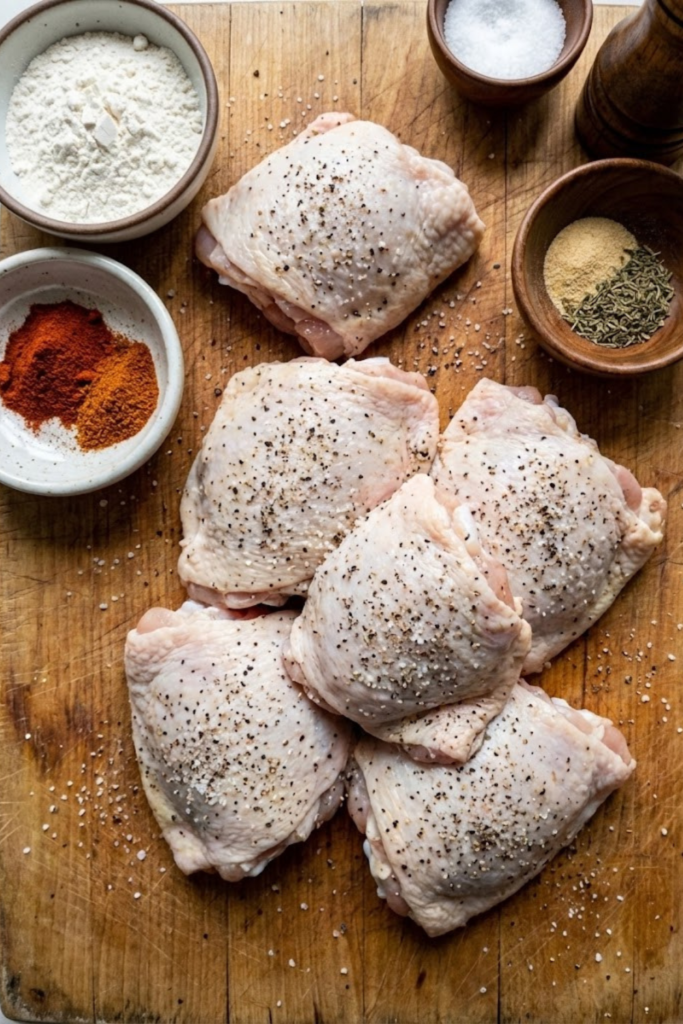
Essential Ingredients for a Silky Savory Sauce
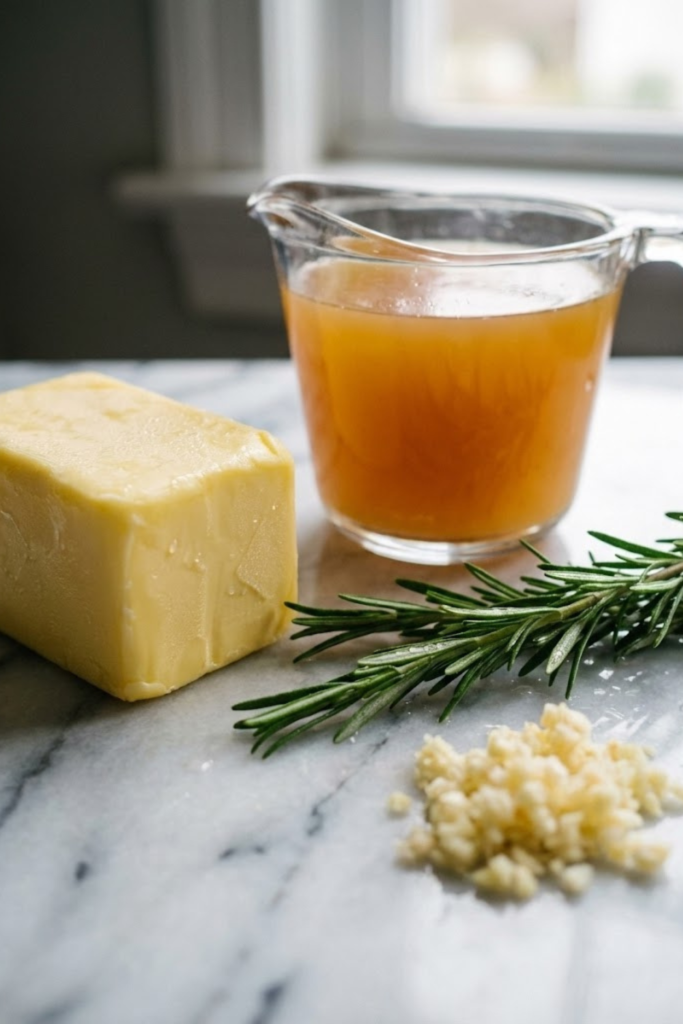
I used to think making gravy required some kind of magic spell or a culinary degree. For years, I just bought those little brown packets from the store, added water, and hoped for the best. It was always okay, but it never tasted like the stuff my grandmother made. The truth is, a really good pan sauce relies on just a handful of ingredients. You probably have most of them in your pantry right now.
The trick isn’t buying expensive items; it’s about having everything chopped, measured, and ready to go before you turn on the stove. Once that pan is hot, things move fast, and you don’t want to be digging through the fridge for garlic while your butter burns.
The Liquid Base
Please, I am begging you, do not use plain water. Water equals flavorless gravy. You need a good quality chicken stock or bone broth. I usually grab the low-sodium boxes from the grocery store. Why low sodium? Because as the gravy cooks down and gets thicker, the flavors get stronger. If you start with a salty broth, your final sauce might be inedible. You can always add salt at the end, but you can’t take it out. If you have an open bottle of white wine in the fridge, a splash of that works wonders too.
Choosing Your Fat
To make the sauce thick, you need fat to mix with the flour. Usually, your chicken will leave behind some rendered fat (grease) in the pan. That is liquid gold! Keep it. If your chicken was lean and the pan looks dry, don’t worry. Just add a tablespoon of butter. I prefer unsalted butter because, again, it gives me total control over how salty the dinner tastes. Butter also adds a creamy, velvet texture that oil just can’t match.
Aromatics Are Key
This is where the flavor happens. You need something to smell good before the liquid goes in. I always use fresh garlic. The jarred stuff is fine in a pinch, but chopping a fresh clove takes two seconds and tastes way better. Shallots are nice if you want to feel fancy—they are like a mix between garlic and onion—but a regular yellow onion works just fine.
The Thickener
Finally, you need something to bind it all together. Good old all-purpose flour is the standard here. It mixes with the fat to create what chefs call a “roux.” It sounds technical, but it’s just a paste that thickens the liquid. If you are gluten-free, cornstarch works too, but you have to mix it with cold water first so it doesn’t clump up.
Searing Techniques to Maximize Fond and Flavor
Now comes the part that used to scare me the most. Putting cold meat into a screaming hot pan feels a little dangerous, right? But listen, if you want that rich, restaurant-style gravy, you have to get comfortable with the sizzle. The flavor of your sauce is actually created right now, while the chicken is cooking.
If you just boil the chicken or cook it on low heat, you get pale meat and zero flavor left in the pan. We are looking for something specific called the Maillard reaction. That is just a fancy science teacher word for “browning.” That browning creates a crust on the chicken and leaves sticky brown bits on the bottom of the pan. Those bits are the gold mine for your gravy.
Getting the Pan Hot Enough
First, pick the right pan. A heavy cast iron skillet or a stainless steel pan is best. Non-stick pans are okay for eggs, but they are terrible for this because they are designed not to let things stick. We actually want things to stick a little bit!
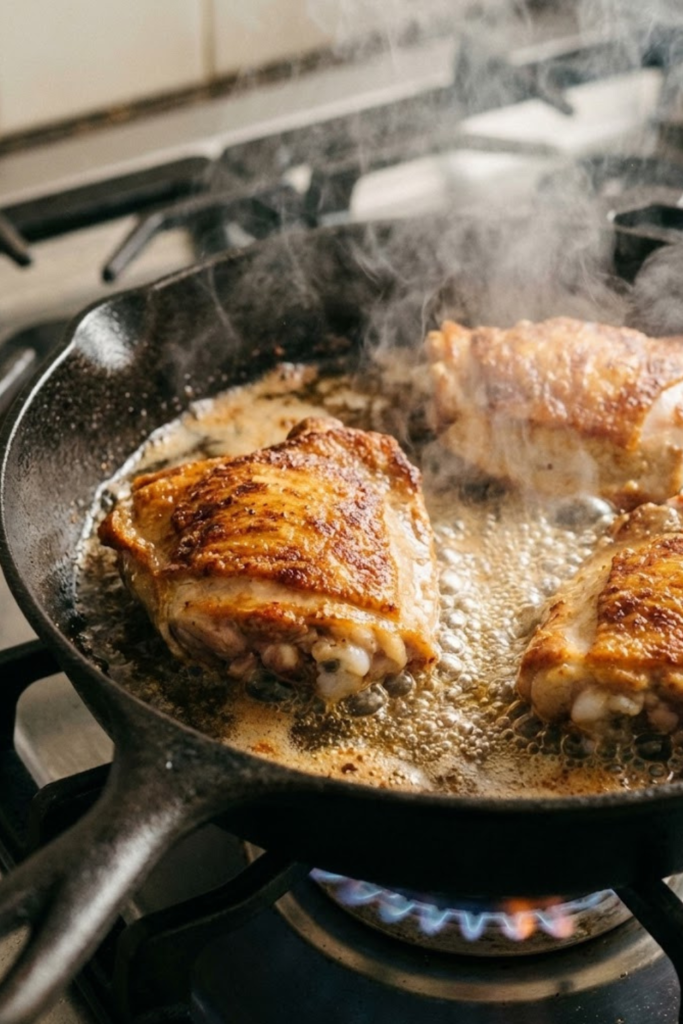
Place your pan on the burner over medium-high heat. Add your oil and let it get hot. You know it’s ready when the oil shimmers and moves around quickly like water. If you see wisps of white smoke, you went too far—take it off the heat for a minute. When you lay the chicken in, it should hiss loudly. If it’s quiet, the pan isn’t hot enough, and you’re just gonna steam the meat.
Give Them Space
One of the biggest mistakes I made for years was trying to cook the whole family pack of chicken at once. I would jam six thighs into one skillet like sardines in a can.
Here is what happens when you do that: the temperature of the pan drops like a rock. Instead of searing, the chicken releases moisture, and suddenly it is boiling in its own juices. You end up with grey, rubbery skin and a clean pan with no fond. Cook in batches if you have to. Give each piece an inch of breathing room.
The “Don’t Touch It” Rule
Once that chicken hits the pan, stop. Do not touch it. Do not wiggle it. Do not check underneath it after thirty seconds. This requires patience, which is hard when you are hungry.
If you try to flip the chicken and it feels stuck to the pan, it is trying to tell you something. It’s not ready. When the skin is perfectly crisp and golden brown, it will release from the metal naturally. Usually, this takes about 5 to 7 minutes per side. Let it do its thing.
Understanding the Fond
After you take the chicken out to rest, look at the pan. You should see a mess of brown stuff stuck to the bottom. It might look like you burned dinner, but you didn’t. That is the “fond.” As long as it is dark brown and not black, you are in business. If it is black and smells like charcoal, you had the heat too high, and you might have to wash the pan and start the gravy separately. But usually, those sticky bits are packed with concentrated savory flavor that will dissolve into your broth later.
The Art of Deglazing: Lifting the Brown Bits
So, you have taken the crispy chicken out of the pan and set it aside on a plate. Now look at your skillet. It probably looks a little messy. There are brown crusty spots stuck to the bottom and maybe some grease pooling in the corners. You might be tempted to wash it, but stop! That mess is actually the most valuable part of the meal. We are going to do something called “deglazing.”
It sounds like a fancy French term that requires a tall white hat, but honestly? It is just cleaning the pan with liquid instead of soap. This is the step that separates a boring dinner from a meal your family will talk about for days.
How to Do It Without Panicking
Here is the step-by-step. You take a cold liquid—usually chicken broth or white wine—and you pour it directly into that super hot pan. I need to warn you: it is going to be loud. It will hiss, sizzle, and send up a giant cloud of steam. It might startle you the first time. That is totally normal.
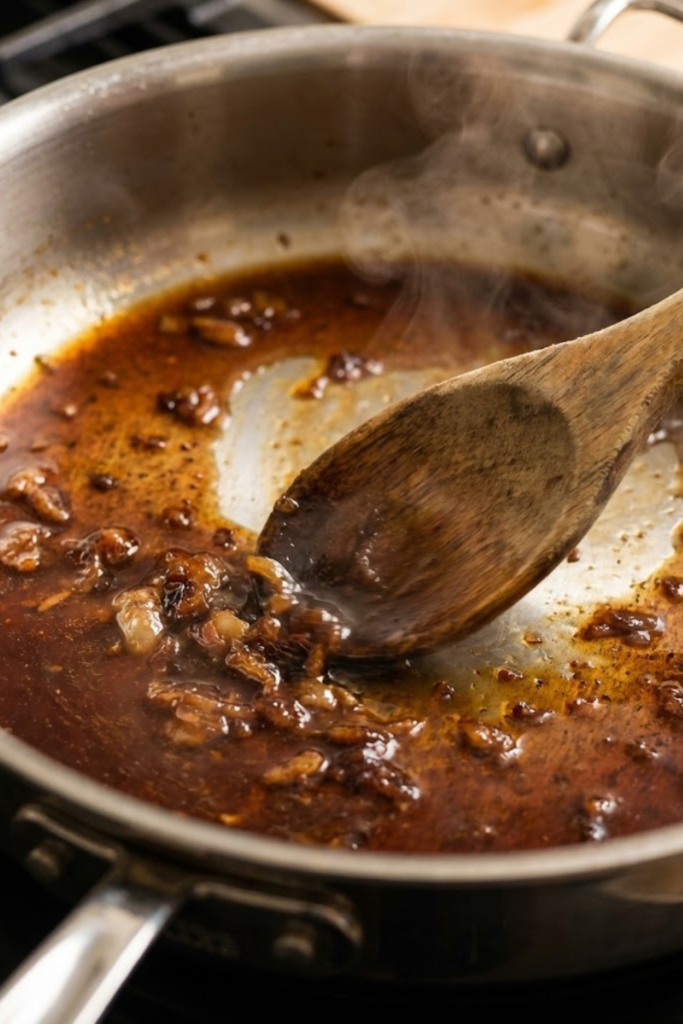
As soon as the liquid hits the hot metal, it loosens up all those caramelized bits (the fond) we talked about earlier. Those bits dissolve into the liquid and turn your clear broth into a deep, rich brown color instantly.
Use the Right Tool for the Job
While the liquid is bubbling away, you need to get to work. I always tell my friends to use a flat wooden spoon or a sturdy spatula for this part. A whisk is okay later, but right now, it is too flimsy. You really need to dig in and scrape the bottom of the pan hard.
Your goal is to get every single speck of brown stuff off the metal and into the sauce. If you leave them stuck there, they will eventually burn, and your gravy will taste bitter. You know you are done when you run your spoon across the bottom of the pan and it feels smooth, not bumpy.
Wine vs. Broth: What Should You Use?
People always ask me if they absolutely have to use wine. You definitely don’t. I personally like using a splash of dry white wine (like a Sauvignon Blanc) because the acidity cuts through the heavy fat of the chicken skins. It makes the gravy taste a little brighter and more restaurant-style.
However, if you don’t keep alcohol in the house or you are cooking for picky eaters, straight chicken broth works perfectly fine. It will give you a more classic, homestyle “Sunday roast” flavor.
The Importance of Reducing
Once you have scraped everything up, don’t rush to the next step. Let that liquid bubble on the stove for a minute or two. We call this “reducing.” It cooks out some of the water, making the chicken flavor much stronger. If you used wine, this step is super important to cook off the sharp alcohol taste. You generally want the liquid to reduce by about half. It requires a little patience, but trust me, the smell filling your kitchen will tell you exactly when it is ready.
Troubleshooting Common Homemade Gravy Mistakes
I want to be real with you for a second. Even after twenty years of cooking, I still mess up my gravy sometimes. Just last Thanksgiving, I got distracted talking to my aunt and ended up with a sauce that was way too salty. It happens! The good news is that almost any mistake can be fixed if you know a few little tricks. You don’t have to throw it out and start over.
Cooking is less about being perfect and more about knowing how to save the ship when it starts sinking. So, if your pan sauce looks weird or tastes off, take a deep breath. We can probably fix it right now.
Help! My Gravy is Lumpy
This is the number one complaint I hear. You add your flour, and instead of a smooth paste, you get little white gummy balls floating in your sauce. It is not appetizing. This usually happens if you add the flour too fast or if the liquid wasn’t hot enough.
If you see lumps, grab a whisk immediately and beat the sauce like you are mad at it. Sometimes that muscle power is enough to smooth it out. If that doesn’t work, don’t stress. Just grab a fine-mesh sieve (a strainer) and pour the gravy through it into a clean bowl. The lumps stay in the strainer, the smooth sauce goes in the bowl, and nobody has to know.
It’s Way Too Salty
This happens a lot if you use store-bought broth or if you let the liquid boil down too much. The water evaporates, but the salt stays behind and gets concentrated.
Please don’t try to add sugar to balance it out; that just tastes weird. Instead, try adding a splash of acid, like lemon juice or a tiny bit of vinegar. It sounds crazy, but the sourness tricks your tongue and hides the saltiness. Another trick is adding a tablespoon of heavy cream. The fat in the cream coats your tongue and mellows out the harsh salt flavor.
Too Thin or Too Thick?
If your gravy looks like brown water, it just needs more time. Let it simmer on the stove with the lid off. The longer it cooks, the thicker it will get. If you are in a rush, you can mix a teaspoon of cornstarch with cold water in a cup and stir that into the bubbling sauce.
If it is too thick—like pudding—that is an easy fix. Just whisk in a little more broth or even warm water until it loosens up to the texture you want.
The Grease Separated
Sometimes you might see a layer of oil floating on top of your sauce. This means the emulsion broke. Basically, the fat and the water stopped holding hands. Usually, just taking it off the heat and whisking it vigorously will bring it back together. If there is just too much grease, let it sit for a minute so the oil rises to the top, and then carefully spoon the excess oil off.
Serving Suggestions and Perfect Pairings
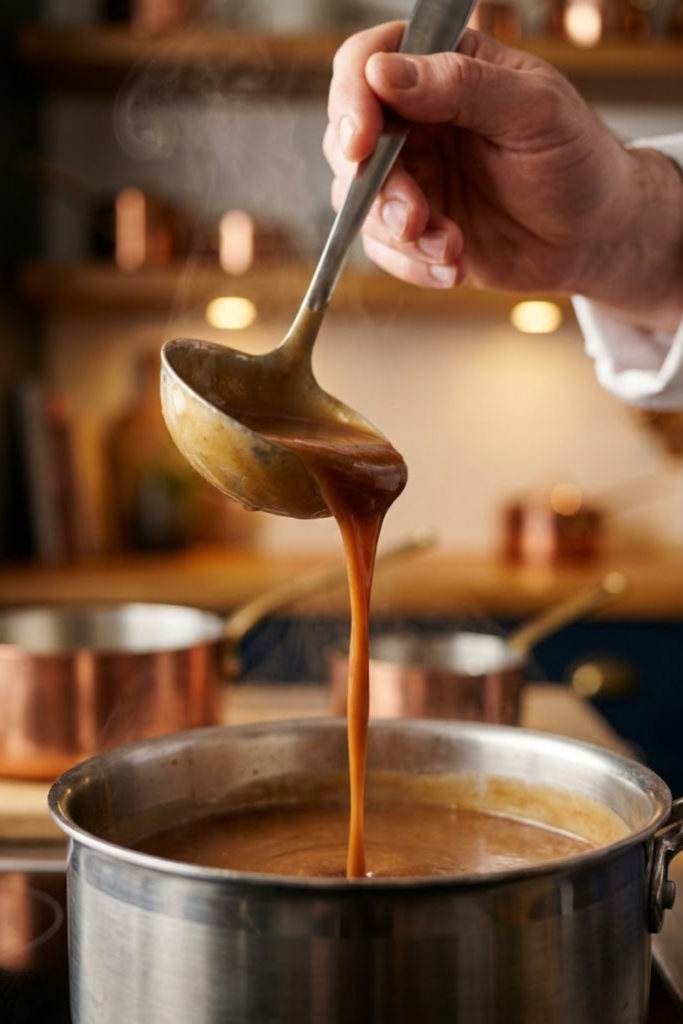
You have done the hard work. The kitchen smells amazing, the chicken is resting, and that pan sauce is looking glossy and rich. Now, we just have to figure out how to get it on the table. To be honest, this is my favorite part. You spent time building all that flavor, so you want to serve it with things that actually highlight your effort rather than hide it.
I have served this dish a hundred different ways over the years, but I always come back to a few classics. This isn’t the time for complicated side dishes. The chicken and gravy are the stars of the show, so keep the sides simple and comforting.
The Best Vehicles for Gravy
Let’s be real: the gravy is the main event here. You need something on the plate that acts like a sponge. My absolute favorite pairing is creamy mashed potatoes. I like to make a little well in the center of the potato mound and fill it up with the pan sauce. The smooth texture of the potatoes mixes with the salty gravy, and it is just perfect.
If you don’t feel like peeling potatoes, wide egg noodles are a fantastic second choice. They have all those little nooks and crannies that hold onto the sauce. And if you are really short on time? A big loaf of crusty sourdough bread is non-negotiable in my house. You need something to wipe the plate clean at the end of the meal. It is a shame to wash any of that flavor down the drain!
Balancing the Richness
Since this dish is pretty heavy with the chicken fat and the buttery sauce, you need something green to wake up your taste buds. I usually stay away from heavy casseroles here. Instead, think fresh and crisp.
Roasted green beans with a little lemon juice are excellent because the acidity cuts through the fat. Steamed broccoli is another easy winner. Sometimes, if I am feeling lazy, I just toss some mixed greens with a sharp vinaigrette. The cold, crunchy salad offers a nice contrast to the hot, savory chicken.
The Golden Rule of Plating
I learned this tip from a cooking show years ago, and it changed how my food looks. Do not pour the gravy directly over the chicken skin. I know, it looks good in cartoons, but in real life, it just makes that crispy skin you worked so hard for turn soggy and wet.
Instead, pour the gravy underneath the chicken or all over the potatoes. Keep the skin dry and crispy until the very last second when you take a bite.
The Finishing Touch
If you want to make your Tuesday night dinner look like it came from a fancy bistro, add a garnish. A sprinkle of fresh chopped parsley or chives adds a pop of bright green color that makes the brown gravy look appetizing. It takes two seconds, but it tells your family that you put love into the meal.
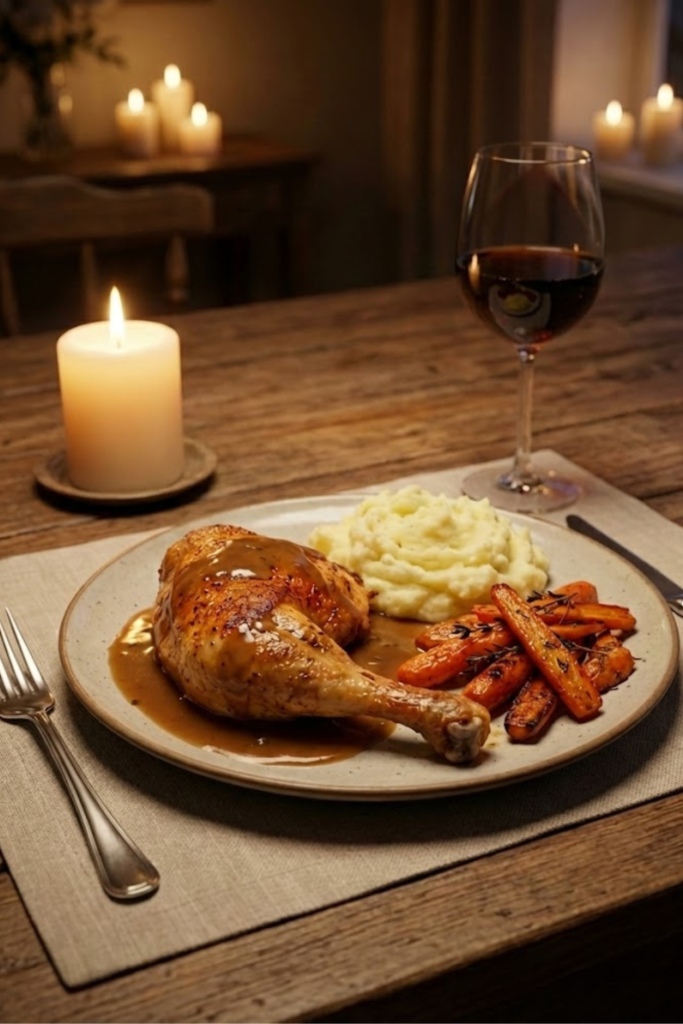
Making restaurant-quality chicken with pan gravy doesn’t require a culinary degree, just a little patience and a hot pan! I really hope this guide helps you conquer the kitchen this week. I know it can feel a little scary to try something new, especially when you are worried about ruining dinner. But honestly, once you understand the simple science behind the fond and the flour, it clicks.
You might not get it perfect the very first time. Maybe the gravy will be a little too thick or you might burn the garlic. That is totally okay. That is how we learn! I burned plenty of dinners before I got comfortable with this recipe. The important thing is that you made something from scratch for the people you care about. There is something really special about putting a hot meal on the table that you made with your own hands, lumps and all.
By following these steps, you will transform simple ingredients into a meal that warms the soul. It’s cheap, it’s delicious, and it uses one pan (so less dishes for you!).
If you found this guide helpful and managed to make a killer gravy tonight, I would love it if you shared this recipe on Pinterest. It helps other home cooks find these tips so they can enjoy the magic of homemade gravy too!