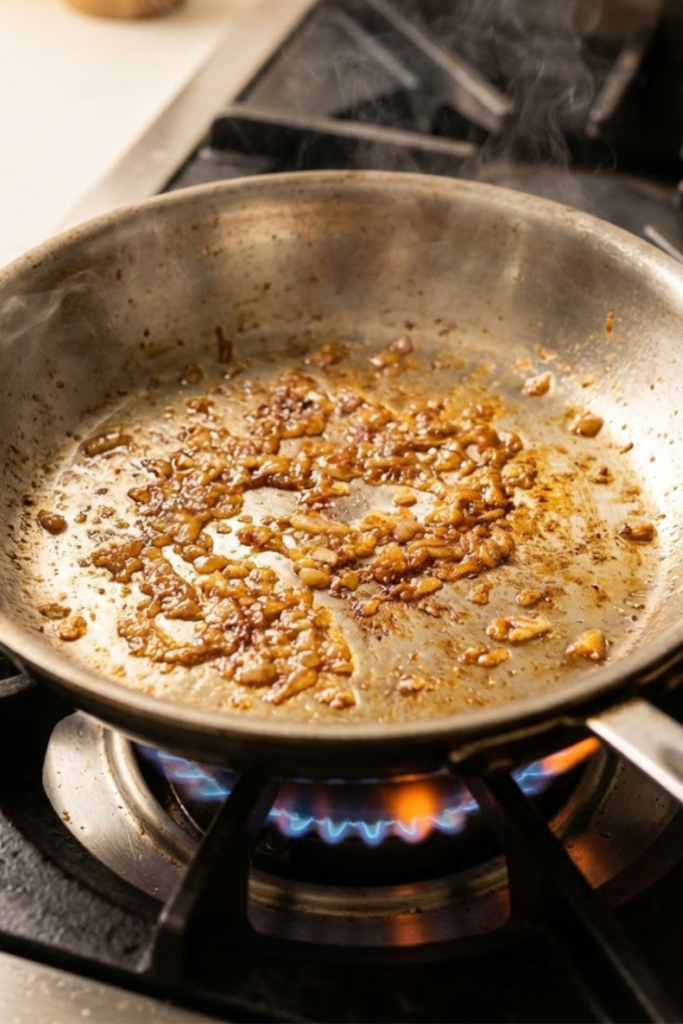
I’ll never forget the first time I realized that the brown, sticky mess at the bottom of my skillet wasn’t something to scrub away in frustration—it was flavor gold! We call it “fond,” and it’s the secret weapon that changes a boring dry chicken breast into a restaurant-quality meal.
Chicken with pan sauce is one of those dishes that sounds fancy but is actually incredibly humble. It’s fast. It’s cheap. And honestly? It’s forgiving. Whether you’re a total beginner or a home cook looking to sharpen your skills, this guide is going to walk you through everything. We aren’t just following a recipe here; we are learning a technique that will save your dinner over and over again! Ready to deglaze? Let’s get cooking.
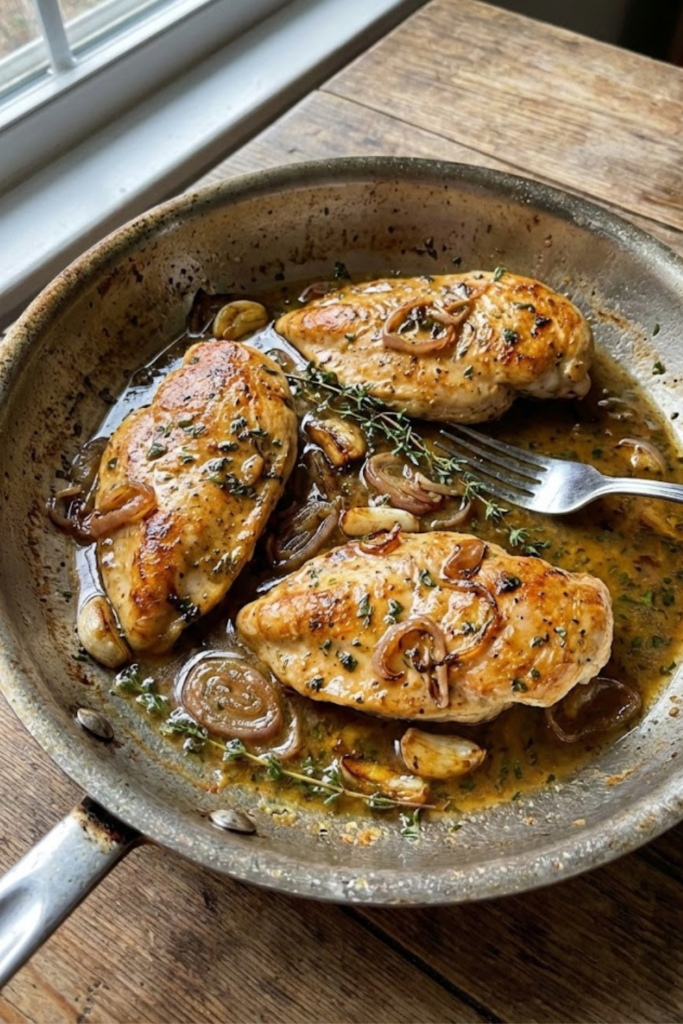
Ditching Non-Stick: Why You Need Stainless Steel
I have to admit something embarrassing. For the first ten years of my adult life, I cooked everything—and I mean everything—in a cheap non-stick pan I bought at a discount store. I thought I was being smart because cleanup was easy. But every time I tried to make chicken with pan sauce, the sauce was weak and the chicken looked pale and sad. I blamed the recipe, but the problem was actually my equipment.
If you want that rich, deep flavor, you have to break up with your non-stick skillet for this meal. The whole point of a pan sauce is to dissolve those sticky, brown bits of food left on the bottom of the pan after you sear the meat. Chefs call this “fond.”
Here is the thing about non-stick pans: they are designed specifically so nothing sticks to them. That is great for eggs, but it is terrible for flavor building. When you use a stainless steel skillet, the proteins and sugars from the chicken fuse to the hot metal. This creates the fond. Without those stuck-on bits, your sauce has nothing to grab onto. It’s just hot broth.
I remember the first time I switched to a stainless steel pan. I panicked because the chicken stuck to the bottom immediately. I thought I ruined dinner! But I learned that if you just wait, the meat releases on its own when it’s perfectly seared. It was a total game changer for my cooking.
So, go check your kitchen cabinets. If all you have is Teflon, you might want to grab a stainless steel or cast iron pan before you start this recipe. It doesn’t have to be a fancy, expensive brand. Even a basic one will help you get that caramelized fond that makes the sauce taste like liquid gold. Trust me, the extra minute of scrubbing during cleanup is worth it for the taste.
Also, stainless steel handles heat differently. It gets hot and stays hot, which gives you that nice golden crust on the chicken skin. If you are using a thin, flimsy pan, the heat drops as soon as the cold meat hits it, and you end up steaming your bird instead of searing it. Nobody wants soggy chicken.
Prepping and Searing the Chicken for Maximum Flavor
I used to rush this part so bad. I’d come home from work, tired and hungry, and just throw the chicken straight from the package into the pan. Big mistake. It would hiss and spit, but it never got brown. It just turned this weird gray color.
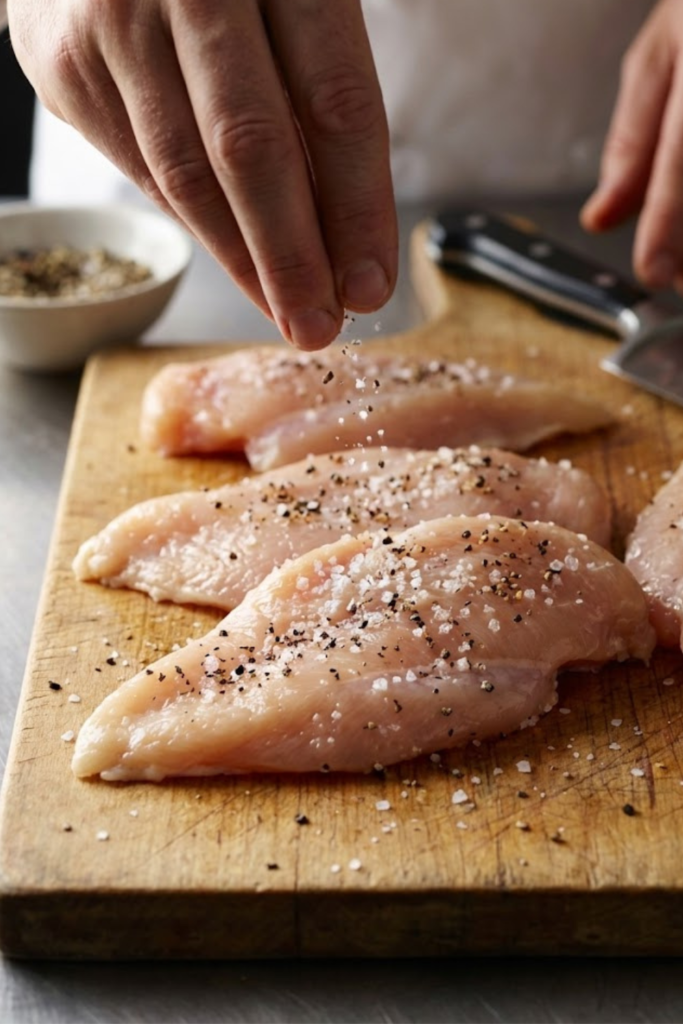
If you want that golden-brown crust, you have to do one thing first: dry the meat. I know it sounds like an extra step, but grab some paper towels and pat the chicken down. Get it really dry. Water is the enemy of browning. If the chicken is wet, it creates steam when it hits the pan. Steam means no crust.
Once it’s dry, I like to season it right away. Just good old salt and pepper is fine. Sometimes I get fancy with a little garlic powder, but you don’t need much.
Now, here is the hard part for me—patience.
Get your pan nice and hot with some oil. When you lay the chicken in, don’t touch it! I used to poke at it constantly, trying to see if it was burning. But you have to let it sit there.
“Let it ride,” my friend who cooks in a restaurant told me once.
If you try to flip it and it sticks to the pan, it’s not ready. It will release itself when it has a nice crust. Give it about 4 or 5 minutes on the first side. It’s hard to wait, but trust me, the flavor you get from that sear is worth it. That brown stuff on the chicken (and the bottom of the pan) is what makes the sauce taste amazing later.
The Magic of Deglazing and Aromatics
The first time I heard the word “deglaze,” I thought it was some complicated French technique I would never be able to pull off. I was wrong. It’s actually the easiest part of the whole process, and it’s where all the flavor lives.
Once you take the chicken out of the pan to rest, you are left with those brown bits we talked about earlier. Don’t turn off the heat! Toss in your minced shallots first. I love shallots because they are like a mix between onions and garlic, but softer. Let them cook for a minute until they look glassy.
Then, add the garlic. Please, learn from my mistakes—do not add the garlic at the same time as the shallots. Garlic burns so fast. If it turns black, it tastes bitter and ruins the whole sauce. I usually wait until the shallots are done, throw the garlic in, and count to thirty.
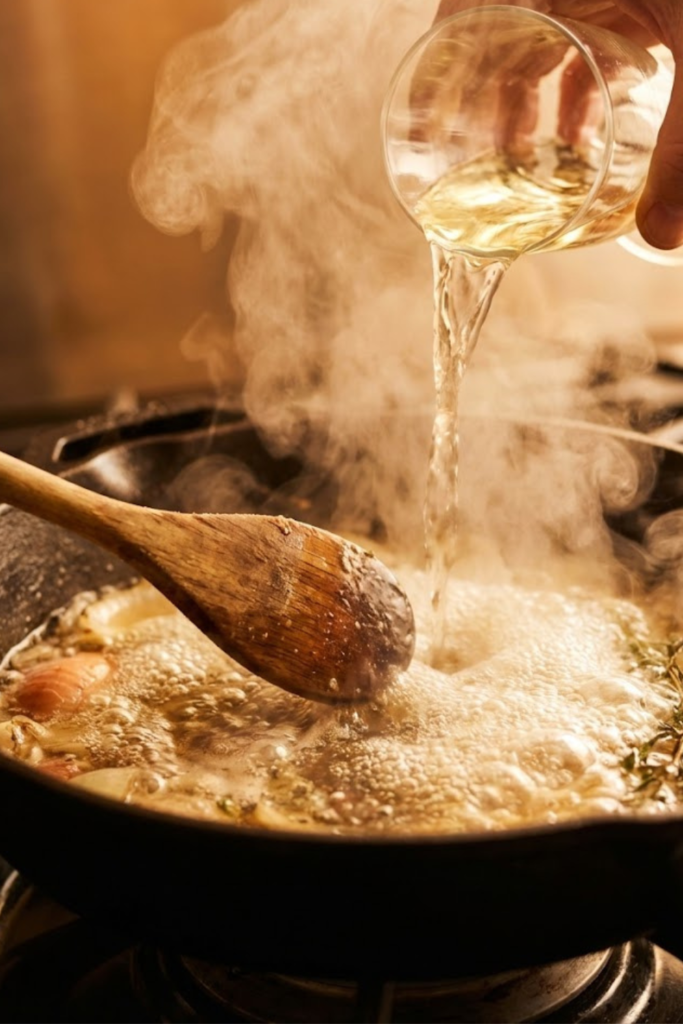
Now, pour in your liquid. I usually use a dry white wine because the acid cuts through the grease, but chicken broth works too.
It is going to hiss and steam like crazy. That is good! Take a wooden spoon and scrape the bottom of the pan hard. You want to mix all those stuck-on brown bits into the liquid. It turns the wine from a clear liquid into a rich, brown sauce. It smells incredible in the kitchen when you do this. My kids usually run in asking what smells so good right about now.
Finishing the Sauce: The Cold Butter Trick
Now that you have scraped up all that good flavor, you have to let the liquid cook down. This is the part where you have to watch the pan. If you serve it now, it will be watery and run all over the plate. You want it to be a real sauce.
Let it bubble for about three or four minutes. I use the spoon test to see if it is ready. Dip a metal spoon into the sauce and look at the back of it. If the sauce runs right off like water, keep cooking. If it coats the spoon and stays there, kind of like syrup, you are good to go.
Here is the secret weapon that makes it taste like restaurant food: cold butter.
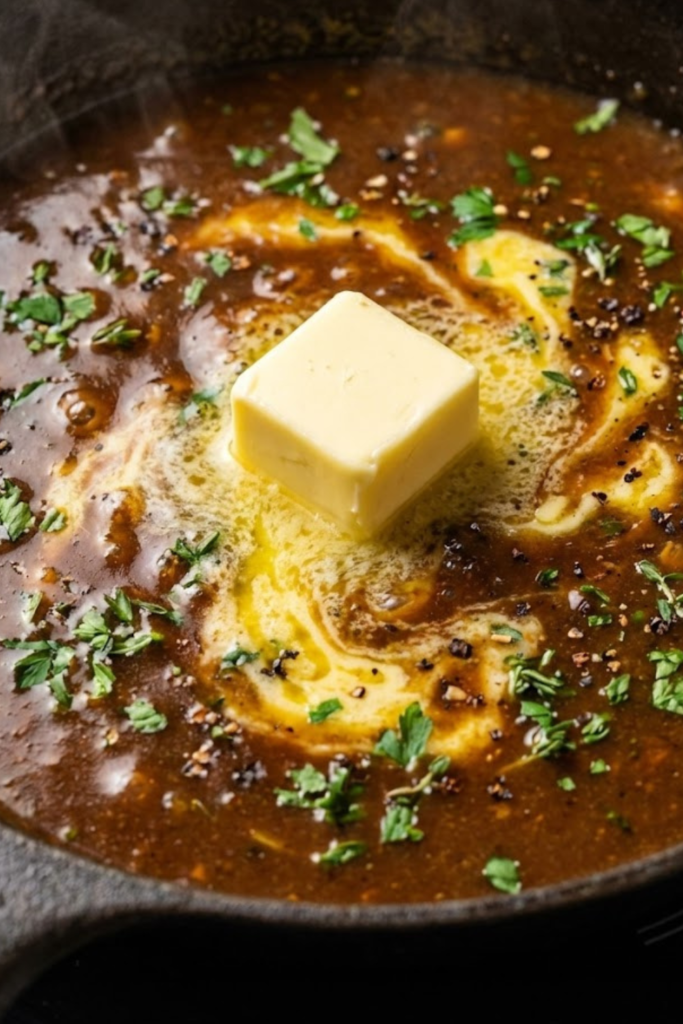
Turn off the heat. This is important—take the pan off the burner if you have an electric stove. Grab two cubes of cold butter from the fridge and drop them in. Don’t use melted butter! It has to be cold.
Whisk it fast while it melts. The cold butter mixes with the warm liquid and creates this glossy, thick texture. It shouldn’t look greasy; it should look creamy and shiny.
Before you pour it over that crispy chicken, taste it. Seriously, grab a spoon. Does it need a little more salt? Maybe a squeeze of lemon juice to wake it up? Trust your own tongue. If it tastes amazing to you, it’s ready to serve.
Also, if you have any fresh parsley or chives lying around, chop them up and throw them in right now for a nice pop of color. Just make sure you serve it right away because this kind of sauce doesn’t like to be reheated later. I always pour the extra sauce over my mashed potatoes or rice because it is honestly too good to waste on just the meat. It really ties the whole dinner together and makes you look like a total pro in the kitchen.
Making chicken with pan sauce has totally changed how I cook dinner. It isn’t just about following a recipe card; it’s about learning how heat and flavor work together. Once you get the hang of using a stainless steel pan and scraping up that fond, you can use this trick with pork chops or even steak. It is a real game changer.
I hope you give this a try tonight. Don’t worry if it isn’t perfect the first time. My first couple of tries were kinda salty, but I kept practicing. Now, my family asks for this almost every week. It’s fast, cheap, and tastes way better than takeout.
If this helped you out, please pin this to your “Weeknight Dinners” board on Pinterest. It helps other home cooks find these tips and save their dinner too!