Let’s be honest, we’ve all had those days where the fridge is full of produce, but the motivation to cook a complex meal is at absolute zero. I’ve been there! But you don’t have to sacrifice flavor for convenience. This chicken with roasted vegetables recipe is the answer to your weeknight prayers! It’s savory, it’s vibrant, and best of all, it leaves you with barely any dishes to wash. Did you know that sheet pan dinners have seen a massive resurgence in 2026 simply because they save time without cutting corners on nutrition? Let’s dive into this crispy, caramelized goodness!
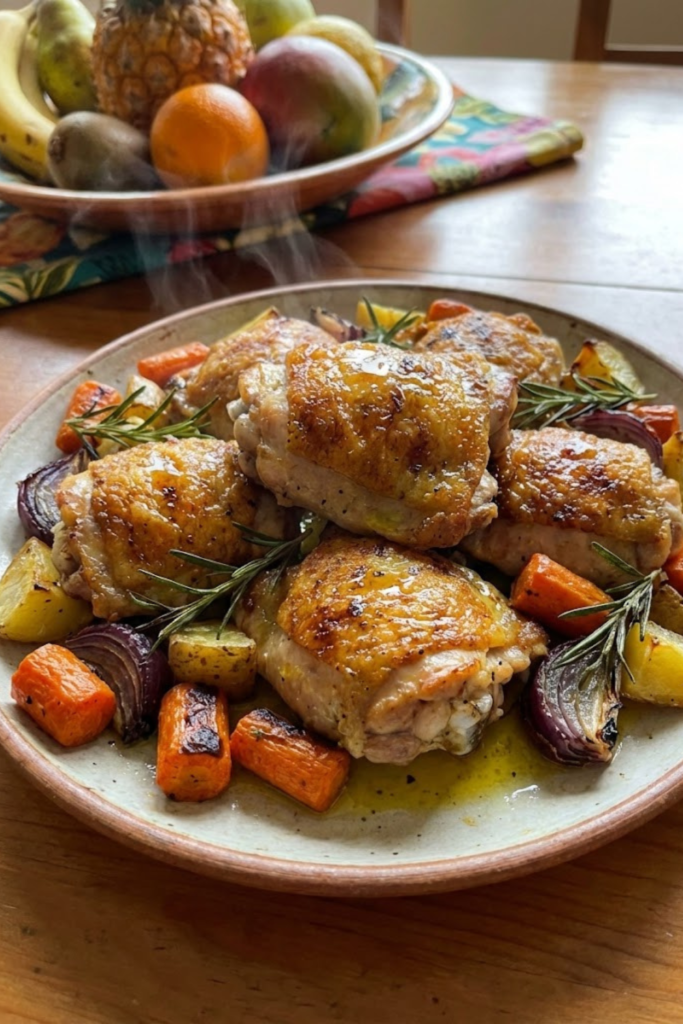
Choosing the Best Chicken Cuts for Roasting
When you walk into the grocery store, the meat aisle can be a little confusing. There are so many options! I used to just grab a pack of boneless skinless breasts because that is what everyone says is healthy. But let me tell you, for a sheet pan meal, that is usually a recipe for dry, chewy meat. If you want that perfect dinner where the meat pulls right off the bone, you need to pick the right cut. It makes a huge difference in how the final dish tastes.
Go for the Dark Meat
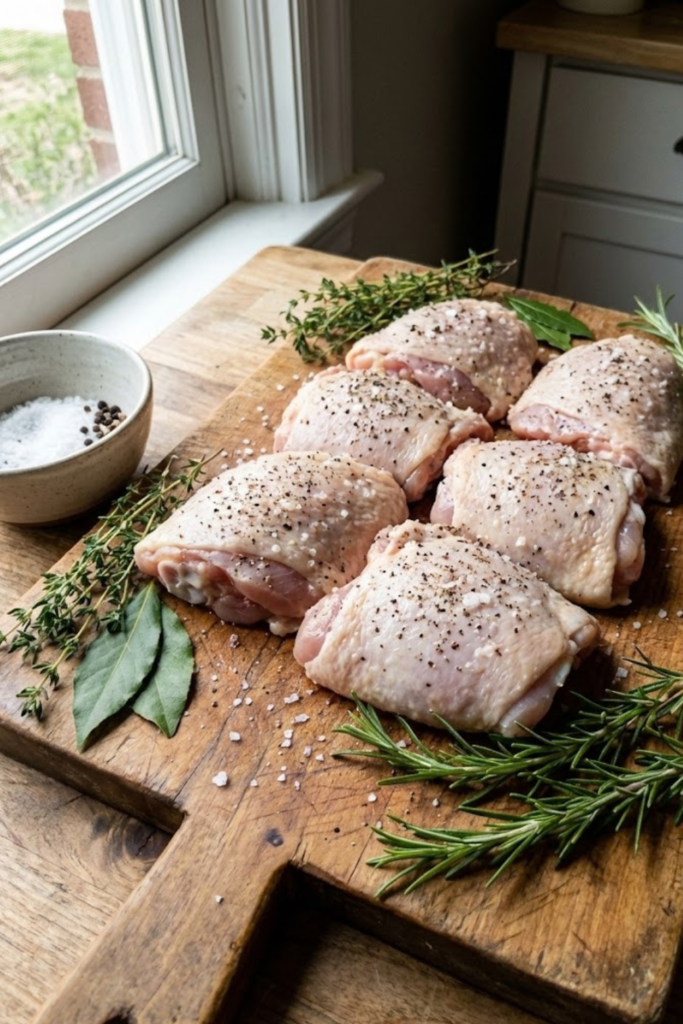
In my kitchen, chicken thighs are the absolute winner for roasting. Specifically, the ones with the bone still in. I know, bones seem annoying, but they actually help the meat cook evenly. Dark meat, like thighs and drumsticks, has a little more fat than breasts. This is a good thing! That fat renders down while it cooks, keeping the meat juicy even in a hot oven. Since we are roasting vegetables at the same time—and root veggies take a while—thighs are forgiving. They can stay in the oven for 40 minutes and still taste amazing.
The Trouble with Breasts
If you really prefer white meat, that is totally fine, but you have to treat it differently. Since chicken breasts are very lean, they dry out super fast. If you put a whole chicken breast on a tray with potatoes, the meat will be done way before the potatoes are soft. By the time the veggies are ready, your chicken might be tough. If you must use breasts, I suggest cutting them into large chunks so they cook a bit more evenly, or just adding them to the pan later than the vegetables.
Keep the Skin On
I always buy skin-on chicken for this recipe. You don’t have to eat the skin if you are watching your calories, but you should definitely cook with it on. It acts like a little protective blanket for the meat. It stops the heat from sucking all the moisture out of the chicken. Plus, when that skin gets golden and crispy with some salt and pepper? It is the best part of the meal.
Watch Out for Added Water
I try to look for “air-chilled” chicken if it’s on sale. A lot of cheaper chicken is pumped full of water to make it look bigger. When you put that in a hot oven, all that water comes out. Instead of roasting, your poor vegetables end up steaming in a puddle of chicken water. Nobody likes soggy carrots. Air-chilled meat shrinks less and browns much better, so it is worth the extra couple of dollars.
Essential Vegetables for the Perfect Sheet Pan
One of the best things about this meal is that you can pretty much use whatever is hanging out in your fridge. I hate wasting food, so if I see a bell pepper getting a little wrinkly or a half-bag of baby carrots, they go right onto the pan. But over the years, I’ve learned that you can’t just throw everything in at once and hope for the best. Some vegetables are tough, and others are delicate. If you want that perfect roasted texture where it’s crispy on the edges and soft in the middle, you have to have a plan.
Sticking with Root Vegetables
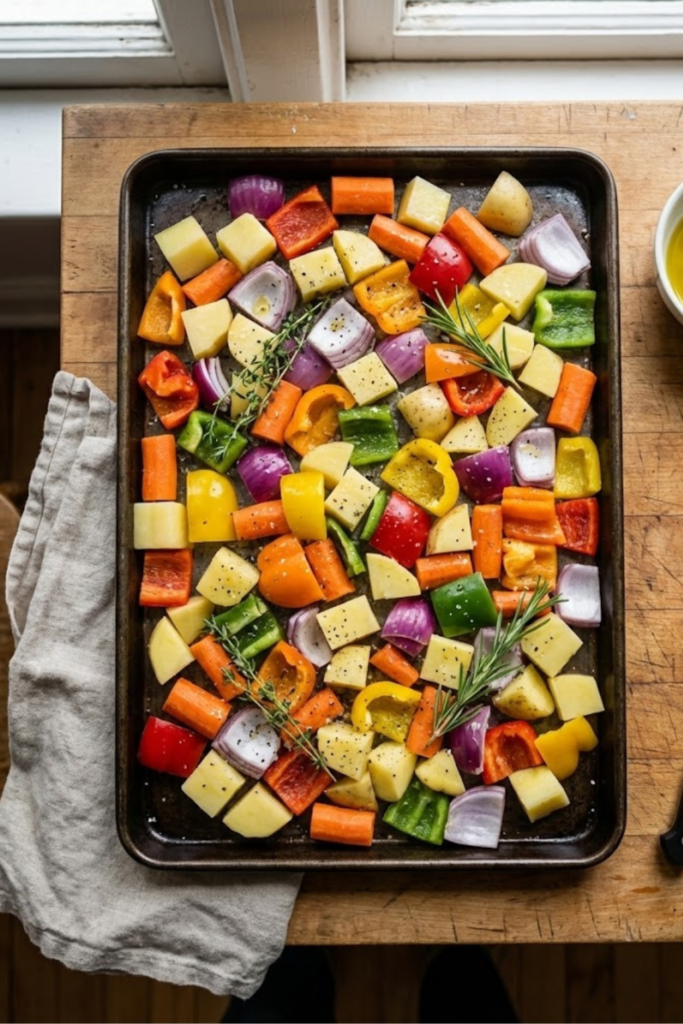
I almost always start with a base of root vegetables. Potatoes, sweet potatoes, carrots, and onions are the real MVPs here. They are dense, which means they take a long time to cook—usually about the same amount of time as bone-in chicken thighs. This makes life easy because you can put them in at the start and just forget about them. I like to cut my potatoes into 1-inch chunks. If you cut them too big, they will still be raw in the middle when the chicken is done. If they are too small, they burn. Try to keep them all roughly the same size so you don’t end up with some burnt bits and some raw bites.
Timing the Softer Stuff
Now, if you love things like zucchini, bell peppers, broccoli, or asparagus, you have to be careful. I used to throw these on at the beginning with the potatoes, and by dinner time, they were total mush. My kids refused to eat them. These veggies have a lot more water in them and cook way faster. The trick is to wait. Put your chicken and potatoes in first. Then, set a timer for about 20 minutes. When that beeps, pull the pan out and add your softer veggies to the mix. This way, everything finishes at the exact same time, and your broccoli still has a nice bite to it instead of turning into green slime.
The “Bowl Method” for Seasoning
I know it is tempting to just dump the veggies on the baking sheet and drizzle oil over them to save cleaning a dish. I’ve done it a million times. But honestly, the “bowl method” is worth the extra 30 seconds of cleanup. Put all your cut vegetables in a big mixing bowl first. Pour your olive oil and spices in there and toss it really well with your hands or a big spoon. This makes sure every single piece gets coated in flavor. When you just drizzle oil on the tray, some potatoes get drowned in oil and others get nothing, leaving them dry and cardboard-like.
Give Them Some Space
This might be the most important tip I can give you. Do not pile the vegetables on top of each other! If the pan is too crowded, the heat can’t circulate around the food. Instead of roasting, the vegetables will just steam in their own juices. Steamed veggies are fine, but they aren’t what we are going for here. We want those golden-brown, caramelized edges that taste so good. If you have too much food for one sheet pan, just grab a second one. Trust me, washing one extra pan is better than eating soggy vegetables.
Step-by-Step Instructions for Chicken with Roasted Vegetables
Now that we have our ingredients ready, it is time to actually cook. I love this part because once you put the pan in the oven, you are pretty much free to go do something else for a while. You don’t have to stand over the stove stirring a pot. But, there is a specific order to things if you want that professional-looking dinner where everything is cooked perfectly at the same time.
Getting the Heat Right
First things first, go turn your oven on. You want to set it to 400°F (200°C). I know a lot of baking recipes use 350°F, but for roasting, that is just too low. We want high heat. The high temperature is what makes the chicken skin get that nice crunch and turns the vegetables sweet and brown instead of just soft. If the oven isn’t hot enough, the chicken ends up looking kind of pale and sad. Make sure the oven is fully up to temperature before you slide the pan in.
Layering the Tray
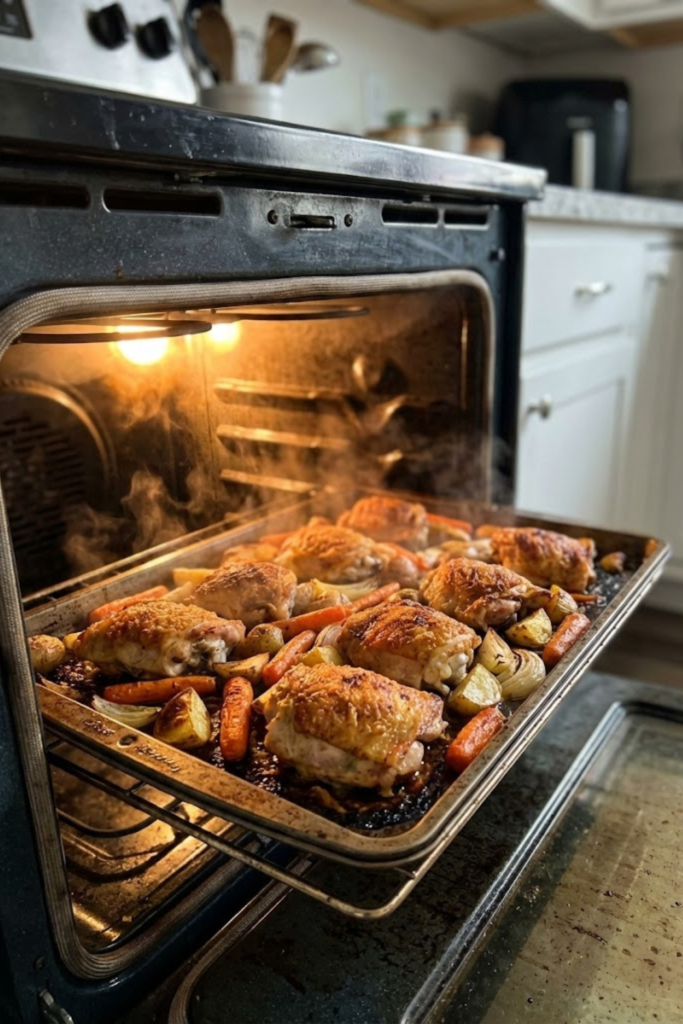
Grab your biggest rimmed baking sheet. I like to line mine with foil or parchment paper because I really dislike scrubbing pans later. Place your seasoned chicken thighs on the sheet first. Give them some distance from each other. Then, scatter your hard root vegetables (like potatoes and carrots) around the chicken. Try not to tuck them underneath the meat. If they are hiding under the chicken, they will soak up too much grease and won’t get crispy. Everything needs to touch the pan directly to roast properly.
The Roasting Routine
Pop the tray into the middle of your oven. Set a timer for 20 minutes. When the timer goes off, you have a little work to do. Open the oven and pull the rack out carefully. Use a spatula to give the vegetables a good toss. This helps them brown on all sides so you don’t end up with one burnt side and one raw side. If you decided to use softer veggies like peppers or zucchini, this is the moment to add them to the pan. Slide it all back in and set the timer for another 15 to 20 minutes.
How to Know It’s Done
Please, do yourself a favor and get a digital meat thermometer. It takes all the guessing out of cooking. You can’t just look at the chicken and know if it is done inside. Stick the thermometer into the thickest part of the meat, but try not to hit the bone. You are looking for a reading of 165°F (74°C). Once it hits that number, take the pan out immediately. Let the chicken rest on the counter for about 5 to 10 minutes before you serve it. This lets the juices settle back into the meat so they don’t run all over your plate when you cut into it.
Seasoning Variations to Spice It Up
Eating the same thing every week gets old pretty fast. I know if I serve plain salt-and-pepper chicken two nights in a row, my family starts looking at the takeout menus. The cool thing about roasting chicken and veggies is that the method stays the same, but you can change the whole vibe just by swapping out a few jars from your spice cabinet. I have a few “go-to” flavor combos that I rotate through depending on my mood.
Lemon Herb: The Fresh Classic
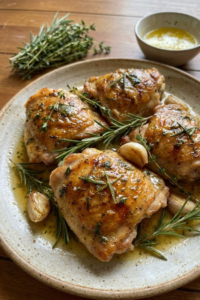
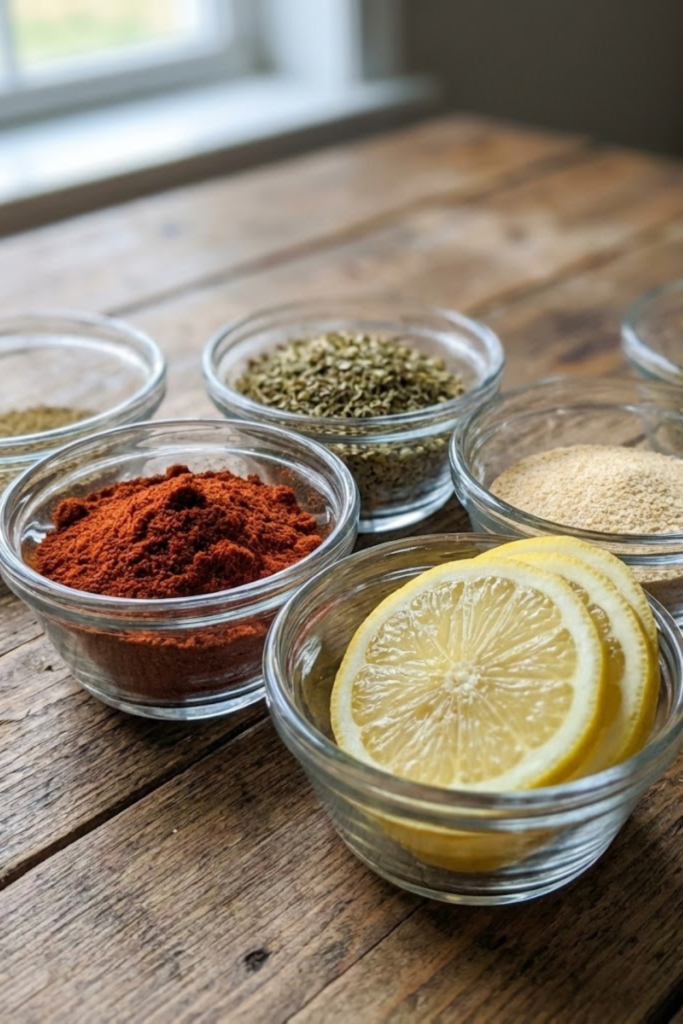
This is probably the one I use the most, especially in the spring. It just tastes clean and bright. I mix olive oil with a bunch of lemon juice and zest. Then I add rosemary and thyme. If you can get fresh herbs, do it—they make a huge difference. But honestly, dried herbs work fine too if that is all you have. I like to tuck the lemon slices right in the pan between the chicken pieces. The heat releases the juice, and it steams into the meat, keeping it super moist.
Garlic Butter: Pure Comfort
Sometimes you just need something rich and savory. For this, I skip the olive oil on the chicken and use melted butter instead. I mince up about four or five cloves of fresh garlic (don’t use the jar stuff here, it burns too easy) and mix it into the butter. Pour that over the chicken and potatoes before they go in. As it roasts, the butter browns and gets this nutty flavor that is just incredible. Your whole house will smell amazing. Just keep an eye on it because butter burns faster than oil.
A Spicy Kick
If you are like me and enjoy a little heat, you have to try a smoky spice rub. I use smoked paprika as the base—it gives the chicken this deep red color that looks like it came off a grill. Then I add onion powder, cumin, and a pinch of cayenne pepper or red pepper flakes. It isn’t “burn your mouth” hot, but it wakes up your taste buds. This combo is really good if you are roasting sweet potatoes because the spicy and sweet mix together perfectly.
The Balsamic Glaze
This one feels a little fancy, but it is actually super simple. I toss the vegetables, especially if I am using carrots or onions, in a mix of olive oil and balsamic vinegar. The sugar in the vinegar caramelizes in the high heat and turns into a sticky, sweet glaze. It makes the vegetables taste like candy. I usually brush a little extra balsamic on the chicken during the last five minutes of cooking so it gets sticky but doesn’t burn to a crisp.
Storage and Meal Prep Tips
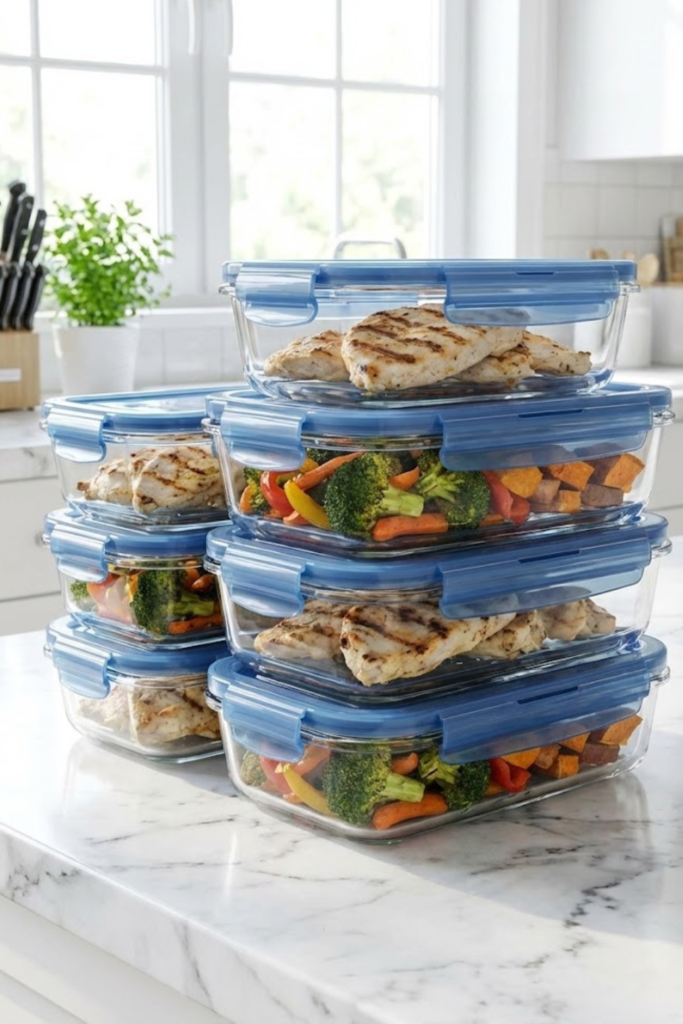
If you are anything like me, cooking every single night is just not happening. Between grading papers and driving kids to practice, I need meals that do double duty. That is why I love this chicken and vegetable recipe. It is honestly one of the best meals to prep on a Sunday because it holds up really well for the next few days. Having a healthy lunch ready to grab out of the fridge makes my mornings way less stressful.
Storing Leftovers Properly
Once you are done eating, don’t leave the food sitting out on the counter for too long. You want to get it into the fridge within two hours. I like to separate the chicken from the vegetables if I have the time. I store them in those glass containers with the locking lids. Glass is way better than plastic because roasted veggies with paprika or turmeric will stain your plastic Tupperware orange forever. I learned that the hard way! The leftovers will stay good in the fridge for about 3 to 4 days. If you haven’t eaten them by then, it is probably time to toss them.
The Best Way to Reheat
Okay, here is the truth. The microwave is convenient, but it is the enemy of crispy skin. If you zap your roasted chicken, the skin turns rubbery and the vegetables get kind of soggy. It still tastes good, but the texture changes. If you are at home, I highly recommend using a toaster oven or an air fryer to warm it up. Just 5 minutes at 350°F brings that crunch back. If you are at work and only have a microwave, try covering the container with a damp paper towel. It keeps the chicken from drying out while it warms up.
Can You Freeze It?
People ask me this a lot. The answer is yes and no. The cooked chicken freezes beautifully. You can take the meat off the bone and freeze it in a bag for up to three months. It is great for throwing into soups later. However, roasted root vegetables do not freeze well. Potatoes, specifically, get this weird, grainy texture when they thaw out. They become watery and spongy. So, my advice is to eat the veggies fresh during the week and only freeze the chicken if you really have to.
Turning Leftovers into Lunch
I actually get excited for leftovers because I use them to make completely different meals. I take the cold roasted chicken and shred it over a big green salad with some vinaigrette. The cold roasted veggies are actually really good in a salad too! Or, I will grab a tortilla wrap, throw in the chicken, some spinach, and a little cheese for a quick wrap. It beats a sad ham sandwich any day of the week. It feels like a fancy lunch, but it took zero effort.
Well, there you have it—a dinner plan that actually tastes good and doesn’t leave your kitchen looking like a disaster zone. This chicken with roasted vegetables recipe has saved me on so many Tuesday nights when I was just too tired to think about cooking a big meal. It is simple, it is healthy, and best of all, it fills you up without a lot of fuss.
Whether you are cooking for a hungry family or just trying to be better about bringing a real lunch to work, this meal works. It proves that you don’t need five different pots and pans to make something delicious. The combination of the juicy meat and the sweet, caramelized veggies is just hard to beat.
If you found this guide helpful, please don’t keep it to yourself! I would love for you to share this recipe on Pinterest so you can find it easily the next time you are stuck on what to make for dinner. If you try it out, tag us in your photos—I really love seeing what you guys create. Happy cooking!