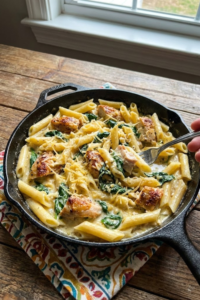
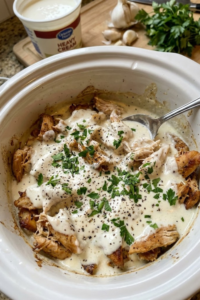
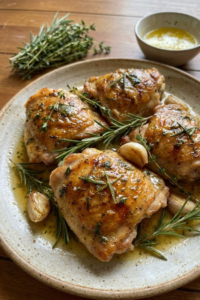
“I used to think chicken breast was destined to be dry, rubbery, and boring—boy, was I wrong!”. If you’ve ever choked down a piece of overcooked poultry, this guide is going to change your life. We are talking about melt-in-your-mouth tender meat infused with an incredible garlic butter sauce that you’ll want to put on everything!
In this article, we aren’t just tossing chicken in a pan; we are mastering the art of the pan-sear. Whether you are meal prepping for the week or looking for a quick healthy dinner, this garlic chicken breast recipe hits every single mark. Let’s get cooking!
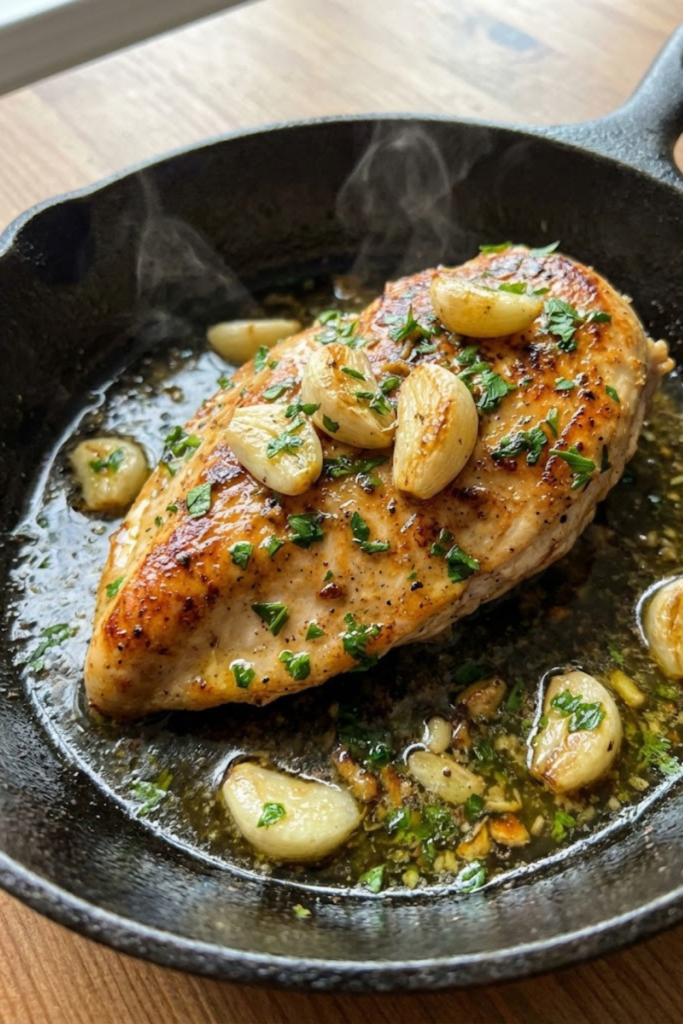
Selecting and Prepping Your Chicken for Success
I have to be honest with you. For a long time, my chicken dinners were pretty bad. My husband would poke at his plate and ask, “Is this chicken or a spare tire?” It was embarrassing.
I used to think all chicken was the same, but I was wrong. If you want that juicy, restaurant-quality garlic chicken breast, the magic actually happens before you even turn on the stove. Over the years, I learned that a few simple prep steps make a huge difference.
Pick the Right Meat
First off, stop buying those massive chicken breasts that look like they are on steroids. You know the ones I mean? They are huge and usually have a weird, rubbery texture called “woody breast.” No matter how you cook them, they taste chewy.
I try to buy smaller, organic breasts if I can. They are naturally more tender. If you are on a budget, just look for the packages with smaller pieces. They cook way more evenly.
Get Out Your Aggression
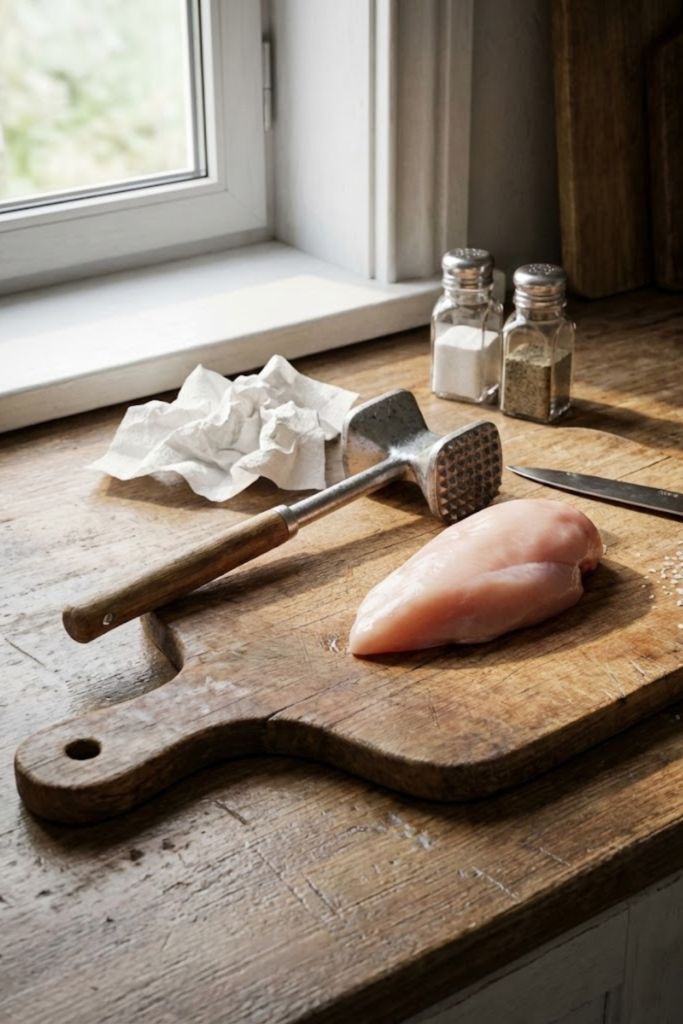
This is actually my favorite part of the process. You need to pound the meat flat.
Most chicken breasts are thick on one end and paper-thin on the other. If you cook them like that, the thin end turns into jerky before the thick end is safe to eat.
Here is what I do:
- Put the chicken on a cutting board and cover it with plastic wrap.
- Take a meat mallet (or a heavy rolling pin).
- Whack the thickest part until the whole piece is the same thickness, about half an inch.
It makes the chicken tender by breaking down the fibers. Plus, it relieves a lot of stress after a long day in the classroom!
The Paper Towel Rule
If there is one thing you remember, let it be this: moisture ruins a good sear.
I used to rinse my chicken (don’t do that, it spreads germs!) and toss it wet into the pan. It just steamed and turned gray. To get that golden-brown crust on your garlic chicken breast, the surface needs to be dry.
I grab a wad of paper towels and pat every inch of the meat until it’s tacky to the touch. This helps the salt and pepper stick much better.
Let It Sit Out
I never cook cold chicken anymore. If you throw a fridge-cold breast into a hot pan, the outside burns while the inside stays raw.
I usually pull my meat out and let it sit on the counter for about 15 to 20 minutes while I chop the garlic. Taking the chill off helps it cook through perfectly and stays juicy.
The Secret Garlic Herb Marinade Ingredients
Now that we beat the chicken flat (sorry, that sounds violent, doesn’t it?), we need to give it some flavor. Plain chicken is just… sad. I used to be scared of over-seasoning things, but I learned that poultry needs a lot of help to taste good.
You don’t need anything fancy from a specialty store. I get all this stuff at the regular grocery store on my way home from school.
Garlic Overload
This is called Garlic Chicken Breast for a reason. Do not be shy here! I see recipes calling for one clove of garlic. One? That is a joke.
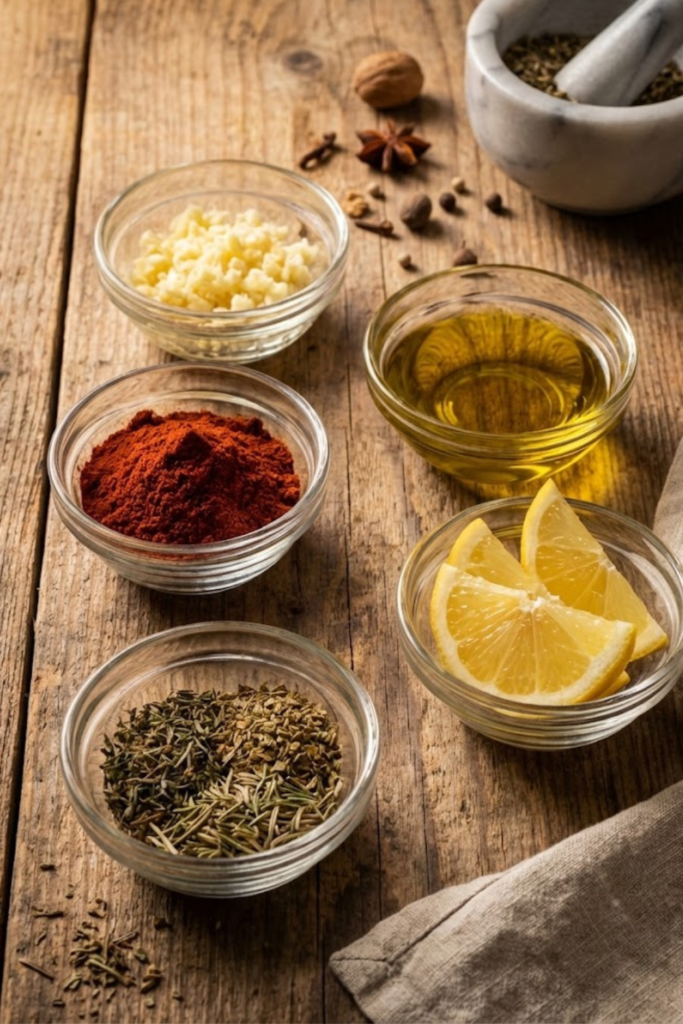
I use at least 4 or 5 cloves. And please, use fresh garlic if you can. I know the jar of minced stuff is easier when you are tired, but fresh garlic has a “bite” that really makes the dish pop. I mince it up really small so you don’t bite into a huge chunk. If you want even more flavor, sprinkle a little garlic powder on the meat too.
The Fat Mix
Here is a little science lesson for you. Butter tastes amazing, but it burns really fast in a hot pan. Olive oil handles heat better but doesn’t have that rich taste.
So, we use both. I sear the chicken in olive oil first to get it brown. Then, right at the end, I drop in a knob of butter to baste it. This gives you the best of both worlds—crispy edges and buttery flavor.
Herbs and Spices
You want the chicken to look appetizing, not pale. Here is my go-to mix:
- Italian Seasoning: It’s just a mix of oregano, basil, and thyme. Super easy.
- Paprika: This doesn’t add a ton of spice, but it gives the meat a beautiful reddish-golden color. Without it, the chicken looks kind of beige.
- Salt and Pepper: Use more than you think you need.
The Acid Kick
This sounds weird, but squeeze a little lemon juice on the raw chicken before you season it. The acid helps break down the meat just a tiny bit more so it’s super tender. You won’t really taste “lemon” at the end, it just brightens everything up.
Step-by-Step Guide to Pan-Searing Garlic Chicken
Okay, this is the part where everyone gets nervous. Cooking chicken on the stove can be tricky because you can’t see the inside. But if you follow these steps, you won’t mess it up.
I use a cast-iron skillet because it holds heat really well, but any heavy pan will work. Just don’t use a flimsy, thin pan or your meat will burn in spots.
1. Get the Pan Hot
Put your skillet on the stove over medium-high heat. Add your olive oil. You have to wait until the oil is shimmering.
I always do a little test: flick a tiny drop of water into the pan. If it sizzles and pops immediately, you are ready to go. If it just sits there, wait another minute. If the oil is smoking, turn it down!
2. The No-Touch Rule
Place your seasoned chicken breasts into the pan. You should hear a loud sizzle. If you don’t hear that sound, take the chicken out and wait for the pan to get hotter.
Once the chicken is in the pan, do not touch it.
This was my biggest mistake for years. I kept moving it around to check it. You need to let it sit undisturbed for about 5 to 6 minutes. This is how you create that golden brown crust. If you try to lift it and it sticks to the pan, it’s not ready. Let it be.
3. The Flip and Baste
When the chicken releases easily from the pan, flip it over. The first side should look beautiful and brown.
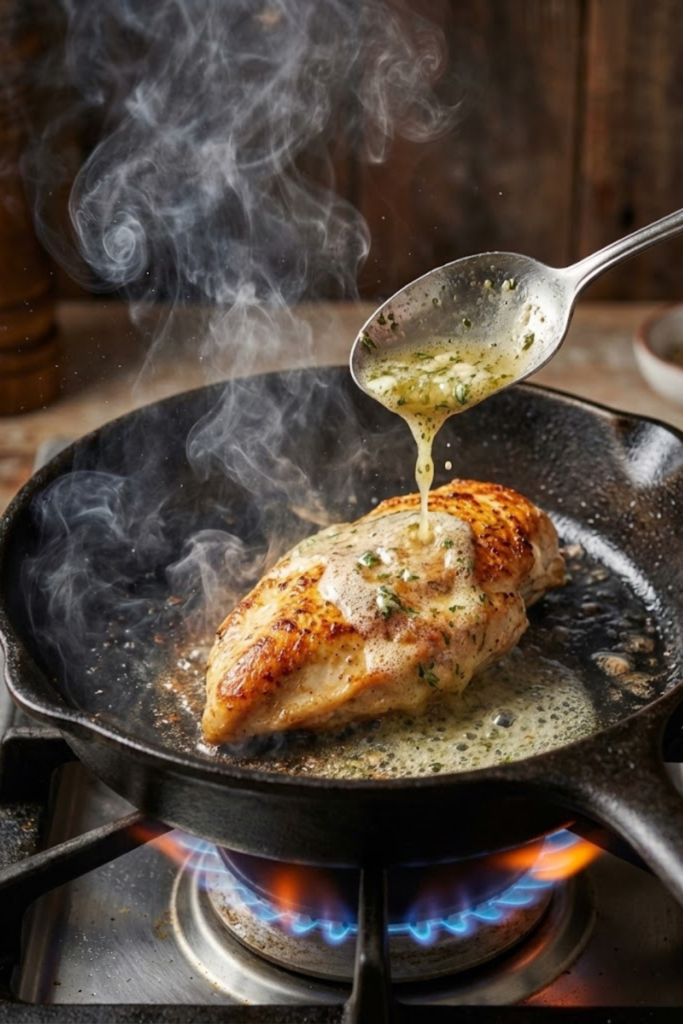
Now, turn the heat down to medium. This is where we add the magic. Toss in your butter and that minced garlic we chopped earlier. Let the butter melt and foam up.
Tilt the pan slightly and use a big spoon to scoop that hot garlic butter and pour it over the chicken. Chefs call this “basting.” It keeps the meat moist and cooks the garlic without burning it. Do this for another 4 to 6 minutes.
4. Stop Guessing, Use a Thermometer
Please, stop cutting into the chicken to see if it is pink! That just lets all the juice run out, and you end up with dry meat.
Buy a cheap digital meat thermometer. Stick it into the thickest part of the breast. You are looking for exactly 165°F (74°C). Once it hits that number, pull it off the heat immediately. The temperature will actually rise a little bit more as it rests.
That’s it. You just cooked restaurant-quality food in about 15 minutes.
Perfect Side Dishes to Serve with Garlic Chicken
Now that you have this amazing chicken, what do you put next to it? Honestly, I used to just throw some frozen peas in the microwave and call it a day. But this garlic chicken breast deserves better.
The sauce is basically liquid gold, so you want sides that either soak it up or help balance out the richness of the butter. Here is what I usually rotate through during the week.
Low Carb Options
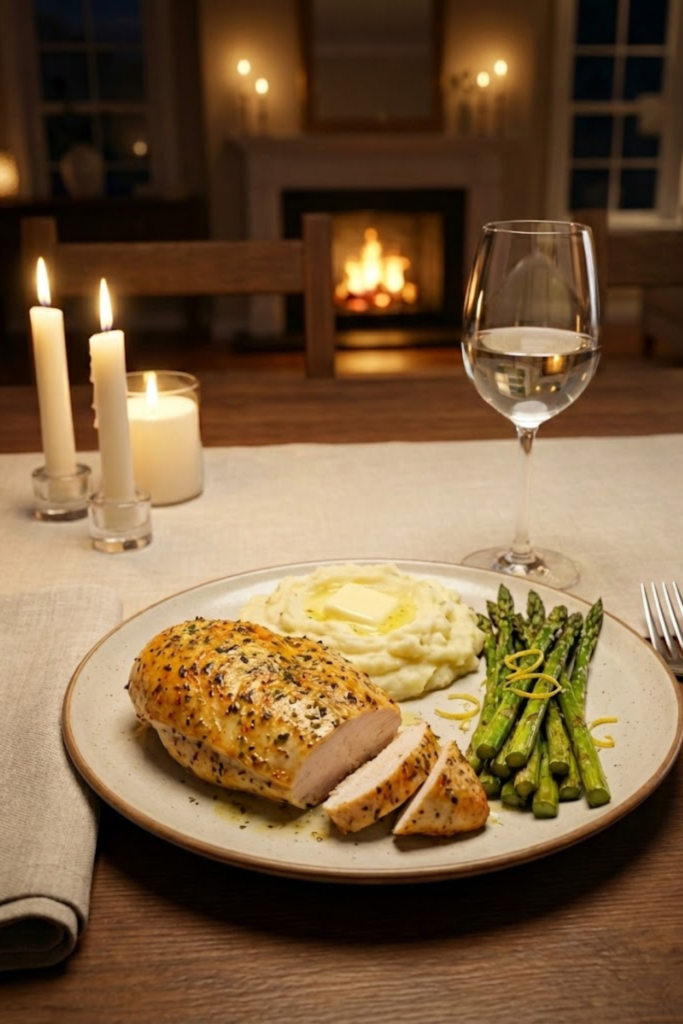
I try to be good during the school week so I don’t feel sluggish. If you are watching what you eat, roasted asparagus is my absolute favorite pairing. You can just toss it on a sheet pan with olive oil and put it in the oven while you cook the chicken on the stove.
- Cauliflower Mash: If you blend steamed cauliflower with cream cheese, it tastes almost like potatoes. It’s perfect for scooping up the extra garlic sauce.
- Zucchini: I slice these into coins and sauté them in the same pan after I take the chicken out. They pick up all the leftover flavor.
The Carbs (The Good Stuff)
Let’s be real, sometimes you just need comfort food.
- Mashed Potatoes: This is the winner. I like to serve the chicken right on top of a pile of mashed potatoes. The garlic butter drips down into the spuds and it is heaven.
- Rice or Pasta: If I’m in a rush, I make a pot of white rice. Or, boil some spaghetti. If you toss plain pasta in the pan drippings, you basically have garlic noodles. My family fights over who gets to lick the pan.
Something Fresh
Since this recipe uses a good amount of butter, the meal can feel a little heavy. I like to have something cold and crisp on the plate to balance it out.
A simple cucumber and tomato salad with a splash of vinegar does the trick. Or just a handful of mixed greens with a light dressing. You don’t need a fancy salad recipe; the chicken is the star of the show anyway.
Storage, Reheating, and Meal Prep Tips
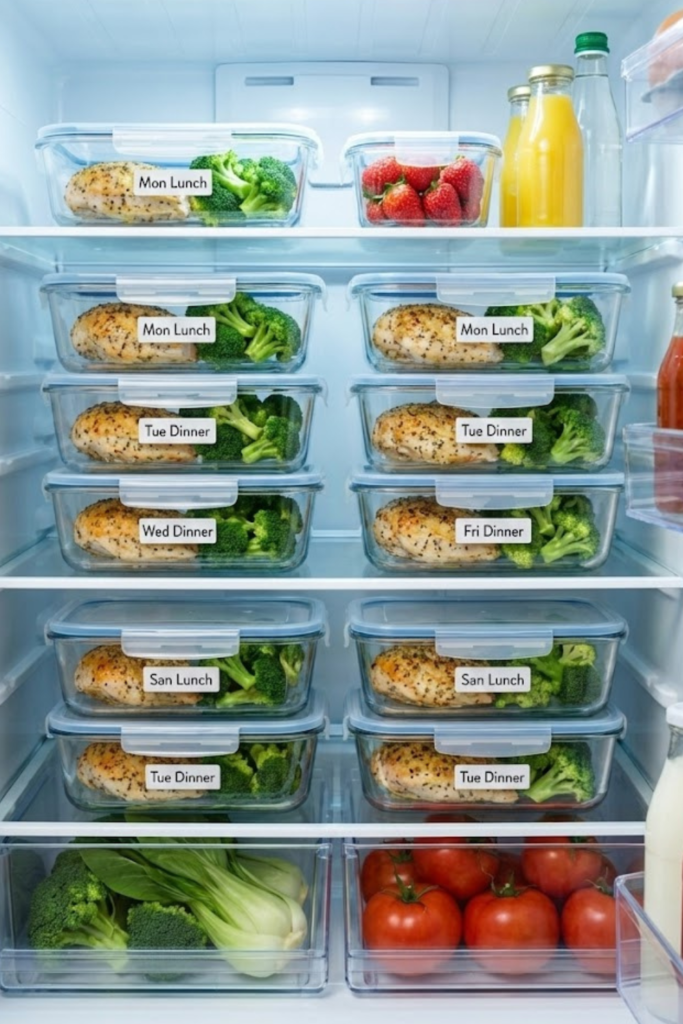
I am a teacher, which means I live for leftovers. If I can cook once and eat three times, I am a happy camper. This garlic chicken breast recipe is actually perfect for meal prep because it holds its flavor really well.
But, you have to store it right, or it will taste like “fridge” the next day. And nobody wants that.
In the Fridge
If you have leftovers (which is rare in my house), let them cool down completely before you put them away. If you put hot chicken in a Tupperware and seal it, it sweats and gets soggy.
I put my leftovers in an airtight container. They stay good for about 3 to 4 days. I usually slice the chicken before storing it so it’s ready to toss onto a salad for my school lunch.
Freezing for Later
Yes, you can freeze cooked chicken! This is a lifesaver for busy weeks.
- Let the chicken cool.
- Wrap each breast individually in plastic wrap.
- Put them all in a big freezer bag.
- Squeeze all the air out.
They stay good for about 3 months. When you want to eat one, just move it to the fridge the night before to thaw out slowly.
How to Reheat Without Ruining It
Okay, here is the truth. The microwave is where good chicken goes to die. It zaps the moisture out and makes it rubbery.
If you have to use the microwave (I get it, we are busy), here is my trick:
- Put the chicken on a plate.
- Add a teaspoon of water or chicken broth over the meat.
- Cover it with a damp paper towel.
- Heat it on 50% power. Do not blast it on high!
This steams the meat slightly so it stays juicy. If you are at home, it is way better to reheat it in a skillet on the stove with a little splash of water until it’s warm.
Leftover Ideas
If you don’t want to eat the same meal two days in a row, you can totally repurpose this meat. Since the flavor is mostly garlic and butter, it goes with almost anything.
- Chicken Salad: Chop it up cold and mix with mayo, celery, and a little dried cranberry.
- Wraps: Slice it thin and roll it up in a tortilla with cheese and lettuce.
- Pasta Bake: Cut it into cubes and toss it into a casserole.
There you have it—the only garlic chicken breast recipe you will ever need! By following these simple steps, you make sure that your dinner is packed with protein and exploding with savory flavor.
I really hope you try this. It took me years to stop making dry, sad chicken, but now that I know these tricks, I actually look forward to cooking poultry. It is fast, cheap, and honestly delicious. Don’t settle for dry dinner ever again.
Call to Action: Did this recipe make your mouth water? Don’t forget to share this pin on Pinterest to save it for your next grocery run!