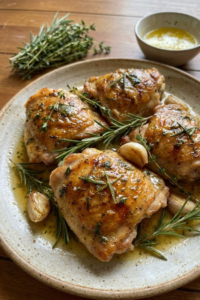
Let’s be real for a second—there is nothing sadder than dry, flavorless chicken! I’ve been there, staring at a rubbery piece of meat on my plate, wondering where it all went wrong. That is exactly why I am absolutely obsessed with pan seared chicken thighs. Unlike their finicky cousin, the chicken breast, thighs are the forgiveness cut of the poultry world. They are rich, flavorful, and almost impossible to mess up if you have the right technique.
Did you know that dark meat actually contains more zinc and iron than white meat? It’s true! Plus, that golden, crackling skin is practically a food group of its own. Whether you are a total beginner or a seasoned home cook, this guide is going to change your weeknight dinner game forever. Get your cast iron skillet ready, because we are about to make some magic happen in the kitchen!
Why Choose Chicken Thighs Over Breasts?
I remember years ago trying to cook boneless skinless chicken breasts for my family every week. I’d stand there watching the pan like a hawk, terrified to blink. If I looked away for two seconds, bam—dinner was dry, chewy, and pretty much tasted like cardboard. It wasn’t until I accidentally bought a pack of chicken thighs one busy afternoon that my cooking actually got better. Now, I barely ever look back. If you are still on the fence about switching to dark meat, here is why you should totally give it a shot.
The Flavor Is Just Better
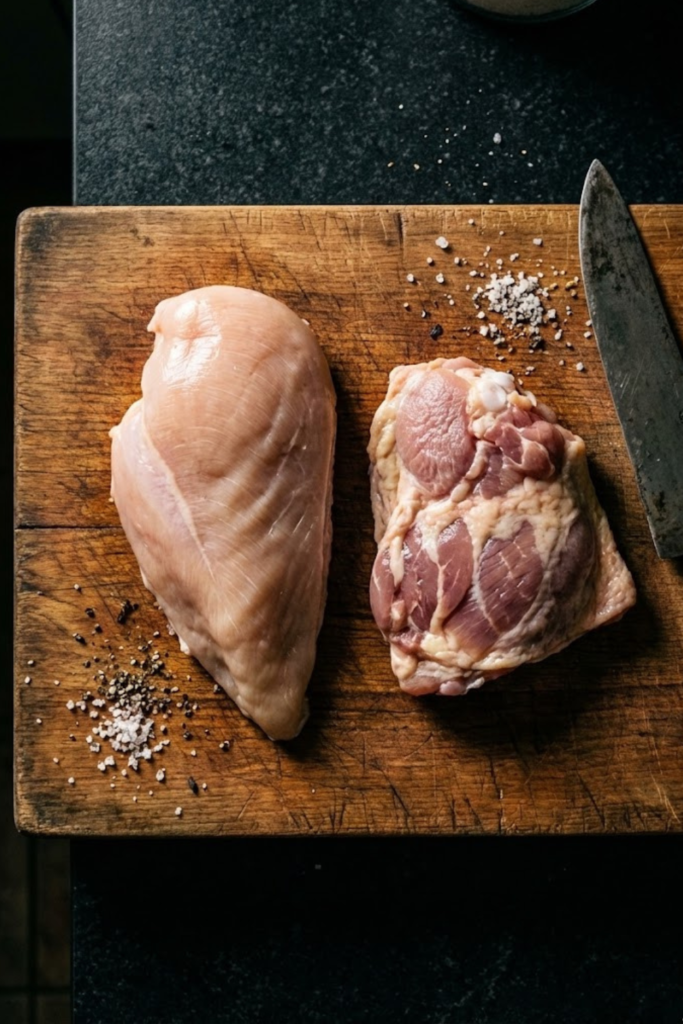
It is really all about the fat content. I know, we are often told to avoid fat, but in cooking, fat equals flavor. Because thighs are dark meat, they have a little more natural fat than lean breasts. When you pan sear them, that fat renders down (melts) and bastes the meat from the inside out. This keeps the chicken super moist and gives it a rich, savory taste that white meat just can’t compete with. You don’t need a bunch of fancy sauces to make them taste good. Honestly, a little salt and pepper is all you need to make them shine. White meat is okay, but it often tastes like nothing unless you marinate it for hours. Who has time for that on a Tuesday night?
Your Wallet Will Thank You
Let’s be real, feeding a family or even just yourself is getting expensive these days! I am always shocked when I look at the price per pound of chicken breasts compared to thighs at the grocery store. Thighs are almost always cheaper, especially if you buy them bone-in and skin-on. It is one of those rare times where the cheaper option is actually the tastier one. You can stretch your dollar further and still feel like you are eating a quality meal. I usually buy a big family pack and freeze what I don’t use for later.
They Are Way More Forgiving
This is the biggest reason I tell my friends to start with thighs. Chicken breasts are so finicky. If you overcook them by just a few degrees, they get stringy and tough immediately. But chicken thighs? They are incredibly forgiving. Because of that extra fat and the bone, they can handle high heat much better. If you get distracted helping with homework or the dog starts barking at the mailman, your dinner won’t be ruined. They stay juicy even if you leave them in the pan a minute or two too long. It takes a lot of effort to mess up a chicken thigh, which makes cooking dinner a lot less stressful.
The Skin Crisps Up Better
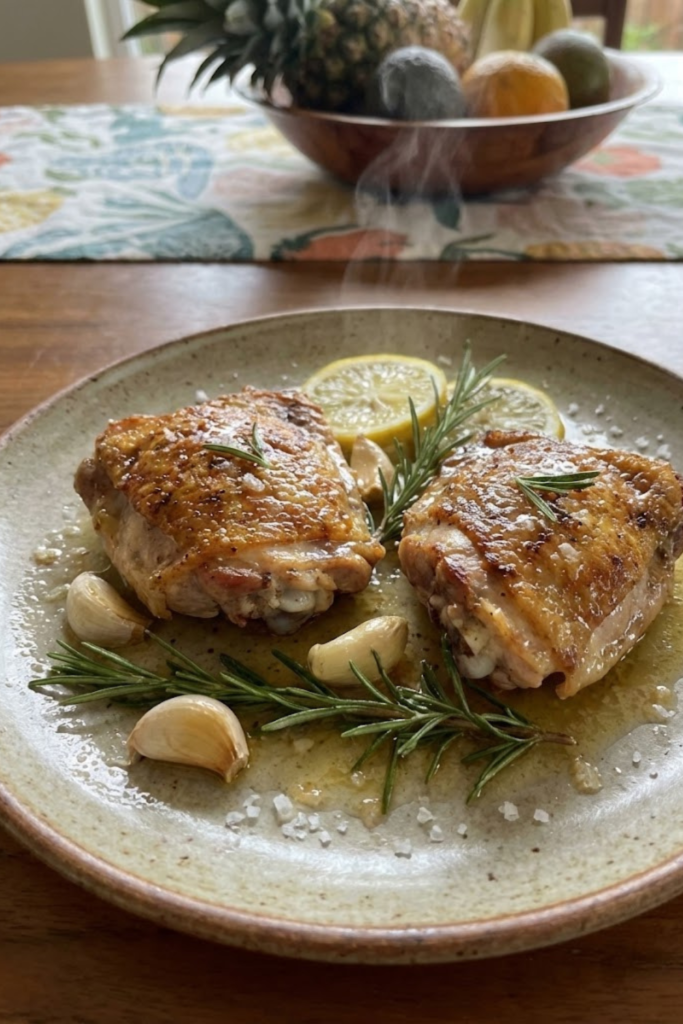
If you love that crunch, thighs are the winner. Because the skin on a thigh has a bit more fat underneath it than a breast does, it fries up in the pan beautifully. It gets thin, golden, and shatters when you bite into it. Breast skin often just gets rubbery or burns before the meat is cooked through. For that perfect pan-seared crunch, thighs are the only way to go.
Essential Ingredients for Flavorful Seared Chicken
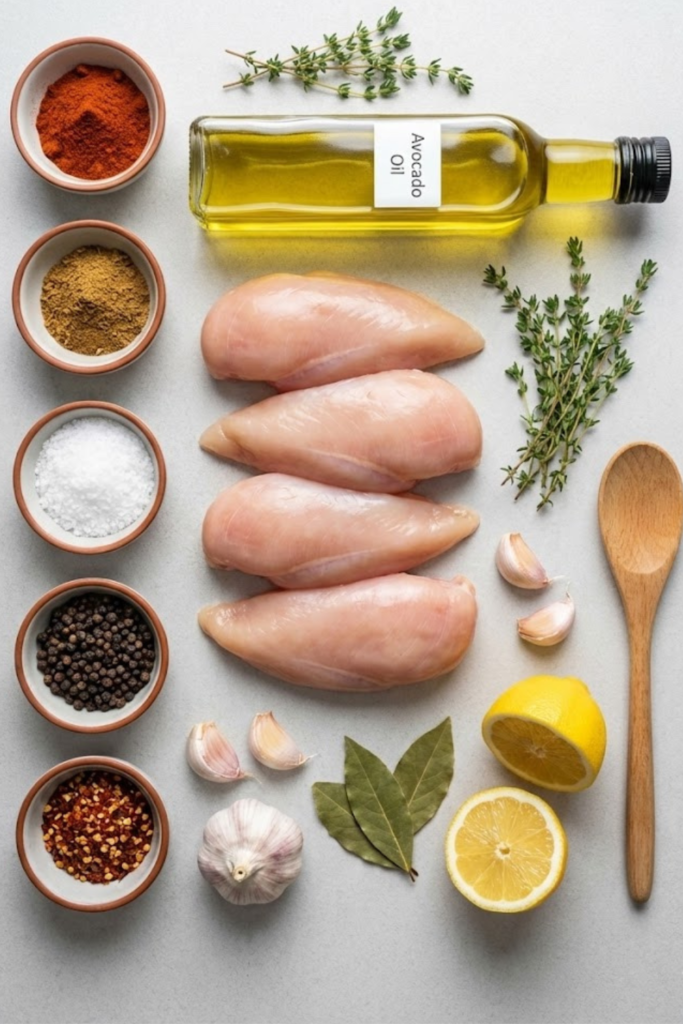
You really don’t need a huge shopping list to make this taste good. That is the beauty of it. I remember thinking I needed twenty different spices to make dinner taste “gourmet,” but honestly, simple is usually better. If you have fresh ingredients, the food does the talking. I keep these few staples in my kitchen so I can whip this up whenever I’m too tired to think hard about cooking. Here is exactly what you need to grab from the store to make this work.
The Right Kind of Chicken
First off, you have to pick the right meat. I always grab the bone-in, skin-on chicken thighs. I know the boneless skinless ones look easier to eat, but you lose so much flavor without the bone. Plus, we are here for that crispy skin, right? If you buy skinless, you miss out on the best part. The bone helps the meat cook slower so it stays tender. If you absolutely have to use boneless, it will still work, but it cooks way faster, so you have to be careful not to dry it out.
Oils and Butter
You need an oil that can handle heat. When we sear, we are getting that pan hot. I used to use extra virgin olive oil for everything, but my smoke alarm would go off every single time. It was so annoying and scared the dog. Now, I use avocado oil or just plain vegetable oil. They have a high smoke point, which means they don’t burn and turn bitter when the pan gets sizzling hot. But I don’t stop there. I always finish with a little knob of butter at the very end. The butter browns a bit and makes the sauce taste nutty and rich. It is a total game changer.
Seasonings and Herbs
Don’t overthink the spices. You need Kosher salt and plenty of it. I like the coarser grains because they help create a better crust than table salt. Fresh cracked black pepper is a must too. If I’m feeling fancy, I might add a little garlic powder or paprika for color, but you don’t have to. The real trick is using fresh aromatics at the end. I throw in whole cloves of fresh garlic (smash them a little first) and a few sprigs of fresh thyme or rosemary right into the hot butter. The smell will fill your whole house, and it makes the chicken taste like it came from a nice restaurant.
Selecting the Best Skillet for Crispy Skin
I used to think any old frying pan would do the job. I was wrong. I ruined a lot of good chicken before I figured this out. The pan you choose actually makes a huge difference in how the skin turns out. If you want that restaurant-style crunch, you have to be picky about your cookware. You don’t need to buy the most expensive gear, but using the right tool helps a lot.
Cast Iron Is My Absolute Favorite
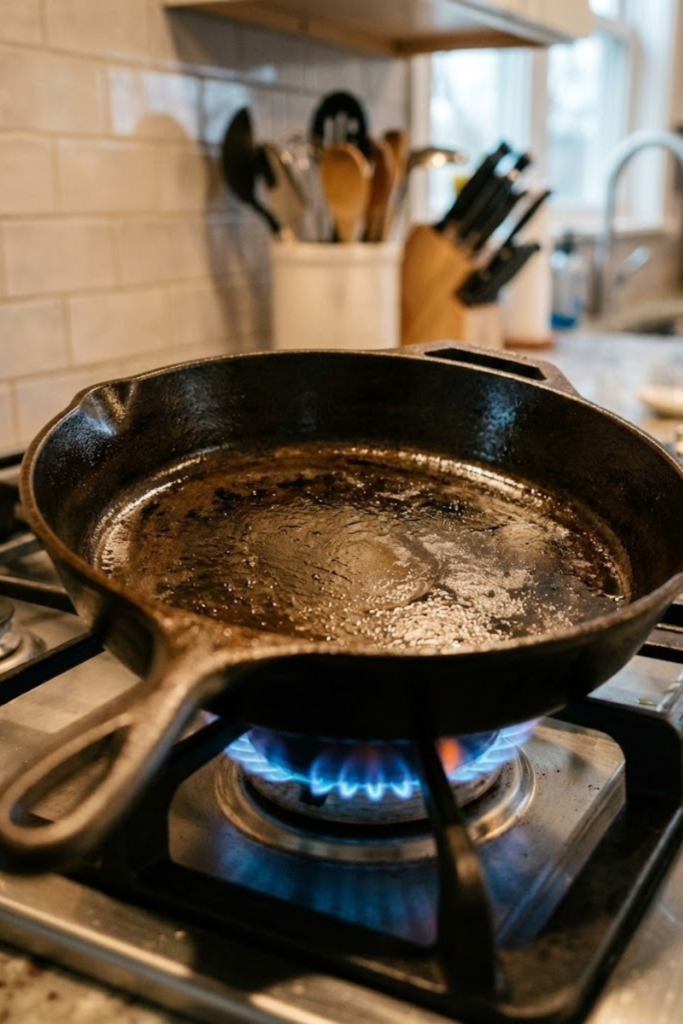
If you have a heavy cast iron skillet sitting in the back of your cupboard gathering dust, now is the time to pull it out. This is hands down my favorite tool for cooking chicken thighs. Cast iron gets hot and stays hot. When you drop that chicken in, skin side down, you want to hear a loud, angry sizzle. That heat doesn’t drop just because the meat is cold. That steady, high heat is what makes the skin turn into a golden, cracker-like crust. Plus, it goes right from the stove into the oven without melting any plastic handles. It’s tough. I’ve had my skillet for years, and it just keeps getting better the more I use it.
Stainless Steel Is a Good Backup
Maybe you don’t have cast iron, and that is totally fine. A stainless steel pan is your next best bet. It is not as naturally non-stick as a well-used cast iron, so you have to make sure you use enough oil so things don’t stick. The great thing about stainless steel is that it creates these little brown bits on the bottom of the pan. Chefs call this “fond,” but I just call it flavor. When you make a sauce later, those bits lift up and make everything taste amazing. Just check that the pan has a heavy bottom so it heats evenly. You don’t want hot spots burning one piece of chicken while the other one is still raw.
Please Skip the Non-Stick
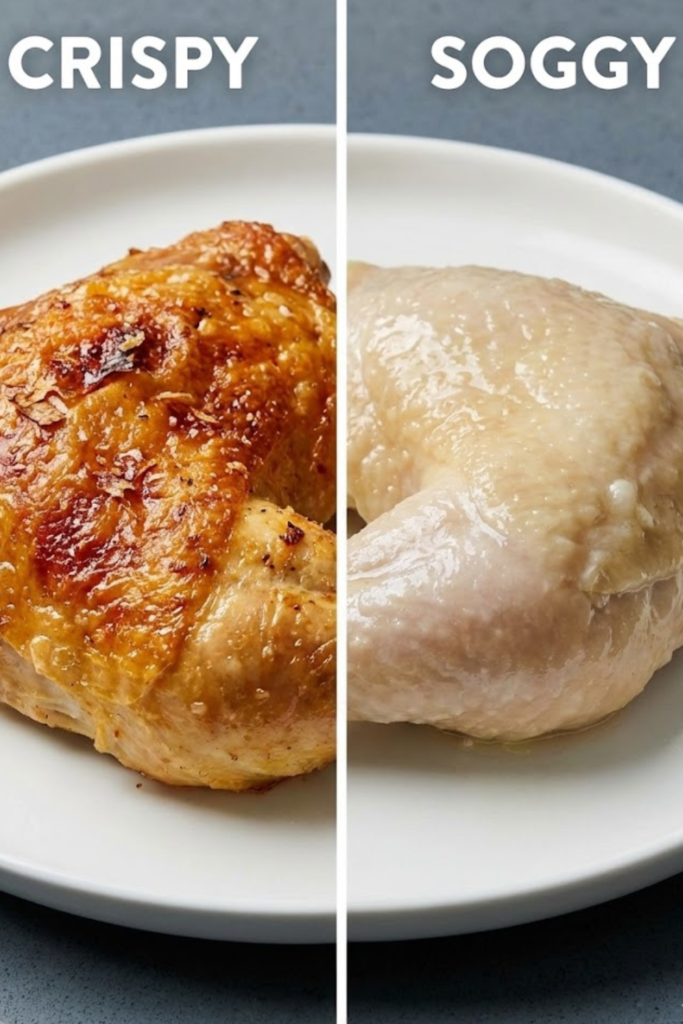
I know, non-stick pans are super easy to clean. I love them for my morning scrambled eggs because nothing sticks. But for searing meat? They are just not it. The coating on those pans usually shouldn’t be used with the high heat you need for a really good sear. Also, the surface is so slick that the chicken skin kind of slides around instead of gripping the pan and crisping up. You usually end up with pale, soft skin that is kind of chewy. Nobody wants that. If you want crunch, you have to ditch the coated pans for this recipe.
Give the Meat Some Space
Another mistake I used to make all the time was trying to cook the whole family pack at once. I’d jam five or six thighs into a medium pan like a puzzle to get dinner done faster. Big mistake. When the meat is packed that tight, moisture gets trapped between the pieces. Instead of frying, the chicken steams in its own juices. You end up with gray, soggy skin that slides right off. It is way better to use a really big pan, or just cook in two batches. It takes a few extra minutes, but the result is so much better. You want good airflow around each piece so the heat can do its job properly.
Step-by-Step Guide to Pan Searing Chicken Thighs
Okay, now that we have our groceries and the right pan, it is time to actually cook. I used to get so nervous handling raw meat, worried I would mess it up or give everyone food poisoning. But once I broke it down into these steps, it became second nature. It really is just a simple routine. Follow these directions, and you will look like a pro.
Prep Work Is the Most Important Part
If you take only one thing away from this whole page, let it be this: dry your chicken. I mean really dry it. I take a stack of paper towels and pat down every single thigh until the skin feels tacky and dry to the touch. If the skin is wet when it hits the pan, that water turns to steam. Steam is the enemy of crispiness. It makes the skin soggy instead of crunchy. Also, please don’t wash your chicken in the sink! Experts say it just spreads germs around your kitchen, and it adds unnecessary water to the meat. Just pat it dry and you are good to go.
Season It Like You Mean It
Don’t be shy with the salt. Chicken thighs are thick pieces of meat, so you need enough seasoning to flavor the whole bite, not just the surface. I sprinkle a heavy pinch of Kosher salt and pepper on both sides. I also like to lift the skin up gently and rub a little salt right on the meat underneath. This helps flavor the meat directly. Press the seasoning in with your hand so it sticks and doesn’t just fall off when you move it to the pan.
The Sear (Patience Required)
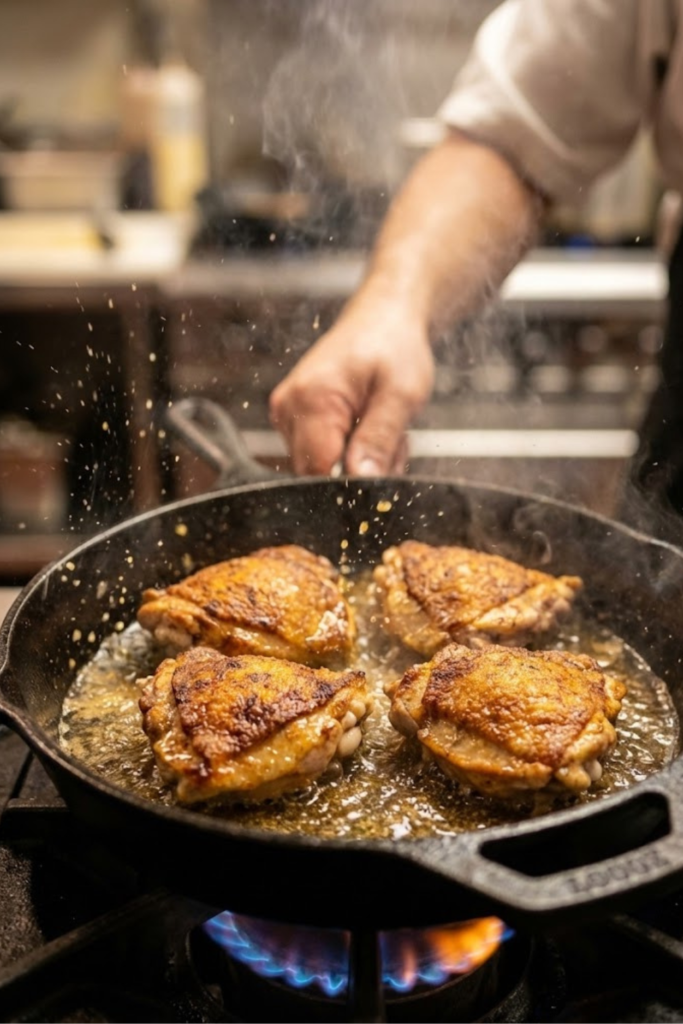
Heat your oil in the skillet over medium-high heat. You want it shimmering but not smoking like crazy. Place the chicken thighs in the pan skin-side down. You should hear a loud sizzle. If you don’t hear it, take the chicken out and wait for the pan to get hotter. Once the chicken is in, do not touch it. Seriously, step away. I set a timer for about 12 to 15 minutes. It feels like a long time, but you need this time to render out the fat and build that crust. If you try to move it too early, the skin will stick to the pan and tear. When it is ready, it will release naturally.
The Flip and Finish
Check the skin after about 12 minutes. Is it deep golden brown and crispy? Great. Flip the thighs over. The second side cooks much faster, usually about 5 to 7 minutes. This is the point where I turn the heat down to medium so I don’t burn the fond on the bottom of the pan. You want to cook it until the juices run clear. I always use a digital meat thermometer to check. You are looking for an internal temp of 165°F. Once it hits that number, take them out immediately and put them on a plate to rest. Resting lets the juices settle back into the meat so they don’t run out when you cut it.
Making a Quick Pan Sauce (The Secret Weapon)
For the longest time, I would take the chicken out of the pan, turn off the stove, and immediately throw the skillet in the sink to soak. I thought I was being efficient by cleaning up the mess right away. Turns out, I was washing away the best part of the meal! If you have ever wondered why restaurant chicken tastes so much more savory than what you make at home, this is usually the reason. A pan sauce sounds super fancy, like something you need a culinary degree for, but it honestly takes about three minutes and uses the mess you already made.
Don’t Scrub the Pan Yet
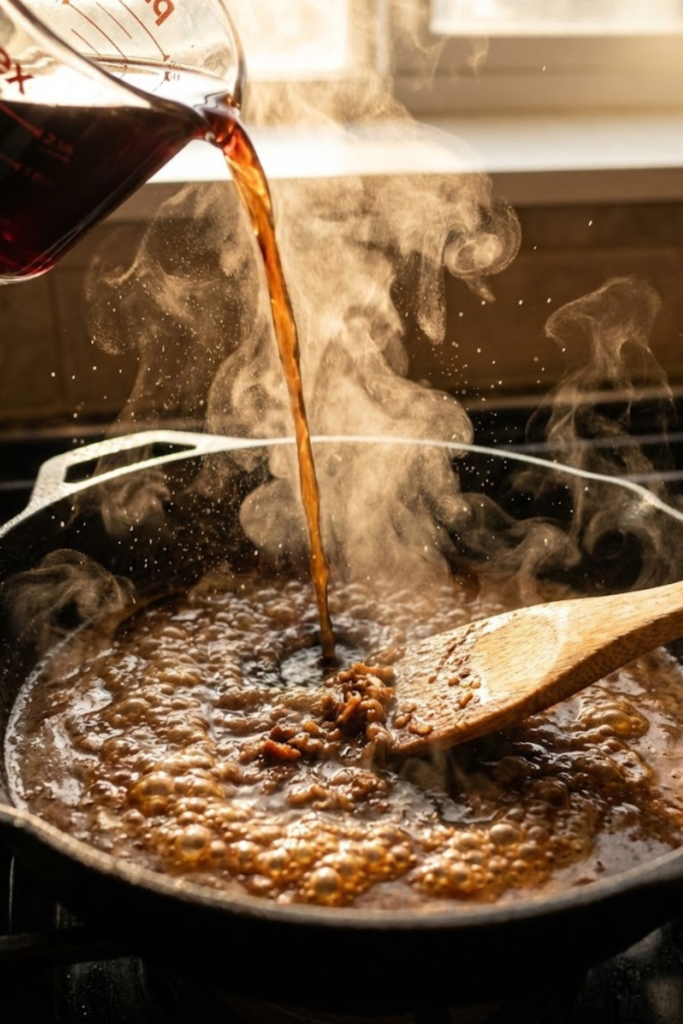
After you take your chicken out to rest, look at the bottom of the skillet. You see those stuck-on brown bits? That is not burnt food (unless it’s black, then maybe start over). That is called “fond,” which is just a fancy word for concentrated flavor. Those little caramelized nuggets are pure gold. We are going to use liquid to lift them up and turn them into a gravy that is light and delicious.
The Magic of Deglazing
“Deglazing” is another big kitchen word for a simple action: pouring liquid into a hot pan. I usually grab whatever I have on hand. A splash of white wine is my favorite because the alcohol cooks off and leaves a nice acidity. If you don’t cook with wine, chicken broth works perfectly too. Even water with a squeeze of lemon juice will do the trick. Pour about half a cup into the hot pan. It will hiss loudly and steam up—don’t panic, that is supposed to happen. Take your wooden spoon and scrape the bottom of the pan really hard while the liquid bubbles. You want to dissolve all those brown bits into the liquid.
Adding Extra Flavor
Once the bottom of the pan is clean and the liquid is bubbling, let it cook for a minute or two. You want about half of the liquid to evaporate. This concentrates the flavor. At this point, I like to stir in a spoonful of Dijon mustard or maybe some chopped shallots if I’m feeling ambitious. It gives the sauce a little kick. If I’m really tired, I just skip this and stick to the broth.
The Glossy Finish
Here is the trick to making it look professional. Turn the heat off completely. Take a tablespoon of cold butter and drop it into the sauce. Stir it constantly until it melts. The butter mixes with the broth to make the sauce slightly thick and shiny. It adds a velvety texture that feels expensive. Taste it—if it needs more salt, add a pinch. Then, just spoon it over your chicken. Try to pour it around the meat rather than right on top of the skin, so that beautiful crust we worked so hard for stays crunchy.
Troubleshooting Common Mistakes
I have made every single mistake in the book when cooking chicken. Seriously. I have set off the smoke detector so many times my neighbors probably think I run a barbecue pit in my living room. It can be super frustrating when you follow a recipe and it still doesn’t come out looking like the picture. But don’t worry, most of these problems are really easy to fix once you know what is happening. Here is how to save your dinner if things start going south.
Why Is My Skin Soggy?
This is the number one complaint I hear. You wanted crunch, but you got mush. Usually, this happens for two reasons. First, you might have put a lid on the pan. I know, grease splatters are annoying to clean up, and putting a lid on keeps the stove clean. But that lid traps all the steam inside. Instead of searing, your chicken ends up steaming in a sauna. Steam equals soggy skin. Leave the lid off! If the splatter is bad, buy a splatter screen—it’s like a mesh cover that lets steam out but keeps grease in. Second, you might have crowded the pan. If the pieces are touching, air can’t circulate. Give them their personal space.
The Garlic Tastes Burnt and Bitter
I love garlic, so I used to throw it in right at the beginning with the oil. By the time the chicken was done 20 minutes later, the garlic was little black nuggets that tasted like charcoal. Burnt garlic ruins the whole sauce. Garlic burns really fast. That is why you should only add it in the last two minutes of cooking, usually when you are basting with the butter. Or, you can leave the cloves whole with the skin on. The skin protects the garlic from burning, but you still get that nice aroma in the oil.
The Chicken Is Sticking to the Pan
You go to flip the thigh, and it is stuck like glue to the metal. You pull harder, and the skin rips off and stays in the pan. Tragedy! This usually means one of two things: either your pan wasn’t hot enough when you started, or you are trying to flip it too soon. Meat forms a bond with the metal when it first hits the heat. Once the crust forms and crisps up, that bond breaks naturally, and the chicken will release itself. If you tug on it and it fights back, it is telling you, “I’m not ready yet!” Just wait another minute or two.
Is It Actually Done?
Cooking bone-in meat is tricky because the meat near the bone cooks slower than the rest. I used to slice into the chicken to check, but then all the juices run out and it gets dry. Please, just buy a cheap digital thermometer. It takes all the guessing out of it. You want the thickest part of the meat to hit 165°F. If the skin is burning but the inside is still raw (which happens with thick thighs), just pop the whole skillet into a 400°F oven for about 5 to 10 minutes to finish cooking. This saves the skin from burning while the inside catches up.
Well, we finally made it to the end! I really hope you are feeling a little more brave about firing up that skillet and cooking dinner tonight. I know it can feel a bit scary to try a new method, especially if you are used to just baking everything in the oven to be safe. But honestly, once you hear that sizzle and see that golden brown crust forming, you are going to wonder why you didn’t start cooking this way years ago.
Mastering pan seared chicken thighs is one of those skills that just makes life easier. You stop worrying about dry, boring meals and start actually looking forward to dinner. Plus, you are saving money by buying the cheaper cuts of meat, which is always a nice bonus. It is pretty cool that the most affordable option at the grocery store is also the one that tastes the best. Whether you are cooking for a picky family or just trying to make something nice for yourself, this recipe really delivers.
Now, what should you serve with this? Since you already have the pan out, I usually just roast some broccoli or asparagus in the oven while the chicken cooks on the stove. Or, if you want some serious comfort food, mashed potatoes are perfect for soaking up that extra pan sauce we made. You can keep it super simple with a green salad too. The chicken has so much flavor on its own that you don’t need fancy sides to make the meal work.
If you give this recipe a try and love it, I would be so grateful if you could share it on Pinterest. It helps other home cooks find these tips and saves the recipe so you can find it easily next time you are at the store. Go ahead and pin it to your “Weeknight Dinners” or “Chicken Recipes” board! I’d also love to hear how it turned out for you, so feel free to leave a comment if you have any questions. Happy cooking, and enjoy that crispy skin!