Good soup is one of the prime ingredients of a good life,” or so the saying goes! I honestly can’t count the number of times a simple rotisserie chicken noodle soup has saved my sanity after a long day. It’s the ultimate kitchen hack that makes everyone think you’ve been simmering a pot for hours when you actually just got home 30 minutes ago! Whether you’re fighting a cold or just the winter blues, this bowl of liquid gold is your new best friend. We’re diving deep into how to elevate these basic ingredients into something truly gourmet.
The Secret to a Rich Rotisserie Chicken Noodle Soup Broth
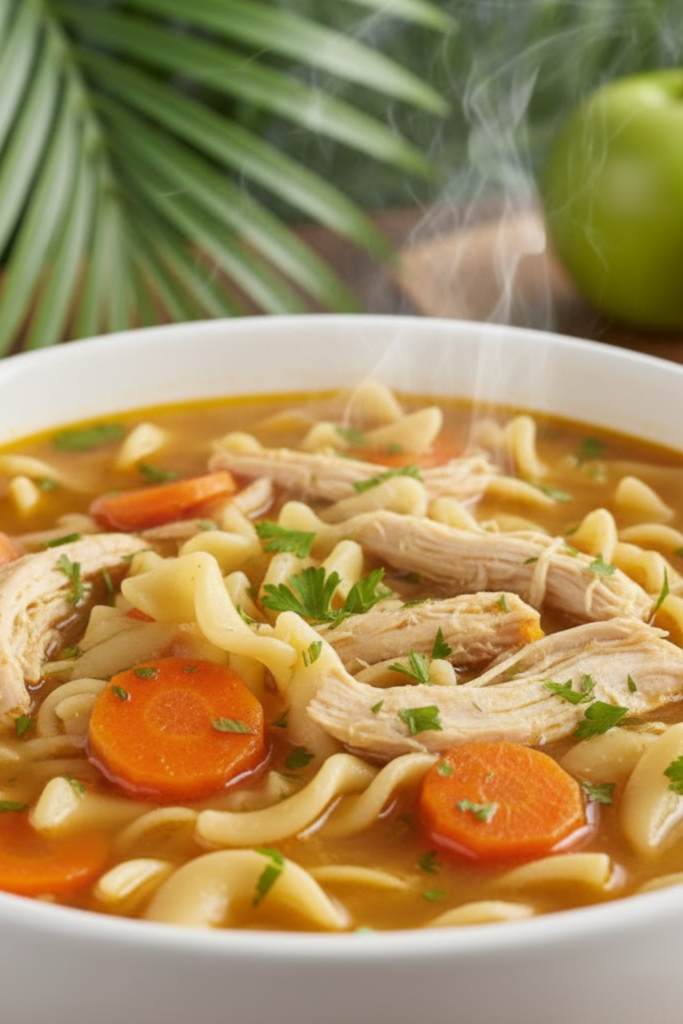
I’ve spent many years in the kitchen, and I’ve learned that the “secret” to a great soup usually isn’t some expensive ingredient. It’s actually about how you treat the basics. When you buy a rotisserie chicken, you’re already halfway to a great meal, but store-bought broth can sometimes taste a bit flat or metallic right out of the carton.
To fix this, I always start by sautéing what we call a “mirepoix”—that’s just a fancy word for carrots, celery, and onions. I like to cook them in a little butter or oil until they get soft and the onions look clear. This creates a base of flavor that you just can’t get from a can.
If you have an extra ten minutes, here is a trick I use: pull all the meat off that rotisserie chicken and throw the bones (the carcass) right into your pot with the store-bought broth. Let it simmer while you prep everything else. It adds a richness and a “homemade” feel that makes people ask for seconds. Before serving, I always squeeze in a little bit of lemon juice. It might sound weird, but that tiny bit of acid cuts through the fat and makes the whole pot taste much brighter. Just be careful not to let it boil too hard once the chicken is back in, or the meat can get a bit tough.
Why Aromatics and Acid Matter
You might be tempted to just dump everything in a pot and hit “boil,” but taking the time to cook your vegetables first makes a huge difference. When you sauté onions and carrots, you’re actually pulling out their natural sugars. If you just boil them raw, they taste okay, but they don’t have that deep, savory backbone that a good rotisserie chicken noodle soup needs. I usually use about two parts onion to one part each of celery and carrot.
And don’t skip that splash of lemon juice at the end! Salt is important, but often when a soup tastes “missing something,” it actually needs acid, not more salt. If you don’t have a lemon, a teaspoon of apple cider vinegar works too. It wakes up all the other flavors. I remember one time I forgot the lemon and the soup felt heavy and greasy—my kids barely touched it. A tiny bit of brightness goes a long way in making this feel like a professional chef made it in your own kitchen.
Choosing the Best Noodles for Hearty Texture
I used to think any noodle would do for my rotisserie chicken noodle soup, but man, was I wrong! I once dumped a whole box of thin spaghetti into a big batch of soup for a family dinner. By the time we sat down to eat, the pasta had soaked up every drop of that beautiful broth, leaving us with a plate of soggy, chicken-flavored mush. It was a total disaster, and I actually felt like crying because I’d worked so hard on that stock.
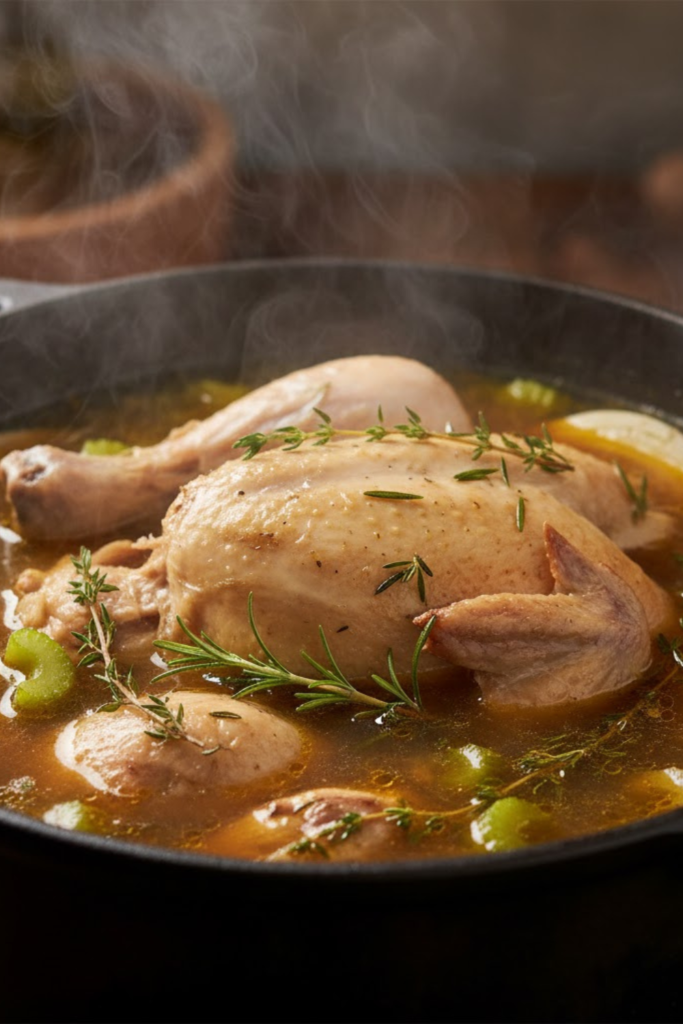
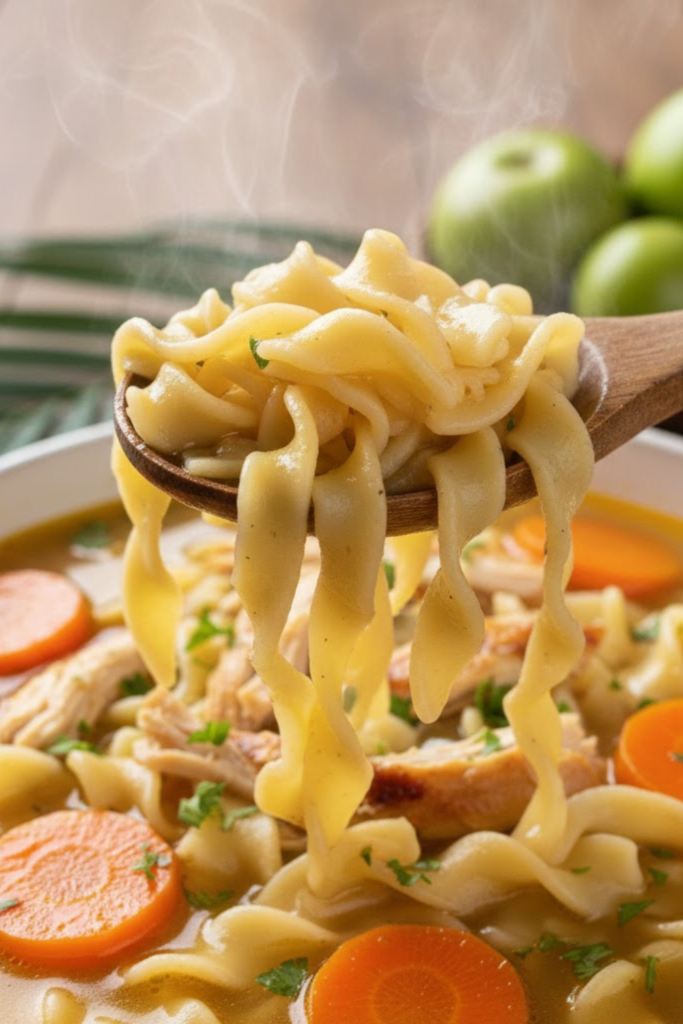
Since that day, I’ve become a bit of a noodle nerd. For a rotisserie chicken noodle soup that actually holds up, you really need a hearty egg noodle. Wide egg noodles are the classic choice because they have a higher egg-to-flour ratio, which helps them stay firm even after sitting in hot liquid. If you’re feeling adventurous, try ditalini or even cheese tortellini to change things up.
My Pro Tip for Perfect Texture
Here is the most important lesson I learned through trial and error: never cook your noodles directly in the soup pot if you plan on having leftovers. If you leave the noodles in the broth overnight, they will swell up and get super bloated. Now, I always boil my pasta in a separate pot of salted water.
I drain them and then just add a scoop of noodles to each individual bowl before pouring the hot rotisserie chicken noodle soup over the top. This keeps the broth crystal clear and the noodles perfectly “al dente” every single time. Plus, it makes reheating a breeze because you just grab a handful of fresh noodles and you’re good to go!
Sometimes I forget to salt the pasta water, and let me tell ya, the noodles end up tasting like nothing. Don’t be like me; salt that water like the sea! It really makes the flavor of the egg noodles pop against the savory chicken. It’s those little things that turn a basic meal into something people actually crave.
Why Separate Cooking Saves the Day
When you cook pasta in the soup, it releases starch. While a little starch can thicken things up, too much makes the broth cloudy and thick—almost like a gravy. If you are feeding a big crowd and you know the pot will be empty by the end of the night, you can get away with cooking them in the pot. But for most of us, we want those leftovers for lunch the next day.
Keeping the noodles and the liquid separate is the easiest way to keep your soup fresh. I usually store my cooked noodles in a container with a tiny bit of olive oil so they don’t stick together. Then, when it’s time for lunch, I put the noodles in my bowl, pour the cold soup over it, and microwave the whole thing. The noodles stay firm, and the broth stays like liquid gold. It’s a simple change, but it really fixes the most common problem people have with homemade soup.
Flavor Hacks: Herbs and Spices That Make a Difference
I’ve found that the difference between a “good” soup and one that makes your guests ask for your secret recipe is usually tucked away in your spice cabinet. When I first started making rotisserie chicken noodle soup, I’d just sprinkle in some dried parsley and call it a day. It was fine, but it didn’t have that “wow” factor. Then, one day, I ran out of dried herbs and grabbed some fresh thyme and a bay leaf from my garden. Wow, what a game changer!
If you can, try to use fresh herbs at the very end. I love adding a handful of chopped fresh parsley right before I turn off the heat. It gives the soup a bright, green flavor that makes it feel like it’s straight from a fancy café. If you only have dried herbs, that’s totally okay too, just remember to add them earlier in the cooking process so they have time to soften up and release their oils.
My Secret “Umami” Add-ins
Here is something my grandma taught me that sounds a bit strange: keep your old Parmesan cheese rinds! I keep a little bag of them in my freezer. When I’m simmering the broth for my rotisserie chicken noodle soup, I drop a rind right into the pot. It doesn’t make the soup taste like cheese, but it adds this deep, savory richness—what chefs call “umami”—that you just can’t get any other way.
Also, don’t be afraid of turmeric. I add just a tiny pinch. It gives the broth a beautiful golden color that looks so appetizing, and it’s supposed to be really good for you too. Just don’t add too much or it’ll start tasting like curry! Oh, and always taste your soup before you add salt. Since the rotisserie chicken is already seasoned, you might not need as much as you think. I’ve oversalted a few pots in my time, and trust me, it’s hard to fix that mistake once it’s done.

I really hope these little tricks help you the next time you’re in a rush but still want a meal that feels like a warm hug. This rotisserie chicken noodle soup has become my absolute go-to because it’s fast, it’s cheap, and it honestly tastes better than most of the fancy soups I’ve had at restaurants. By just taking a few extra minutes with your aromatics and being smart about how you cook your noodles, you can turn a basic grocery store bird into a family favorite.
The best part is that you can really make this recipe your own. If you have some leftover spinach in the fridge, toss it in! If you like a bit of heat, add a pinch of red pepper flakes. There aren’t many rules here, just good, honest food. I’ve found that even my pickiest students (and my own family!) can’t resist a second bowl of this.
If you found these tips helpful or if you’re planning to make this tonight, please share this post on Pinterest! It helps other busy home cooks find these shortcuts, and I’d love to hear how your soup turned out in the comments. Happy cooking, and stay cozy!