Did you know that over 70% of home cooks admit to accidentally serving dry, rubbery chicken at least once a month? It’s a total kitchen tragedy! I’ve been there myself, staring at a plate of “chicken cardboard” and wondering where it all went south. But then, I finally figured out the magic of a perfect chicken breast with olive oil drizzle.
This isn’t just about adding a bit of fat; it’s a technique that seals in moisture and creates a silky texture that makes every bite feel like a treat. In this 2026 guide, I’m going to share the tricks I’ve learned from years of trial and error in my own kitchen. We are going to turn that boring protein into a five-star meal!
Why Extra Virgin Olive Oil is the Secret to Juicy Chicken
I spent years teaching my kids how to cook, and the one thing I always harped on was how to keep the meat moist. Chicken is tricky because it’s so lean. It goes from perfect to “dry as a bone” in about thirty seconds if you aren’t careful. I used to think I was just bad at cooking poultry until I started using a heavy drizzle of olive oil.
The Science of the “Oil Jacket”
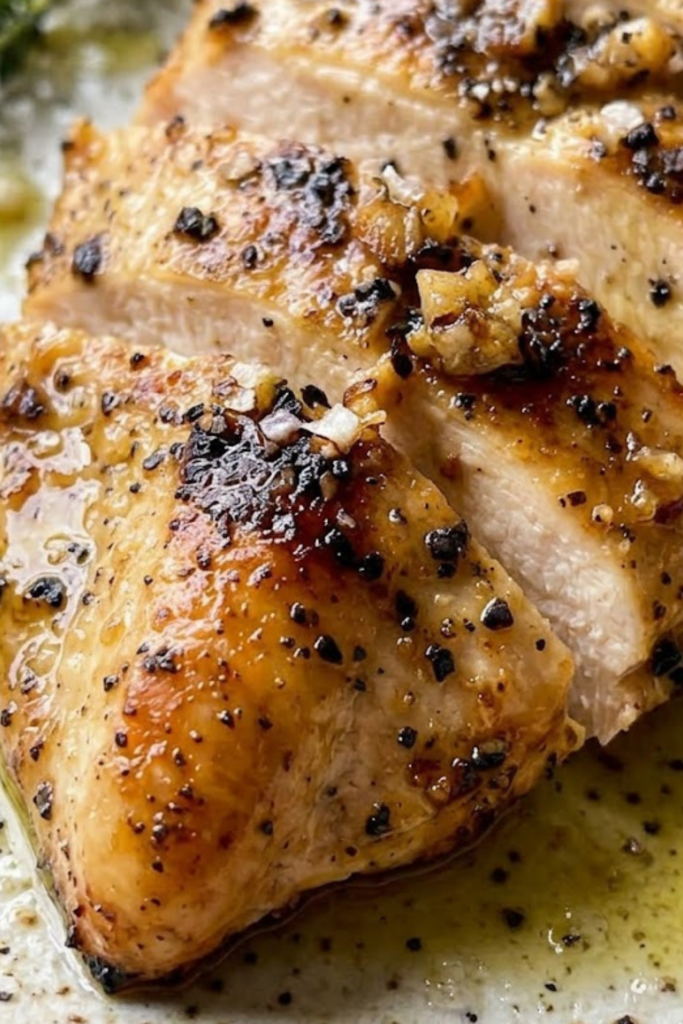
Think of the oil as a little raincoat for your meat. When you prep your chicken breast with olive oil drizzle and put it into a hot pan, the oil fills in all the tiny pores on the surface. This creates a barrier. It stops the internal juices from running out and evaporating the moment the heat hits. Without that oil, the heat just sucks the life right out of the protein.
I once tried to cook a breast totally dry because I thought I was being healthy. It was a huge mistake. The meat turned into a hockey puck in about four minutes. Now, I make sure the bird is well-coated so the moisture stays where it belongs—inside the chicken.
Watching Your Smoke Point
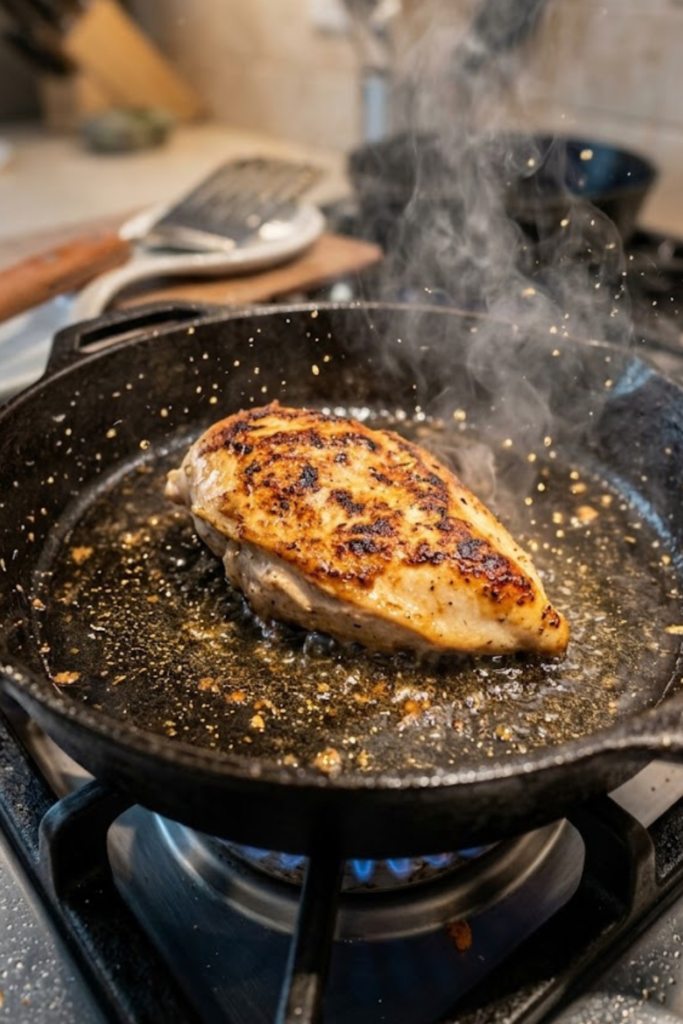
You have to be a bit careful with the heat levels. Extra virgin olive oil is great, but it has a lower smoke point than stuff like vegetable oil. If you are baking your chicken at 400 degrees, it is usually fine. But if you are searing it on the stove, don’t let the oil start smoking. If it smokes, it’ll taste bitter and ruin your dinner.
I usually keep my burner at a medium-high setting. It’s plenty hot to get that beautiful golden-brown crust without burning the oil. If you see a little wisp of smoke, just turn the dial down a notch.
Flavor and Savory Notes
Extra virgin olive oil (or EVOO as some people call it) isn’t just about the fat content. It has a real peppery, earthy taste that you can’t get from butter or cheap oils. When that oil mixes with the salt and the natural juices from the meat, it basically creates its own sauce right there in the pan.
It really brings out the savory parts of the meal. I’ve found that using a high-quality oil makes the chicken taste “fancier” even if you only used basic salt and pepper. It’s a simple trick that makes a world of difference for a quick weeknight meal. Just remember to coat both sides well before the meat touches the heat!
Essential Ingredients for Your Drizzled Masterpiece
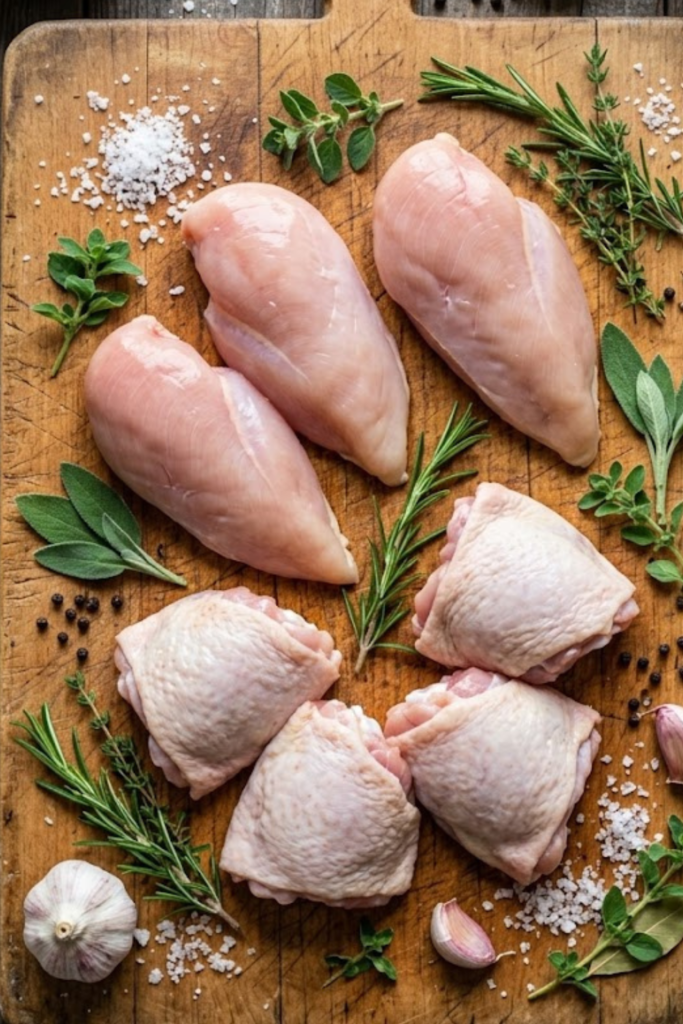
I used to think that ingredients didn’t matter much. I’d just grab whatever was on sale at the grocery store. But after teaching a few cooking classes at the community center, I realized that the stuff you start with really changes how the chicken breast with olive oil drizzle turns out. You don’t need a hundred things, just a few good ones.
Picking the Best Meat
Usually, you’ll see two types of breasts: the big thick ones and the thin-cut ones. I like the thick ones because they stay juicier, but they take longer to cook. If you’re in a hurry on a Tuesday night, those thin ones are a lifesaver. Just watch them like a hawk so they don’t turn into leather. I always look for meat that looks pink and plump, not gray or slimy. If it looks sad in the package, it’s gonna taste sad on your plate.
The Pantry Staples
You don’t need fancy spices to make this work. I stick to the basics: Kosher salt, cracked black pepper, and a little garlic powder.
- Kosher Salt: It has bigger grains so it’s easier to see how much you’re putting on. Table salt is too fine and makes things too salty too fast.
- Cracked Pepper: Get a grinder if you can. The pre-ground stuff tastes like dust after a while.
- Garlic Powder: This is my secret weapon. It sticks to the olive oil and creates a little crust that is just delicious.
Fresh Additions for a Flavor Kick
If I have an extra two minutes, I’ll grab a lemon or some fresh herbs from the little pot on my windowsill. A quick squeeze of lemon juice right at the end really wakes up the flavors. It cuts through the fat of the oil in a good way.
I also love tossing a sprig of rosemary or some thyme into the pan. You don’t even have to chop it up. Just let it sit in the oil while the chicken cooks. It makes the whole house smell like a fancy restaurant, and my kids actually think I spent hours on dinner! It’s a simple way to make a basic meal feel a lot more special without a ton of work.
Step-by-Step Guide to the Perfect Olive Oil Drizzle
Okay, let’s get into the nitty-gritty of actually cooking this thing. I’ve messed this up plenty of times by rushing, so take your time with these steps. It’s not hard, but you gotta do it right to get that chicken breast with olive oil drizzle just how you want it. I tell my students all the time that the prep is just as important as the heat.
The “Pat Dry” Rule
First thing you gotta do is grab some paper towels. I know, it’s an extra step and it’s kind of messy, but you can’t skip it. If the meat is wet from the package, it won’t brown. It’ll just steam in its own juices and look grey and sad. That is definitely not what we want! Pat it dry until there isn’t any moisture left on the surface. This helps the oil stick better too. It feels a bit weird to do, but it makes the crust so much better.
Timing Your Drizzle
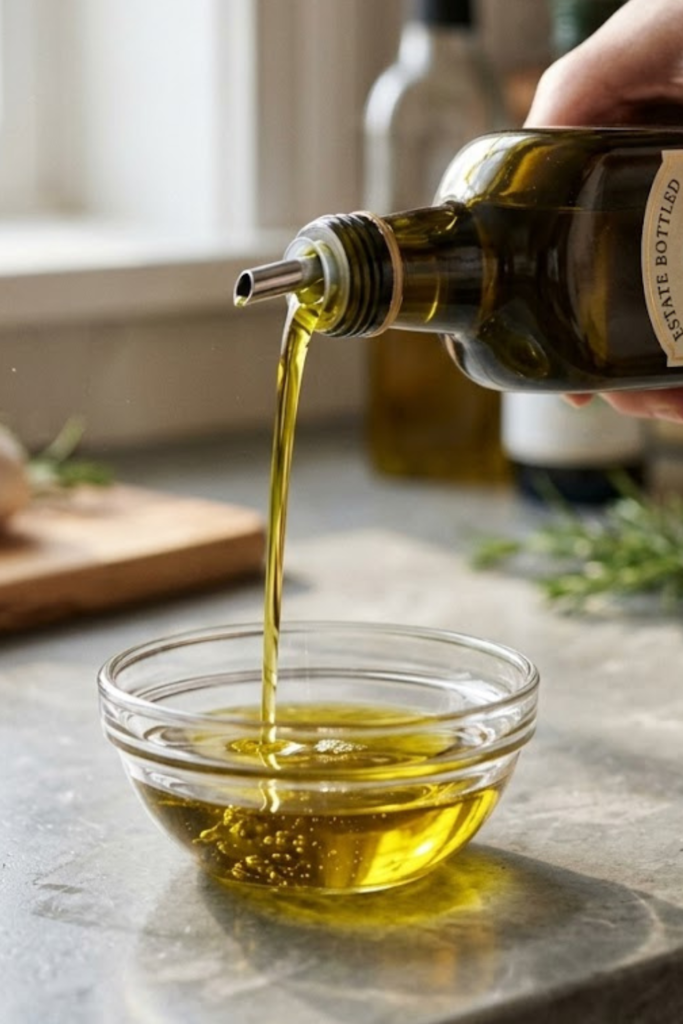
I get asked this a lot: “Do I put the oil in the pan or on the bird?” My answer is always both. I like to put the chicken on a plate and give it a good drizzle first. Then I toss in my salt and pepper. This makes sure every single inch of that meat is covered in fat and flavor.
Then, I put just a tiny bit more oil in the pan right before I drop the chicken in. It should make a nice sizzle right away. If it doesn’t sizzle, the pan isn’t hot enough. Wait another minute. That drizzle on the meat helps the spices stay put instead of just floating away in the pan.
Using a Thermometer
If you don’t have a meat thermometer, go get one. They are cheap and they save dinners. You want the thickest part of the chicken to hit exactly 165°F. I usually pull mine off the heat when it hits 162°F because the temperature keeps climbing for a minute while it sits on the counter.
If you wait until it’s 175 or 180, you’re basically eating sawdust. Trust the tool, not your eyes. I used to try and cut into it to see if it was pink, but all that does is let the juice run out. Just poke it with the thermometer and wait for the magic number. It’s the best way to make sure your meal is safe and yummy.
Common Mistakes That Lead to Dry Chicken
I’ve made every mistake in the book. Seriously, I’ve served some pretty tough dinners over the years before I figured this out. If your chicken breast with olive oil drizzle is still coming out like a piece of wood, you might be falling for one of these traps. Most of the time, it’s just a small habit that needs fixing to get that restaurant-quality meal at home.
Overcrowding the Pan
This is the most common error I see. People try to shove four huge chicken breasts into one tiny skillet. Don’t do that! When you put too much meat in at once, the pan’s temperature drops too fast. Instead of getting a nice, crispy sear, the chicken starts to steam in its own juices. You lose that golden-brown crust, and the inside gets tough before the outside even looks done. Give them some elbow room. If you have to cook in two batches, just do it. It’s worth the extra few minutes to get it right.
The Danger of “Cold Cooking”
I used to take the chicken right out of the fridge and throw it straight into the hot oil. I thought I was being fast, but I was actually hurting the texture. If the middle of the meat is ice cold when it hits the pan, the outside will overcook way before the center is safe to eat.
Now, I let the meat sit on the counter for about 15 or 20 minutes before I even start the drizzle. Getting it closer to room temperature helps it cook much more evenly. It sounds like a small detail, but it’s a total game changer for keeping things juicy. Just don’t leave it out too long!
Cutting the Meat Too Soon
I know you’re hungry. I get it! But if you cut that chicken the second it leaves the pan, you are basically throwing all your hard work away. All those yummy juices are under pressure while the meat is hot. If you slice it open right away, they all just run out onto the plate, leaving the meat dry and sad.
Let it rest! Give it at least five minutes on a cutting board. The juices will settle back into the meat fibers. I tell my students it’s like letting the chicken take a quick nap. Once it rests, every single bite will be perfect. Just be patient—it makes a massive difference in how the meal tastes!
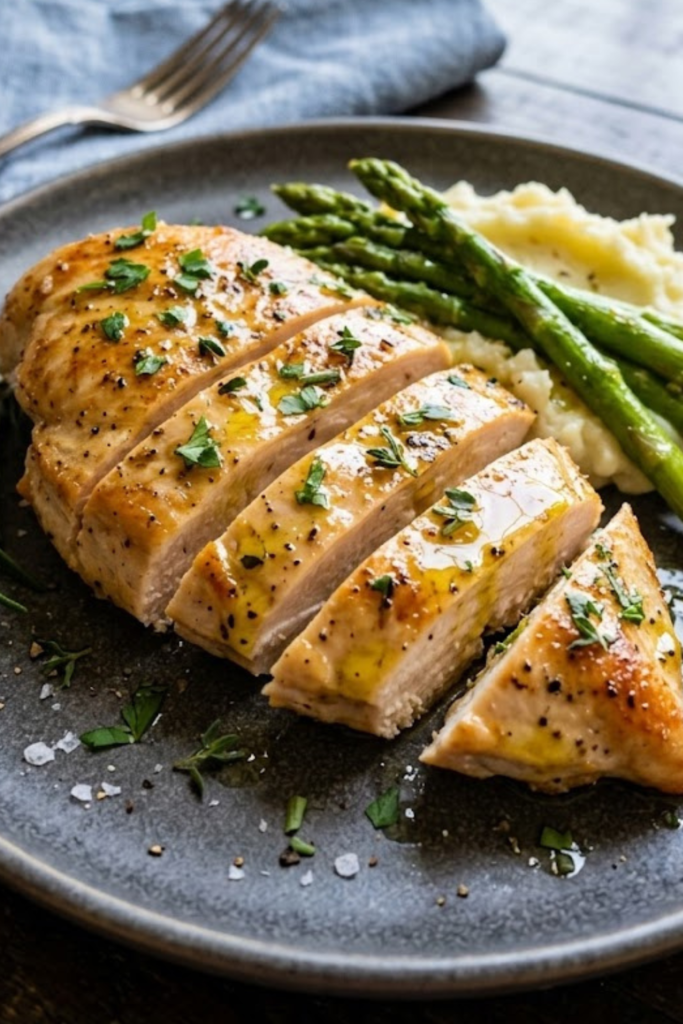
I really hope these tips help you out the next time you’re standing in your kitchen wondering what to make for dinner. Making a chicken breast with olive oil drizzle isn’t about being a professional chef or having a fancy kitchen. It’s really just about respecting the meat and using a few good habits that I’ve learned the hard way over the years.
Just remember the big points we talked about: pat that chicken dry so it sears right, use plenty of good oil to keep the moisture in, and for heaven’s sake, let it rest before you cut into it! Once you get the hang of these simple steps, you’ll never go back to those dry, tasteless dinners again. My family actually asks for this now, which is a huge win in my book. It’s a relief to serve a meal that everyone actually wants to eat.
If you found this guide helpful and want to keep these tips handy for your next grocery trip, please save this post to your “Healthy Dinner Ideas” board on Pinterest! It helps me out a lot, and it helps other home cooks find these simple tricks so they can stop serving dry chicken too. Happy cooking!