Did you know that chicken thighs contain about 30% more moisture than chicken breasts, making them nearly impossible to overcook? I used to be a “chicken breast only” kind of cook until I realized I was basically eating flavorless cardboard! Everything changed when I whipped up these chicken thighs with garlic onion glaze. The way the sugars in the onion caramelize against the sharp bite of fresh garlic creates a sticky, savory coating that’s honestly life-changing! Whether you’re a pro or a kitchen newbie, this dish is going to be your new go-to for a fast, impressive meal.
I remember the first time I made this; the smell of the searing meat and the sweet onions filled the whole house, and even my pickiest eater asked for seconds. It’s one of those rare recipes where you probably already have all the ingredients sitting in your pantry right now. You don’t need fancy skills or expensive gadgets to make this work, just a bit of heat and a little patience while the sauce thickens up. Plus, cleaning up is a total breeze since everything happens in just one pan, which is a huge win in my book after a long day at work. Trust me, once you see how that glaze clings to the crispy skin, you’ll never want to go back to plain old baked chicken again.
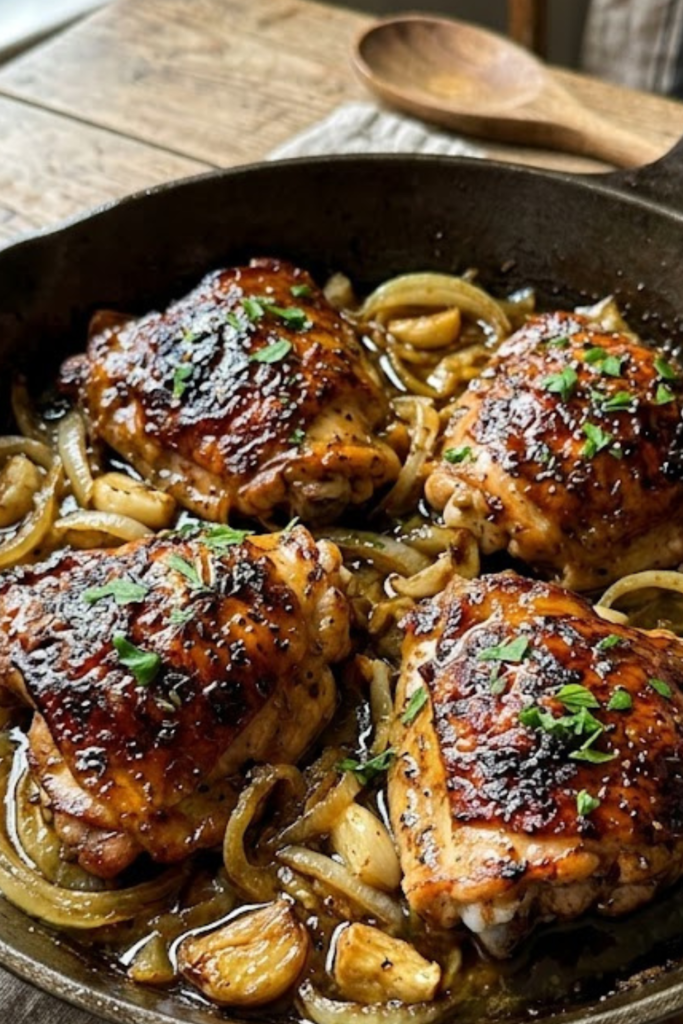
Why Chicken Thighs Outshine Breasts Every Time
I’ll be the first to admit it: for years, I only bought boneless skinless chicken breasts because I thought they were “healthier.” But man, was I wrong about the flavor! Once I started cooking with chicken thighs, I realized what I had been missing. There is a richness in dark meat that you just can’t get from a breast, no matter how much seasoning you throw at it.
The main reason I love using thighs for this garlic onion glaze is the fat content. While “fat” might sound like a scary word, in the kitchen, fat equals flavor and moisture. Chicken breasts have a very narrow window of being “done”—if you overcook them by even two minutes, they turn into something that feels like chewing on a pencil eraser.
The Forgiveness Factor
One thing I tell my students is that chicken thighs are incredibly forgiving. Because they have more connective tissue and marbleized fat, they stay juicy even if you get distracted by a phone call while they’re in the pan. They can handle the high heat needed to get that skin crispy, which is the perfect “plate” for our sticky glaze to sit on.
Better for Your Wallet
Also, let’s talk about the budget. Usually, when I’m at the grocery store, I notice that thighs—especially the bone-in, skin-on ones—are way cheaper per pound than breasts. Since I’m cooking for a family, saving a few dollars at the meat counter means I can spend a little extra on high-quality olive oil or fresh herbs.
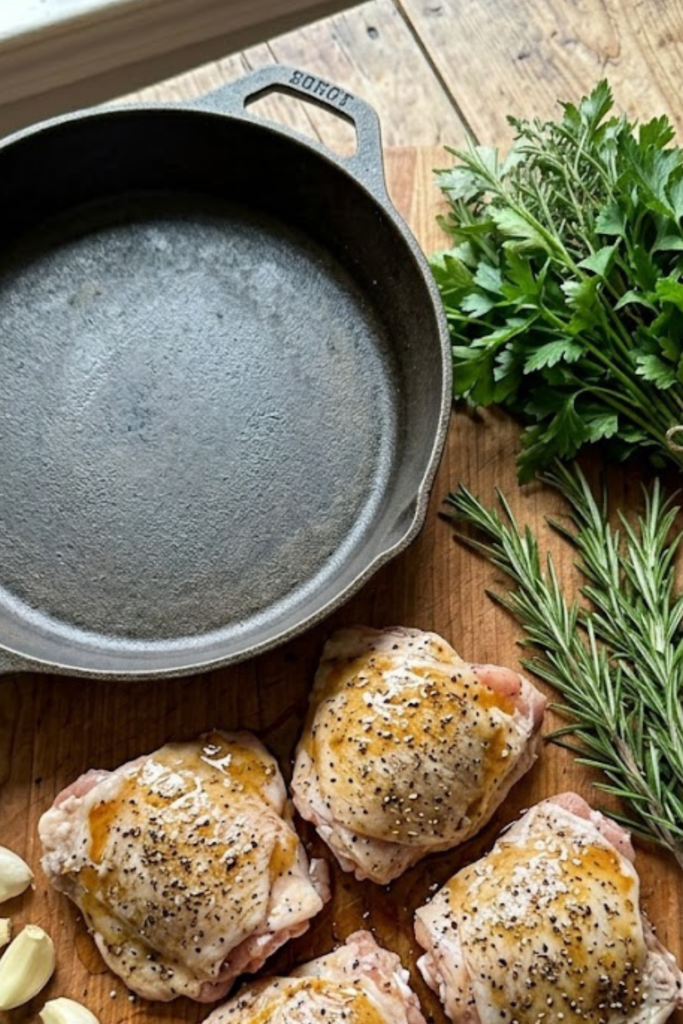
The Secret to a Sticky Garlic Onion Glaze
If you’ve ever had a sauce that just slid right off the meat and pooled at the bottom of the plate, you know how disappointing that is. To get that chicken thighs with garlic onion glaze to actually stick, you have to understand how to build the base. It’s all about patience and picking the right ingredients.
The Onion Base
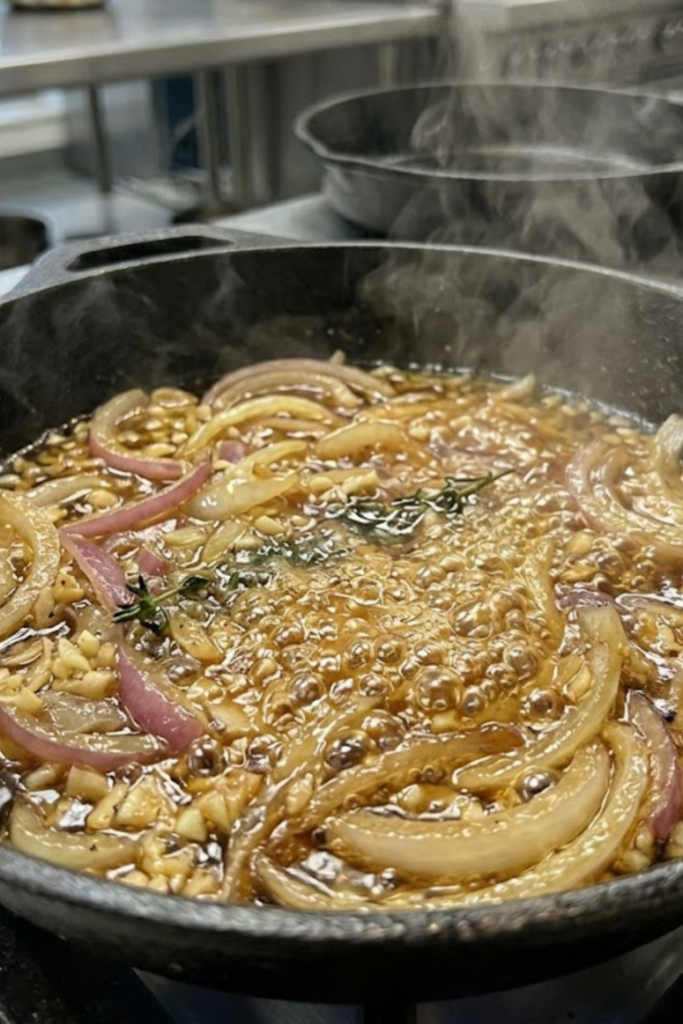
I usually reach for yellow onions because they have a high sugar content. When you cook them down, they get soft and sweet, which is exactly what we want. If I’m feeling a bit fancy or want a milder taste, I’ll grab a few shallots instead. The goal is to sauté them until they are translucent and just starting to turn golden brown. That’s where the deep flavor lives!
Garlic Timing is Everything
Here is the biggest tip I can give you: do not put your garlic in at the start. I’ve burned more garlic than I’d like to admit, and it makes the whole dish taste like charcoal. I wait until the onions are perfectly soft, then I toss in the minced garlic for just about 60 seconds. You’ll know it’s ready when the smell hits you—it’s like a signal that the magic is happening.
Balancing the Flavors
To get that tacky, finger-licking texture, you need a little bit of “glue.” I usually stir in a spoonful of honey or some brown sugar. The sugar reacts with the juices from the chicken and the softened onions to create a thick syrup. If the glaze feels too thin, just let it bubble for an extra minute or two. It will thicken up fast, so keep an eye on it!
Kitchen Tools for Perfect Searing
I’ve spent more years than I’d like to admit trying to get that perfect, crackling skin on chicken thighs with garlic onion glaze using the wrong gear. For a long time, I used a thin, non-stick pan I got on sale because I was scared of food sticking. What a mistake! The pan couldn’t hold heat, so my chicken just kind of boiled in its own juices instead of getting that gorgeous brown crust.
The Magic of Cast Iron
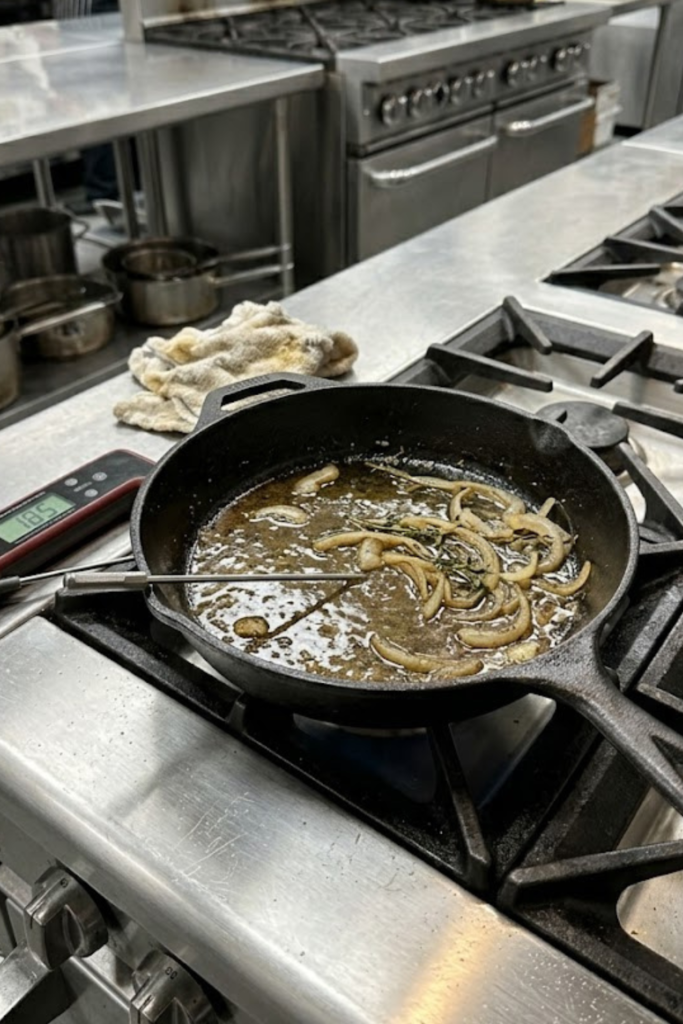
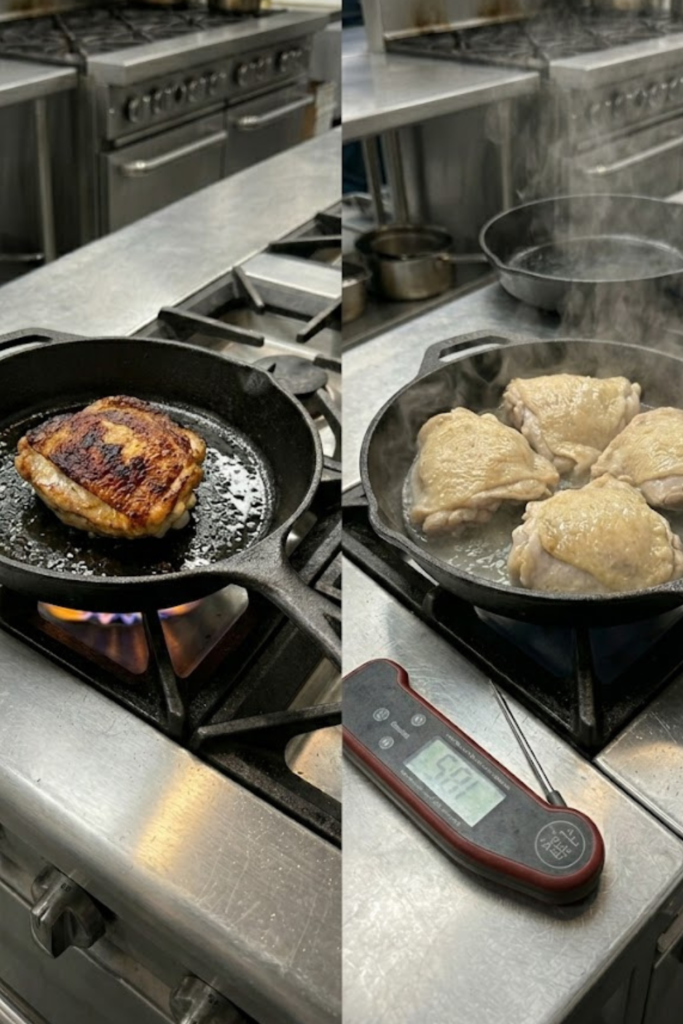
Once I switched to a heavy cast iron skillet, my whole world changed. Cast iron stays hot even when you drop cold meat into it, which is the key to a professional-grade sear. If you don’t have one, a heavy stainless steel pan works too, but stay away from the thin stuff. I actually dropped my favorite skillet once and cracked a floor tile, but the pan was fine—talk about durable!
Don’t Guess the Temp
I used to “eyeball” the doneness by poking the meat with my finger, which is just silly looking back. I ended up serving chicken that was either raw at the bone or dry as a desert. Now, I never cook without my digital meat thermometer. You want to hit exactly 165°F (74°C) to make sure it’s safe but still dripping with juice.
Essential Gear List
- 12-inch Cast Iron Skillet: Provides the best heat retention for crispy skin.
- Instant-Read Thermometer: Prevents overcooking and ensures food safety.
- Splatter Guard: Trust me, your stovetop (and your arms) will thank you when the fat starts popping.
- Sturdy Tongs: You need a good grip to flip those heavy thighs without tearing the skin.
I remember one time I forgot my splatter guard and ended up with little grease dots all over my favorite shirt. My wife still laughs about it, but hey, the chicken was worth it! Just make sure your tools are ready before you start, because once that oil is shimmering, things move fast. Use these basics and you’ll avoid the “soggy skin” heartbreak I dealt with for way too long.
Common Mistakes to Avoid with Glazed Poultry
I’ve made every mistake in the book so you don’t have to. There was this one Tuesday night where I was in a huge rush and tried to cram six big thighs into a small pan. I thought I was being efficient, but instead of getting that crispy, golden skin, the chicken just sat there steaming in its own liquid. It looked gray and sad—definitely not the chicken thighs with garlic onion glaze I was dreaming of!
Stop Crowding the Pan
If the chicken pieces are touching each other, the steam can’t escape. This is the fastest way to ruin a good sear. If you have a lot of mouths to feed, just cook them in two batches. It takes ten extra minutes, but the difference in texture is worth every second. You want air to move around each piece so the skin can actually fry.
The Danger of Cold Meat
I used to pull the chicken straight from the fridge and toss it right onto the heat. Big mistake. The outside gets burnt before the inside even gets warm. Now, I try to let the meat sit on the counter for about 20 minutes before I start cooking. It helps the chicken cook much more evenly, and you won’t end up with a raw center and a charred glaze.
Don’t Walk Away
Because this glaze has honey or sugar in it, it can go from “perfectly sticky” to “burnt mess” in a heartbeat. I once went to answer the door and came back to a pan full of black smoke. Once you add those aromatics and the sweetener, stay right there. Move the chicken around a little bit to coat it, and keep the heat on medium.
Cooking is mostly about paying attention to the little things. If you avoid these three traps, your dinner is going to taste like it came from a fancy restaurant!
There you have it! Moving away from dry chicken breasts and embracing chicken thighs with garlic onion glaze was one of the best moves I ever made in my kitchen. It’s a simple, affordable, and incredibly satisfying meal that makes you feel like a pro even on a busy Tuesday night. Just remember: get that pan hot, don’t crowd the meat, and wait for those onions to turn into golden “liquid gold” before you call it done.
I really hope your family loves this as much as mine does. If you try it out and get that perfect sticky finish, I’d love to hear how it went! Please save this recipe and share it on Pinterest so other home cooks can discover the magic of the humble chicken thigh. Happy cooking!