Did you know that thyme was once used by the ancient Greeks in their baths because they believed it imparted courage? Well, I don’t know about bathing in it, but I’m definitely brave enough to say this chicken with fresh thyme sauce is the only dinner recipe you’ll ever need!
It’s funny because I used to be terrified of overcooking chicken breasts until they turned into literal hockey pucks. After a lot of dry dinners and a few “oops” moments in my kitchen, I finally figured out that the secret isn’t just the heat—it’s that lush, herbaceous sauce that locks everything in. This dish is a total weeknight hero, combining earthy aromatics with a velvety finish that makes you feel like a pro chef even if you’re just wearing pajamas.
I remember the first time I got the sauce just right; the way the smell of the fresh herbs filled up my small kitchen made it feel like a fancy French bistro. My kids actually asked for seconds, which almost never happens when I make “green things” for dinner. It’s one of those rare meals that looks like you spent hours at the stove, but it’s really just about letting those fresh sprigs do the heavy lifting for you. Plus, there is something so satisfying about watching that creamy sauce come together in the same pan you used for the meat.
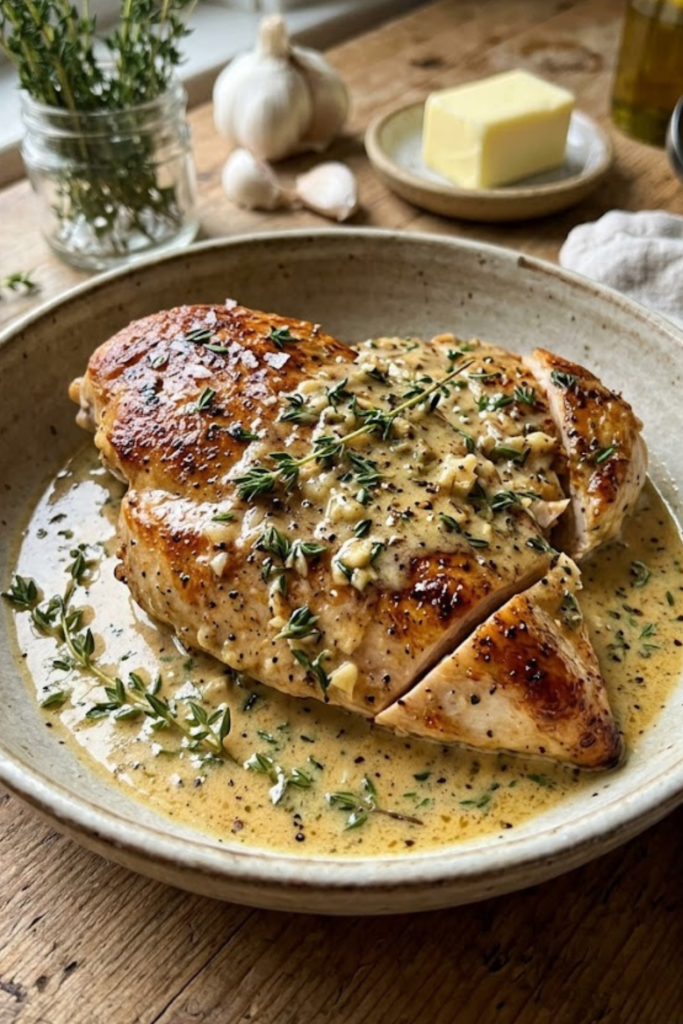
Mastering the Sear: How to Get Golden Chicken Every Time
I used to think that “searing” was just a fancy word chefs used to sound cool. But then I realized that the golden-brown crust on a piece of chicken is where all that deep, savory flavor lives. If your chicken comes out looking pale and soggy, it’s usually because of one of three things I learned the hard way. I remember many Sunday dinners where I served up what looked like boiled poultry, and honestly, it was pretty discouraging.
Choosing the right cut makes a world of difference for your confidence. While I love a lean breast, chicken thighs are much more forgiving for beginners. They have a little more fat, which means they stay juicy even if you leave them in the pan a minute too long. If you do go with breasts, try to find ones that are similar in size so they finish cooking at the same time. This keeps you from having one piece that’s perfect and another that’s as dry as a desert.
The biggest mistake I made for years was taking the chicken straight from the package to the pan. Don’t do that! You need to take a paper towel and pat the meat until it is bone-dry. If there is moisture on the surface, the chicken will steam instead of brown. It’s a simple step, but it makes a huge difference in getting that crunch. I always tell my friends that if the chicken is wet, it’s just going to be sad and grey.
Finally, let’s talk about the pan. I swear by my old cast-iron skillet. It holds onto heat better than those thin non-stick pans. You want the oil to be shimmering—not smoking—before the meat hits the surface. Once you put the chicken in, leave it alone! It’s so tempting to move it around, but don’t fidget. If you try to flip it and it sticks, it’s telling you it isn’t ready yet. When it develops that perfect crust, it will release from the pan naturally. Giving it about 5 to 7 minutes of peace is the real secret to that professional look.
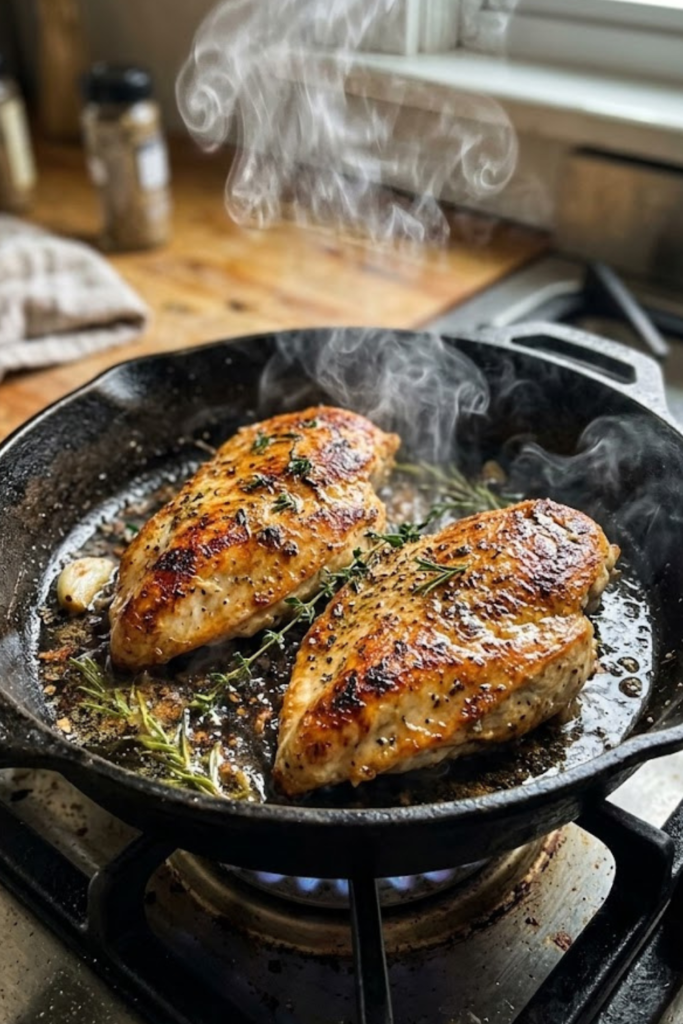
Crafting the Velvety Fresh Thyme Sauce
Once that chicken is out of the pan and resting, you’re left with all those little brown bits stuck to the bottom. Don’t you dare wash that pan yet! Those bits are called “fond,” and they are basically concentrated flavor gold. To make the sauce, I usually toss in a chopped shallot or some smashed garlic first. You want to cook them just until they smell amazing, which usually takes about a minute. If the pan looks a bit dry, you can add a tiny knob of butter to help things along.
The trick to a great sauce is deglazing the pan. This just means pouring in a liquid—I like a splash of dry white wine or just some chicken stock—to loosen those brown bits. As the liquid bubbles, use a wooden spoon to scrape the bottom. It turns the liquid into a dark, savory base that tastes much better than anything you can buy in a jar. I remember being so confused the first time I saw a chef do this on TV, but once I tried it myself, I realized it’s the easiest way to get that deep restaurant flavor.
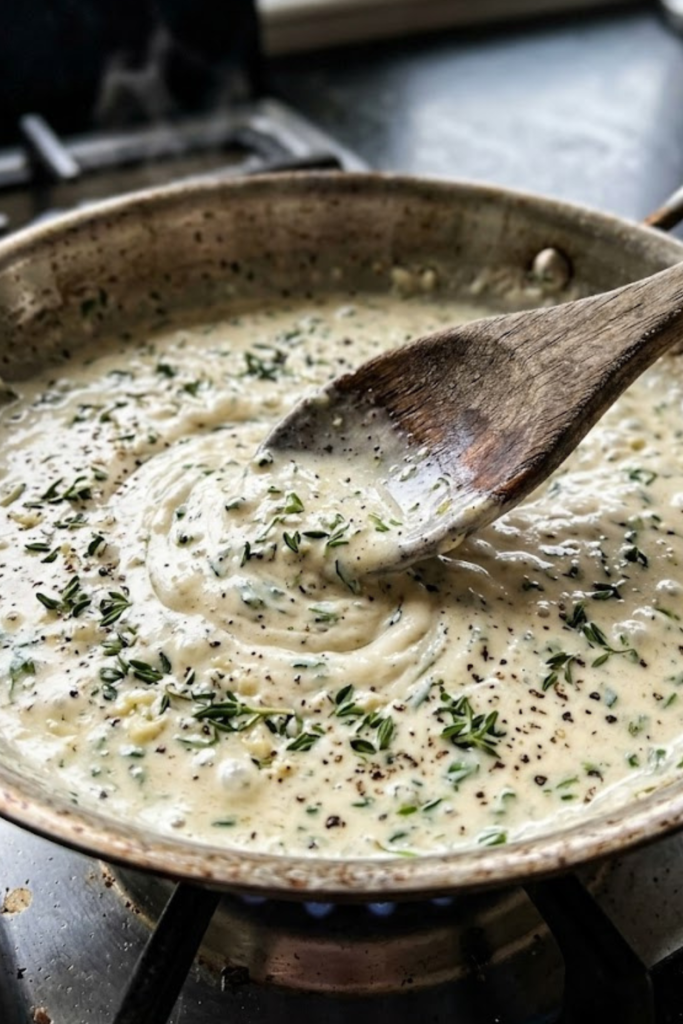
Now, about the thyme. I used to just throw the whole sprigs in at the start, but they can get bitter if they fry too long. I’ve found it’s better to strip the tiny leaves off the woody stems and stir them in right as the sauce starts to thicken. This keeps the herb tasting bright and earthy. If you want that silky, restaurant-style finish, turn the heat down low and whisk in a tablespoon of cold butter or a splash of heavy cream. It smooths everything out and makes the sauce cling to the chicken instead of just running off the plate.
Stick with fresh sprigs if you can because the oils in fresh thyme have a much better aroma for this specific sauce. Dried thyme can sometimes feel a bit gritty or dusty if it isn’t simmered for a long time. Also, don’t be afraid to taste the sauce as it reduces. Sometimes it needs a tiny pinch of sugar or a bit more pepper to find the right balance. Watching the sauce go from a thin liquid to a glossy, thick coating is honestly my favorite part of the whole process. It’s like magic happening right in your skillet, and it makes all the difference in the world for the final meal.
Common Pitfalls and Kitchen Wins
I’ve had my fair share of kitchen disasters where I thought I was doing everything right, but the chicken still ended up tasting like a wet sponge. One of the biggest mistakes people make—and I was guilty of this for a long time—is crowding the pan. If you try to jam five big chicken breasts into one small skillet, the temperature drops instantly. Instead of searing, the meat just sits in its own juices and turns a sad, rubbery grey. To avoid the “grey meat” blues, just cook the chicken in two batches if you have a lot of mouths to feed. Trust me, it’s worth the extra ten minutes to make sure the chicken actually browns instead of steaming.
Another thing I learned is that salt is your best friend when it comes to herbs. If your thyme sauce tastes a little flat or “grassy,” it usually just needs a pinch more salt to wake up the flavors. I also like to add a tiny squeeze of lemon right at the end. You won’t really taste the lemon, but the acid makes the thyme and garlic pop. Finding that perfect salt balance and adding a dash of acid is what really helps bring out those earthy notes of the fresh thyme.
Finally, the hardest part is definitely the waiting. Once the chicken is done, you have to let it rest on a cutting board for about five minutes. I know it smells amazing and you want to eat right away, but if you cut it too soon, all those delicious juices will run out all over the board. Giving the meat five minutes of peace before slicing is the only way to keep it juicy and tender.
If you aren’t sure it’s actually cooked through, don’t just guess or cut into it to check. I always suggest doing a quick temperature check with a meat thermometer. You’re looking for 165°F (74°C) to be safe but succulent. Taking the guesswork out of the equation means you won’t end up with raw centers or overcooked, dry meat. It’s a small tool that leads to a huge win every single time you cook.
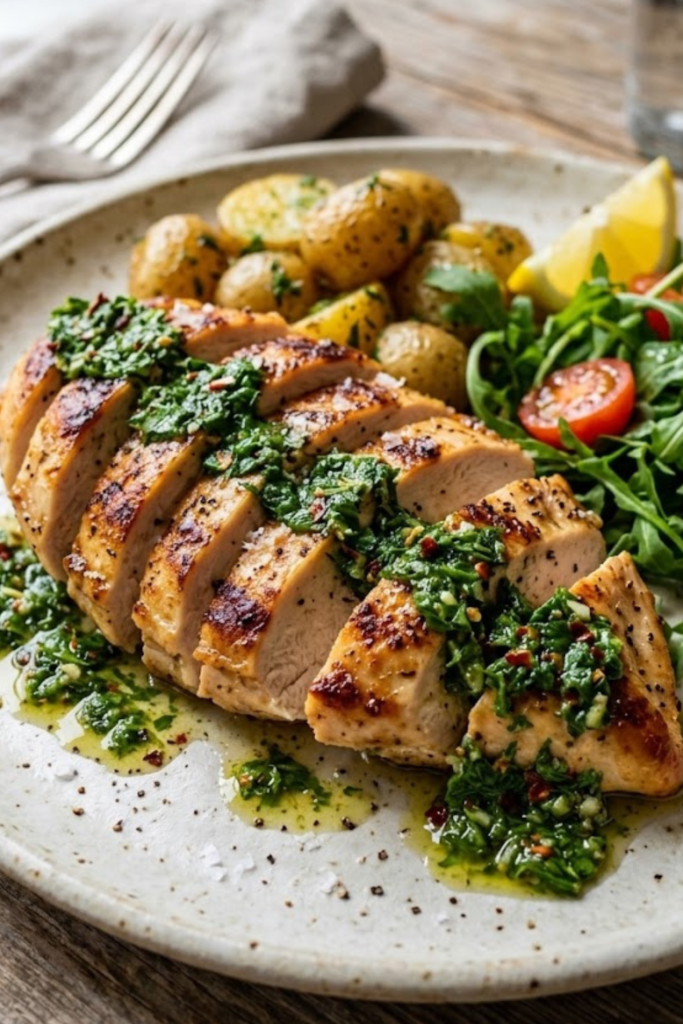
I really hope you give this chicken with fresh thyme sauce a shot the next time you’re staring at a pack of chicken in the fridge and feeling uninspired. It’s funny how just a few sprigs of a fresh herb and a little bit of pan-scraping can turn a boring Tuesday night into something that feels like a real treat. Cooking doesn’t need to be perfect or fancy to be good; it just needs a little bit of heat and the right flavors to make it sing.
Once you try it, you’ll see why I stopped buying those pre-made bottled sauces. There’s just no match for the smell of fresh thyme hitting a hot pan. If you end up making this for your family, or even just for a quiet night in, I’d love to hear how it turned out! And hey, if you found these tips helpful for your kitchen game, please share it on Pinterest so others can find a new favorite dinner too!