Did you know that according to recent 2025 kitchen surveys, over 60% of home cooks admit to overcooking their poultry? It is a total tragedy! I have been there myself, staring down a plate of meat that tasted more like a dry sponge than a meal. But honestly, finding the perfect balance for chicken with herb olive oil changed my entire kitchen vibe. It’s fragrant. It’s simple! It’s the kind of dish that makes your house smell like a Five-Star Mediterranean bistro.
Selecting the Best Chicken Cuts for Infused Oils
I’ve spent a lot of years in the kitchen, and if there is one thing I have learned, it is that you can’t fix bad meat with good oil. I remember this one time I tried to make a nice Sunday dinner with some cheap, thin chicken breasts I found in the back of the freezer. Big mistake! They turned out like cardboard. It didn’t matter how much chicken with herb olive oil I poured over them; they were just dry and sad. I ended up ordering pizza that night.
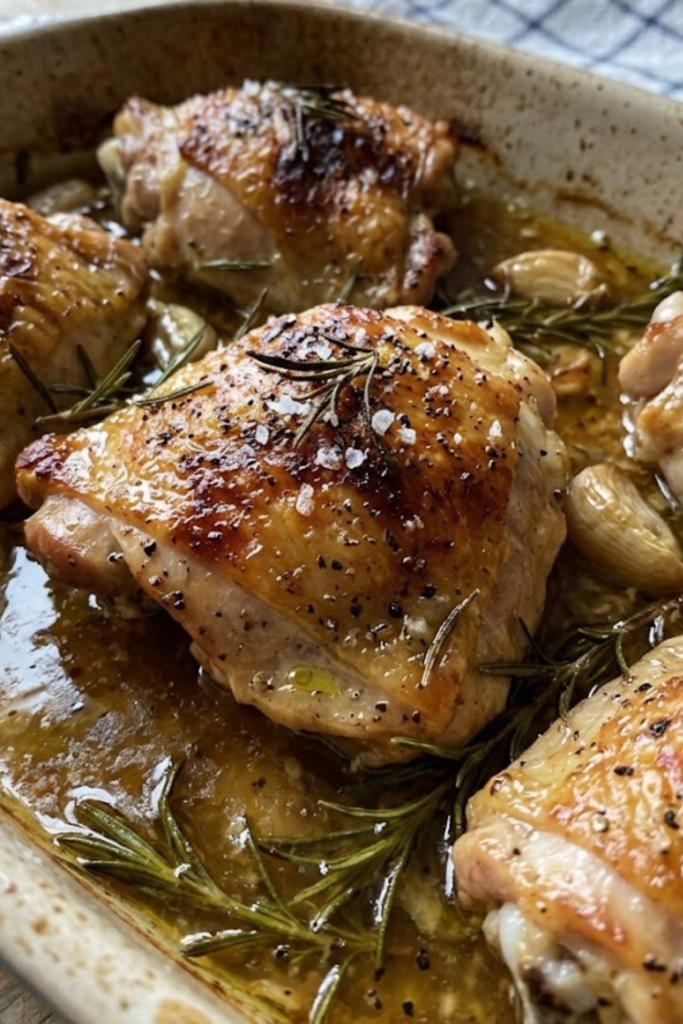
If you are looking for the best results, I always suggest going for chicken thighs. They have a bit more fat, which is great because it keeps the meat juicy while it cooks. Plus, they stay tender even if you leave them in the oven for a couple extra minutes by accident. Breasts are okay too if you want something leaner, but you really gotta watch them like a hawk so they don’t get tough.
Another tip I tell my students is to look for chicken that still has the skin on. The skin holds all those yummy herbs and the olive oil right against the meat while it roasts. If you take the skin off too early, you lose a lot of that flavor and the meat dries out faster. Also, try to find “air-chilled” chicken at the store if you can. It costs a little more, but it hasn’t been soaked in water, so it actually tastes like chicken. When you use better meat, the whole dish just works better and your family will actually want seconds.
I also tell people to try and find bone-in pieces if they have the time to let them cook. The bones actually help the heat spread more evenly from the inside out, and they add a much deeper flavor to your chicken with herb olive oil that you just can’t get with the boneless stuff. If you do decide to go with breasts, try to pick ones that aren’t huge—sometimes those really giant ones have a weird, tough texture that cooks up like rubber no matter what you do. You want to look for meat that looks nice and pink, not grey or slimy at the edges. If there is a ton of liquid sitting in the bottom of the plastic package, that’s usually a sign it’s been sitting there a bit too long or was pumped full of saltwater. Taking that extra minute at the grocery store to really check the “sell-by” date and the look of the meat makes a world of difference. It might seem like a small thing, but getting the right cut is basically half the battle won before you even turn on the stove.
Mastering the Herb Olive Oil Marinade
I remember when I first started experimenting with my own rubs and oils back in the day. I used to think that the longer you left the meat in the bowl, the better it would taste. One time, I left some drumsticks in a heavy rosemary and sage mix for like two whole days in the fridge. That was a big mistake! The lemon juice I added actually started “cooking” the meat and it turned into mushy grey stuff. It was pretty gross. My kids wouldn’t even look at it, let alone eat it.
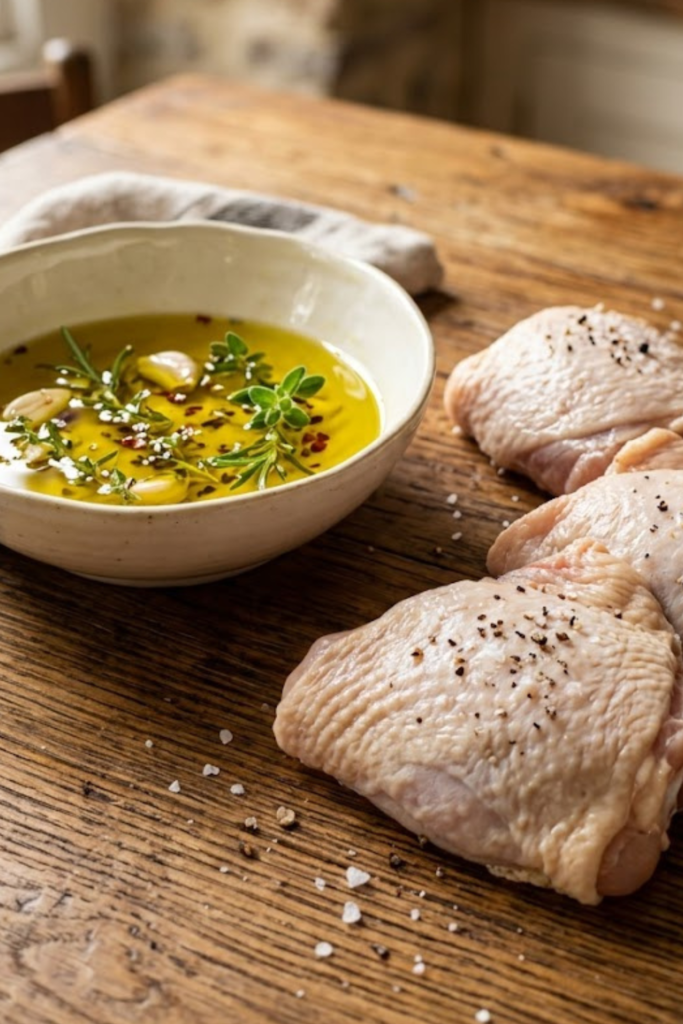
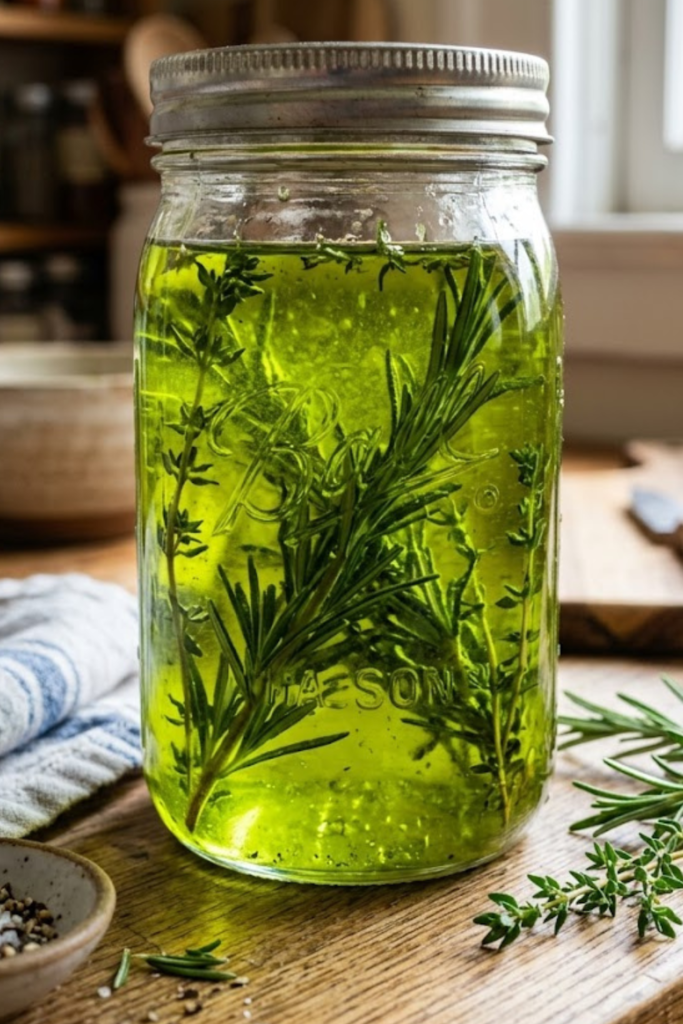
When you’re making chicken with herb olive oil, you really want to focus on the balance of your ingredients. Fresh herbs are always my first choice—rosemary, thyme, and maybe a little oregano if you have it in the garden. If you only have dried stuff in the cupboard, that’s okay, just use about a third of what the recipe says because dried herbs are way stronger. I like to whisk the oil and the herbs together really fast until they look like one thick liquid. This helps the flavors stick to the chicken instead of just sliding off into the bottom of your pan.
And here is a little trick I tell everyone: you don’t need to soak it for hours. For a good chicken with herb olive oil flavor, 30 minutes is usually plenty of time. If you wait too long, the salt in the mix starts pulling the juice out of the bird, and nobody wants dry meat. Just rub it in real good, let it sit on the counter for a bit while your oven gets hot, and you’re all set. It’s a simple step, but it makes a huge difference in how the meal tastes when you finally sit down at the table.
Pro Cooking Techniques for Maximum Juiciness
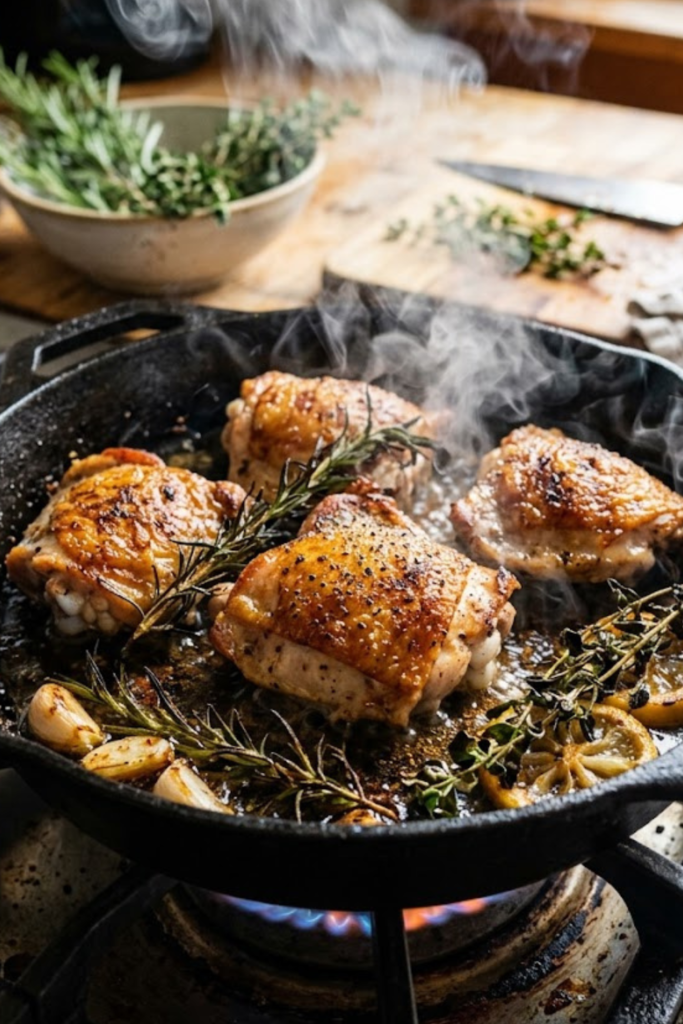
I used to just throw my bird in the oven and hope for the best. I’d peek through the glass every five minutes, wondering if it was done yet. Usually, I’d end up with something that was either raw in the middle or as dry as a desert. Then my neighbor, who’s a retired chef, saw me struggling one day and gave me a heavy cast iron skillet. He told me, “You gotta sear it first, then finish it in the heat.”
That changed everything for my chicken with herb olive oil. Now, I always start by taking the meat out of the fridge about twenty minutes early so it isn’t freezing cold when it hits the pan. If the meat is too cold, it just won’t brown right and the middle stays raw while the outside burns. I get that skillet real hot on the stove with just a tiny bit of oil. When you put the meat in skin-side down, you want to hear a loud, angry sizzle. If it’s quiet, your pan isn’t hot enough! I let it sit there until it’s dark golden brown. Don’t try to move it too soon or the skin will stick and rip off, which is a total mess and ruins the look of the dish.
One thing I learned the hard way is to not crowd the pan. I used to try and cram way too many pieces in at once because I was in a hurry, and they just steamed in their own juices instead of getting crispy. It’s much better to do it in batches if your skillet is small. Once the skin is perfect, I slide the whole pan into the oven to finish cooking. I usually spoon a little of that warm chicken with herb olive oil from the bottom of the pan back over the top right before I close the oven door. It keeps the top from drying out and makes the house smell like a dream.
The most important tool in my kitchen isn’t a fancy knife; it’s a cheap digital thermometer. I stopped guessing years ago. You want the thickest part of the meat to hit exactly 165°F. If you take it out then, it stays juicy. If you wait until 180°F because you’re scared of undercooked meat, you’re going to be chewing on a boot. It’s also good to remember that the temperature will actually go up a few degrees while it sits on the counter, so don’t be afraid to pull it out just a tiny bit early.
One last thing—and this is the hardest part—you have to let it rest. I know it smells amazing and you’re hungry, but don’t grab your knife yet. If you cut it immediately, all those juices from the chicken with herb olive oil just run all over the cutting board and leave the meat dry. Give it ten minutes to just sit there under a loose piece of foil. I usually set a timer on my phone so I don’t get tempted to poke at it. It’s a small wait for a much better meal, and your family will definitely notice the difference.
In the end, making incredible chicken with herb olive oil isn’t about fancy gadgets; it’s about respecting the ingredients. Just remember to use high-quality oil and fresh aromatics to really make those flavors pop! I’ve spent a lot of years messing up dinner, so believe me when I say that keeping it simple is usually the best way to go. You don’t need to buy every gadget in the kitchen aisle to make this taste like it came from a professional chef. Just grab some fresh rosemary, a bottle of the good oil, and don’t be scared to get your hands a little greasy while you rub it all in.
My family always knows it’s going to be a good night when they smell those herbs roasting in the oven. If you have some leftovers, they’re great on a salad the next day, though in my house, there’s rarely anything left! It really is about taking those few extra minutes to do things the right way rather than the fast way. Cooking should be fun, not a chore, and I hope this recipe helps you feel more confident next time you’re standing in front of the stove. If you loved these tips, please save this post to your favorite Pinterest board so your friends can stop eating dry chicken too!