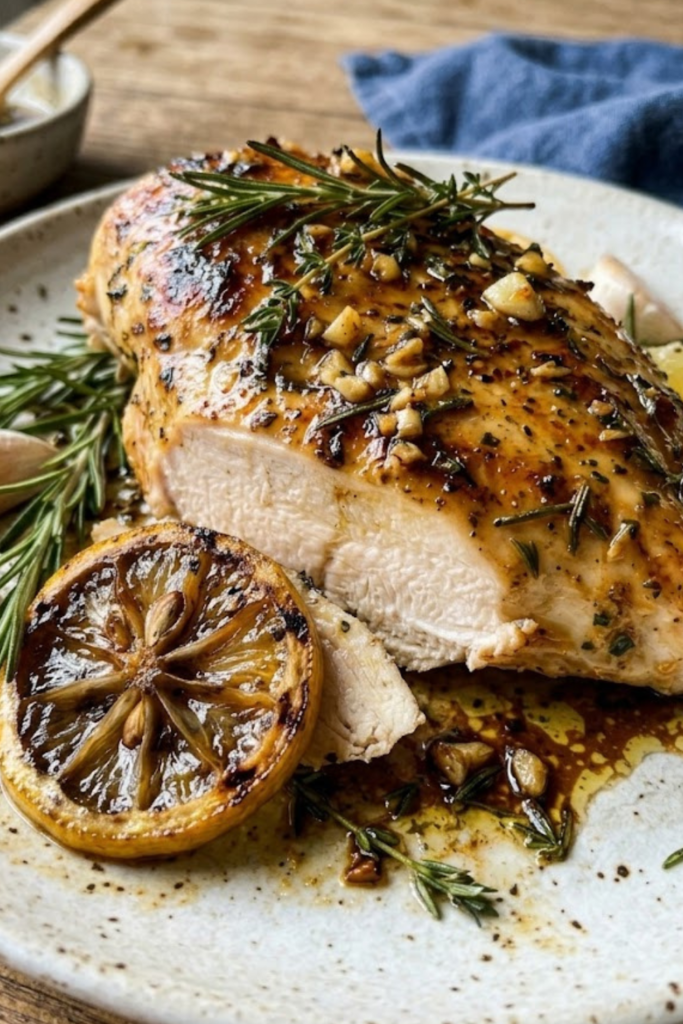
Did you know that over 70% of home cooks struggle with dry chicken breast? It’s a tragedy, really! I’ve spent years in my kitchen trying to fix that, and let me tell you, this chicken with lemon herb glaze is the absolute game-changer you need. We are talking about zesty, bright flavors that make your taste buds dance! It’s simple enough for a Tuesday but fancy enough for a dinner party. Let’s get cooking!
I remember the first time I made this for my family; the plates were scraped so clean I barely had to wash them. The secret is all in how that citrus hits the pan and creates a sticky coating that locks in every bit of moisture. You don’t need to be a professional chef or have a pantry full of expensive stuff to make this work. Most of these ingredients are probably sitting in your kitchen right now just waiting to be used. I’ve refined this method over dozens of Sunday roasts until it was foolproof. It really is the kind of meal that makes you feel like a hero when you put it on the table. Plus, the way the house smells while the rosemary and lemon are bubbling away is just a bonus!
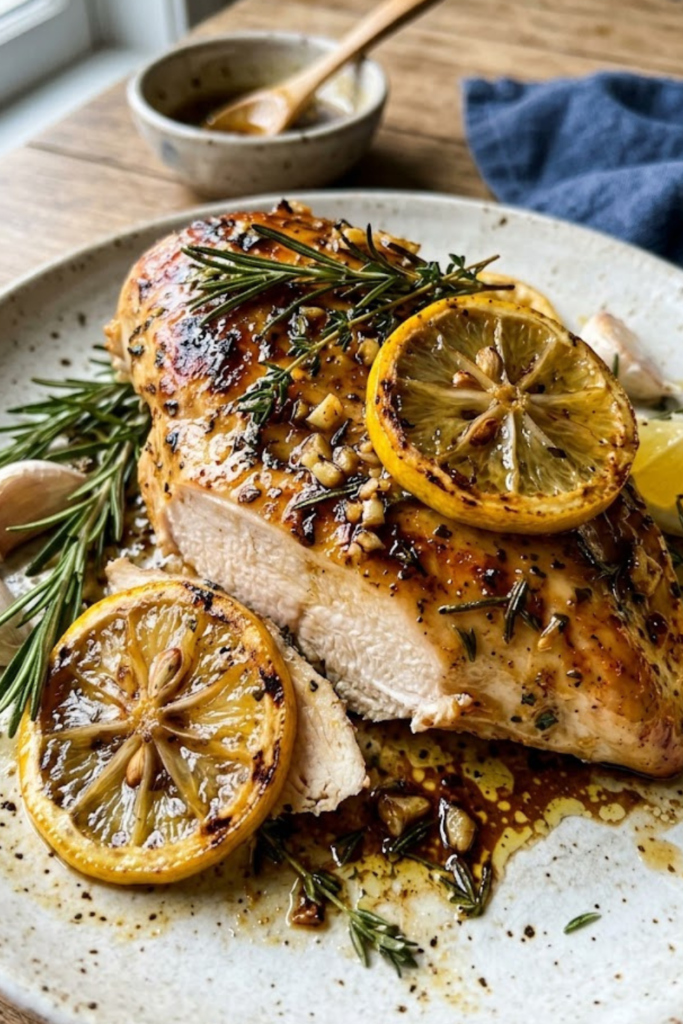
Why This Lemon Herb Glaze Actually Works
I used to think that just throwing some lemon juice on a piece of meat was enough to call it a “recipe.” Boy, was I wrong! After ruining more than a few Sunday dinners, I finally figured out the science behind why this specific glaze makes the chicken so tender. See, the acid in the lemon juice does more than just add a zing. It actually starts breaking down the tough fibers in the meat. But you have to be careful—if you leave it on too long, the chicken gets mushy, which is definitely not the goal.
The real secret I found is adding a bit of honey. It balances out that sour lemon bite. Plus, when the chicken hits the hot pan or the oven, the sugar in the honey starts to brown. This creates a sticky, golden-brown crust that looks like it came from a fancy restaurant. I also always try to use fresh rosemary and thyme from my little windowsill garden. Dried herbs are okay in a pinch, but fresh ones have oils that really wake up the whole dish. It makes the kitchen smell amazing while it’s cooking!
I also noticed that the honey acts like a glue for the herbs, so they actually stay on the chicken instead of falling into the bottom of the pan. If you’ve ever had a dry chicken breast, it’s usually because the moisture escaped while it cooked. This glaze creates a thin seal that keeps those juices right where they belong. I usually spend a few extra minutes whisking the glaze until it’s super smooth, which helps it coat every nook and cranny. It’s funny how a few simple science tricks can take a meal from “meh” to “wow” without much extra work. You’ll see that once the glaze starts to bubble and thicken, it changes from a thin liquid into a rich sauce that clings to the meat perfectly. It’s really satisfying to watch that transformation happen right in front of you.
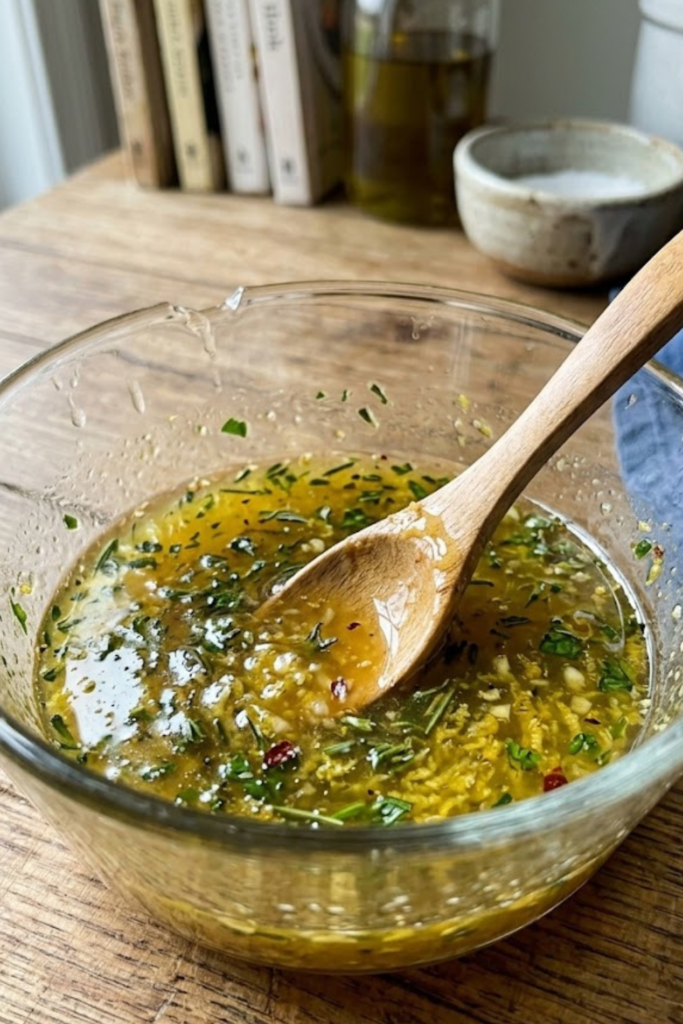
Essential Ingredients for the Perfect Glaze
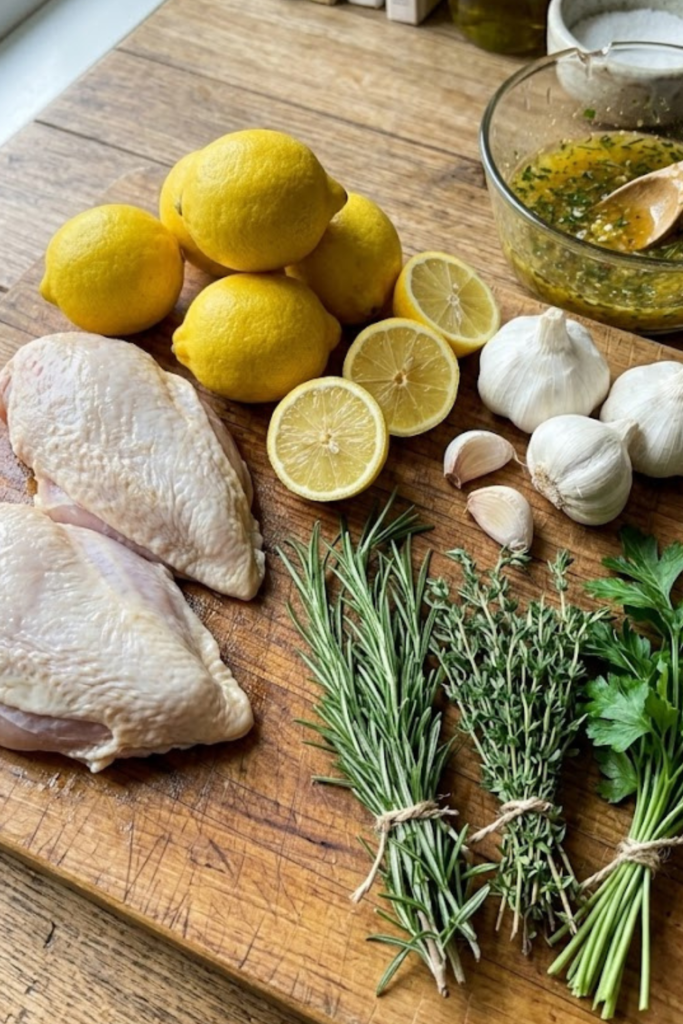
When I first started making this, I used to just grab whatever was in the fridge. But I’ve learned that the quality of your ingredients really changes how the final bird tastes. You want that bright, zingy flavor, right? Well, that starts with the lemons. Skip the plastic squeeze bottle—it has a weird metallic aftertaste that can ruin the whole vibe. Get two or three heavy, soft lemons because they usually have the most juice.
Here is what you’ll need to get that restaurant-quality flavor at home:
- The Chicken: I’m a huge fan of bone-in, skin-on thighs. The skin gets so crispy with the glaze! But if you like white meat, just make sure you don’t overcook it.
- Fresh Garlic: Don’t use the pre-minced stuff in the jar. It’s convenient, I know, but it lacks that spicy punch that fresh cloves give. I usually smash about four cloves for a standard batch.
- The Oil: Use a good extra virgin olive oil. It helps the glaze stick to the meat and carries the herb flavors better than vegetable oil.
- The Sweet Stuff: A tablespoon of honey or maple syrup. This isn’t just for sweetness; it’s the secret to getting those dark, caramelized bits that everyone fights over at the table.
- The Herbs: Rosemary and thyme are my go-to’s. If you have some parsley, chop that up at the very end to sprinkle on top for a pop of color.
I also like to add a tiny pinch of red pepper flakes. It doesn’t make it “hot” exactly, but it adds a little warmth that makes the lemon taste even brighter. Trust me on that one!
I’ve also found that adding a teaspoon of Dijon mustard can act as a bridge between the oil and the lemon juice. It helps keep the glaze from separating, so every bite gets the same amount of flavor. If you can find it, try using Kosher salt instead of regular table salt. The bigger grains make it easier to season the chicken evenly without making it too salty. I always keep a small bowl of it on my counter just for recipes like this. Also, don’t forget the black pepper; cracking it fresh over the chicken right before you cook it makes a world of difference. It gives the glaze a little bit of a “bite” that cuts through the richness of the chicken skin. Sometimes I even zest the lemons before I juice them and mix that zest right into the herbs. It’s a small extra step, but man, the smell alone makes it worth it! Having everything prepped and sitting on the counter before you start is my favorite way to cook—it keeps the kitchen from getting too messy.
Pro Tips for Grilling or Roasting Your Chicken
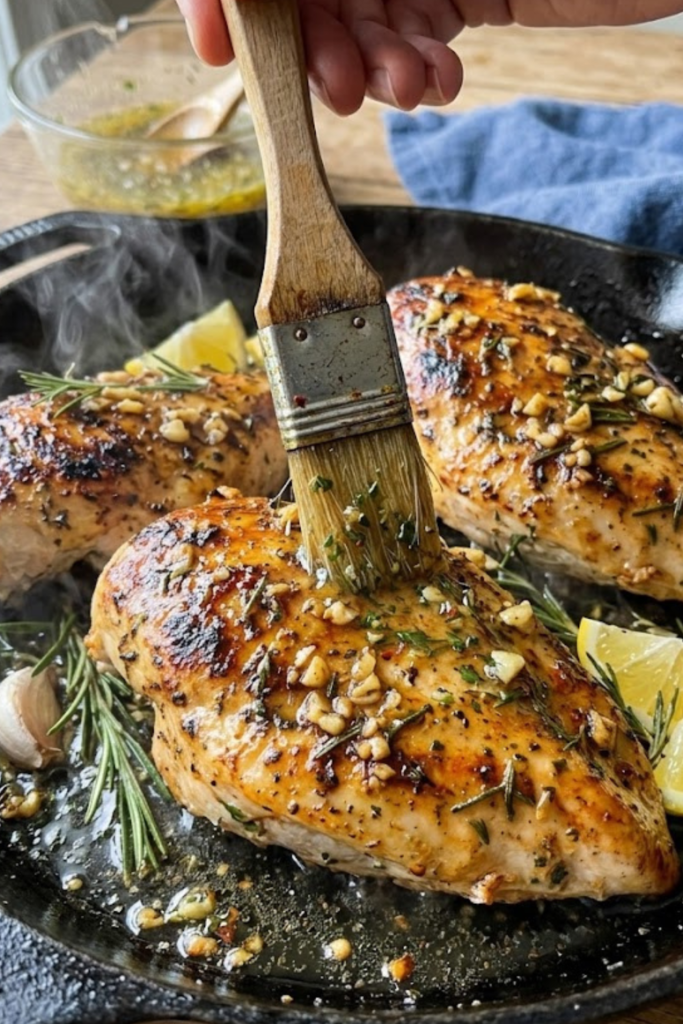
I’ve burned my fair share of dinner trying to get that “perfect” sear, so let me save you the trouble. The biggest mistake people make is moving the chicken too much. Once you put it in the pan or on the grill, just leave it alone for a few minutes! This lets the skin get crispy and prevents it from sticking. If you try to flip it and it feels stuck, it’s usually telling you it isn’t ready yet.
Another thing I always tell my friends is to get a cheap meat thermometer. Seriously, it’s the only way to be 100% sure you aren’t serving dry, overcooked meat. You want the internal temperature to hit 165°F. I usually pull mine off the heat at 162°F because the temperature keeps rising a little bit while the meat rests on the plate.
When it comes to the glaze, don’t brush it on too early. Since there is honey in there, the sugar can burn if it’s over high heat for too long. I like to wait until the chicken is almost done, then I brush a thick layer on and let it sizzle for just the last two or three minutes. This gives you that shiny, tacky finish without the bitter burnt taste. Also, let the meat rest for five minutes before you cut into it. If you cut it right away, all those delicious juices just run out onto the board, and we want those in the chicken!
Common Mistakes to Avoid with Citrus Glazes
I’ve definitely made some messes in my kitchen over the years, and citrus glazes can be a little tricky if you aren’t paying attention. The first big mistake I see—and I did this myself for a long time—is over-marinating. You think, “Hey, if 30 minutes is good, three hours must be better!” Nope. The acid in the lemon actually starts “cooking” the outside of the chicken, and it turns the texture into something mushy and unappealing. Keep your marinating time under an hour for the best results.
Another thing that used to get me was the garlic. If you mince it super fine and put it in the pan right at the start, it’s going to burn and turn bitter before the chicken is even halfway done. I learned to either use bigger chunks of garlic that I can move around, or just wait to add the garlic into the glaze during those last few minutes of cooking.
Lastly, please don’t use the bottled lemon juice. I know it’s easier than squeezing a real lemon, but that stuff has preservatives that give it a weird, sharp tang that just doesn’t taste like home cooking. Fresh lemons have those natural oils in the skin (the zest!) that give you a much deeper flavor. If you avoid these few things, your dinner is going to turn out much better than mine did the first time I tried this!
I really hope these tips help you make the best chicken with lemon herb glaze you’ve ever had! It took me a lot of trial and error—and a few smoky kitchens—to figure out that the secret isn’t just the ingredients, but how you treat them. Remember to be patient with the sear and keep that meat thermometer handy so you get those juicy results every time.
If you try this out and your family loves it as much as mine does, please share this post on Pinterest! It helps other home cooks find these easy tips, and I’d love to hear how yours turned out in the comments. Happy cooking!