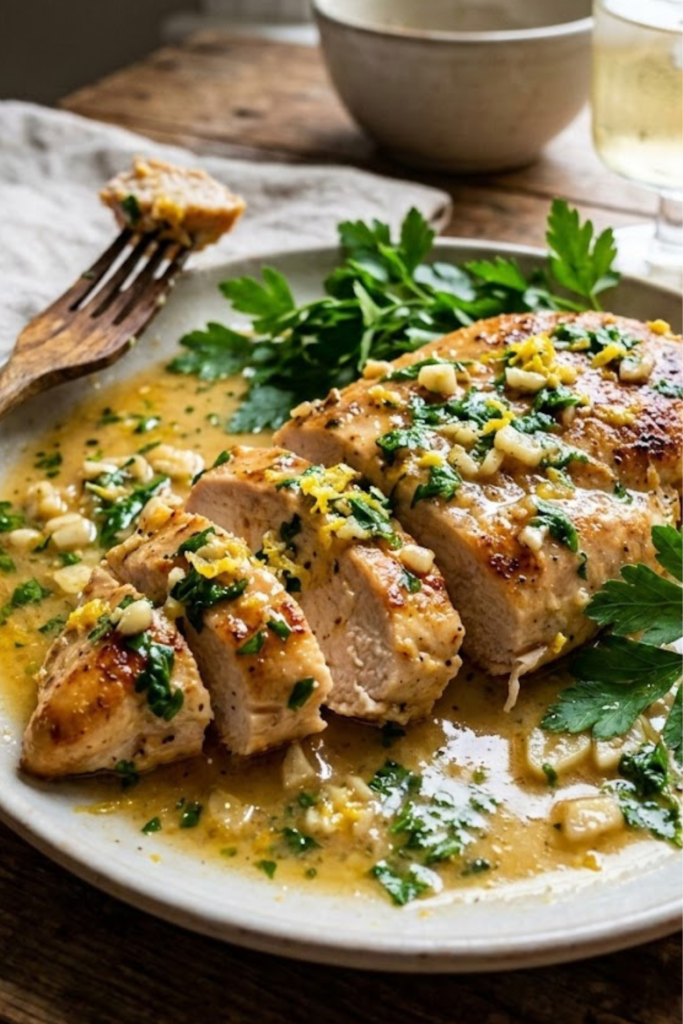
I used to think that “garlic sauce” meant feeling heavy and smelling like a kitchen cabinet for three days straight! But then I discovered the magic of a chicken with light garlic sauce that actually tastes fresh and zesty. Did you know that garlic consumption has jumped by nearly 25% in the last few years as people look for natural ways to boost flavor? Honestly, I was skeptical at first. I tried a version at a local bistro that was so greasy I almost gave up on the dish entirely! But after some trial and error in my own kitchen, I found the secret to that perfect, silky consistency that doesn’t weigh you down.
What I love most is how this dish fills the house with a cozy aroma without being overpowering. It’s the kind of meal that feels fancy enough for a Saturday night date but is quick enough to pull together when you’re exhausted on a Tuesday. I’ve found that using fresh, firm garlic bulbs makes a world of difference compared to the pre-minced stuff in a jar. Plus, when you see how the sauce glazes the chicken just right, you’ll never want to go back to those heavy, cream-based versions again. This recipe is a total game-changer for your weeknight rotation!
Picking the Right Cut: Why Thighs Over Breasts?
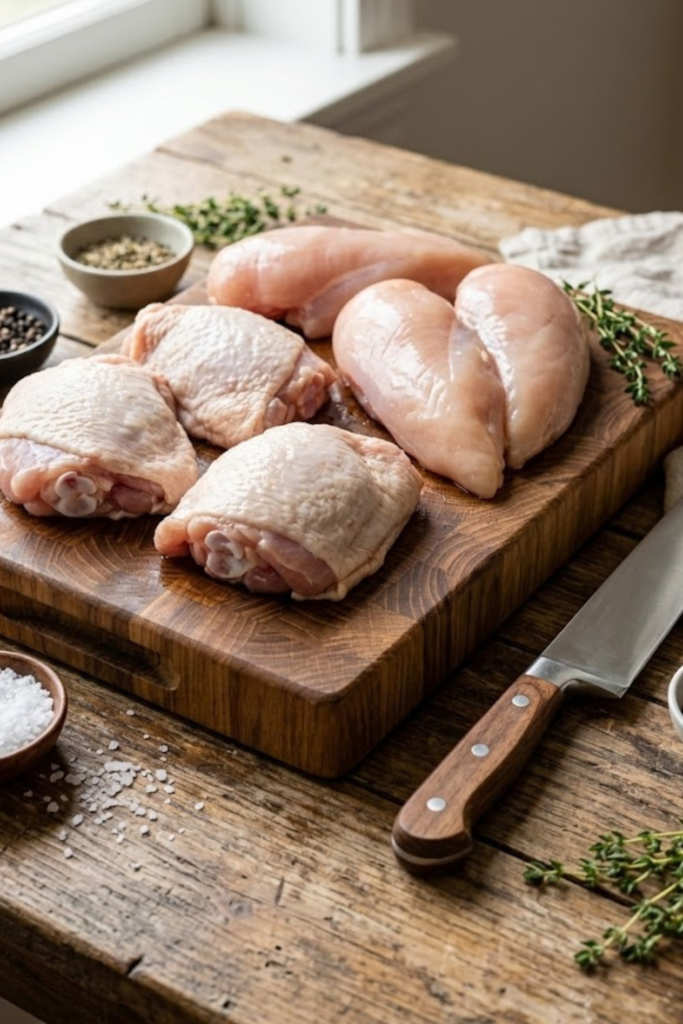
I’ve spent a lot of years in the kitchen, and if there is one thing I’ve learned, it’s that the cut of meat you choose makes or breaks the whole meal. When you are making chicken with light garlic sauce, you really have to decide between thighs and breasts.
Most people reach for chicken breasts because they are lean. That is fine, but they can get dry faster than a desert if you leave them in the pan a minute too long. I usually tell my students to try boneless, skinless thighs. They have a little more fat, which helps the meat stay juicy while the garlic sauce simmers. If you are worried about calories, just take a good pair of kitchen shears and trim off the visible white fat before you start.
To get that perfect golden-brown color, you need to pat the meat dry with a paper towel first. If the chicken is wet, it just steams in the pan and looks gray. Get your pan nice and hot with a tiny bit of oil, lay the chicken down, and leave it alone for a few minutes. Don’t keep moving it around! Once it has a nice crust, it’ll pull away from the pan easily. This browning adds a deep flavor that makes your light sauce taste like it took hours to make.
If you really want to go the extra mile, try cutting your chicken into even, bite-sized pieces. This helps everything cook at the same speed, so you don’t end up with one piece that’s perfect and another that’s still raw in the middle. I also like to let the meat sit on the counter for about ten minutes before it hits the pan. If the chicken is ice-cold from the fridge, it drops the pan temperature too fast and you lose that beautiful sear. It might seem like a small detail, but these little habits are what separate a soggy dinner from a restaurant-quality meal. Trust me, once you see that deep golden crust mingling with the garlic, you’ll see why the extra effort is worth it.
The Secret to a “Light” Garlic Infusion
I’ve seen a lot of people make the mistake of just tossing a mountain of jarred minced garlic into a pan and calling it a day. If you want that professional, light flavor, you have to be a bit more thoughtful with how you handle the cloves. Garlic can go from sweet and aromatic to bitter and nasty in about ten seconds if the heat is too high.
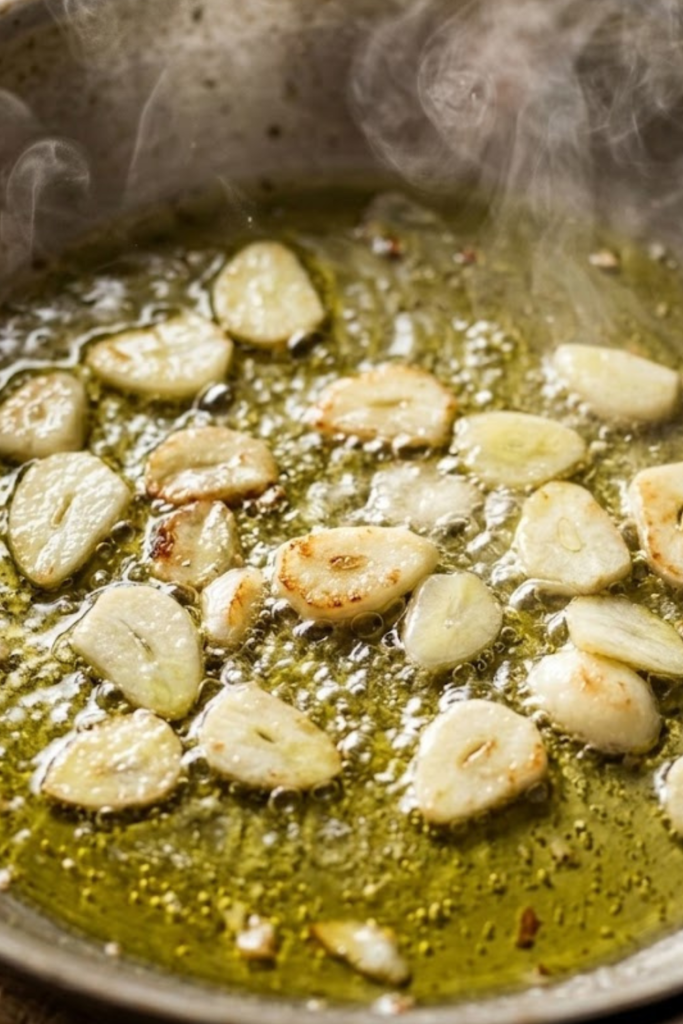
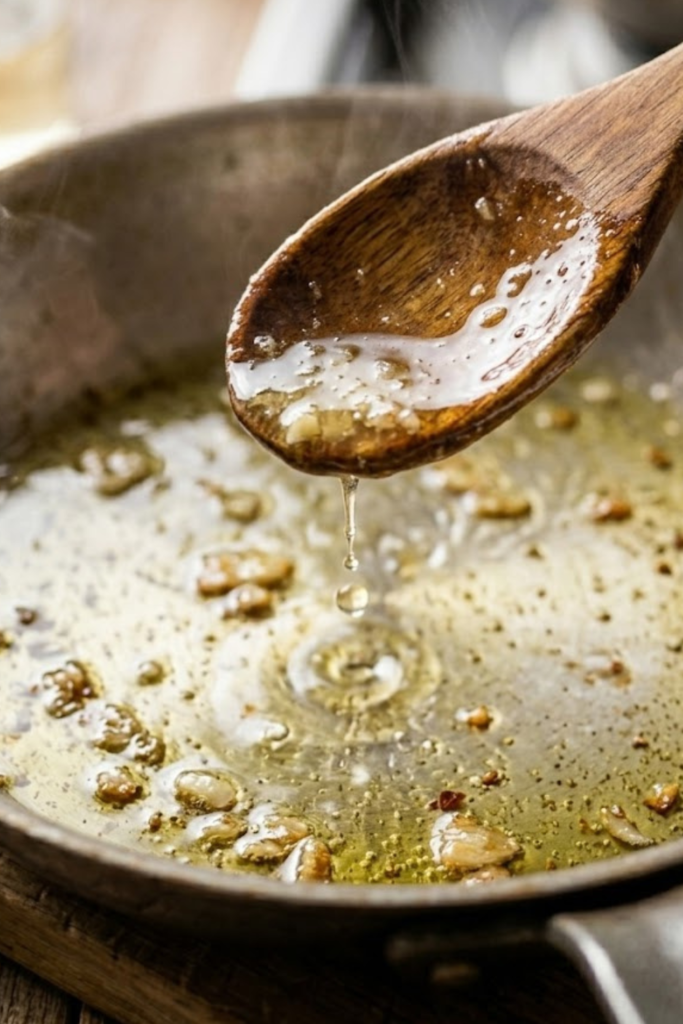
I usually like to slice my garlic into very thin “paper” slivers or give them a gentle smash. Slicing gives you a mellow, nutty taste, while smashing releases more of those pungent oils. For this light version, I start with a cold pan and some olive oil, letting the garlic warm up slowly. This infuses the oil without burning the garlic. To keep the sauce from feeling like a heavy lead weight in your stomach, I deglaze the pan with a bit of chicken broth and a squeeze of fresh lemon. The acidity from the lemon cuts right through the richness and makes the garlic taste bright instead of heavy. Just remember to keep your heat on low during this part—if the garlic turns dark brown, it’s best to toss it and start over!
If you really want to level up the flavor, try adding a few sprigs of fresh thyme or rosemary while the garlic is warming up. These herbs play so well with the garlic and add an earthy smell that makes your whole house feel like a cozy bistro. I also find that if you have a few shallots lying around, tossing them in with the garlic adds a subtle sweetness that rounds out the sharp edges of the sauce. Don’t be afraid to taste the sauce as you go. If it tastes a bit too acidic from the lemon, a tiny pinch of sugar can balance things out perfectly. Sometimes I even add a splash of dry white wine before the chicken broth if I’m feeling fancy; it adds a layer of flavor you just can’t get from water alone. Just keep an eye on that heat! You want a gentle simmer, not a raging boil, so all those delicate flavors have time to get to know each other.
Thickening Without the Heavy Cream
I used to think that the only way to get a sauce to stick to my chicken was by dumping in a cup of heavy cream. It tasted good, sure, but it felt like a brick in my stomach afterward! These days, I use a much lighter trick that I picked up from a chef friend. It’s called a slurry.
All you do is mix a teaspoon of cornstarch with a little bit of cold water in a small bowl until it’s smooth. Once your garlic and broth are simmering in the pan, whisk that mixture right in. Within a minute, the sauce turns from a thin watery mess into a beautiful, glossy glaze that coats the back of a spoon. If you want it to look really fancy, turn off the heat and whisk in just a tiny pat of cold butter at the very end. This is a classic trick to get that “restaurant shine” without adding hundreds of calories. Just make sure the sauce is hot when you add the slurry, or it won’t thicken up correctly!
The best part about using a slurry is that the sauce stays clear and bright, letting the white wine and lemon colors show through. If you find the sauce is still too thin, don’t just dump more powder in the pan, or you’ll get nasty clumps that taste like flour. Always mix it with cold water first! I’ve also found that if you let the sauce simmer for an extra minute after adding the starch, the “raw” taste of the cornstarch disappears completely. This method is great for people who can’t have dairy or just want to feel a bit more energetic after dinner. It really proves you don’t need a half-gallon of cream to make a meal feel special. Plus, cleaning a pan that didn’t have cream in it is way easier, which is always a win in my book.
Perfect Pairings: What to Serve with Your Garlic Chicken
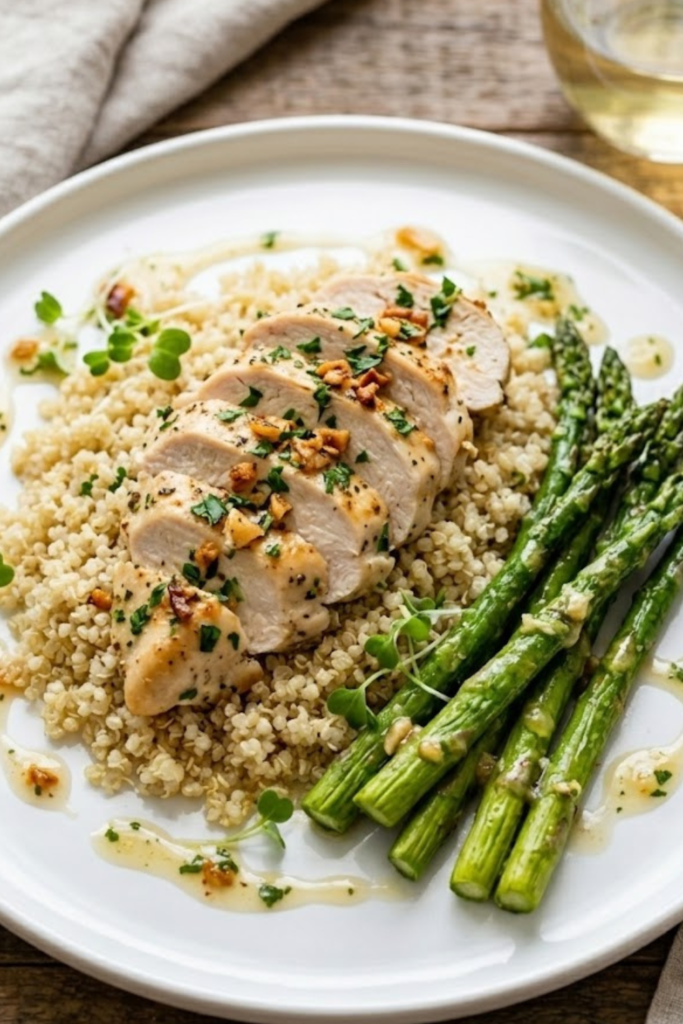
Deciding what to put on the plate next to your chicken is just as important as the sauce itself. Since we worked so hard to keep the garlic sauce light and zesty, you don’t want to drown it out with something super heavy or greasy. I usually lean towards grains that can soak up every last drop of that liquid gold without getting mushy.
Quinoa is a personal favorite of mine because it has a tiny bit of crunch and a nutty flavor that goes great with garlic. If you’re trying to keep things low-carb, a big pile of roasted cauliflower rice works wonders too. For the veggies, I like to keep it green. In 2026, everyone seems to be obsessed with charred asparagus or even honey-glazed radishes, which add a nice little bite. If you’re feeling a bit fancy, open a bottle of crisp white wine—like a Sauvignon Blanc. The bubbles or the acidity in the wine really help clean your palate between bites of that savory garlic goodness.
Making a killer chicken with light garlic sauce doesn’t have to be a struggle or a grease-fest. By focusing on fresh cloves and a balanced liquid base, you get all the punch without the heavy feeling! I hope you give this a shot next Tuesday—your family will probably beg for seconds.
Honestly, the best part about this dish is how versatile it is. If you have some leftover spinach or kale, you can toss it into the pan at the very end and let it wilt into the sauce for an extra boost of vitamins. I’ve even tried adding a pinch of red pepper flakes when I wanted a little kick to wake up my taste buds. It’s one of those reliable meals that makes you feel like a pro in the kitchen without requiring a sink full of dirty dishes. Once you master that simple cornstarch trick, you’ll find yourself making all sorts of healthy sauces this way. If you loved this recipe, please share it on Pinterest so others can ditch the heavy cream too!