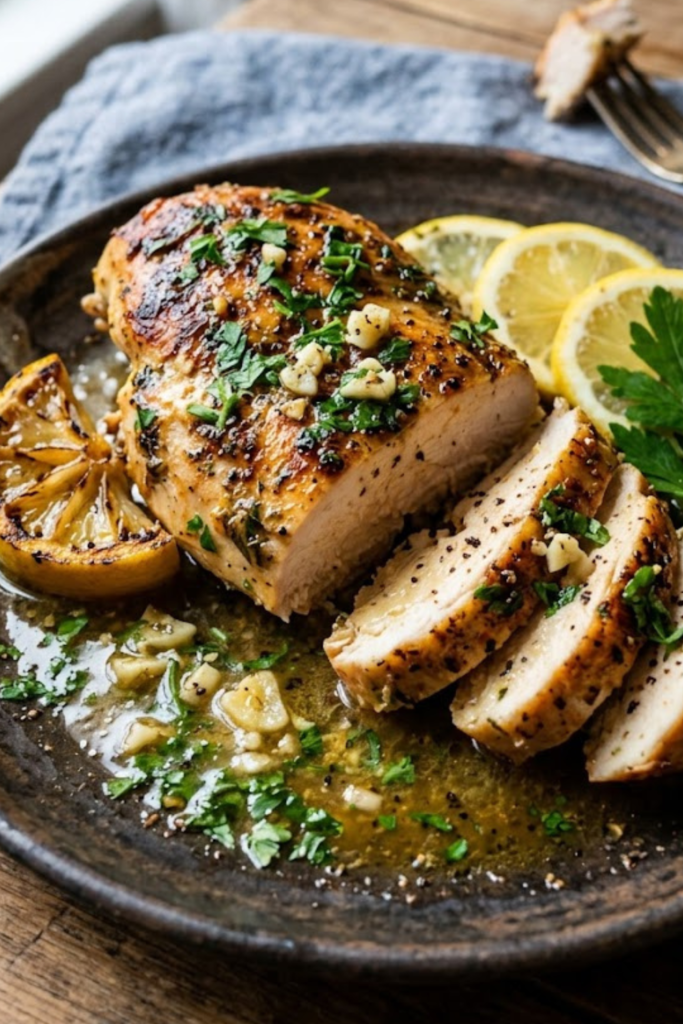
I’ve always said that a bad meal is a wasted opportunity for joy, and honestly, nothing brings more joy than a pan of sizzling poultry! Did you know that nearly 70% of home cooks admit that chicken is their most-cooked protein, yet many struggle to keep it from drying out? Well, I’ve been there, staring at a rubbery chicken breast and wondering where I went wrong. After years of experimenting in my own messy kitchen, I finally perfected this chicken with savory lemon butter recipe that changed everything. It’s zesty, it’s rich, and it’s about to become your new favorite 20-minute dinner. Let’s get cooking!
Essential Ingredients for the Best Savory Lemon Butter Sauce
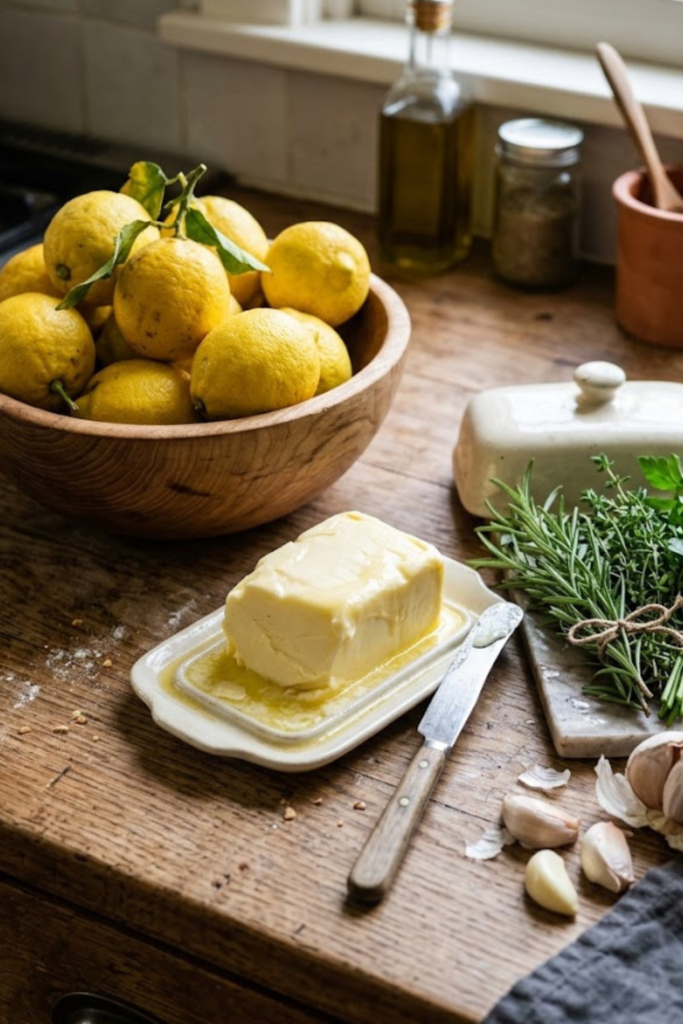
Okay everyone, let’s get our supplies ready for this chicken with savory lemon butter. I’ve learned the hard way that you can’t make a great meal out of bad ingredients. If you use cheap stuff, the food just won’t taste right. I remember one time I tried to use that old lemon juice in the green plastic bottle because I was too lazy to go to the store. Big mistake! It tasted like floor cleaner.
First, you need real, fresh lemons. Don’t even look at the bottled juice. You want the zest and the fresh juice because that’s where the bright flavor lives. I usually grab three or four lemons just in case one is a bit dry.
For the butter, I always pick up a box of unsalted butter. This is a big tip because different brands of salted butter put different amounts of salt in their sticks. If you use unsalted, you get to decide exactly how salty your sauce is. It puts you in the driver’s seat of your kitchen.
Then there is the garlic. Please, use fresh cloves! I know peeling them is a bit of a chore, but jarred garlic has a strange metallic taste. It really messes up the delicate balance of the lemon butter. I use about four fat cloves, but you can add more if your family really loves garlic.
Now, let’s talk about the meat. If you are scared of the chicken getting dry, buy boneless skinless thighs. They have a bit more fat and stay juicy even if you cook them a minute too long. If you want to keep it lean, breasts are fine too. Just make sure they are about the same thickness so they cook evenly. Lastly, grab some fresh parsley or thyme. Those little green bits make the dish look like it came from a fancy cafe!
Preparing Your Chicken for a Perfect Pan-Sear
Before you even think about turning on the stove, you’ve got to get your meat ready. I used to be so impatient and would just rip the plastic off the tray and toss the cold, wet meat right into the pan. My husband used to joke that I was “boiling” the meat in its own juices because it would never turn brown. It just looked gray and sad. If you want that beautiful golden color for your chicken with savory lemon butter, you have to listen to this one tip: use paper towels!
I grab a big stack of paper towels and pat every single piece of meat until it is bone dry. If there is water on the surface, the heat from the pan goes into evaporating the water instead of browning the meat. It makes a huge difference in how the final dish looks and tastes.
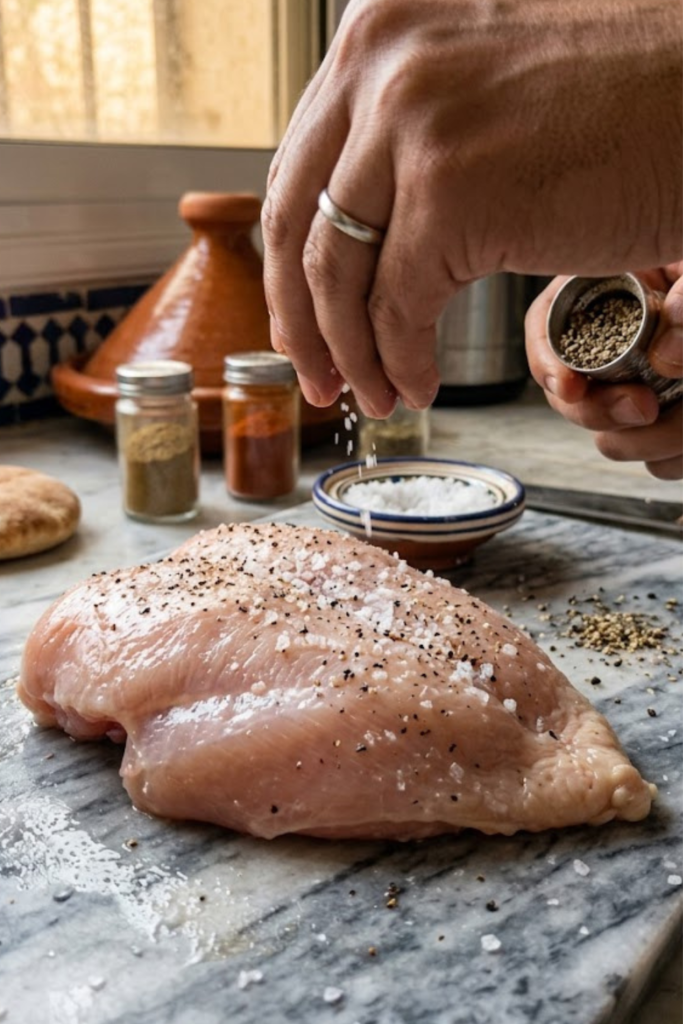
Once it’s dry, I do a simple seasoning. I don’t go crazy here because the sauce is the star. Just a good sprinkle of salt and cracked black pepper on both sides. Then, I like to do a very light dusting of all-purpose flour. This isn’t like fried chicken where you want a thick crust. You just want a tiny bit of flour to help create a “seal” and eventually help thicken that savory lemon butter sauce later on.
One last thing—try to let the meat sit on the counter for about 15 minutes before you cook it. Taking the chill off helps the meat cook way more evenly. If the middle is freezing cold and the outside is hitting a hot pan, you end up with a burnt outside and a raw middle. Nobody wants that! Just these few little steps make the whole process go so much smoother.
Mastering the Pan-Searing Technique
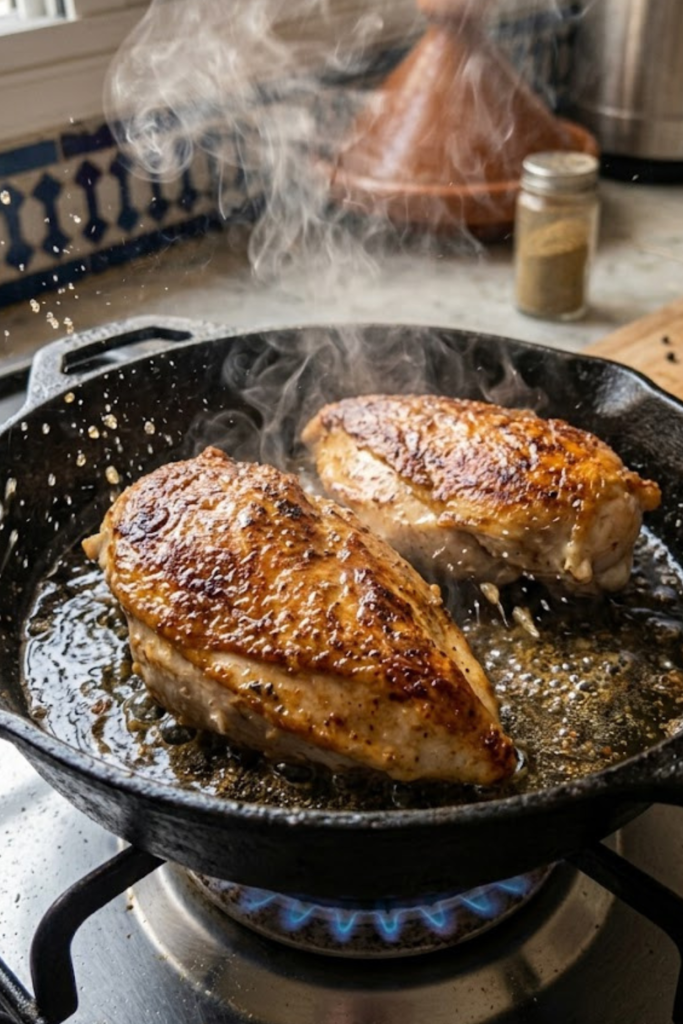
If you want your chicken with savory lemon butter to taste like it’s from a fancy restaurant, you have to get the pan-searing right. I used to be terrified of high heat. I thought I’d burn the house down! My first few tries were pretty bad—I used a thin, non-stick pan that didn’t hold heat at all. The meat just looked pale and sad. Now, I always reach for my heavy cast iron skillet or a good stainless steel pan. These heavy pans stay hot even when you put cold meat in them, which is the secret to that golden crust.
How do you know when it’s hot enough? I always do the “sizzle test.” I just dip my fingers in a bit of water and flick a tiny drop into the pan. If it pops and dances around immediately, you’re ready! If it just sits there or bubbles slowly, give it another minute. If you rush this part, your chicken will stick to the pan like glue. I’ve spent many nights scrubbing burnt chicken bits off my pans because I was too impatient to wait for the sizzle.
The biggest mistake I see people make is trying to cook too much at once. If you crowd the pan, the temperature drops and the chicken starts to release its juices. Instead of searing, you end up “steaming” the meat in a puddle of gray liquid. It’s better to cook in two batches if you have to. Give each piece of chicken about an inch of space. That way, the hot air can move around and give you those crispy, delicious edges that make chicken with savory lemon butter so addictive. Just be patient and let the pan do the work!
How to Make the Savory Lemon Butter Sauce from Scratch
Now we get to the part that actually makes the meal—the sauce! This is what turns a plain piece of meat into chicken with savory lemon butter. After you take the chicken out of the pan, don’t you dare wash that skillet! See those brown bits stuck to the bottom? Chefs call that “fond,” and it is basically concentrated flavor gold. If you throw that away, you’re throwing away the best part of the dinner.
To start, I pour in about half a cup of chicken broth or a splash of dry white wine while the pan is still hot. It will hiss and steam, which is always a bit exciting. Use a wooden spoon to scrape up all those tasty brown bits. This is called deglazing. I remember being so confused by that word back in school, but it just means cleaning the pan with liquid to make a sauce.
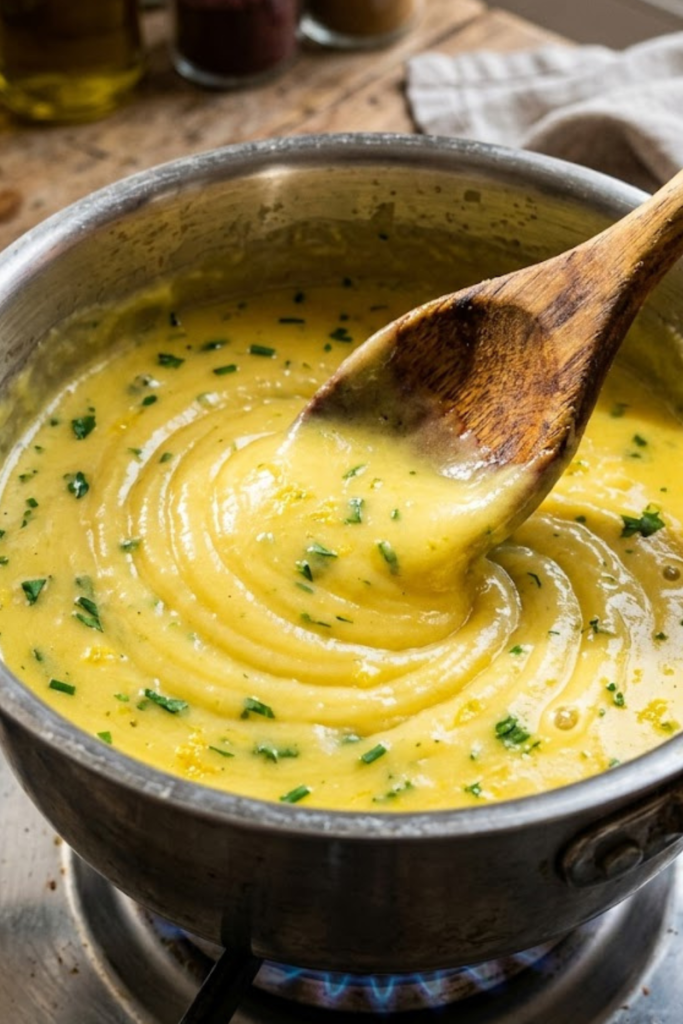
Once the liquid has bubbled down and thickened a little, turn the heat way down to low. Now, here is the secret trick: use cold butter. I take a few tablespoons of butter straight from the fridge and whisk them in one at a time. This makes the sauce creamy and thick instead of just greasy. If the pan is too hot, the butter will melt too fast and separate, looking oily, so stay patient.
Finally, squeeze in your fresh lemon juice. Give it a taste. Sometimes it needs a tiny pinch of salt or even a little drizzle of honey if the lemon is extra sour. It should taste bright and rich at the same time. Pour that liquid gold right over your chicken with savory lemon butter and get ready for everyone to ask for seconds. It’s so good you might want to lick the plate!
I really hope you give this chicken with savory lemon butter a try tonight. It’s one of those recipes that makes you feel like you really know your way around a kitchen, even if you’re just starting out. I’ve made plenty of mistakes over the years—from burning the garlic to making sauce that looked more like salad dressing—but that’s just how you learn! This dish is a great way to practice your timing and get comfortable with high-heat cooking.
Once you taste that zesty, creamy sauce over a perfectly browned piece of chicken, you’ll see why it’s a weekly staple in my house. It’s simple enough for a busy school night but feels special enough to serve if your friends come over. Plus, cleanup is pretty easy since it mostly happens in one pan. Just remember: dry the meat, wait for the sizzle, and don’t be afraid of the butter!
If you try this and love it as much as I do, please share it on Pinterest! I love seeing photos of how your meals turn out, and it helps other home cooks find recipes that actually work. Cooking should be fun and tasty, not stressful, and I think this dish is the perfect example of that. Happy cooking, and I’ll see you in the next recipe!