Whipped beef tallow recipe creates a luxurious, spreadable fat that transforms how you cook and care for your skin naturally. Beef tallow is rendered fat from cattle, and when whipped with care, it becomes an airy, creamy product that’s perfect for cooking, baking, skincare, and even candle making. This whipped beef tallow recipe guides you through the entire process from raw fat to finished product, requiring minimal equipment and simple techniques that any home cook can master. The resulting whipped beef tallow is shelf-stable, versatile, and delivers incredible flavor to your kitchen while offering proven health benefits backed by traditional cooking methods.
| Prep Time | Cook Time | Total Time | Servings | Difficulty | Cuisine |
|---|---|---|---|---|---|
| 20 minutes | 4 hours | 4 hours 20 minutes | 32 oz | Easy | Traditional |
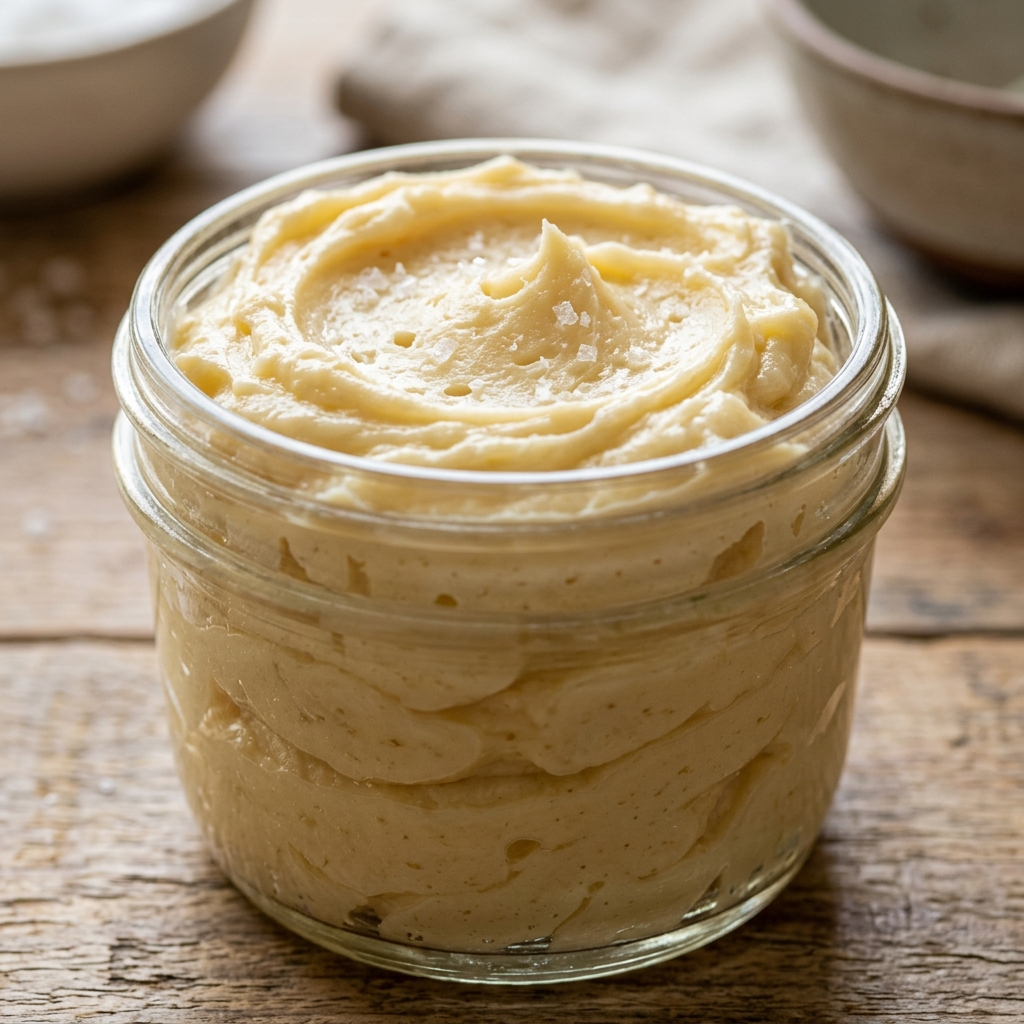
Table of Contents
Table of Contents
Why This Whipped Beef Tallow Recipe Works
Whipped beef tallow recipe succeeds because it captures the essence of traditional food preservation while delivering modern convenience. I’ve made this whipped beef tallow recipe dozens of times, and the consistency remains perfect every time because the technique is forgiving and scientific. The process of rendering beef fat slowly at low temperature breaks down connective tissue while preserving nutritional integrity and flavor compounds that make each use special.
The whipped beef tallow recipe creates a product superior to store-bought alternatives because you control the quality of the source fat. When you whip rendered beef tallow, you incorporate air into the solid fat, creating a texture that spreads easily at room temperature and melts beautifully in your mouth. This whipped beef tallow recipe produces results that stay creamy for months when stored properly, making it an investment in your kitchen’s foundation.
Making whipped beef tallow recipe at home costs a fraction of commercial skincare products while delivering pure, unadulterated ingredients. The flavor of homemade whipped beef tallow is richer and more complex than anything you can purchase, with subtle notes from the pasture and diet of the source animals. This whipped beef tallow recipe also teaches fundamental cooking skills that apply to other traditional food preparation methods.
Home cooks appreciate this whipped beef tallow recipe because it eliminates mystery ingredients and unknown processing methods. Once you understand the rendering process, you’ll never view commercial cooking fats the same way again. The texture of whipped beef tallow is almost luxurious, making everyday cooking feel elevated and intentional.
Whipped Beef Tallow Recipe Ingredients
Creating whipped beef tallow recipe requires quality source material and minimal additions to achieve superior results.
| Ingredient | Quantity | Notes with Alternatives |
|---|---|---|
| Grass-fed beef fat (suet or trim) | 2-3 pounds | Request from your butcher, frozen grass-fed beef fat works if fresh is unavailable. Alternative: grain-fed beef fat from grocery store, though grass-fed offers superior nutritional profile. |
| Filtered water | 1/2 cup | Helps wash rendered beef tallow during the purification process. Distilled water optional for sensitive applications like skincare. |
| Sea salt | 1/4 teaspoon | Optional for preservation and flavor. Omit for skincare-only applications or if following sodium-restricted diet. |
| Vitamin E oil | 1/4 teaspoon | Optional natural preservative for extended shelf life. Choose organic, non-GMO varieties. Omit if strictly for cooking. |
The foundation of whipped beef tallow recipe starts with sourcing high-quality beef fat, which determines the final product’s flavor and nutritional value. Grass-fed beef tallow offers superior fatty acid profiles and fewer toxins than conventional sources, making it worth seeking from local farms or specialty butchers.

How to Make Whipped Beef Tallow Recipe
Making whipped beef tallow recipe involves patient rendering followed by whipping for optimal texture and spreadability.
Phase One: Prepare Your Beef Fat
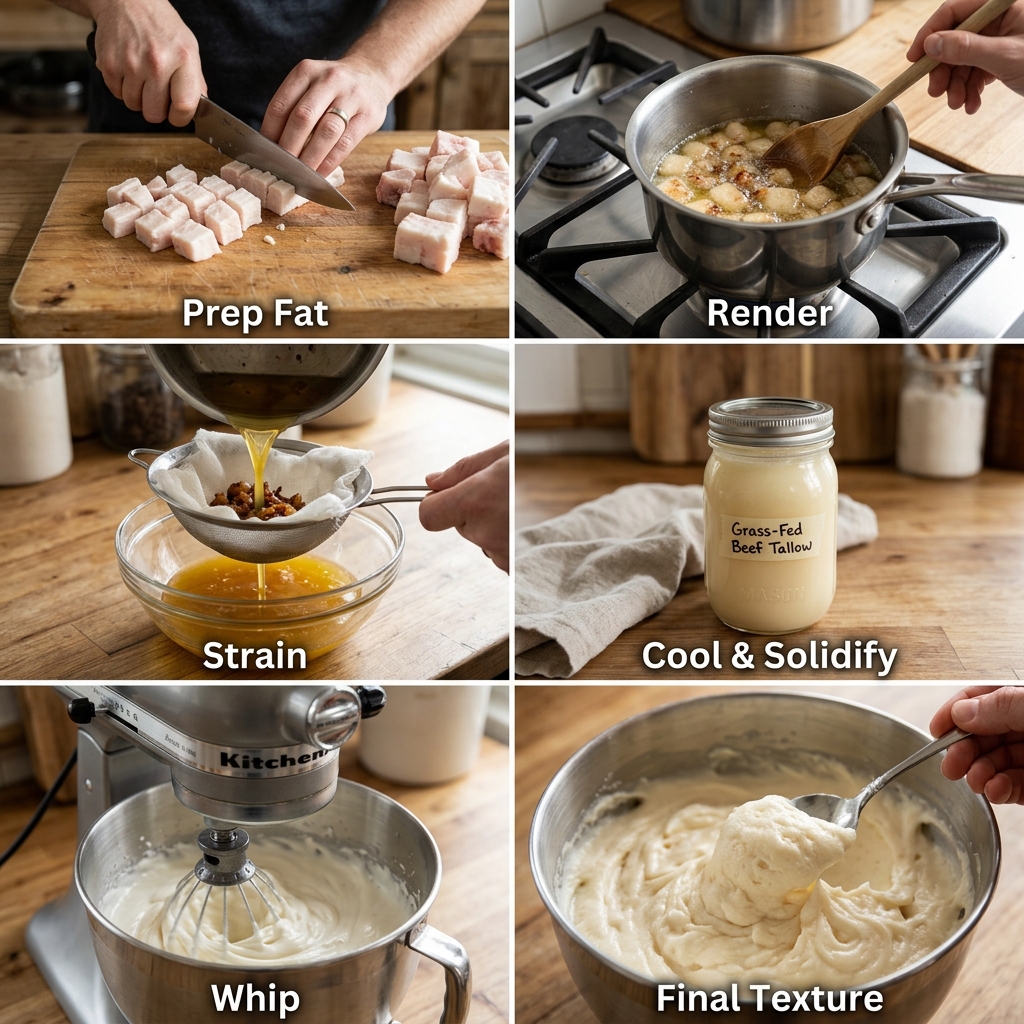
- Cut grass-fed beef fat into quarter-inch cubes to maximize surface area for even rendering.
- Remove any visible meat or connective tissue from the beef tallow pieces to ensure purity.
- Place cubed beef fat into a slow cooker, Dutch oven, or heavy-bottomed pot.
- Set heat to low (approximately 180°F) to begin the gentle rendering process.
- Cover loosely to allow steam to escape during whipped beef tallow recipe preparation.
Phase Two: Render the Beef Tallow
- Allow beef fat to render slowly for three to four hours, stirring occasionally every thirty minutes.
- Monitor the whipped beef tallow recipe mixture as the fat liquefies and solids settle to the bottom.
- Continue rendering until solids (called cracklings) turn golden brown and begin separating completely.
- Strain rendered beef tallow through cheesecloth or a fine mesh sieve into a clean glass jar.
- Save the cracklings for cooking if desired, or discard once the whipped beef tallow recipe liquid is separated.
Phase Three: Purify Your Rendered Beef Tallow
- Pour the strained beef tallow into a pot and add one-half cup of filtered water to the mixture.
- Heat gently to approximately 160°F while preparing whipped beef tallow recipe containers.
- Pour the mixture into a clean glass jar and refrigerate until completely solid, approximately eight hours.
- Remove from refrigeration and drain the water layer that accumulated beneath the beef tallow.
- Repeat the purification process if the beef tallow retains any odor or discoloration in your whipped beef tallow recipe.
Phase Four: Whip Your Beef Tallow
- Remove solid beef tallow from storage and cut into chunks suitable for your mixing vessel.
- Allow the beef tallow to reach room temperature, approximately sixty-five to seventy degrees Fahrenheit.
- Place softened beef tallow into a stand mixer or food processor for whipped beef tallow recipe preparation.
- Begin mixing at medium speed, scraping sides every two minutes during the whipping process.
- Continue whipping for five to eight minutes until the whipped beef tallow transforms into a pale, fluffy consistency.
- Add sea salt and vitamin E oil if desired, then pulse for thirty seconds to incorporate fully.
- Transfer finished whipped beef tallow recipe to glass jars for storage and use.
Chef Tips for Perfect Whipped Beef Tallow Recipe
Mastering whipped beef tallow recipe requires attention to temperature, timing, and technique details that separate mediocre results from exceptional outcomes.
- Source grass-fed beef fat from local farms when possible for superior flavor and nutritional content in your whipped beef tallow recipe. Call farms directly or visit farmers markets to request fat trimmings at reasonable prices.
- Render beef tallow at temperatures below 200°F to preserve heat-sensitive nutrients and prevent oxidation that creates off-flavors in your whipped beef tallow recipe.
- Whip the beef tallow when it reaches exactly room temperature, not warmer or cooler, for the best texture in your whipped beef tallow recipe. Cold tallow won’t whip properly, while warm tallow melts instead of incorporating air.
- Use a stand mixer for consistent results when making whipped beef tallow recipe at scale, though hand-whisking works for smaller batches with more effort and time investment.
- Stop whipping when your beef tallow reaches a spreadable consistency similar to softened butter in your whipped beef tallow recipe. Over-whipping can cause separation or graininess that reduces quality.
- Store whipped beef tallow recipe in glass containers rather than plastic, which can leach chemicals and absorb odors over time.
Common Whipped Beef Tallow Recipe Mistakes to Avoid
Understanding common pitfalls helps you create perfect whipped beef tallow recipe results on your first attempt.
- Rendering at too high temperature: This mistake creates oxidized beef tallow with rancid flavors and reduced nutritional value in your whipped beef tallow recipe. Fix this by using a cooking thermometer to maintain temperatures below 200°F throughout rendering, monitoring continuously and adjusting heat as needed.
- Skipping the purification process: Omitting water purification leaves protein particles and water in your beef tallow, causing the whipped beef tallow recipe to separate and spoil faster. Solve this by always performing at least one purification cycle, draining accumulated liquid from beneath the solidified beef tallow.
- Whipping cold or warm tallow: Attempting to whip beef tallow that’s too cold results in chunky texture, while tallow that’s too warm simply melts during the whipped beef tallow recipe process. Allow rendered beef tallow to reach room temperature gradually, testing consistency by pressing with your finger before whipping.
- Using poor-quality source fat: Grain-fed or feedlot beef tallow produces inferior results compared to grass-fed sources, affecting every whipped beef tallow recipe batch. Seek grass-fed fat from local farms, paying slightly more for dramatically better flavor and nutritional outcomes.
- Over-whipping the beef tallow: Whipping for too long causes the whipped beef tallow recipe to separate, becoming grainy and unstable. Stop whipping immediately when the texture resembles soft butter, checking every thirty seconds during the final whipping phase.
- Storing in improper containers: Plastic containers absorb odors and chemicals leach into your whipped beef tallow recipe, compromising purity and taste. Always use glass jars with tight-sealing lids for optimal storage of your whipped beef tallow recipe.
Best Whipped Beef Tallow Recipe Variations and Substitutions
The basic whipped beef tallow recipe adapts beautifully to different purposes and flavor preferences.
| Ingredient or Method | Substitution or Variation | Impact on Flavor and Use |
|---|---|---|
| Plain whipped beef tallow | Add 1/4 teaspoon dried herbs (rosemary, thyme, or sage) | Creates savory whipped beef tallow recipe perfect for cooking vegetables and roasted meats. Adds complexity without overpowering. |
| Vitamin E oil preservation | Substitute with rosemary extract or astaxanthin powder | Alternative natural preservatives for whipped beef tallow recipe extend shelf life while avoiding vitamin E. Rosemary extract adds subtle herbal notes. |
| Sea salt flavoring | Use truffle salt or infused salt varieties | Elevates whipped beef tallow recipe for special occasions. Adds luxury touch without changing preparation method or texture. |
| Grass-fed beef fat | Substitute with duck fat or high-quality lamb tallow | Creates variations on whipped beef tallow recipe with different flavor profiles. Duck fat produces more delicate taste, lamb tallow brings stronger character. |
| Single rendering process | Triple-render your beef tallow for extra purity | Multiple purifications create whipped beef tallow recipe suitable for sensitive skincare use. Extends shelf life and removes any remaining impurities. |
| Standard whipping time | Whip for longer (10-12 minutes) for extra-fluffy consistency | Creates lighter, airier whipped beef tallow recipe with whipped cream-like texture. Perfect for cosmetic applications requiring maximum spreadability. |
Each variation of whipped beef tallow recipe maintains the core benefits while adapting to specific culinary or cosmetic purposes. The beauty of making whipped beef tallow recipe at home lies in customization that store-bought alternatives cannot match.
Serving Suggestions for Whipped Beef Tallow Recipe
Transform your finished whipped beef tallow recipe into countless culinary and cosmetic applications that elevate daily living.
For cooking applications, use whipped beef tallow recipe as your base fat for pan-frying steaks, creating golden roasted vegetables, or baking heritage-style pastries that develop incredible flavor and texture. Spread room-temperature whipped beef tallow recipe on fresh bread or biscuits like butter for simple, satisfying meals that showcase the purity of traditional cooking methods. Incorporate whipped beef tallow recipe into homemade mayonnaise or salad dressings for classic preparations with superior fatty acid profiles and real food ingredients.
For weeknight dinners, whipped beef tallow recipe serves as the foundation for crispy potatoes, perfectly seared fish, and roasted root vegetables that family members will request repeatedly. Use whipped beef tallow recipe when making bone broth, adding richness and mouth-feel that surpasses conventional broths lacking quality fat. Store whipped beef tallow recipe in your pantry for emergencies, creating a reliable cooking medium that remains shelf-stable and ready for last-minute meal preparation.
For skincare and cosmetic purposes, combine whipped beef tallow recipe with essential oils to create natural face moisturizers suitable for all skin types. Blend whipped beef tallow recipe with beeswax and essential oils to craft homemade lip balms, body butters, and healing salves that truly work. Use plain whipped beef tallow recipe as an overnight face treatment, massage oil for muscle soreness, or natural makeup remover that simultaneously nourishes skin.
Serve whipped beef tallow recipe alongside charcuterie boards, cheese selections, and artisanal bread for gatherings that celebrate real food traditions. Include whipped beef tallow recipe in holiday gift baskets with handwritten cards explaining the rendering process and potential uses. Share whipped beef tallow recipe with friends converting to nutrient-dense cooking, providing tangible evidence of the benefits traditional fats deliver.

Storage and Reheating for Whipped Beef Tallow Recipe
Proper storage ensures your whipped beef tallow recipe remains fresh, safe, and ready for months of use.
| Storage Method | Duration | Instructions |
|---|---|---|
| Room Temperature (dark cupboard) | 3-6 months | Store whipped beef tallow recipe in sealed glass jars away from direct light and heat. Keep lid tightly sealed to prevent oxidation. Check monthly for any off-odors or discoloration in your whipped beef tallow recipe. |
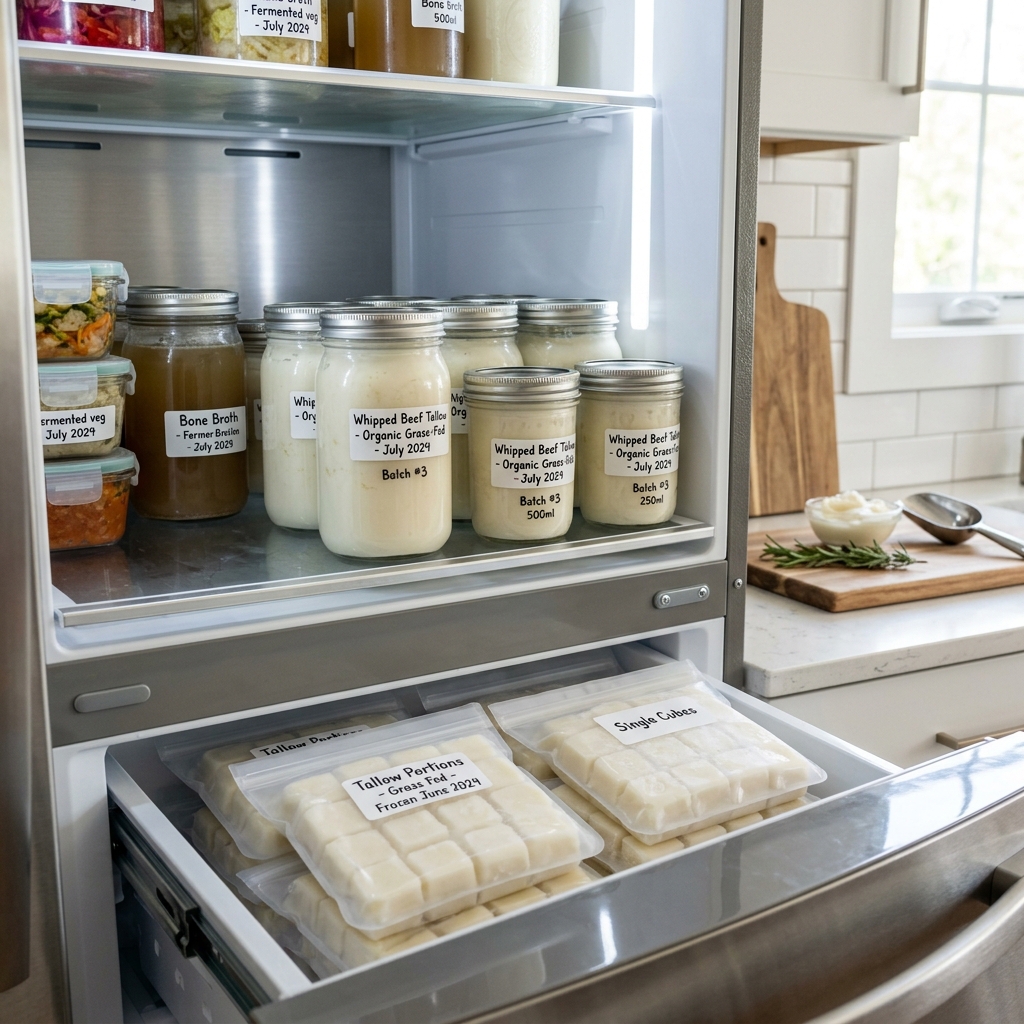
| Refrigerator (38-40°F) | 1 year | Place whipped beef tallow recipe in glass containers with airtight seals on refrigerator shelves. Your whipped beef tallow recipe will solidify but remain spreadable. Bring to room temperature fifteen minutes before use. |
| Freezer (0°F or below) | 2+ years | Freeze whipped beef tallow recipe in ice cube trays for portion control, then transfer frozen cubes to freezer bags. Thaw whipped beef tallow recipe portions overnight in refrigerator before using. Freezing maintains nutritional integrity indefinitely. |
| Reheating for cooking | As needed | Scoop whipped beef tallow recipe directly into heated pans if temperature is 400°F or higher. The whipped beef tallow will melt immediately and disperse evenly. For lower-temperature cooking, allow whipped beef tallow recipe to warm to room temperature first. |
| Make-ahead preparation | Up to 1 week | Prepare whipped beef tallow recipe up to seven days in advance and refrigerate in covered containers. The whipped beef tallow recipe holds its texture perfectly when stored properly. Stir gently before using if separation occurs. |
Your whipped beef tallow recipe investment in time and effort deserves protection through mindful storage practices. Keep finished whipped beef tallow recipe away from direct sunlight and strong-smelling foods that might affect flavor through osmosis. Monitor your whipped beef tallow recipe annually, replacing any batches showing rancid odors or unusual discoloration, though properly rendered whipped beef tallow recipe lasts years without spoilage.
Nutritional Information for Whipped Beef Tallow Recipe
Understanding the nutritional profile of whipped beef tallow recipe helps you appreciate why traditional cooking fats deserve a place in health-conscious kitchens.
| Nutrient | Amount per Tablespoon Serving |
|---|---|
| Calories | 120 calories |
| Total Fat | 13.5 grams |
| Saturated Fat | 6.5 grams |
| Monounsaturated Fat | 5.5 grams |
| Polyunsaturated Fat | 0.5 grams |
| Omega-3 Fatty Acids | 50-100 mg (grass-fed) |
| Omega-6 Fatty Acids | 200-300 mg (grass-fed) |
| CLA (Conjugated Linoleic Acid) | 100-200 mg (grass-fed) |
| Vitamin A | 2-5 IU (grass-fed) |
| Vitamin E | 0.1 mg (if added) |
| Protein | 0 grams |
| Carbohydrates | 0 grams |
| Sodium | 50 mg (if salt added) |
Approximate values vary based on source animal diet and rendering methods. Grass-fed beef tallow contains superior fatty acid ratios, including higher levels of conjugated linoleic acid and omega-3 fatty acids compared to conventional sources. The whipped beef tallow recipe you create provides stable cooking fat with a smoke point around 400°F, making it suitable for most cooking applications while maintaining nutritional integrity better than refined vegetable oils.
Frequently Asked Questions About Whipped Beef Tallow Recipe
Can I substitute duck fat or other animal fats for beef tallow in this recipe?
Yes, duck fat, goose fat, or lamb tallow work well in this whipped beef tallow recipe. Each fat produces slightly different flavor and texture characteristics, with duck fat creating milder results and lamb tallow producing richer, more distinctive flavors. The whipping process remains identical regardless of fat source, though you may need to adjust whipping time slightly based on the fat’s natural consistency.
How do I know when my whipped beef tallow recipe is rendered completely?
Your beef tallow is fully rendered when solids at the bottom turn golden brown and stop releasing liquid into the whipped beef tallow. The rendering process typically takes three to four hours at low temperatures, with most rendering occurring in the first two hours. If you notice liquid beef tallow stops releasing after two hours, your whipped beef tallow recipe source fat may contain minimal connective tissue.
Why does my whipped beef tallow recipe separate after whipping?
Separation occurs when whipped beef tallow recipe is over-whipped or contains water particles from incomplete purification. Fix this by re-melting the separated whipped beef tallow, performing another water purification cycle, then allowing it to cool before re-whipping for a shorter duration. Properly prepared whipped beef tallow recipe maintains stable emulsion for months without separation when stored correctly.
Can I make whipped beef tallow recipe in smaller batches?
Absolutely, this whipped beef tallow recipe scales down beautifully to one-pound batches or even smaller. Use one pound of beef fat and follow the same rendering timeline and techniques, though the whipped beef tallow will reach target temperature faster. Even small-batch whipped beef tallow recipe offers excellent results for home cooks with limited freezer space.
Is whipped beef tallow recipe safe for people with dairy allergies?
Yes, pure whipped beef tallow recipe contains zero dairy, making it completely safe for individuals with dairy allergies or lactose intolerance. This whipped beef tallow recipe serves as an excellent butter substitute for cooking, baking, and skincare applications. Always verify your whipped beef tallow recipe during preparation to ensure no cross-contamination with dairy products occurred.
How long does it take to whip beef tallow into the final product?
Whipping beef tallow typically takes five to eight minutes using a stand mixer, depending on the fat’s exact temperature and your mixer’s power. Hand-whipping your whipped beef tallow recipe requires ten to fifteen minutes of continuous effort with a whisk or hand mixer. Stop whipping as soon as your whipped beef tallow reaches butter-like consistency to avoid over-working the fat.
Can I add flavoring to my whipped beef tallow recipe, and when should I add it?
Yes, add dried herbs, spices, or essential oils to your whipped beef tallow recipe during the final thirty seconds of whipping for even distribution. Ground rosemary, thyme, or sage work beautifully in this whipped beef tallow recipe for culinary use, while essential oils suit cosmetic applications. Add flavoring only after reaching desired whipped consistency, preventing over-beating when you pulse to incorporate additions.
What is the smoke point of homemade whipped beef tallow recipe?
Properly rendered whipped beef tallow recipe has a smoke point around 400-420°F, making it suitable for medium-heat cooking but not ideal for high-heat frying. The whipped beef tallow recipe’s smoke point approaches that of conventional butter and remains lower than refined vegetable oils. For high-heat cooking, allow your whipped beef tallow to return to liquid form, as whipping doesn’t affect the fat’s thermal stability.
Should I render my whipped beef tallow recipe with a slow cooker or stovetop method?
Both methods work well for whipped beef tallow recipe preparation, though slow cookers provide more consistent low-temperature results with less monitoring required. Stovetop rendering offers faster processing if watched carefully, with completion in two to three hours. Choose the whipped beef tallow recipe method that fits your schedule, as both produce excellent results when temperature remains below 200°F throughout the process.
Can whipped beef tallow recipe replace all cooking oils in my kitchen?
Whipped beef tallow recipe excels for most cooking applications but works differently than light oils for certain tasks like salad dressings requiring thin consistency. Use your whipped beef tallow recipe for cooking, baking, roasting, and sautéing, while reserving liquid oils for drizzling and emulsified preparations when needed. Most home cooks find whipped beef tallow recipe replaces their primary cooking fat once they adjust to its superior flavor and nutritional profile.
Conclusion
Whipped beef tallow recipe represents a return to ancestral cooking methods that sustained generations through superior nutrition and reliable taste. Making whipped beef tallow recipe at home connects you to food traditions while providing tangible control over ingredient quality that commercial products cannot match. The process is straightforward, requiring minimal equipment and investment while delivering months of cooking and skincare applications. Your finished whipped beef tallow recipe will surprise you with its creamy texture, complex flavor, and remarkable versatility across culinary and cosmetic uses. Once you master this whipped beef tallow recipe, you’ll understand why traditional cooks valued rendered fats as kitchen staples worth preserving and protecting. Start your whipped beef tallow journey today, discovering how one simple fat transforms ordinary meals into nourishing, delicious experiences that truly satisfy.
For more information on traditional cooking methods, visit Healthline’s guide to beef tallow nutrition and explore EatThis’s article on healthy cooking fats for additional insights.
Baking Soda Recipe for Weight Loss
Print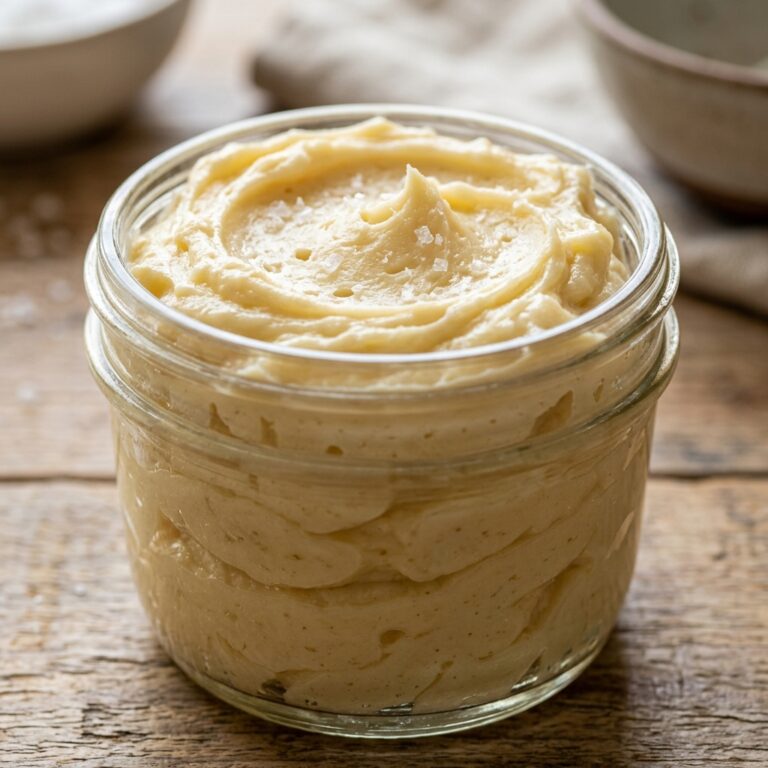
Viral Whipped Beef Tallow Recipe 2026
Whipped beef tallow recipe creates a luxurious, spreadable fat that transforms how you cook and care for your skin naturally.
- Total Time: 4 hours 20 minutes
- Yield: 32 oz 1x
Ingredients
- 2–3 pounds grass-fed beef fat (suet or trim)
- 1/2 cup filtered water
- 1/4 teaspoon sea salt
- 1/4 teaspoon vitamin E oil
Instructions
- Cut grass-fed beef fat into quarter-inch cubes.
- Remove any visible meat or connective tissue from the beef tallow pieces.
- Place cubed beef fat into a slow cooker, Dutch oven, or heavy-bottomed pot.
- Set heat to low, approximately 180°F.
- Cover loosely to allow steam to escape.
- Render slowly for 3 to 4 hours, stirring every 30 minutes.
- Continue until the solids turn golden brown and separate completely.
- Strain the rendered beef tallow through cheesecloth or a fine mesh sieve into a clean glass jar.
- Pour the strained beef tallow into a pot and add filtered water.
- Heat gently to approximately 160°F.
- Pour into a clean glass jar and refrigerate until completely solid.
- Drain the water layer beneath the solidified beef tallow.
- Allow the beef tallow to reach room temperature.
- Place softened beef tallow into a stand mixer or food processor.
- Whip on medium speed for 5 to 8 minutes until pale, fluffy, and creamy.
- Add sea salt and vitamin E oil if desired, then pulse for 30 seconds.
- Transfer finished whipped beef tallow to glass jars for storage.
Notes
Render below 200°F for the best flavor and texture. Use grass-fed beef fat when possible and store finished whipped beef tallow in sealed glass jars.
- Prep Time: 20 minutes
- Cook Time: 4 hours
- Category: Condiment
- Method: Rendering
- Cuisine: Traditional
Nutrition
- Serving Size: 1 tablespoon
- Calories: 120
- Sugar: 0g
- Sodium: 50mg
- Fat: 13.5g
- Saturated Fat: 6.5g
- Unsaturated Fat: 6g
- Trans Fat: 0g
- Carbohydrates: 0g
- Fiber: 0g
- Protein: 0g
- Cholesterol: 0mg