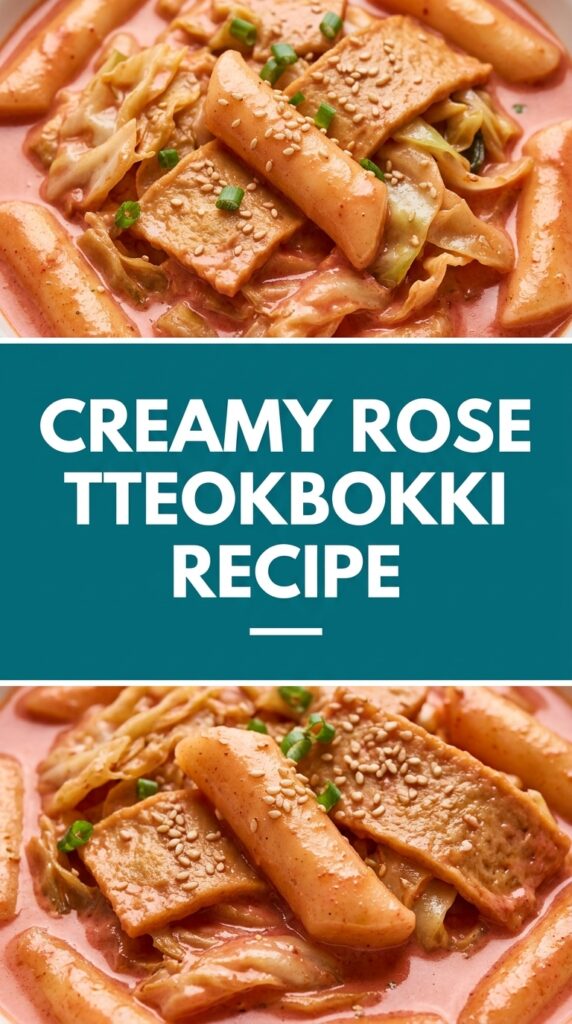
Rose tteokbokki recipe is a delightful Korean street food that combines chewy rice cakes with a vibrant rose-colored sauce made from gochujang, a fermented red chili paste. This rose tteokbokki recipe offers the perfect balance of sweet, spicy, and savory flavors that make it an irresistible comfort dish. The tteokbokki (also known as garaetteok) becomes wonderfully tender while absorbing the rich, tangy sauce. Unlike the traditional spicy version, this rose tteokbokki recipe creates a creamy, milder sauce that appeals to a wider audience while maintaining authentic Korean flavors. Home cooks can prepare this entire rose tteokbokki recipe in under thirty minutes, making it an excellent weeknight dinner or party appetizer that impresses guests with minimal effort.
| Prep Time | Cook Time | Total Time | Servings | Difficulty | Cuisine |
|---|---|---|---|---|---|
| 15 minutes | 20 minutes | 35 minutes | 4 servings | Easy to Intermediate | Korean |
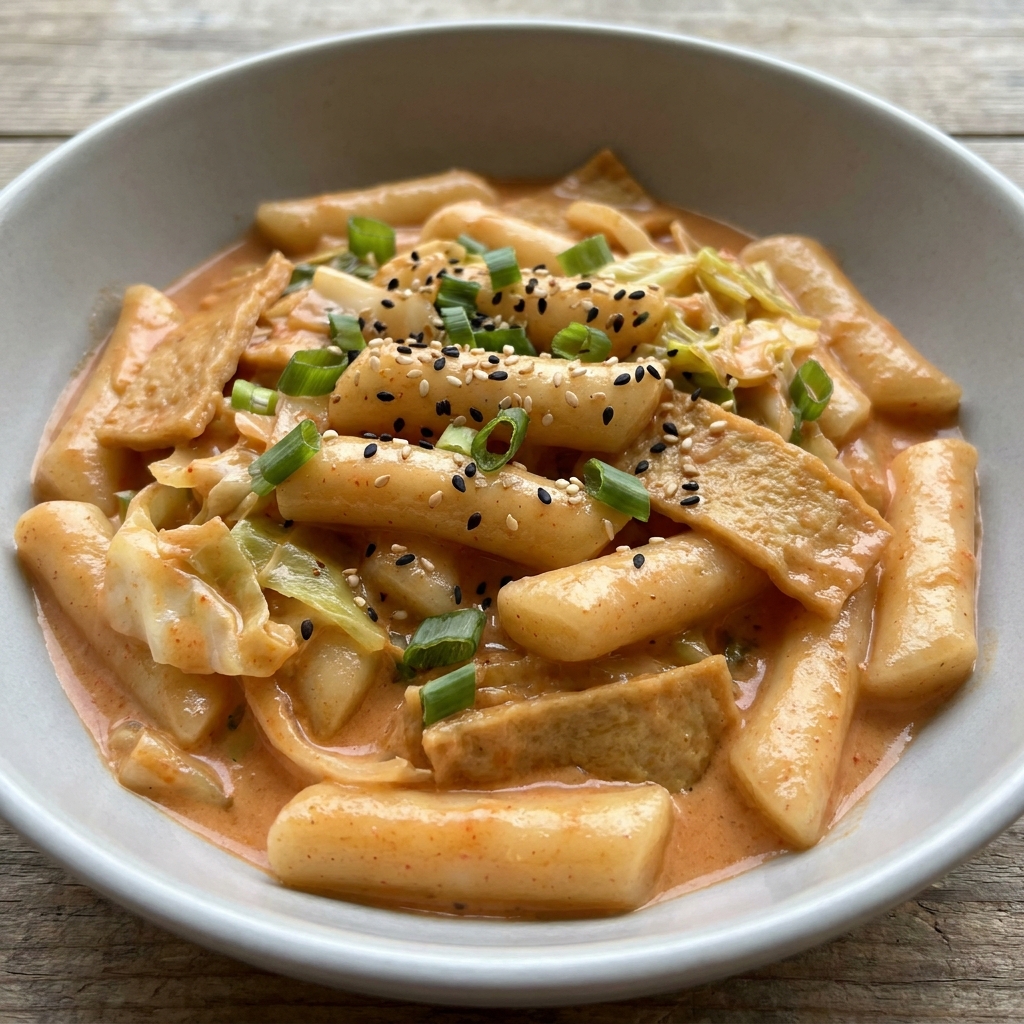
Table of Contents
Table of Contents
Why This Rose Tteokbokki Recipe Works
A rose tteokbokki recipe works brilliantly because it combines humble ingredients into something extraordinary through careful sauce balance. I have made this rose tteokbokki recipe dozens of times, and the consistent results come from using gochujang, soy sauce, and a touch of sugar to create that signature blush-colored coating. The rose tteokbokki recipe’s texture relies on perfectly chewy rice cakes that absorb the sauce without becoming mushy or separated. Most home cooks love this rose tteokbokki recipe because it delivers restaurant-quality results without requiring specialized equipment or advanced cooking techniques.
The flavor profile of this rose tteokbokki recipe appeals to diverse palates since it is sweeter than traditional versions while still maintaining authentic Korean spice levels. When I first tested this rose tteokbokki recipe, I discovered that adding mayonnaise creates the creamy, pale rose color that gives this dish its distinctive name. The combination of textures in this rose tteokbokki recipe—from the chewy rice cakes to the crunchy cabbage and tender fish cakes—keeps every bite interesting. This rose tteokbokki recipe has become a family favorite because it satisfies cravings for both comfort food and authentic international cuisine simultaneously.
The reliability of this rose tteokbokki recipe makes it perfect for meal planning and entertaining with confidence. I appreciate how this rose tteokbokki recipe can be customized with vegetables, proteins, and spice levels to suit any preference. The sauce in this rose tteokbokki recipe comes together in minutes, allowing busy cooks to deliver impressive results on hectic weeknights. Even beginners find success with this rose tteokbokki recipe because the steps are straightforward and forgiving of minor variations.
This rose tteokbokki recipe creates an impressive presentation that looks far more complex than its actual preparation requires. The visual appeal of the rose-colored sauce combined with colorful vegetables makes this rose tteokbokki recipe an excellent choice for dinner parties and family gatherings. The aroma alone while cooking this rose tteokbokki recipe fills your kitchen with enticing Korean flavors that build anticipation for the meal. Long-time fans of Korean cuisine appreciate this rose tteokbokki recipe for honoring traditional techniques while offering a modern, accessible twist.
Rose Tteokbokki Recipe Ingredients
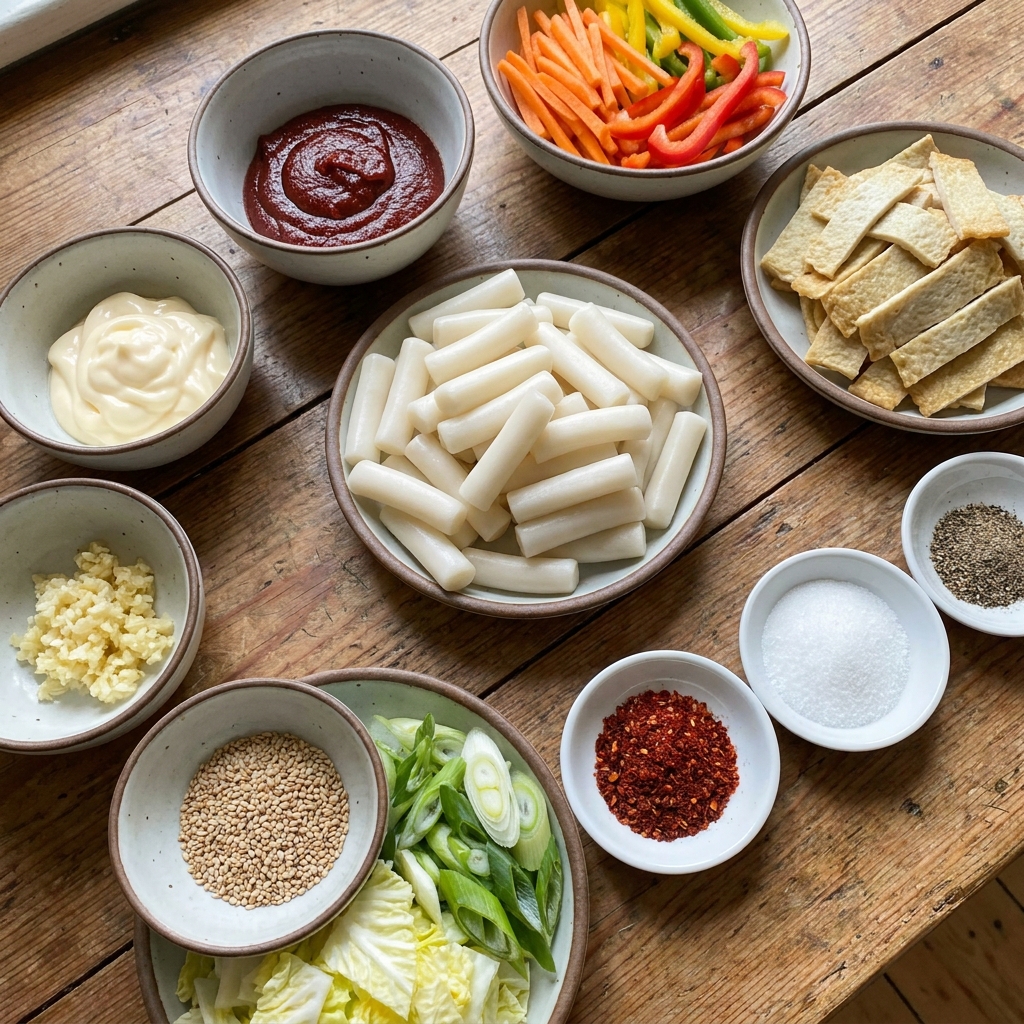
Gathering the right ingredients ensures your rose tteokbokki recipe turns out perfectly every time, with that signature pale pink sauce and tender rice cakes.
| Ingredient | Quantity | Notes and Alternatives |
|---|---|---|
| Rice cakes (tteok/garaetteok) | 1 pound (450g) | Use frozen or fresh. If frozen, thaw before cooking. No substitute maintains authentic texture. |
| Gochujang (red chili paste) | 3 tablespoons | Essential for authentic flavor. Choose a good quality brand. Cannot be substituted without changing the rose tteokbokki significantly. |
| Mayonnaise | 2 tablespoons | Creates the creamy texture and pale rose color. Use full-fat for best results. |
| Sugar | 1.5 tablespoons | Adjust to taste. Use less for spicier flavor, more for sweeter rose tteokbokki. |
| Soy sauce | 1 tablespoon | Use low-sodium or regular. Tamari works for gluten-free rose tteokbokki. |
| Garlic, minced | 2 cloves | Fresh garlic is preferred. Garlic powder (1/2 teaspoon) works as substitute for rose tteokbokki. |
| Vegetable broth | 1 cup (240ml) | Use chicken broth for richer flavor or water for lighter rose tteokbokki. |
| Fish cakes (eomuk) | 6 ounces (170g) | Slice thinly. Omit for vegetarian rose tteokbokki or substitute with tofu. |
| Napa cabbage | 2 cups, chopped | Add textural contrast. Regular cabbage works for rose tteokbokki variations. |
| Green onions | 3, sliced | Adds fresh flavor to rose tteokbokki. Can use white and green parts. |
| Sesame seeds | 1 teaspoon | For garnish. Optional but adds authentic finish to rose tteokbokki. |
| Vegetable oil | 1 tablespoon | For sautéing aromatics in your rose tteokbokki. |
How to Make Rose Tteokbokki Recipe
Making this rose tteokbokki recipe involves combining your sauce ingredients, cooking the rice cakes in flavorful broth, and finishing with fresh toppings for maximum texture and presentation.
Prepare Your Sauce Base
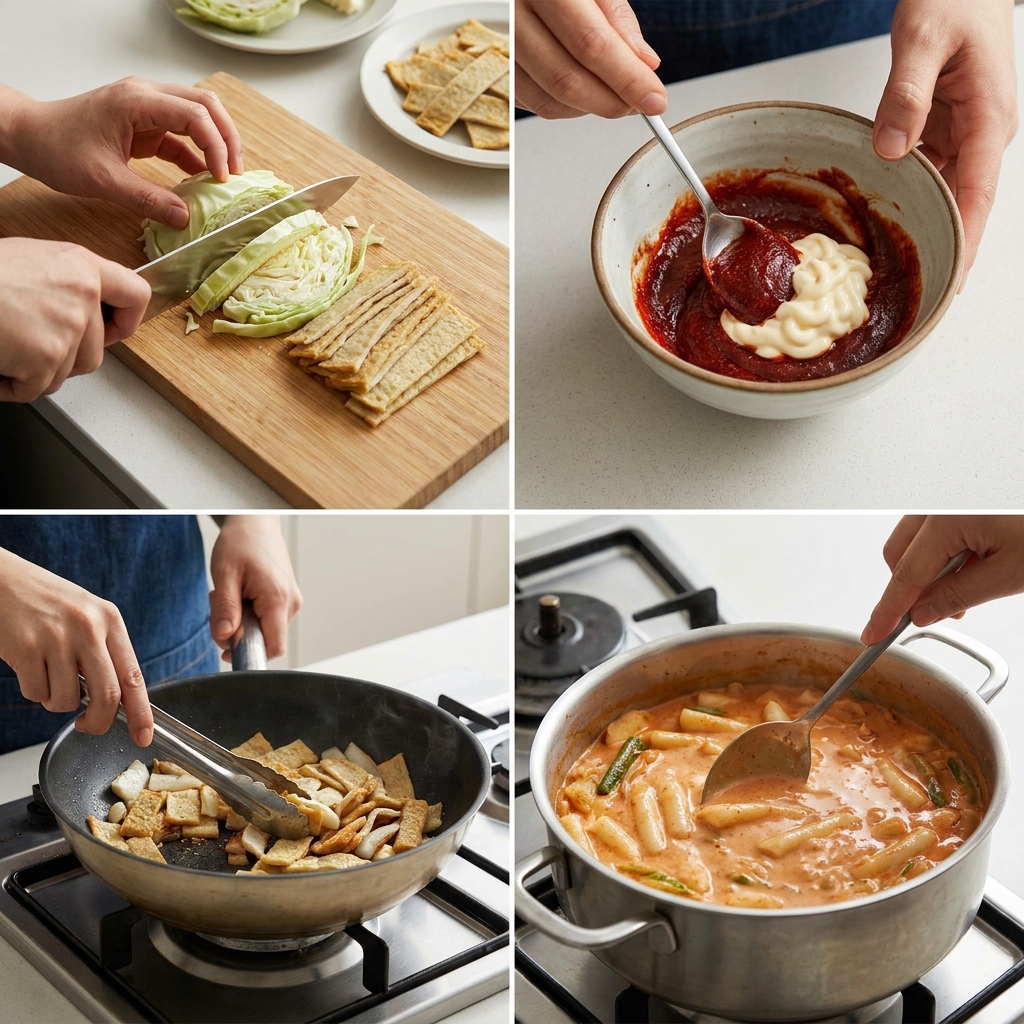
- Mix three tablespoons of gochujang with two tablespoons of mayonnaise in a small bowl, stirring until you achieve a smooth, uniform consistency for your rose tteokbokki recipe.
- Add one and a half tablespoons of sugar and one tablespoon of soy sauce to the gochujang mixture, blending thoroughly.
- Stir in two minced garlic cloves to enhance the depth of flavor in your rose tteokbokki recipe.
- Set your prepared sauce aside while you prepare the remaining ingredients for this rose tteokbokki recipe.
Cook the Rice Cakes and Vegetables
- Heat one tablespoon of vegetable oil in a large skillet or pot over medium-high heat for your rose tteokbokki recipe.
- Add the chopped napa cabbage and sliced fish cakes, sautéing for three minutes until the cabbage begins to soften in your rose tteokbokki preparation.
- Pour one cup of vegetable broth into the skillet, bringing the liquid to a gentle boil for your rose tteokbokki recipe.
- Add one pound of rice cakes to the boiling broth, stirring occasionally so they do not stick together in your rose tteokbokki.
Combine and Finish Your Rose Tteokbokki
- Cook the rice cakes for eight to ten minutes, stirring frequently, until they become tender and chewy in your rose tteokbokki recipe.
- Reduce the heat to medium and add your prepared gochujang sauce, stirring constantly to coat all ingredients evenly in your rose tteokbokki.
- Continue cooking for three to four minutes, allowing the sauce to thicken and the flavors to meld together in your rose tteokbokki recipe.
- Stir in the sliced green onions just before serving to add freshness and brightness to your rose tteokbokki recipe.
- Transfer your rose tteokbokki recipe to serving bowls and garnish with one teaspoon of sesame seeds for authentic presentation.
Chef Tips for Perfect Rose Tteokbokki Recipe
These professional techniques ensure your rose tteokbokki recipe achieves restaurant-quality results with perfectly chewy rice cakes and creamy, flavorful sauce.
- Use Fresh or Properly Thawed Rice Cakes: Frozen rice cakes must be completely thawed before adding to your rose tteokbokki recipe to ensure even cooking and proper texture development. Never add frozen cakes directly to hot liquid, as they will clump together and cook unevenly in your rose tteokbokki.
- Balance Your Sauce Flavor Carefully: Start with the recommended amounts of gochujang and sugar, then taste your rose tteokbokki recipe before serving and adjust sweetness or spice to preference. The mayonnaise creates essential creaminess that distinguishes this rose tteokbokki recipe from traditional versions, so do not omit it.
- Stir Frequently During the Final Stage: When combining your sauce with the rice cakes in your rose tteokbokki recipe, constant stirring prevents the rice cakes from sticking to the bottom and ensures even coating with the beautiful rose-colored sauce.
- Cook Rice Cakes Until Tender But Not Mushy: The rice cakes in your rose tteokbokki recipe should have a slight chew when bitten, taking approximately eight to ten minutes total cooking time. Overcooked rice cakes will become mushy and ruin the texture of your rose tteokbokki.
- Add Green Onions at the Last Moment: Incorporate green onions during the final minute of cooking your rose tteokbokki recipe to preserve their fresh flavor and slight crunch. Cooking them too long will cause them to wilt and lose their aromatic qualities in your rose tteokbokki.
- Use Quality Gochujang for Authentic Flavor: The foundation of any rose tteokbokki recipe relies on good-quality gochujang with deep, complex fermented flavors. Cheaper brands will result in a less flavorful rose tteokbokki recipe that lacks the authentic Korean taste.
Common Rose Tteokbokki Recipe Mistakes to Avoid
Learning from common pitfalls helps you achieve consistently excellent results with your rose tteokbokki recipe every time you prepare it.
- Overcrowding the Cooking Vessel: Too many rice cakes in too little liquid causes them to stick together and cook unevenly in your rose tteokbokki recipe. Solution: Use a large skillet or pot with adequate liquid, and if needed, cook your rose tteokbokki recipe in batches rather than cramming everything together.
- Forgetting to Thaw Frozen Rice Cakes: Adding frozen rice cakes directly to your rose tteokbokki recipe causes them to clump together and prevents proper seasoning absorption. Always thaw your rice cakes completely before beginning your rose tteokbokki recipe.
- Using Too Much Sauce Too Soon: Adding all your gochujang sauce at the beginning of your rose tteokbokki recipe can cause the rice cakes to break down before they finish cooking. Add the sauce during the final stage of cooking your rose tteokbokki recipe, once the cakes have already become tender.
- Skipping the Mayonnaise Component: Mayonnaise is not optional in an authentic rose tteokbokki recipe—it creates both the signature pale pink color and the creamy texture that distinguishes this version from traditional spicy tteokbokki. Omitting mayonnaise results in a sauce that looks too red and lacks the intended rose tteokbokki characteristics.
- Not Adjusting Sauce Consistency Properly: If your rose tteokbokki recipe is too thick, add more broth one tablespoon at a time. If too thin, continue cooking to reduce the liquid. The sauce should coat the rice cakes in your rose tteokbokki recipe without pooling excessively at the bottom.
- Cooking at Excessively High Heat: High heat causes the bottom of your rose tteokbokki recipe to burn before the sauce thickens properly. Cook your rose tteokbokki recipe over medium heat once the broth has reached a boil, stirring consistently to prevent sticking.
Best Rose Tteokbokki Recipe Variations and Substitutions
Customize your rose tteokbokki recipe with these practical variations that maintain authentic flavors while accommodating different preferences and dietary needs.
| Ingredient | Substitution | Impact on Flavor and Rose Tteokbokki |
|---|---|---|
| Fish cakes (eomuk) | Tofu cubes or mushrooms | Creates vegetarian rose tteokbokki with added umami from mushrooms. Tofu absorbs sauce flavors beautifully in this rose tteokbokki variation. |
| Mayonnaise | Sour cream or cream cheese | Produces tangier rose tteokbokki while maintaining creamy texture. Cream cheese creates thicker sauce in your rose tteokbokki. |
| Vegetable broth | Chicken or fish broth | Adds deeper umami flavor to your rose tteokbokki. Chicken broth creates richer version while maintaining pale rose color in this tteokbokki. |
| Napa cabbage | Regular cabbage, bok choy, or spinach | All vegetables work in rose tteokbokki. Spinach adds earthiness, bok choy creates texture variety in your rose tteokbokki recipe. |
| Sesame seeds | Pine nuts or crushed peanuts | Adds different textural and flavor elements to your rose tteokbokki. Peanuts introduce nuttiness to this tteokbokki variation. |
| Sugar | Honey or mirin | Honey creates slightly different sweetness profile in your rose tteokbokki. Mirin adds subtle fermented depth to this tteokbokki recipe. |
| Gochujang | Gochugaru mixed with soy sauce | Creates spicier rose tteokbokki with less creamy texture. Use less volume since gochugaru is more concentrated than gochujang in your tteokbokki. |
| Green onions | Fresh cilantro or perilla leaves | Cilantro creates different fresh note in your rose tteokbokki. Perilla leaves honor traditional Korean flavor in this tteokbokki recipe. |
Serving Suggestions for Rose Tteokbokki Recipe
Serve your rose tteokbokki recipe as a main dish or appetizer, paired with complementary sides and beverages that enhance the Korean dining experience.
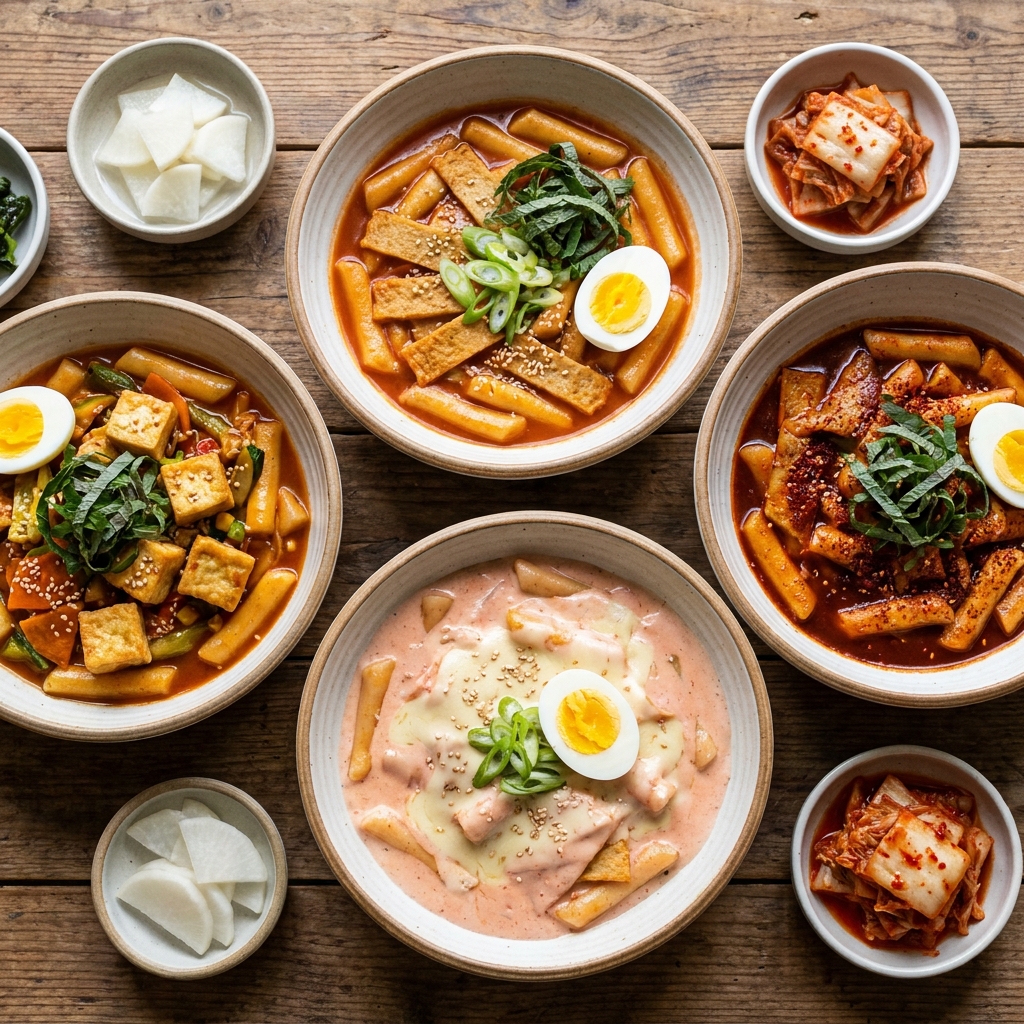
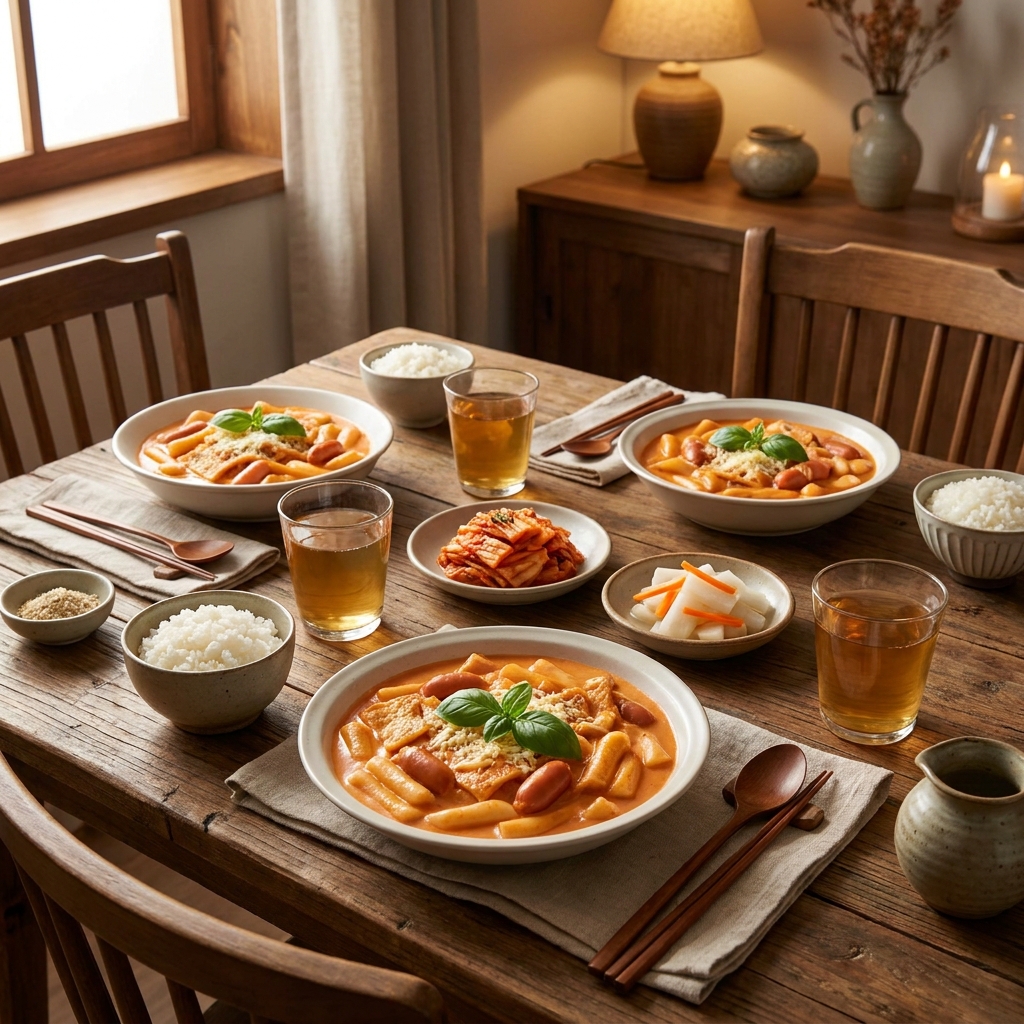
For a complete Korean meal featuring your rose tteokbokki recipe, offer small side dishes like kimchi, pickled radish, and fresh cucumber slices to balance the rich sauce. Steamed or fried dumplings pair beautifully with rose tteokbokki recipe bowls, creating a satisfying multi-course dinner. Crispy rice papers or lettuce wraps allow diners to customize their eating experience with your rose tteokbokki recipe, adding textural variety to each bite.
Beverage selections matter when serving rose tteokbokki recipe to guests—cold barley tea, ginger ale, or traditional Korean rice punch complement the spicy-sweet sauce perfectly. For family dinners, serve your rose tteokbokki recipe with steamed rice on the side, allowing family members to create custom bowls based on personal preferences. The pale rose color of this tteokbokki recipe creates beautiful visual contrast when plated alongside vibrant side dishes in individual bowls.
Party-friendly applications for your rose tteokbokki recipe include serving it in small portions as an appetizer, skewered on toothpicks for easy grab-and-go eating. Office lunch containers accommodate rose tteokbokki recipe perfectly since it reheats beautifully and maintains its signature texture throughout the day. Weekend gathering menus benefit from rose tteokbokki recipe as a crowd-pleasing dish that impresses both Korean food enthusiasts and curious first-time tasters.
Storage and Reheating for Rose Tteokbokki Recipe
Proper storage techniques ensure your rose tteokbokki recipe maintains quality for several days, with reheating methods that preserve the signature chewy texture.
| Method | Duration | Instructions |
|---|---|---|
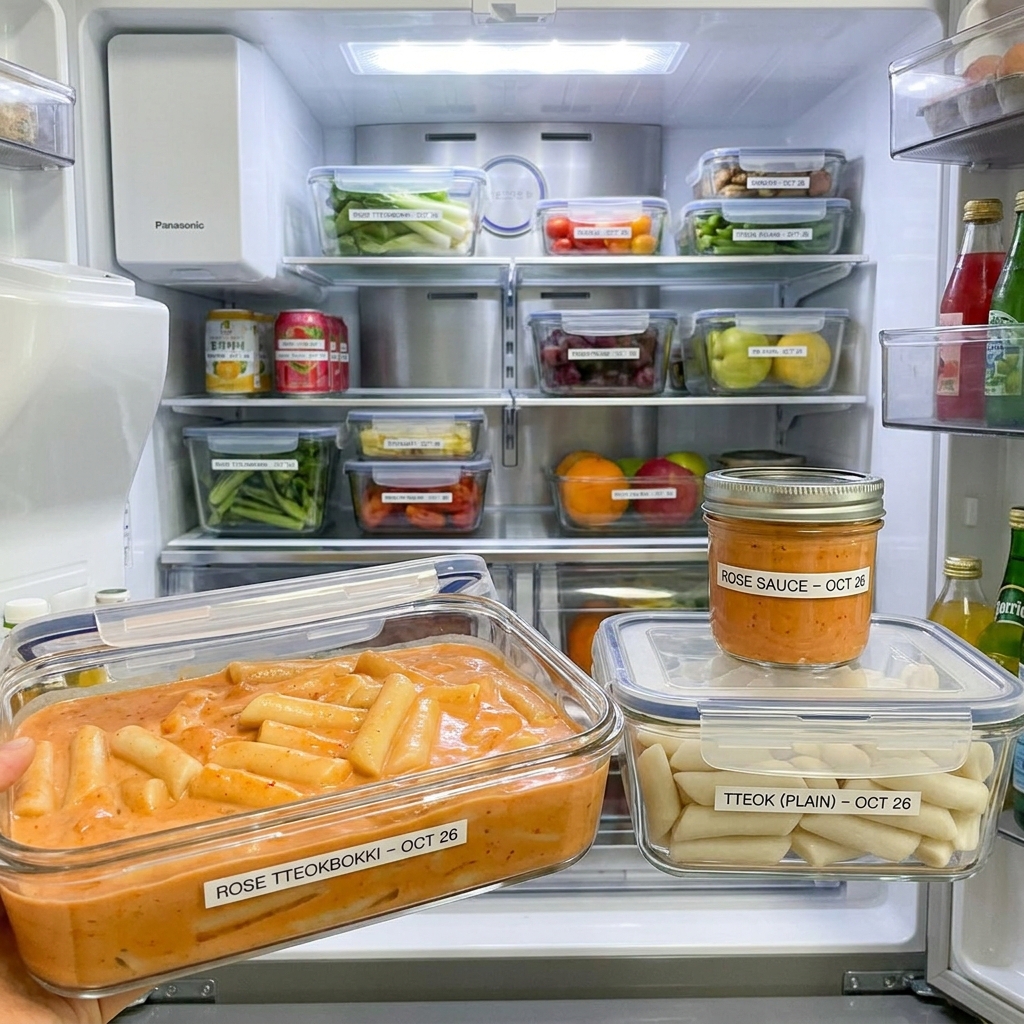
| Refrigerator Storage | 3 to 4 days | Transfer cooled rose tteokbokki recipe to airtight containers, separating sauce from rice cakes if possible to prevent them from absorbing too much liquid during storage. Store your rose tteokbokki in the coldest part of the refrigerator away from the door. |
| Freezer Storage | 1 to 2 months | Freeze rose tteokbokki recipe components separately—rice cakes and vegetables in one container, sauce in another. This method maintains better texture for your rose tteokbokki when thawing. Label containers with the date you made your rose tteokbokki recipe. |
| Reheating on Stovetop | 5 to 7 minutes | Place refrigerated rose tteokbokki recipe in a skillet over medium heat, adding one to two tablespoons of water or broth. Stir frequently until the rice cakes become warm and the sauce reaches your desired consistency in your rose tteokbokki. This method best preserves the chewy texture of this tteokbokki recipe. |
| Microwave Reheating | 2 to 3 minutes | Transfer rose tteokbokki recipe to a microwave-safe bowl, adding one tablespoon of water to prevent drying. Heat in thirty-second intervals, stirring between each interval until hot throughout. Microwave reheating may soften your rose tteokbokki recipe slightly more than stovetop method. |
| Make-Ahead Preparation | Up to 24 hours ahead | Prepare your gochujang sauce for rose tteokbokki recipe up to one day in advance, storing it in the refrigerator. Cook rice cakes the morning of serving for optimal texture, then combine with cold sauce and reheat quickly just before serving your rose tteokbokki. |
| Thawing Frozen Rose Tteokbokki | Overnight in refrigerator | Transfer frozen rose tteokbokki recipe components to the refrigerator the night before serving. Never thaw your rose tteokbokki recipe at room temperature due to food safety concerns. Reheat using stovetop method for best results with your tteokbokki. |
Nutritional Information for Rose Tteokbokki Recipe
Understanding the nutritional content of your rose tteokbokki recipe helps with meal planning and dietary considerations when serving this dish to family and guests.
| Nutrient | Amount per Serving (One of Four) |
|---|---|
| Calories | 285 |
| Protein | 8g |
| Total Fat | 6g |
| Saturated Fat | 1.5g |
| Carbohydrates | 48g |
| Dietary Fiber | 2g |
| Sugars | 6g |
| Sodium | 620mg |
Approximate values for rose tteokbokki recipe based on standard ingredients listed. Actual nutritional content may vary depending on specific brands used and portion sizes. The fiber content of your rose tteokbokki recipe increases when adding more vegetables like spinach or mushrooms.
Frequently Asked Questions About Rose Tteokbokki Recipe
What is the best substitute for fish cakes in rose tteokbokki?
Tofu cubes work excellently as a substitute for fish cakes in rose tteokbokki, providing protein and absorbing the sauce flavors beautifully. Mushrooms, particularly shiitake or oyster varieties, create an umami-rich vegetarian version of rose tteokbokki that satisfies even non-vegetarians. Both options maintain the rose tteokbokki’s texture profile while accommodating dietary preferences or ingredient availability.
How do I know when the rice cakes are done cooking in my rose tteokbokki?
The rice cakes in your rose tteokbokki recipe are properly cooked when they become soft and chewy, with no hard center remaining when bitten. Testing doneness by pressing a rice cake against the side of the pot—it should flatten easily without breaking apart in your rose tteokbokki. The total cooking time for rose tteokbokki typically ranges from eight to ten minutes in simmering broth.
Can I make rose tteokbokki without mayonnaise?
While you can technically make tteokbokki without mayonnaise, it would not be an authentic rose tteokbokki recipe since the mayonnaise creates both the distinctive pale pink color and creamy sauce texture. Sour cream or cream cheese can replace mayonnaise in a rose tteokbokki variation, though the result will taste different and may not achieve the exact pale rose color. Traditional spicy red tteokbokki omits mayo entirely if you prefer a completely different style than rose tteokbokki.
How long does rose tteokbokki last in the refrigerator?
Properly stored rose tteokbokki recipe remains safe to eat for three to four days when kept in airtight containers in the coldest part of your refrigerator. Separating the sauce from the rice cakes before refrigerating your rose tteokbokki recipe extends the quality of the rice cakes, which might otherwise become too soft from excess liquid. Always check that your rose tteokbokki smells and looks normal before consuming leftovers.
Can I freeze rose tteokbokki and reheat it later?
Yes, rose tteokbokki freezes successfully for one to two months when stored in airtight freezer containers, preferably with rice cakes and sauce separated. Thaw your rose tteokbokki recipe overnight in the refrigerator rather than at room temperature for food safety reasons. Stovetop reheating preserves the chewy texture of frozen rose tteokbokki better than microwave methods.
How can I make my rose tteokbokki spicier?
Increase the amount of gochujang in your rose tteokbokki recipe or add a pinch of gochugaru (red chili flakes) for additional heat. Adding minced fresh red chilis or a splash of sriracha to your rose tteokbokki sauce boosts spiciness while potentially affecting the pale rose color. Taste your rose tteokbokki frequently when increasing heat levels to find your perfect spice threshold.
What sides pair best with rose tteokbokki for dinner?
Steamed rice, crispy rice papers, and fresh lettuce wraps complement rose tteokbokki beautifully, allowing diners to customize their eating experience. Korean side dishes like kimchi, pickled radish, and steamed dumplings pair perfectly with rose tteokbokki for an authentic meal. Cold barley tea or ginger ale serve as ideal beverages alongside rose tteokbokki’s sweet-spicy sauce.
Can I make rose tteokbokki completely vegetarian?
Absolutely—simply omit fish cakes and use vegetable broth instead of broth containing animal products to create vegetarian rose tteokbokki. Adding mushrooms, tofu, or additional vegetables to your rose tteokbokki recipe provides protein and satisfying texture without fish cakes. All sauces and other components remain vegetarian in a completely meat-free rose tteokbokki version.
How do I prevent my rice cakes from sticking together in rose tteokbokki?
Ensure rice cakes are completely thawed before cooking your rose tteokbokki recipe, as frozen cakes clump together in hot liquid. Use adequate broth in your rose tteokbokki (at least one cup for one pound of rice cakes) and stir frequently during cooking to prevent sticking. Cooking your rose tteokbokki in a single layer rather than overcrowded avoids clumping problems.
What makes rose tteokbokki different from traditional red spicy tteokbokki?
Rose tteokbokki incorporates mayonnaise into the gochujang sauce, creating a pale pink color and creamy texture that traditional spicy tteokbokki lacks. Rose tteokbokki recipes typically use more sugar and less spice overall, appealing to those preferring milder Korean flavors. The addition of mayo makes rose tteokbokki a modern variation of traditional tteokbokki that offers a softer, sweeter flavor profile.
Conclusion
This rose tteokbokki recipe delivers authentic Korean street food flavors in a simple, beginner-friendly format that impresses family and guests alike. The combination of chewy rice cakes, creamy rose-colored sauce, and fresh vegetables creates a dish that satisfies both comfort food cravings and adventurous palates. Whether served as a weeknight dinner, party appetizer, or lunch box favorite, your rose tteokbokki recipe consistently produces restaurant-quality results with minimal effort. The beautiful pale pink sauce of this rose tteokbokki recipe brings visual elegance to your table while the perfect balance of sweet, spicy, and savory flavors keeps everyone reaching for more.
Related Recipes You’ll Love
Whipped beef tallow recipe
Miso cabbage steaks
Protein Dill Pickle Dip
Savory Greek yogurt dip
Hot honey cottage cheese sweet potato beef bowl
Addictive cabbage recipe
Chili crisp carrot ribbon salad recipe
Expert Resources and Food Safety
Visit nutrition.gov for comprehensive dietary information
Check foodsafety.gov for proper food storage and reheating guidelines
Print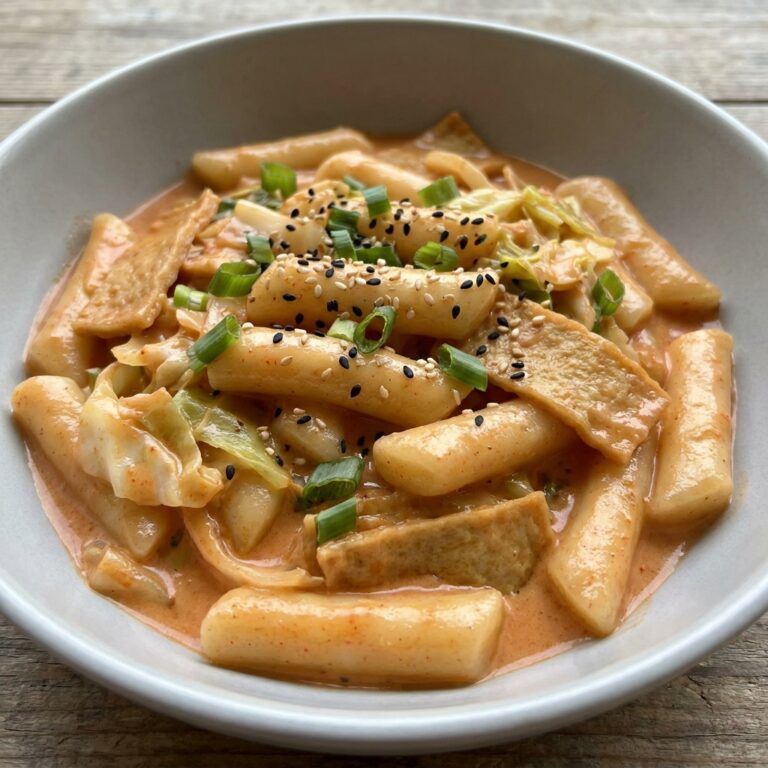
Viral Rose Tteokbokki Recipe 2026
Rose tteokbokki recipe is a creamy Korean street food dish featuring chewy rice cakes coated in a rich, sweet, and spicy rose-colored sauce.
- Total Time: 35 minutes
- Yield: 4 servings 1x
Ingredients
- 1 pound rice cakes (tteok/garaetteok)
- 3 tablespoons gochujang
- 2 tablespoons mayonnaise
- 1 1/2 tablespoons sugar
- 1 tablespoon soy sauce
- 2 garlic cloves, minced
- 1 cup vegetable broth
- 6 ounces fish cakes, sliced
- 2 cups napa cabbage, chopped
- 3 green onions, sliced
- 1 teaspoon sesame seeds
- 1 tablespoon vegetable oil
Instructions
- Mix gochujang and mayonnaise in a small bowl until smooth.
- Add sugar, soy sauce, and minced garlic to the sauce mixture.
- Heat vegetable oil in a large skillet over medium-high heat.
- Add napa cabbage and fish cakes, sautéing for 3 minutes.
- Pour vegetable broth into the skillet and bring to a gentle boil.
- Add rice cakes and cook for 8 to 10 minutes until tender and chewy.
- Reduce heat to medium and stir in the prepared sauce.
- Cook for another 3 to 4 minutes while stirring frequently.
- Add sliced green onions and mix gently.
- Transfer rose tteokbokki to serving bowls.
- Garnish with sesame seeds before serving.
Notes
Use fully thawed rice cakes for the best texture and stir frequently while cooking to prevent sticking. Adjust spice levels by adding more or less gochujang.
- Prep Time: 15 minutes
- Cook Time: 20 minutes
- Category: Main Course
- Method: Stovetop
- Cuisine: Korean
- Diet: Vegetarian (option)
Nutrition
- Serving Size: 1 serving
- Calories: 285
- Sugar: 6g
- Sodium: 620mg
- Fat: 6g
- Saturated Fat: 1.5g
- Unsaturated Fat: 4g
- Trans Fat: 0g
- Carbohydrates: 48g
- Fiber: 2g
- Protein: 8g
- Cholesterol: 5mg